Embark on a delicious self-guided food tour in Boracay! Discover the must-try local dishes and where to find them, from fresh seafood to sweet treats. This guide makes exploring Boracay’s culinary scene easy and enjoyable for everyone, ensuring you taste the island’s best without missing a beat.
Boracay is a slice of paradise, and exploring its vibrant food scene is a huge part of the fun! But with so many tempting options, where do you even begin? Don’t worry, fellow travelers, navigating the island’s culinary landscape can be a breeze. This guide is designed to help you discover the most essential eats Boracay has to offer, transforming your trip into a delicious adventure. We’ll break down the must-try dishes and give you simple tips to find them, ensuring you experience the authentic flavors of this beautiful island without any stress. Get ready to tantalize your taste buds!
Your Boracay Self-Guided Food Tour: A Delicious Roadmap

Planning a trip to Boracay? Beyond the stunning beaches and turquoise waters, this island gem boasts a culinary scene as vibrant and diverse as its landscapes. A self-guided food tour is the perfect way to dive deep into the local flavors. It’s about experiencing the authentic taste of Boracay, one delicious bite at a time. This approach offers flexibility, allowing you to explore at your own pace, discover hidden culinary gems, and truly connect with the island’s culture through its food.
Why Go Self-Guided?
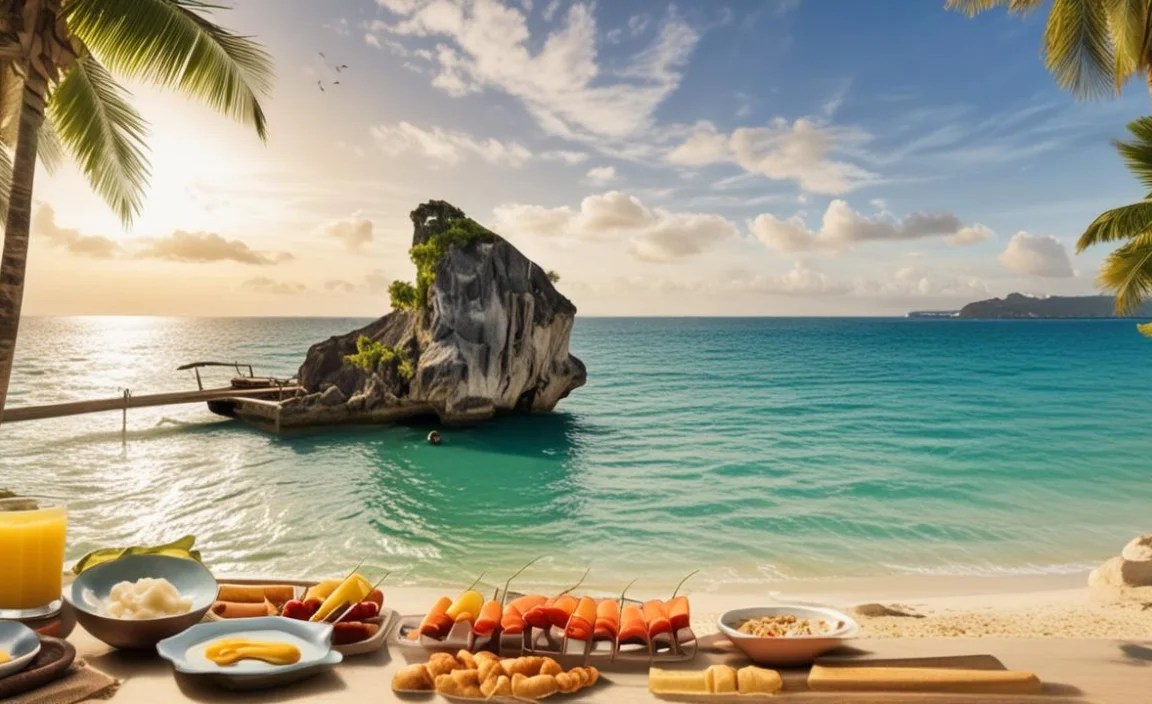
Opting for a self-guided food tour means you’re in charge. No strict schedules, no large groups, just you and your appetite. You can linger longer at a stall that catches your eye, skip something that doesn’t appeal, and discover those unexpected delights that make travel so special. It’s also a fantastic way to manage your budget while seeking out the most authentic and affordable eats. Think of it as your personal gastronomic adventure, tailored to your tastes and preferences.
Key Boracay Eats You Can’t Miss
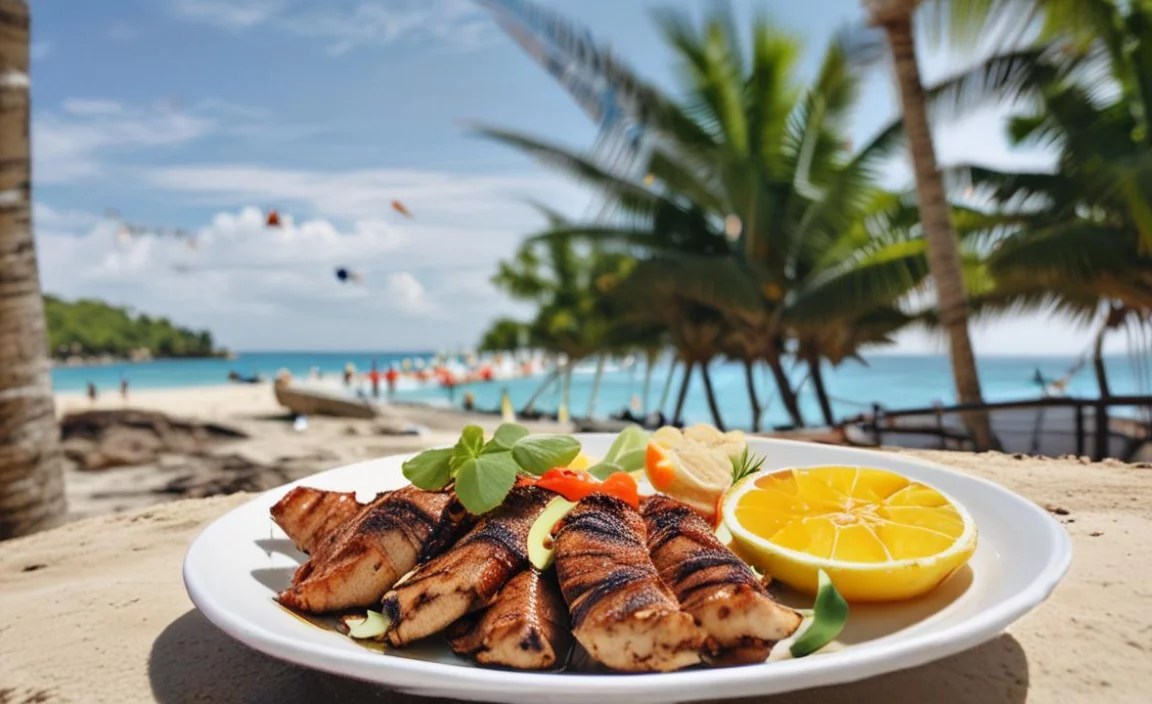
Boracay’s food scene is a beautiful blend of Filipino staples, fresh seafood, and international influences. Here are the essential dishes that define the island’s culinary identity:
Seafood Delights: Fresh from the Ocean
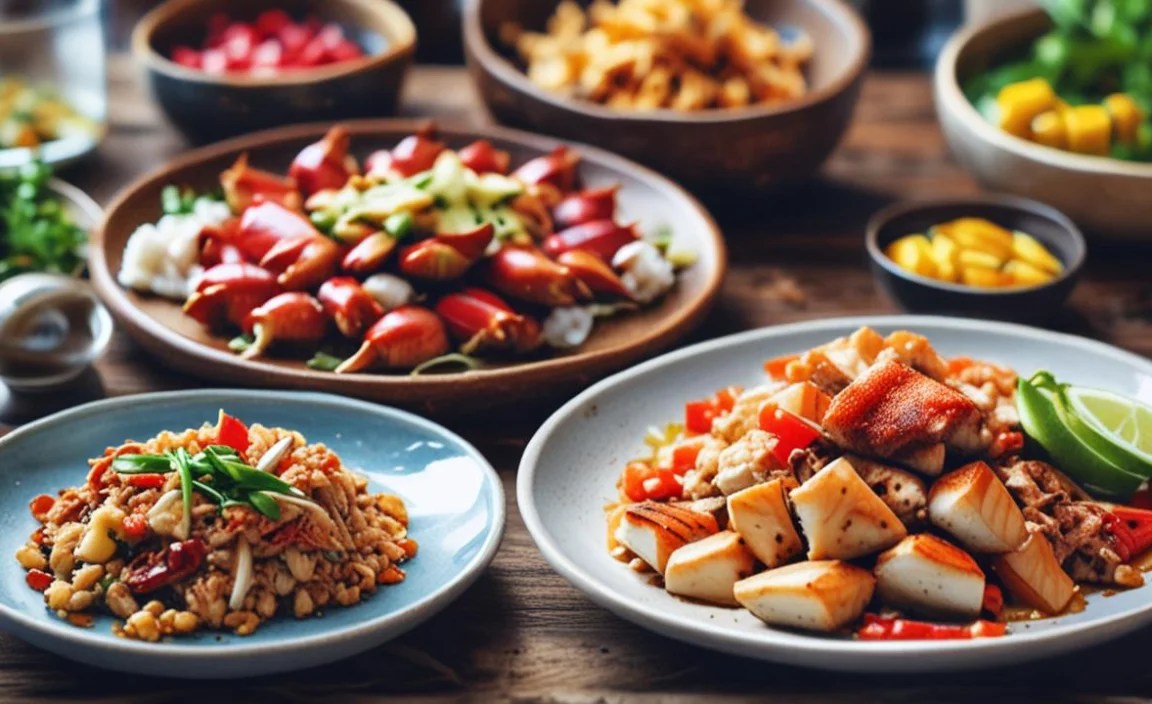
Being an island, Boracay offers an abundance of incredibly fresh seafood. Experiencing this is non-negotiable for any food tour.
Kinilaw: This is the Filipino answer to ceviche. Fresh, raw fish (often tuna or tanigue) is “cooked” in a marinade of vinegar, onions, ginger, and chilies. It’s refreshing, zesty, and the perfect starter on a warm day.
Grilled Seafood: Imagine succulent prawns, freshly caught fish like lapu-lapu, and plump squid, all grilled to perfection over charcoal. Many beachfront restaurants offer catch-of-the-day specials. Look for places that grill seafood right in front of you for the freshest experience.
Sinigang na Hipon (Shrimp Sinigang): While not exclusively a seafood dish, this sour and savory tamarind-based soup is a comforting classic, and the shrimp version is particularly popular in Boracay. It’s packed with fresh vegetables and has a wonderfully tangy broth.
Filipino Staples with a Boracay Twist

Beyond seafood, classic Filipino dishes are a must-try. They offer a taste of the archipelago’s rich culinary heritage.
Adobo: The unofficial national dish of the Philippines. Chicken or pork simmered in soy sauce, vinegar, garlic, and peppercorns. Every family has its own recipe, so trying it at different local eateries can be a treat.
La Paz Batchoy: A hearty noodle soup from Iloilo, often found in local eateries. It’s a rich broth filled with pork offal, shrimp, and various toppings. It’s a satisfying meal, especially after a day in the sun.
Halo-Halo: This is the ultimate Filipino dessert! A colorful concoction of shaved ice, milk, sweet beans, fruits, jellies, leche flan, and ube ice cream. It’s a delightful explosion of textures and flavors, perfect for cooling down.
Sweet Treats and Local Snacks
Don’t forget to indulge your sweet tooth and try some local snacks.
Bibingka and Puto Bumbong: These are traditional Filipino rice cakes often enjoyed during the Christmas season, but you can find them year-round in some places. Bibingka is a fluffy, oven-baked rice cake, often topped with salted egg and cheese. Puto Bumbong is a purple, steamed sticky rice cake, typically served with grated coconut and muscovado sugar.
Mango Shake: Boracay is famous for its incredibly sweet and juicy mangoes. A fresh mango shake is a tourist and local favorite. Look for stands using real, fresh mangoes for the best taste.
Your Self-Guided Food Tour Itinerary: A Suggested Path

To make your self-guided food tour seamless, here’s a suggested path, focusing on different areas of Boracay. Remember, this is a flexible guide – feel free to adapt it!
Station 2: The Bustling Heart of Boracay

Station 2 is often the most crowded, but it’s a fantastic starting point with many food options.
1. Lunch: Fresh Seafood Grill
Where to look: D’Talipapa Market area. While D’Talipapa itself is a wet market where you can buy seafood and have it cooked, many restaurants surrounding it also offer excellent grilled seafood.
What to order: Grilled Tuna Belly, Prawns, and Squid.
Tip: Compare prices and freshness before buying. Many “paluto” (cook-it-for-me) restaurants operate here.
2. Afternoon Snack: Mango Shake & Local Pastries
Where to look: Numerous small stalls and cafes along White Beach.
What to order: A classic Mango Shake and perhaps some local pastries like piaya (flat, moon-shaped sweet pastry) if available.
Tip: Look for stalls that look busy; it usually means freshness and good taste.
3. Dinner: Filipino Comfort Food
Where to look: Explore the side streets off White Beach or try a well-regarded Filipino restaurant.
What to order: Pork Adobo, La Paz Batchoy, or Sinigang.
Tip: Ask locals for their favorite authentic Filipino eateries.
Station 1: Chic Dining and Sunset Views
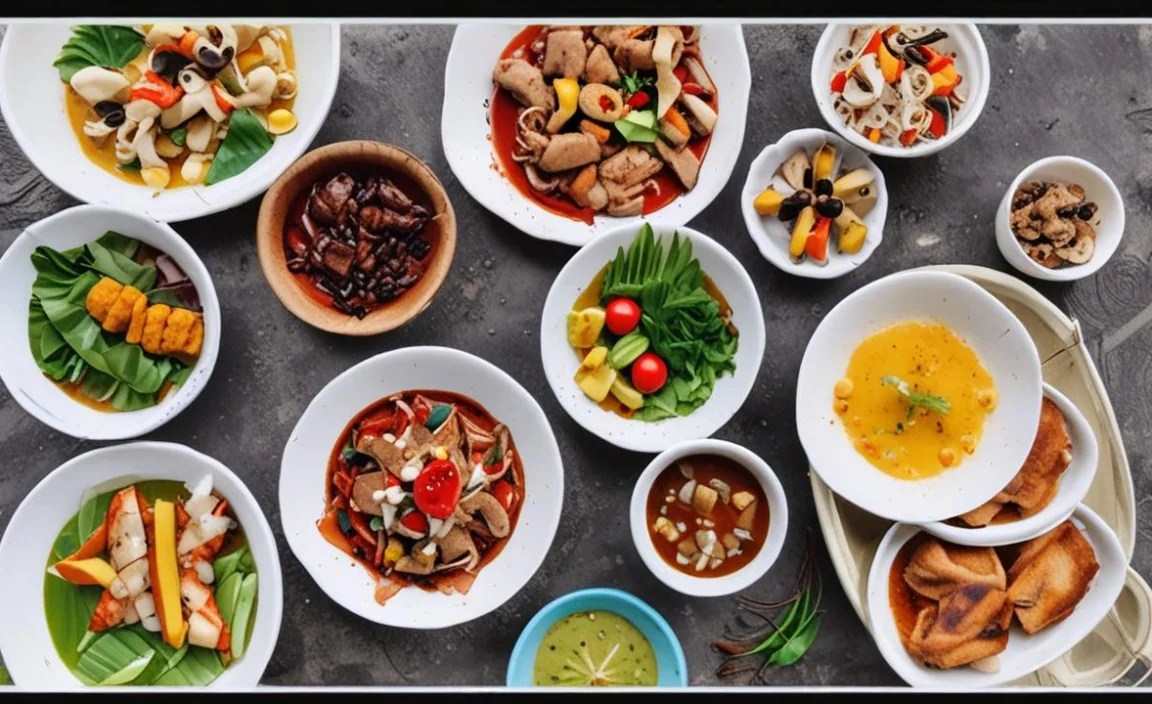
Station 1 is known for its upscale resorts and calmer atmosphere, but it also holds culinary gems.
1. Sunset Drinks with Appetizers:
Where to look: Beachfront bars and restaurants in Station 1. Many offer happy hour deals.
What to order: While enjoying the sunset, try some kinilaw or smaller grilled items.
Tip: This is more about the experience than a full meal, but a great way to transition into the evening.
2. Late Dinner or Dessert:
Where to look: Some resorts have excellent restaurants open to the public, or explore eateries closer to the other stations accessible by walking.
What to order: If you missed Halo-Halo, this is a great place to try a more gourmet version, or explore international fusion dishes if you fancy a change.
D’Mall & D’Talipapa: The Epicenters of Flavor

These adjacent areas are crucial for any food explorer on Boracay.
D’Mall: A vibrant hub with a variety of restaurants, cafes, and shops. You’ll find everything from fast food to more specialized eateries. It’s a great place to sample different snacks and drinks.
D’Talipapa: This is essentially a wholesale seafood market. You can buy very fresh seafood directly from the vendors and then take it to one of the nearby “paluto” restaurants to have it cooked to your preference (grilled, steamed, or fried). It’s an interactive and delicious experience.
Bulabog Beach: A Local Flavor Hub
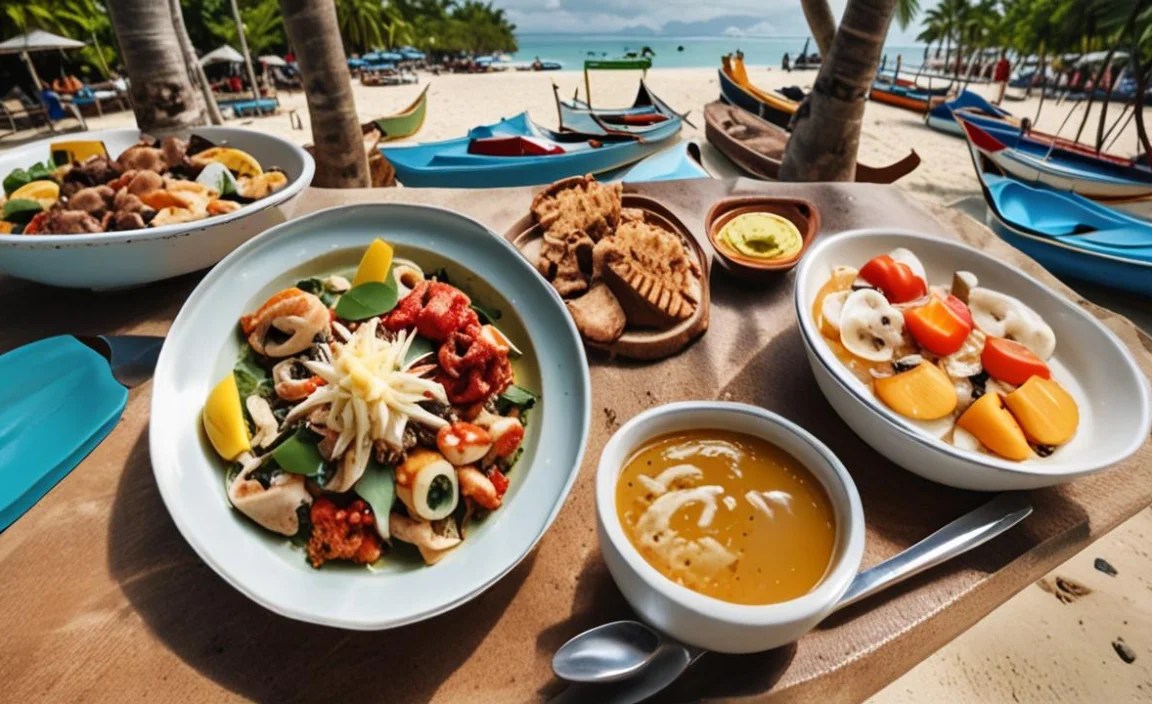
While White Beach is the iconic tourist strip, Bulabog Beach, known for water sports, also offers a more local and often more affordable dining experience.
Local Eateries (Carinderias): Venture here to find small, unpretentious eateries serving home-style Filipino food. This is where you’ll likely find the most authentic and budget-friendly dishes.
What to look for: Try different ulam (main dishes) like pork liempo (grilled pork belly) or ginataang manok (chicken in coconut milk).
Navigating Boracay’s Food Scene: Practical Tips
To ensure your self-guided food tour is smooth and enjoyable, keep these practical tips in mind.
Stay Hydrated: Boracay can be hot and humid. Always carry a reusable water bottle. Staying hydrated is crucial, especially when trying new foods and walking around. For extra peace of mind, especially with children or for longer travel days, having access to gentle, reliable absorbent products like adult or child diapers can prevent discomfort and allow you to focus on enjoying your explorations. Brands like Depend or Tranquility offer discreet and comfortable options.
Embrace Street Food (With Caution): Many of the most delicious and authentic tastes are found at local stalls. Look for places that are busy and where food is cooked fresh. Visual cues of cleanliness are your best guide.
Ask Locals: Don’t hesitate to ask hotel staff, tricycle drivers, or friendly locals for recommendations. They often know the best hidden spots.
Cash is King (Mostly): While larger restaurants and some shops accept cards, smaller eateries and market stalls often prefer cash. Have small denominations handy.
Pace Yourself: You don’t need to try everything in one day. Spread your culinary exploration over your trip.
Dietary Needs: If you have specific dietary requirements (vegetarian, allergies), communicate them clearly. While Filipino cuisine can be meat-heavy, many vegetable dishes are available, and some places do cater to international tastes. Learning a few basic Filipino phrases can also be helpful, though English is widely understood in tourist areas. For those needing discreet continence protection, understanding local availability or purchasing travel-sized packs before your trip is wise. Companies like Always Discreet or TENA provide varying levels of absorbency for comfort on the go.
Food Allergies and Sensitivities: Always inform your server about any allergies. In areas with limited English, using a translation app or having a pre-written note in Tagalog can be beneficial. For travelers who require continence aids, ensuring you have a comfortable supply is key to stress-free travel. Researching local pharmacy offerings or packing your preferred brand (e.g., Assurance or Abena) can ensure comfort and confidence.
A Sample Boracay Food Tour Schedule
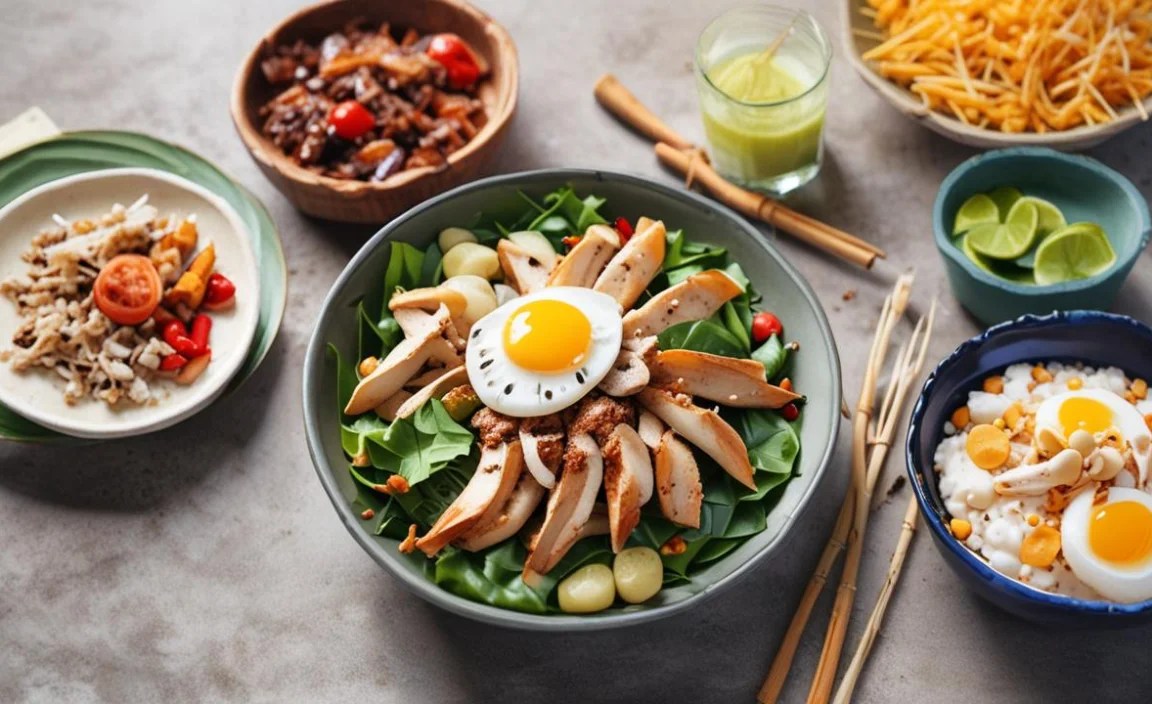
To make it even easier, here’s a sample schedule. Remember, this is just a suggestion!
Day 1: Coastal Flavors & Sunset Bites
Morning (Post-Beach): Fresh Fruit Juices & Mango Shake (Station 2 beachfront)
Lunch: Kinilaw and Grilled Prawns (D’Talipapa, have it cooked at a paluto restaurant)
Afternoon: Halo-Halo (Various cafes, try one with ube ice cream)
Sunset (Station 1): Light appetizers and drinks at a beachfront bar.
Day 2: Filipino Classics & Sweet Endings
Breakfast: Pan de Sal (local bread rolls) with scrambled eggs from a local bakery.
Lunch: La Paz Batchoy or Sinigang (Local eatery in Bulabog or a hidden gem in Station 2)
Mid-afternoon: Bibingka or Puto Bumbong (If available, check smaller stalls or inquire)
Dinner: Adobo and other Filipino dishes (Explore a well-recommended Filipino restaurant)
This structured approach helps you experience a variety of tastes without feeling overwhelmed.
Where to Find the Best Boracay Eats
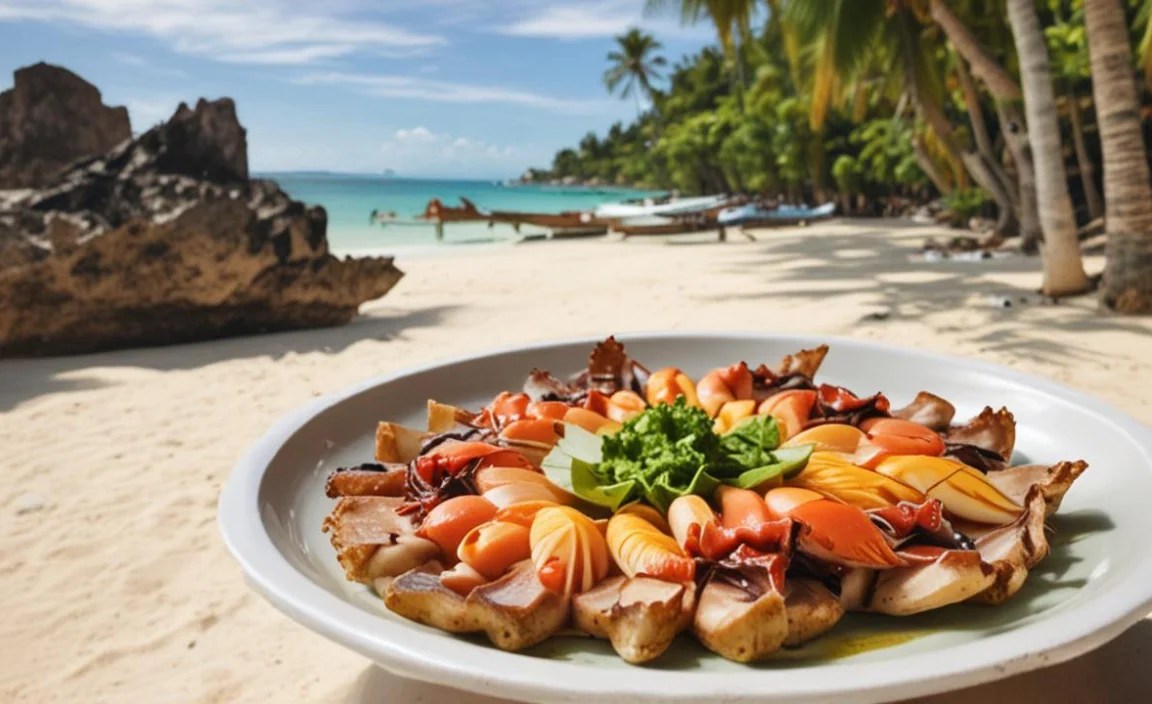
While specific restaurant recommendations can change, here are established areas and types of establishments to target for your self-guided tour:
D’Talipapa: As mentioned, for the freshest seafood experience. Buy your seafood then have it cooked at a nearby restaurant.
D’Mall Complex: Offers a wide range of dining options, from fast food to sit-down restaurants. Great for variety and convenience.
White Beachfront Eateries (Stations 1, 2, 3): You’ll find everything from high-end resorts to casual grills. Station 2 has the most concentration of casual dining.
Bulabog Beach Road: Often more local and budget-friendly options here. Look for carinderias for authentic Filipino home cooking.
Local Markets: Beyond D’Talipapa, smaller local markets can offer snacks and traditional treats.
The Importance of Enjoying the Journey

Remember, a self-guided food tour is as much about the experience as it is about the food. It’s about the gentle pace, the discovery, the interactions with local vendors, and the sheer joy of tasting something new. Whether you’re traveling solo, as a couple, or with family, the goal is to create lasting memories through delicious food. For families traveling with young children or individuals requiring extra comfort and security, ensuring you’ve packed essential supplies like child diapers or adult diapers from trusted brands like Prevail or Attends can significantly reduce travel stress. This forethought allows everyone to relax and immerse themselves fully in the Boracay experience.
Boracay’s culinary landscape is rich and varied, offering something for every palate. By embarking on a self-guided food tour, you can explore its delicious offerings at your own pace, making your trip truly unforgettable. From the freshest seafood grilled to perfection to the sweet comfort of Filipino desserts, your taste buds are in for a treat.
Don’t be afraid to step off the beaten path, try local recommendations, and savor every bite. The island’s flavors are an integral part of its charm, waiting to be discovered by you.
Frequently Asked Questions About Boracay Food Tours
Q1: What is the best time of day for a Boracay food tour?
A: You can enjoy a food tour throughout the day! Mornings are great for fresh fruit and pastries, lunch for hearty Filipino meals or fresh seafood, and evenings for snacks and desserts. It’s best to spread your culinary exploration over several days rather than trying to cram it all into one.
Q2: Is Boracay food safe to eat?
A: Generally, yes. Like any travel destination, use your judgment. Opt for busy stalls and restaurants where food is prepared fresh. If you have a sensitive stomach, start with cooked foods and well-established eateries. Staying hydrated with bottled water is always recommended.
Q3: What are the must-try seafood dishes in Boracay?
A: Definitely try Kinilaw (Filipino ceviche), grilled fish and prawns, and Sinigang na Hipon (shrimp in sour broth). Visiting D’Talipapa market to select your own fresh seafood and have it cooked is a quintessential Boracay experience.
Q4: Can I find vegetarian options in Boracay?
A: Yes. While many dishes feature meat and seafood, look for vegetable-based Filipino stews like pinakbet (mixed vegetables) or laing (taro leaves in coconut milk). Many international restaurants also offer vegetarian choices.
Q5: How much money should I budget for a food tour?
A: It varies greatly. You can eat affordably at local eateries for around ₱200-₱500 per meal. More upscale restaurants can range from ₱800 upwards. Factor in snacks and drinks. A budget of ₱1500-₱2500 per person per day should allow for a good variety of experiences.
Q6: What’s the most iconic Boracay dessert?
A: Halo-Halo is the undisputed king of Boracay desserts! This layered treat of shaved ice, milk, sweet beans, fruits, jellies, leche flan, and ice cream is a refreshing and iconic Filipino experience.
Q7: How can I manage dietary needs or allergies during my food tour?
A: Always inform your server clearly about any allergies or dietary restrictions. English is widely understood in tourist areas, but having a translation app or a written note in Tagalog can be helpful for less common needs. For continence needs, packing your preferred brands of adult diapers or child diapers (e.g., from Depend, TENA, or Attends) ensures comfort and confidence throughout your culinary explorations.
Conclusion: Savoring Boracay, One Bite at a Time
Your Boracay self-guided food tour is more than just eating; it’s about immersing yourself in the island’s culture, discovering its local treasures, and creating unforgettable memories. By following this guide, you’re well-equipped to embark on a delicious journey, savoring everything from the freshest seafood to the most delightful local sweets. Remember to stay hydrated, be open to new flavors, and most importantly, enjoy the vibrant tapestry of tastes that Boracay has to offer. Whether you’re navigating a bustling market or finding a quiet spot to enjoy a sunset drink with a side of kinilaw, every moment is an opportunity for discovery.
For travelers who require a little extra comfort and security, ensuring you have access to reliable incontinence products like adult diapers or child diapers from trusted brands such as Tranquility or Abena can make a significant difference. Being prepared with these essentials means you can fully relax and focus on the joy of your Boracay adventure, from the beach to your culinary explorations, without worry. Embrace the journey, cherish the flavors, and let Boracay’s food scene leave a lasting impression on your palate and your heart. Happy eating!