This guide provides essential advice on packing, activities, transportation, and staying warm. We’ll cover everything you need for a comfortable and fun visit to Boston during its coldest months, ensuring a stress-free experience for solo travelers, families, and those needing extra travel convenience.
Visiting Boston in the winter can be a magical experience. Snowfall often blankets the historic cobblestone streets, creating a picturesque scene. However, the cold can also be a challenge if you’re not prepared. Many travelers worry about being too cold, not knowing what to pack, or how to get around when the weather turns. This essential Boston winter trip guide is here to help. We’ll break down everything you need to know, step by step, so you can enjoy the beauty and charm of Boston without the chill or the worry. Get ready to plan your perfect winter getaway!
Why Boston in Winter?
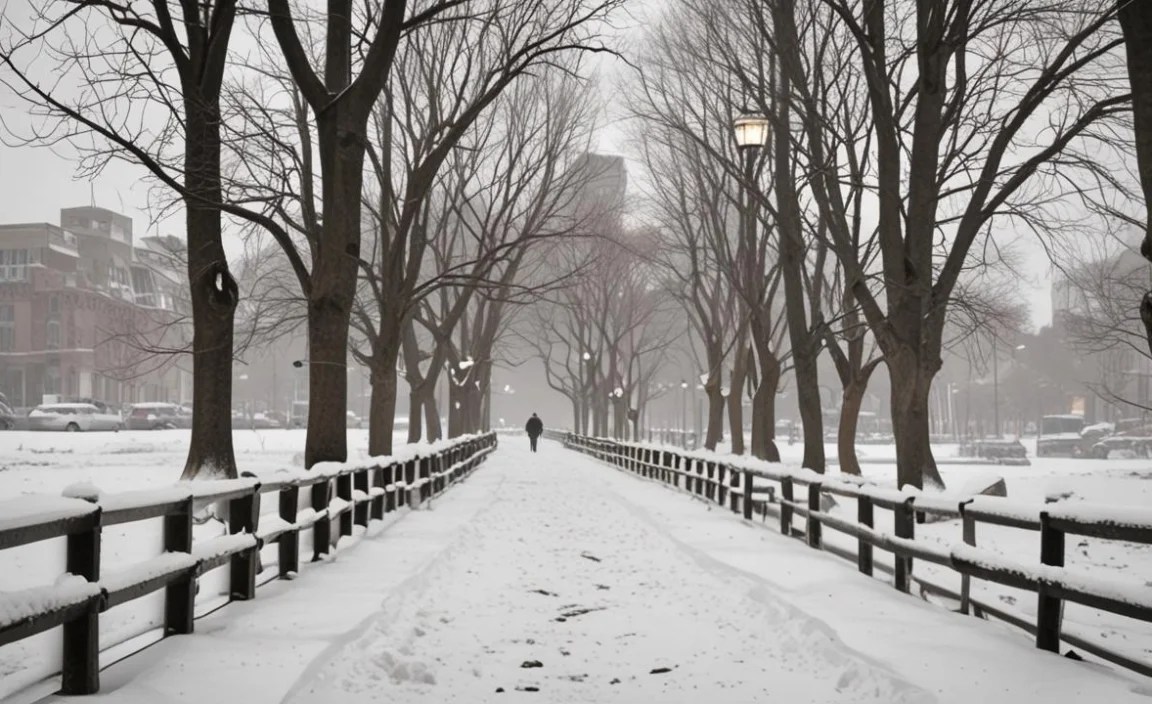
While some might shy away from colder climates, Boston in winter offers a unique charm that’s hard to resist. Imagine strolling through historic neighborhoods dusted with snow, warming up with a steaming cup of clam chowder, or enjoying festive holiday markets. It’s a season of cozy indoor activities, fewer crowds than in peak summer months, and a chance to experience the city’s rich history in a quieter, more intimate setting. From world-class museums and theaters to charming cafes and ice skating rinks, Boston truly shines, even when the temperature drops. Preparing properly ensures you can embrace all these winter wonders.
Your Essential Boston Winter Trip Checklist

Packing correctly is the key to enjoying Boston in the winter. The weather can be unpredictable, with temperatures often hovering around freezing and occasional snowstorms. Layering is your best friend. Think warmth, comfort, and practicality. Don’t forget about essential items that can make a big difference in your overall travel experience, especially if you need to manage personal care items discreetly and comfortably.
I. What to Pack: The Ultimate Winter Wardrobe
When packing for Boston in winter, focus on layers. This allows you to adjust your clothing based on indoor heating or changing outdoor temperatures.
Base Layers:
- Thermal Underwear: Long-sleeved shirts and long johns made of merino wool or synthetic materials are ideal for trapping heat.
- Moisture-Wicking Socks: Opt for wool or synthetic blends to keep your feet dry and warm, preventing blisters and discomfort.
Mid Layers:
- Fleece or Wool Sweaters: These provide excellent insulation without being too bulky.
- Long-Sleeve Shirts: Cotton or flannel shirts can be comfortable for milder days or as an extra layer indoors.
Outer Layers:
- Waterproof and Windproof Jacket: A heavy-duty, insulated winter coat is essential. Look for features like a hood, waterproof exterior, and good insulation.
- Water-Resistant Pants: Insulated and water-resistant pants are best for walking outdoors, especially if snow is expected. Jeans can work if layered with thermals on drier days.
Footwear:
- Waterproof, Insulated Boots: Good tread is crucial for navigating potentially icy sidewalks. Make sure they’re comfortable for walking.
- Comfortable Walking Shoes: For indoor exploration or milder days, bring comfortable shoes. Ensure they don’t soak easily.
Accessories:
- Warm Hat: A hat that covers your ears is vital for retaining body heat.
- Gloves or Mittens: Waterproof and insulated gloves are a must. Mittens are generally warmer than gloves.
- Scarf or Neck Gaiter: A thick scarf or a neck gaiter will protect your face and neck from the wind.
- Lip Balm with SPF: Protect your lips from cold, dry air.
- Moisturizer: Cold weather can dry out your skin significantly.
II. Comfort and Convenience: Beyond the Clothing
As Michael C. Herrera from Journey Essentials, I always emphasize comfort and seamless travel. For those who might need discreet personal care solutions, carrying adult or child diapers can significantly enhance your experience, especially on long days of exploring or during travel. Modern products are highly absorbent and comfortable, allowing you to focus on enjoying Boston without worry. Always pack a few extra in a discreet travel bag; it’s better to have them and not need them than the other way around.
Here are some items to consider:
- Small Backpack or Crossbody Bag: For carrying essentials like your phone, wallet, a small water bottle, and any personal care items.
- Reusable Water Bottle: Staying hydrated is important, even in cold weather.
- Portable Phone Charger: Keep your devices powered up for navigation and photos.
- Small First-Aid Kit: For minor cuts or blisters.
- Hand Warmers: A small luxury that can make a big difference on a very cold day.
Navigating Boston in the Winter: Getting Around

Boston has a robust public transportation system that is your best friend during winter. Driving can be challenging due to snow, ice, and parking difficulties. The Massachusetts Bay Transportation Authority (MBTA), often called “the T,” offers a convenient way to see the city.
Using the MBTA (The T):
The T includes subways (the “Trolley Lines” – Red, Green, Blue, Orange, and the Silver Line bus rapid transit), buses, and commuter rail. For most tourist activities, the subway lines are your primary transport.
Tips for using the T in winter:
- Purchase a CharlieCard or CharlieTicket: These are rechargeable fare cards. A CharlieCard is a reusable plastic card, while a CharlieTicket is a disposable paper ticket. You can buy them at fare vending machines in most subway stations.
- Use a Trip Planner: The MBTA website and apps like Citymapper or Google Maps provide real-time schedules and trip planning. Check the MBTA official website for service alerts, as winter weather can sometimes cause delays or disruptions.
- Be Prepared for Walking: While the T is great, you’ll likely still do a fair amount of walking between stations and your destinations. Ensure your footwear is suitable.
- Indoor Stations: Most T stations offer shelter, but some stops are outdoors. Be mindful of this when planning brief walks to your train or bus.
Walking and Ride-Sharing:
When the weather is pleasant, walking is a fantastic way to explore Boston’s historic neighborhoods. However, ensure sidewalks are clear of ice and snow. For longer distances or when the weather is poor, ride-sharing services like Uber and Lyft are readily available. Taxis are also an option, though often more expensive.
Top Boston Winter Activities and Attractions

Boston is packed with world-class attractions that are perfect for a winter visit. Cozy museums, historic sites, and festive events offer plenty to do, regardless of the weather.
I. Indoor Escapes: Cultural Richness and Warmth
- Museums:
- Museum of Fine Arts (MFA): Spend hours exploring vast collections of art.
- Isabella Stewart Gardner Museum: A unique Venetian-style palace filled with art and historical artifacts.
- Museum of Science: Interactive exhibits make it fun for all ages.
- Aquarium: The New England Aquarium is a fantastic place to escape the cold and see marine life.
- Historic Sites:
- Freedom Trail: While the trail is outdoors, many of its key sites are indoors and offer guided tours, such as Faneuil Hall Marketplace, Old North Church, and the Paul Revere House. You can visit these in segments and warm up in between.
- Boston Public Library: Admire the stunning architecture of the McKim Building, especially the Bates Hall reading room.
- Theater District: Catch a Broadway show, a play, or a concert.
II. Outdoor Winter Charm (If You’re Dressed for It!):
- Boston Common and Public Garden: A beautiful sight when covered in snow. You can even go ice skating at the Frog Pond on the Boston Common (weather permitting; check operating hours).
- Boston Winter Market (seasonal): During the holiday season, various markets pop up offering crafts, food, and festive cheer.
- Beacon Hill: Wander through charming, gas-lit streets (though be mindful of ice on the cobblestones and hills).
Where to Eat and Drink: Cozy Winter Flavors
No trip to Boston is complete without indulging in its culinary scene. Winter is the perfect time to savor hearty, comforting dishes.
Must-Try Boston Winter Foods:
- New England Clam Chowder: Creamy, rich, and a true classic.
- Lobster Rolls: Even in winter, a taste of the sea is always welcome.
- Baked Beans: A Boston staple, slow-cooked and flavorful.
- Irish Pub Fare: Boston has a strong Irish heritage, and pubs offer hearty stews and traditional dishes.
Recommended Spots:
Boston offers everything from casual pubs to fine dining. Explore the North End for authentic Italian food, or find seafood gems along the waterfront. For a cozy experience, seek out restaurants with fireplaces.
Sample Dining Plan:
Here’s a sample of what you might experience:
| Day | Breakfast Option | Lunch Option | Dinner Option |
|---|---|---|---|
| Day 1 | Local Cafe (e.g., Tatte Bakery & Cafe) | Faneuil Hall Marketplace food stalls (chowder!) | North End Italian Restaurant (e.g., Giacomo’s Ristorante) |
| Day 2 | Hotel or diner (e.g., South Street Diner) | Quincy Market Deli (sandwiches, salads) | Seafood Restaurant (e.g., Neptune Oyster) |
| Day 3 | Brunch Spot (search for a good weekend brunch) | Kenmore Square Pub (burgers, pub fare) | Back Bay Restaurant (diverse options with atmosphere) |
Practical Tips for a Stress-Free Boston Winter Trip
Beyond packing and getting around, there are a few more things to keep in mind for a smooth winter visit.
Weather Preparedness:
- Check the Forecast Daily: Weather in Boston can change rapidly. Be prepared for snow, ice, wind, and even sunny days that are still frigid. The National Weather Service provides reliable NWS Boston forecasts.
- Hydration is Key: Even if you don’t feel thirsty, the cold, dry air will dehydrate you. Keep sipping water.
- Pace Yourself: Don’t try to cram too much into one day, especially if the weather is harsh. Allow for extra time to get between places and take breaks indoors.
Health and Well-being:
- Vitamin D: Shorter days and less sun exposure can impact mood and energy. Consider a Vitamin D supplement.
- Personal Care Assurance: If you require adult or child diapers for extended travel or peace of mind, remember to pack enough. Many travel-sized packs are available that are discreet and easy to carry in your day bag. This ensures comfort and confidence throughout your explorations.
Safety:
- Be Aware of Ice: Sidewalks and streets can be icy. Walk carefully, especially on hills or uneven surfaces.
- Stay Informed: Keep an eye on local news for any weather advisories or traffic updates, especially during snowstorms.
Frequently Asked Questions About Visiting Boston in Winter
Q1: What are the average temperatures in Boston during winter?
A1: Winter in Boston generally runs from December to February. Average temperatures are typically between 25°F and 40°F (-4°C to 4°C). However, with wind chill, it can feel much colder, and occasional drops below 0°F (-18°C) can occur during cold snaps.
Q2: Is it too cold to visit Boston in winter?
A2: Whether it’s too cold is subjective, but with the right clothing and preparation – especially layering, warm outerwear, and waterproof boots – you can comfortably enjoy Boston’s attractions. Many activities are indoors, making it a great winter destination.
Q3: What’s the best way to get around Boston in winter?
A3: The MBTA subway system (the “T”) is generally the most efficient and reliable way to travel. Driving is discouraged due to snow, ice, and difficult parking. Walking is great for short distances on clear days, and ride-sharing services are available.
Q4: Do I need to pack specific types of shoes for a Boston winter trip?
A4: Yes, waterproof and insulated boots with good traction are essential for walking on potentially icy or snowy sidewalks. Comfortable walking shoes are also good for indoor activities.
Q5: Are there unique holiday events in Boston during winter?
A5: Yes, Boston has many festive events, especially from late November through December. These can include tree lightings, holiday markets, the Enchanted Village at the Boston Common, and special performances like “The Nutcracker.”
Q6: What kind of food should I try in Boston during winter?
A6: For cozy winter flavors, be sure to try New England Clam Chowder, baked beans, and hearty seafood dishes. Irish pubs also offer delicious stews and comforting fare.
Q7: How can I stay comfortable if I need to use discreet personal care items like adult or child diapers during my trip?
A7: Pack enough discreetly packaged adult or child diapers for your stay. Travel-sized packs are convenient for your day bag. Modern products offer excellent absorbency and comfort, allowing you to explore freely without worry.
Conclusion: Embrace the Boston Winter Magic
A winter trip to Boston can be an unforgettable experience, filled with history, culture, and cozy charm. By focusing on smart packing with layers, understanding how to navigate the city using the MBTA, and knowing what exciting indoor and outdoor activities await, you’re well on your way to a fantastic getaway. Remember to check the weather forecast daily, stay hydrated, and embrace the unique beauty that winter brings to this historic city. With the right preparations, including ensuring you have all your personal comfort needs met, like discreet travel-ready adult or child diapers, you can relax and fully immerse yourself in all that Boston has to offer. So, pack your warmest layers, your sense of adventure, and get ready to discover the magic of Boston in the winter!