Planning a quick trip to Botswana might seem tricky, but it doesn’t have to be. Many travelers worry about fitting the highlights into just three days. It’s completely understandable to feel overwhelmed when you want to experience the best of a place on a short timeline. This guide is crafted to give you a clear, step-by-step plan. We’ll show you how to make the most of your 72 hours. Get ready for an unforgettable journey with essentials covered!
Botswana is a land of incredible wildlife and stunning landscapes. While it’s famously known for its vast, luxurious safaris, a 3-day trip can still offer a truly memorable experience. This itinerary focuses on maximizing your time and immersing you in the heart of Botswana’s natural beauty and culture, with practical tips to ensure comfort and ease every step of the way.
Your Essential Botswana 3-Day Itinerary: A Quick Guide

Planning a trip to Botswana, even a short one, can feel exciting and a little daunting. For a 3-day adventure, focusing on one or two key areas is crucial to avoid feeling rushed. This itinerary is designed for beginners, ensuring you experience the essence of Botswana without the stress of over-planning. We’ll cover accessible wildlife viewing and a touch of local culture, keeping comfort and practicality at the forefront.
Why 3 Days?
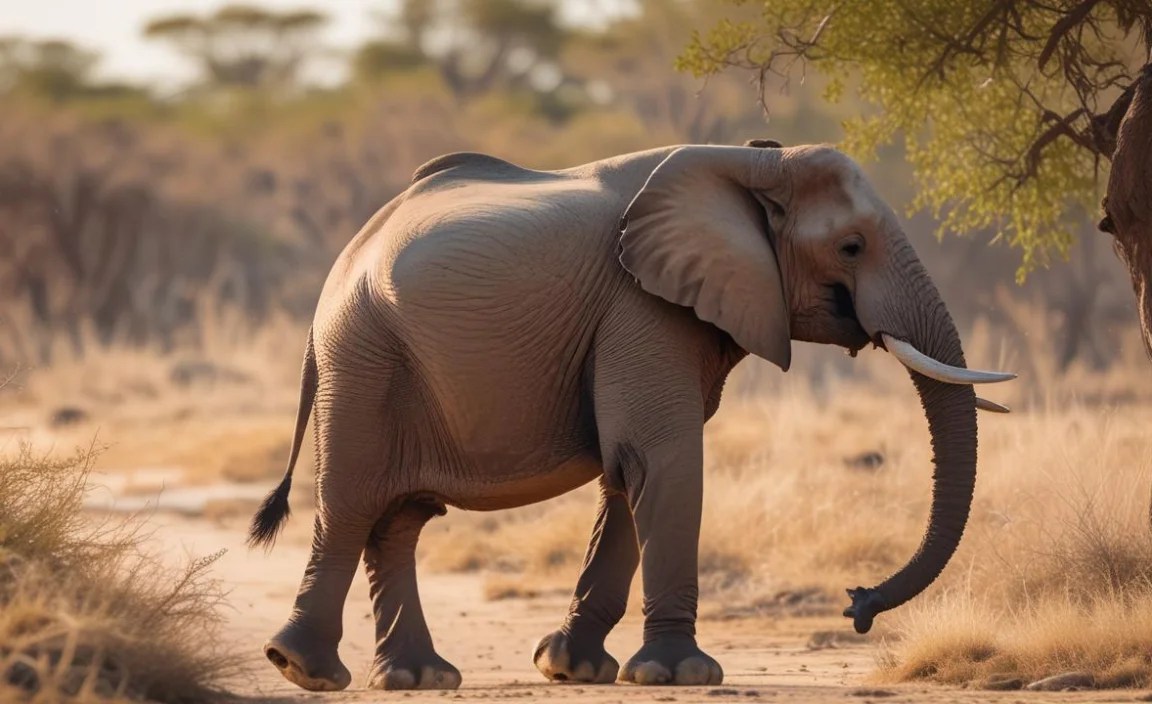
A 3-day trip is perfect for those with limited time who still want a taste of Botswana’s magic. It’s ideal for long weekends, short breaks, or as a stopover. This itinerary assumes you’re arriving and departing from a major gateway like Maun, which is the bustling hub for safaris in the Okavango Delta region.
Traveler Focus:
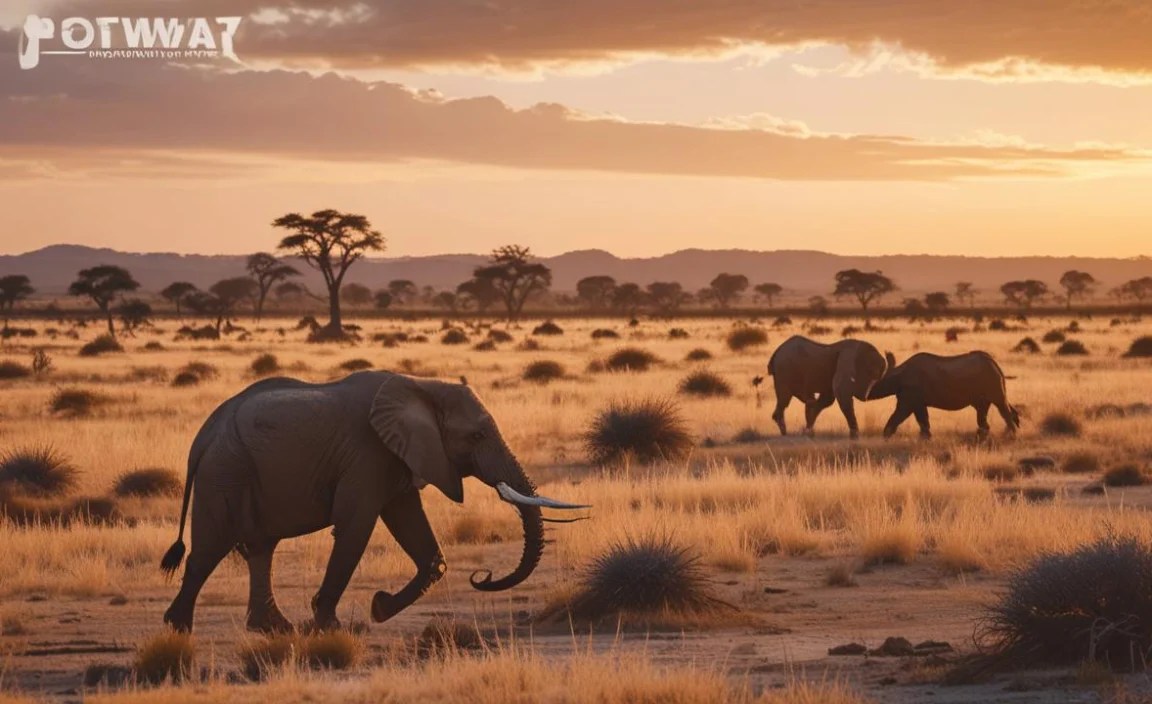
This plan is for everyone – solo adventurers, couples, and families. We’ve considered ease of access, popular wildlife sightings, and the overall experience. For families traveling with young children or individuals who might need extra convenience, remember to pack essentials like comfortable clothing and any necessary personal care items, such as adult or child diapers, to ensure a stress-free journey. Knowing you have these basics sorted allows you to relax and enjoy the adventure.
Day 1: Arrival in Maun & Gateway to the Okavango Delta

Your Botswana adventure begins the moment you land in Maun. This vibrant town serves as the primary gateway to the world-renowned Okavango Delta. Even with just three days, you can experience the thrill of this unique ecosystem.
Morning: Arrival in Maun & Safari Briefing
Upon arrival at Maun International Airport (MUB), you’ll be met by your pre-arranged transfer. The key to a short trip is pre-booking. This ensures seamless transfers and maximizes your time on the ground.
Your lodge or safari operator will likely provide a briefing on your upcoming activities. This is a great time to ask any last-minute questions.
Essential Tip: Pack light and smart. Quick-drying clothing, neutral colors, and comfortable walking shoes are must-haves. If you’re traveling with family, consider packing extra changes of clothes, and for instances where facilities are limited or for longer excursions, discreet personal care items like child diapers can offer significant peace of mind.
Afternoon: Mokoro Excursion into the Delta
Your first taste of the Okavango Delta will likely be a mokoro excursion. A mokoro is a traditional dug-out canoe, poled by a trained guide. This is an incredibly peaceful way to explore the shallow waterways and floodplains.
You’ll glide through the channels, observing wildlife at eye level. This is your chance to see hippos, crocodiles, a variety of birdlife, and if you’re lucky, elephants and antelopes coming to drink.
Comfort Focus: Wear a wide-brimmed hat and apply sunscreen. Bring binoculars for closer views and a waterproof bag for your essentials. Your guide will navigate you safely, allowing you to relax and absorb the surroundings.
Evening: Sunset & Wildlife Spotting
As the sun begins to set, your guide will find a scenic spot for you to disembark and enjoy the breathtaking African sky. This is often accompanied by sundowner drinks and snacks.
After sunset, you might return to your lodge, or some operators offer a short evening game drive back to camp, where you can look for nocturnal creatures.
Dinner: Enjoy a delicious meal at your lodge, often served under the stars. This is the perfect time to recount the day’s sightings and prepare for tomorrow.
Day 2: Exploring the Okavango Delta & Wildlife Encounters
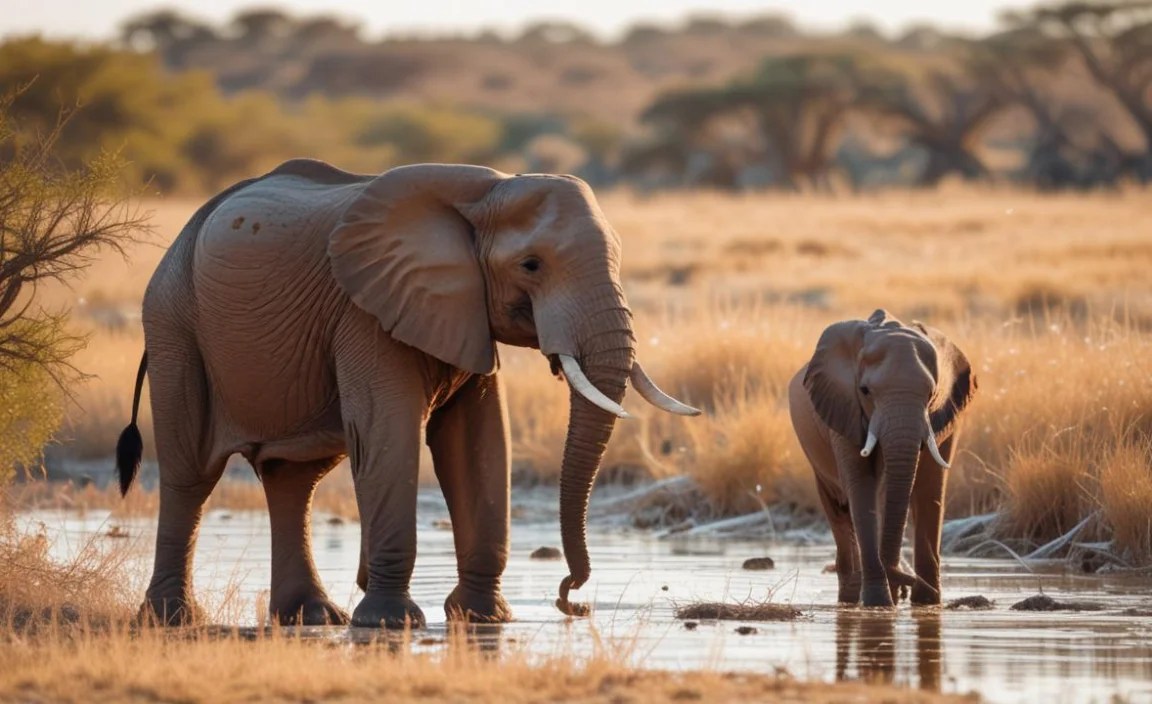
Day two is all about diving deeper into the Okavango Delta’s incredible biodiversity. Whether on land or water, the wildlife encounters promise to be unforgettable.
Morning: Game Drive or Walking Safari

Depending on your lodge’s location and the water levels, you’ll choose between a morning game drive or a guided walking safari.
Game Drive: This is conducted in an open 4×4 safari vehicle, allowing you to cover more ground and search for larger mammals like lions, leopards, cheetahs, elephants, buffalos, and zebras. Your experienced guide will use their knowledge of animal behavior to track and find wildlife.
Walking Safari: For a more intimate connection with nature, a guided walk offers a unique perspective. Your guide will teach you about the smaller details – the tracks, the plants, the insects – and you might encounter animals at close range in a controlled and safe manner.
Packing for Wildlife: Always carry water, a camera, and your essential personal items. For parents traveling with younger children, having discreet and comfortable adult or child diapers readily available ensures that any unexpected needs don’t disrupt the safari experience. It’s about preparedness for a smooth adventure.
Midday: Relaxation and Bush Lunch
Return to your lodge for a late breakfast or lunch. Many lodges offer fantastic viewing decks or comfortable common areas where you can relax and enjoy the sounds of the bush.
Some operators might arrange a bush lunch, a truly special experience served in a scenic location within the concession.
Afternoon: Exploring Floodplains or Another Mokoro Trip

Depending on the season and the water levels, you might have another opportunity to explore the Delta’s waterways by mokoro, or perhaps a Boat Safari if your lodge is situated on a larger channel. Boat safaris are excellent for larger water birds and spotting hippos and crocodiles from a safe distance.
Alternatively, if you opted for a walking safari in the morning, today might be your game drive day, or vice versa. The goal is to experience the Delta from different angles.
Evening: Sundowners and Stargazing
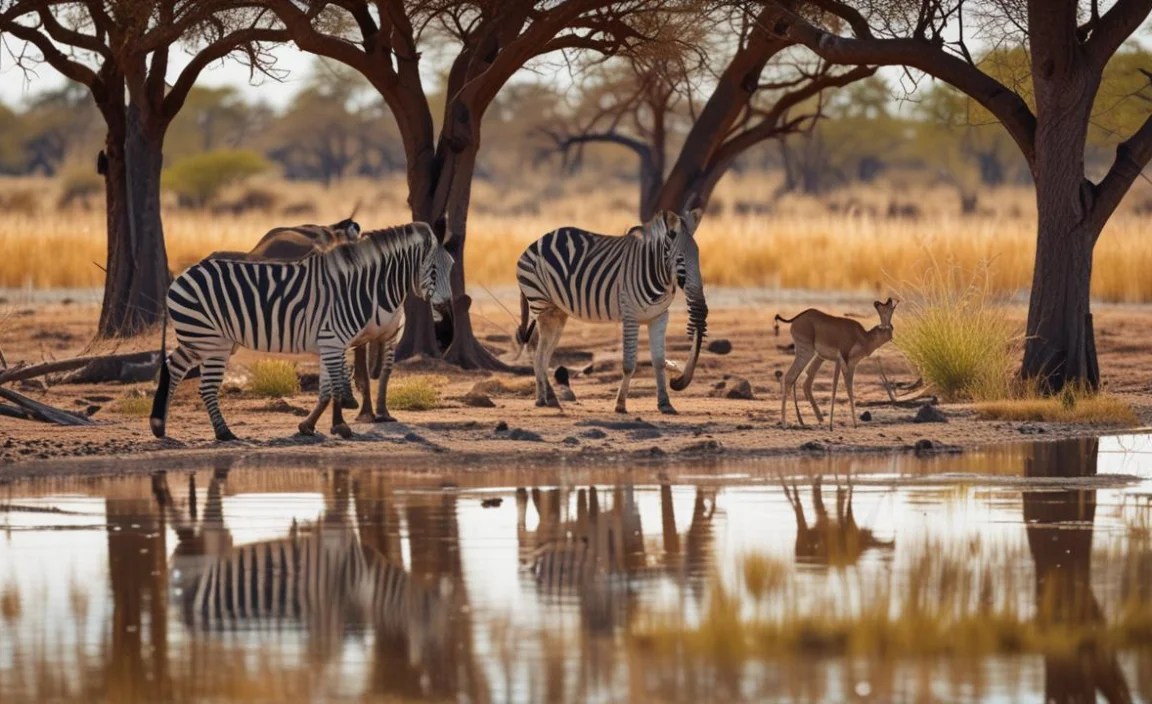
Enjoy another stunning sunset, perhaps from a different vantage point. Botswana has incredibly clear skies, making stargazing a magical experience.
Dinner: Savour another delightful meal, sharing stories of the day’s wildlife sightings.
Day 3: Cultural Immersion & Departure from Maun

Your final day offers a chance to connect with the local culture before heading home, leaving you with a well-rounded impression of Botswana.
Morning: Visit a Local Village or Craft Market

To understand Botswana beyond its wildlife, a visit to a local village offers insight into the daily lives of its people. You can learn about traditional crafts, farming, and community life.
Alternatively, explore the craft markets in Maun. This is a great opportunity to purchase authentic souvenirs, such as woven baskets, wooden carvings, or beaded jewelry. Supporting local artisans is a wonderful way to give back.
Cultural Etiquette: Dress modestly when visiting villages. Always ask permission before taking photos of people. A small gift of school supplies for children or appreciated by the village elders can be a thoughtful gesture.
Late Morning: Transfer Back to Maun
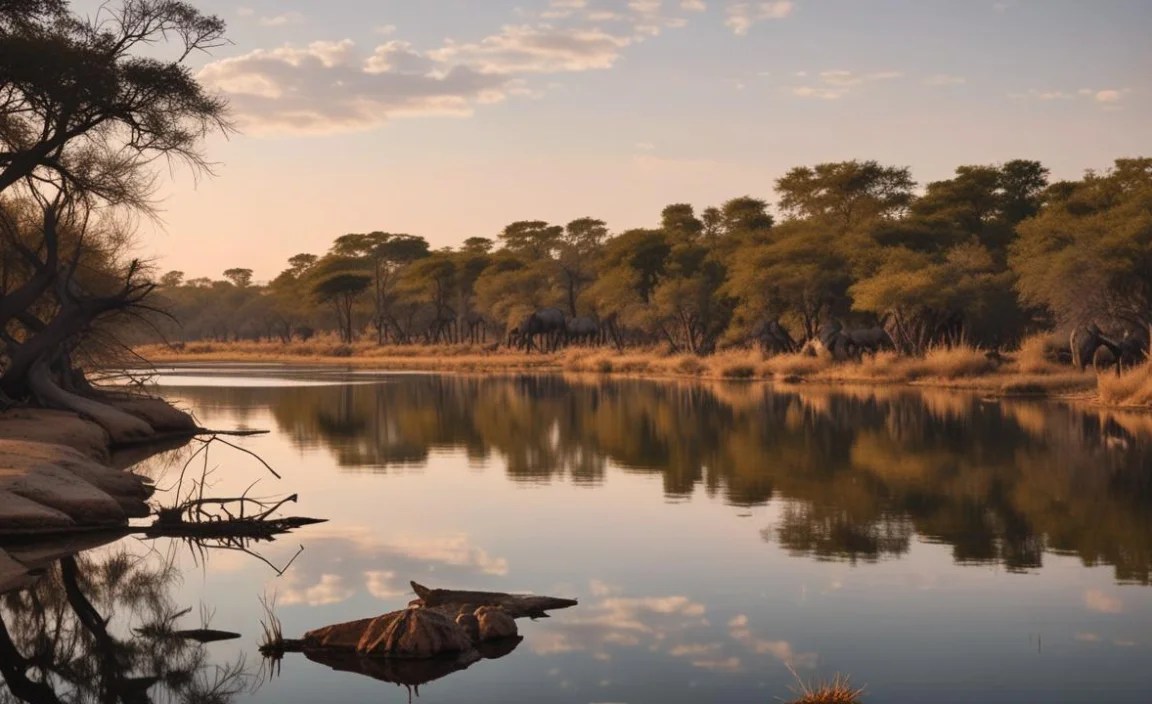
Enjoy a final breakfast at your lodge and take in the last moments of the bush.
Your transfer will take you back to Maun International Airport (MUB) for your onward journey. Allow ample time for the transfer and airport procedures.
Departure: Depart from Maun, filled with incredible memories of your Botswana adventure.
Practicalities for Your 3-Day Botswana Trip
When planning any trip, especially a short one, being prepared makes all the difference. For Botswana, this means understanding the climate, packing essentials, and knowing about local customs.
Packing Essentials List
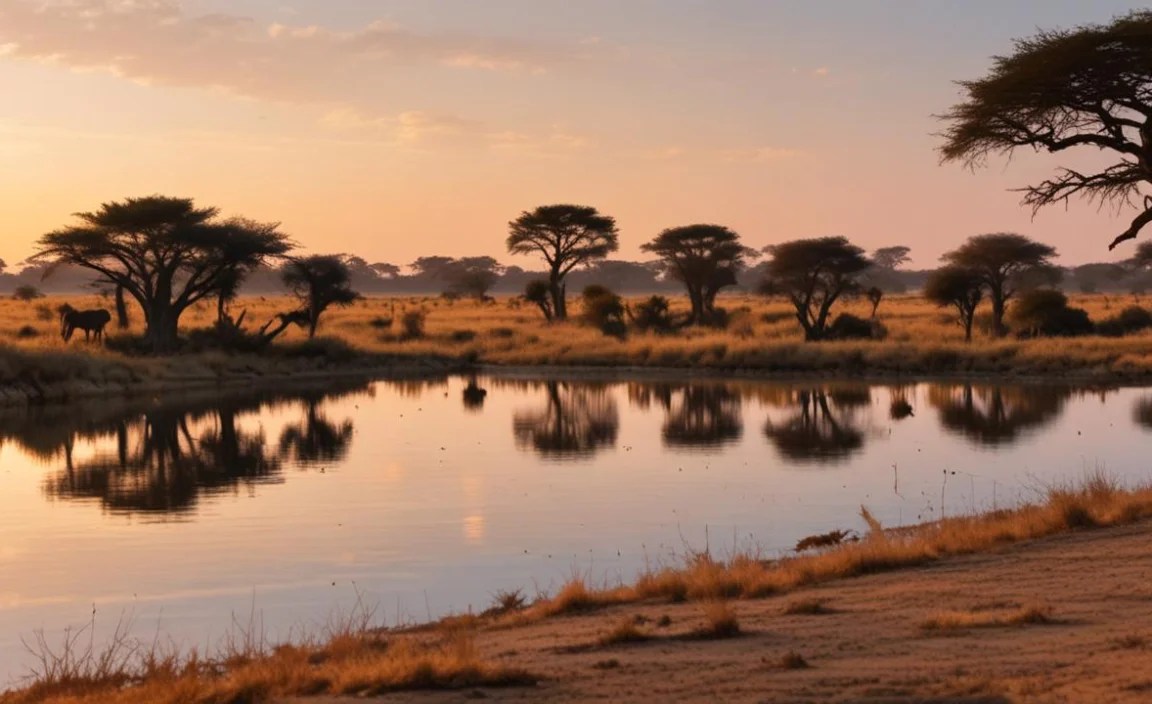
Here’s a breakdown of items that are crucial for your comfort and enjoyment.
Clothing:
Lightweight, breathable clothing in neutral colors (khaki, beige, olive green).
Long-sleeved shirts and trousers for sun protection and insect repellent in the evenings.
A warm fleece or jacket for cool mornings and evenings.
Comfortable walking shoes or hiking boots.
Sandals or flip-flops for relaxing at the lodge.
Swimsuit (many lodges have pools).
Health & Safety:
High SPF sunscreen and after-sun lotion.
Insect repellent with DEET.
Basic first-aid kit (band-aids, antiseptic wipes, pain relievers, medication for stomach issues).
Any personal prescription medications.
Hand sanitizer.
For Families & Special Needs: For travelers with young children or those who require them, discreet and comfortable adult diapers or child diapers are essential for peace of mind. Knowing you have reliable personal care items means you can focus on the adventure, not worry about logistics. Pack more than you think you’ll need, just in case.
Gear:
Binoculars for wildlife viewing.
Camera with extra batteries and memory cards.
Power bank or portable charger.
Adapter for electronics (Botswana uses Type D and Type G plugs).
Reusable water bottle.
A small backpack for day trips.
Wide-brimmed hat for sun protection.
Sunglasses.
Headlamp or small flashlight for moving around camps at night.
Accommodation Options
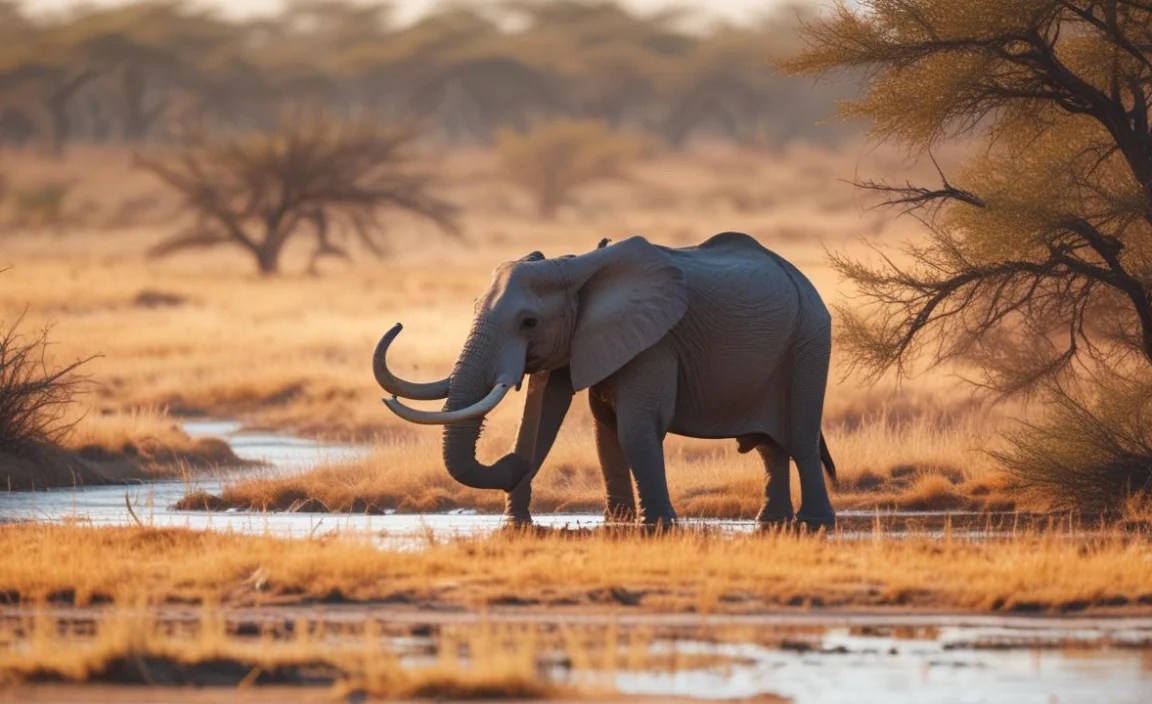
For a 3-day trip, staying at a lodge close to Maun or within the accessible parts of the Okavango Delta is recommended.
Luxury Safari Lodges: Offer all-inclusive packages, guided activities, and high levels of comfort. These are ideal for a short, immersive experience.
Mid-Range Lodges: Provide comfortable stays with guided activities, offering great value.
Campsites: For the more adventurous and budget-conscious, though less practical for a very short, first-time visit focused on ease.
Note on Transfers: Most lodges will arrange transfers from Maun airport. For a 3-day trip, investing in these pre-booked transfers is highly recommended to save time and hassle.
Best Time to Visit

Botswana can be visited year-round, but the experience varies:
Dry Season (May to October): This is the most popular time. Water levels in the Delta are at their highest, concentrating wildlife around permanent water sources. Game viewing is excellent, and the weather is generally pleasant. However, it can be cooler in the mornings and evenings.
Wet Season (November to April): The landscape is lush and green, offering incredible photographic opportunities. This is the calving season for many animals. Birdwatching is superb. However, some roads might become impassable due to rain, and game viewing can be more dispersed. Pack accordingly for potential rain.
Sample Budget Considerations for a 3-Day Trip
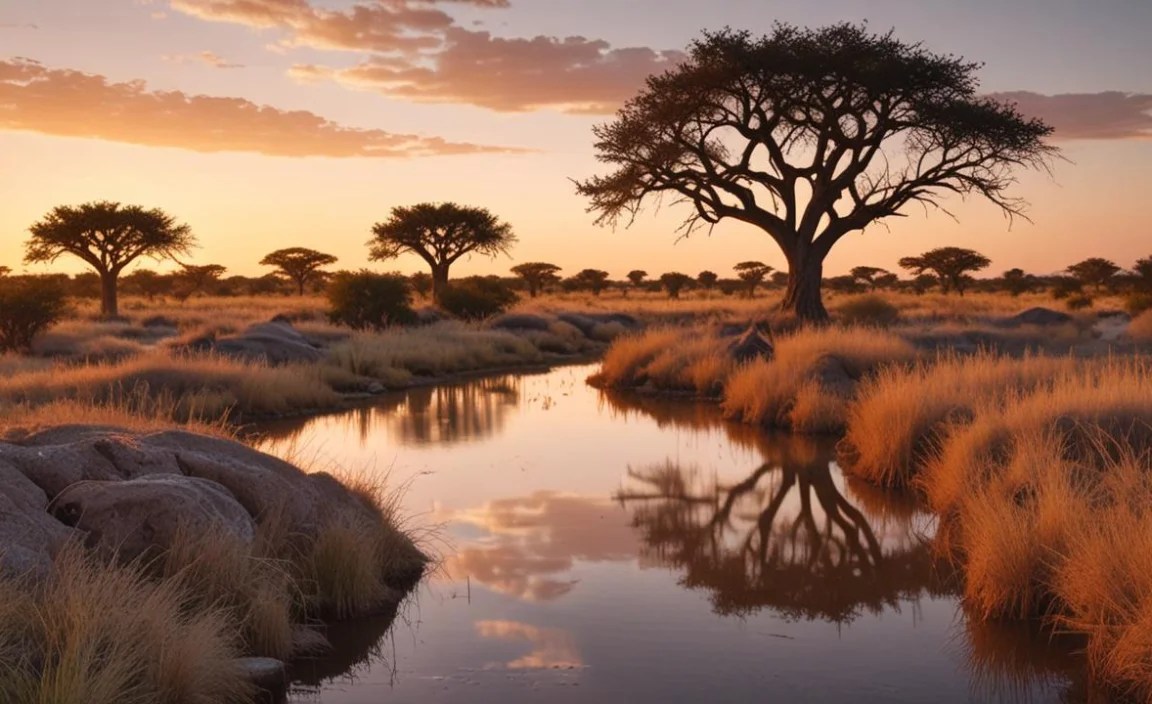
While Botswana is known for its high-end safaris, a 3-day trip can be more manageable. Here’s a general idea of costs, keeping in mind that prices vary significantly based on lodge choice and season.
| Category | Estimated Cost (USD) | Notes |
| Flights | $800 – $1500+ | International flights to Maun (MUB) or Kasane (BBK). Varies greatly by origin. |
| Transfers | $150 – $300 | Round trip from Maun airport to your lodge. |
| Accommodation | $600 – $1500+ | 2 nights in a mid-range to luxury safari lodge. Mid-range can be around $300/night, luxury $750+/night. |
| Activities | $300 – $700 | Mokoro trips, game drives, walking safaris (often included in lodge rates). |
| Park Fees | $50 – $100 | Per person, per day (if not included in lodge package). |
| Food & Drinks | $100 – $200 | If not all-inclusive. Sundowner drinks can add up. |
| Souvenirs | $50 – $200+ | Optional. |
| Miscellaneous | $50 – $100 | Tips, small personal items. |
| Total Estimated | $2050 – $4600+ | Per person, excluding international flights and highly dependent on lodge choice. |
Budget-Saving Tips:
Travel in the shoulder season: You might find better deals.
Look for all-inclusive packages: These often provide the best value, bundling accommodation, meals, and activities.
Consider lodges closer to Maun: Logistical costs and time for transfers might be lower.
Understanding Botswana’s Wildlife & Conservation Efforts
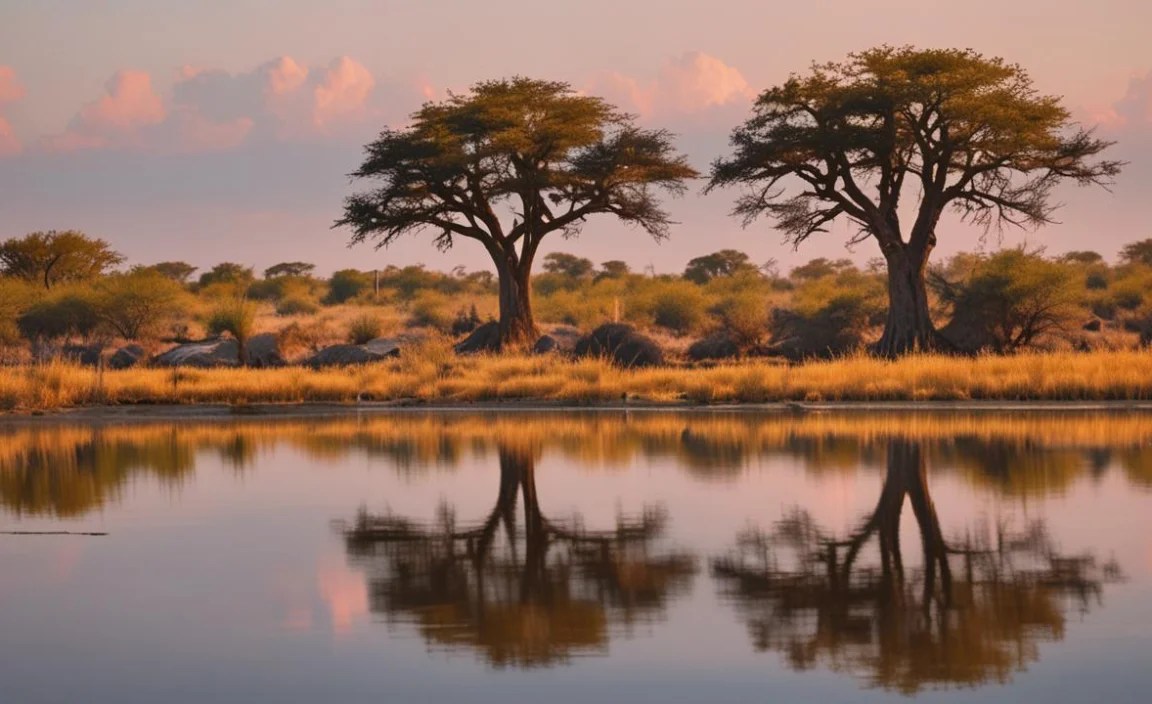
Botswana is a globally recognized leader in wildlife conservation. The country has committed vast areas to national parks and game reserves, with a strong emphasis on low-impact, high-revenue tourism. This model helps fund conservation efforts and supports local communities.
Okavango Delta: A UNESCO World Heritage Site, the Delta is a unique inland delta that floods seasonally, creating a rich mosaic of habitats. This supports an astonishing array of wildlife.
National Parks: Including Chobe National Park, famous for its massive elephant herds, and the Central Kalahari Game Reserve, the second-largest game reserve in the world, offering a very different, arid landscape experience.
Anti-Poaching Units: Botswana has robust anti-poaching initiatives that contribute significantly to the safety of its wildlife.
Community Involvement: Successful conservation in Botswana often involves partnerships with local communities, ensuring they benefit directly from tourism. This creates a powerful incentive for conservation.
How You Can Help:
Choose eco-friendly lodges: Support operators committed to sustainable tourism practices.
Respect wildlife: Never feed animals, keep a safe distance, and follow your guide’s instructions at all times.
Support local crafts: Purchasing authentic souvenirs directly benefits the communities.
Reduce your footprint: Minimize waste, conserve water, and be mindful of your environmental impact.
For more information on conservation efforts and travel guidelines, the Botswana Tourism Organisation is an excellent resource.
Essential Travel Tips for Beginners
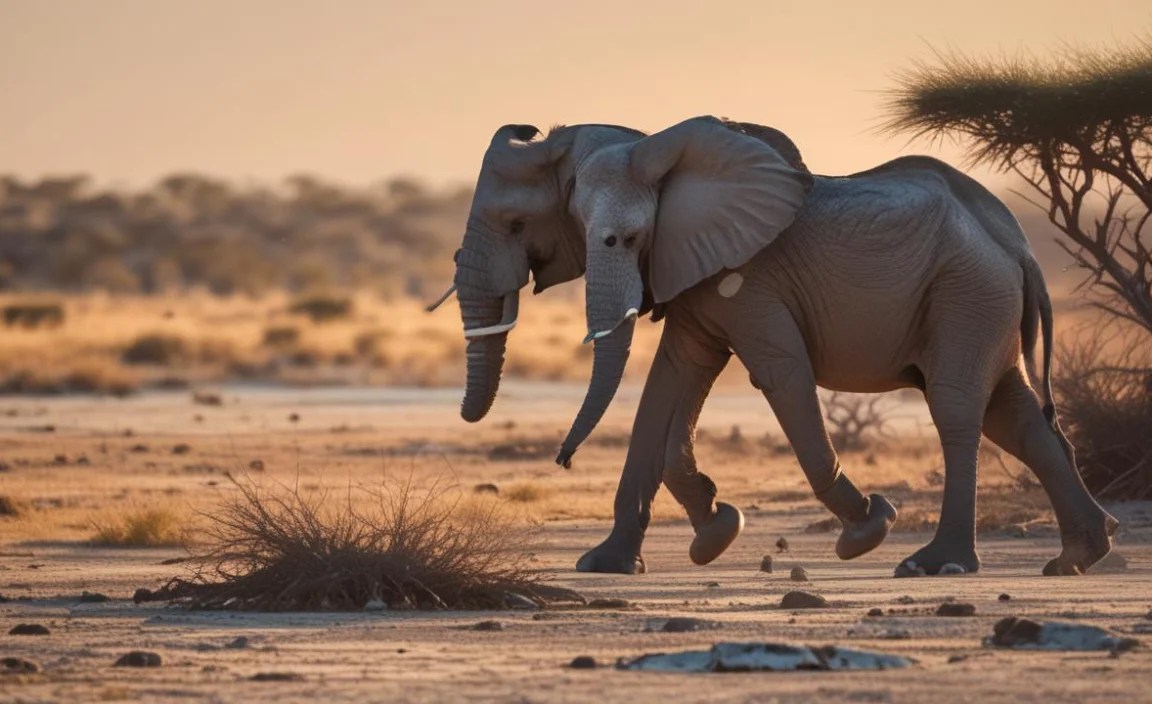
Traveling to a new destination like Botswana can be exciting. Here are a few tips to make your journey smoother, especially if this is your first time.
1. Pre-Booking is Key: For a short 3-day trip, having everything booked in advance – flights, transfers, accommodation, and activities – is crucial. This saves valuable time and ensures you don’t miss out.
2. Stay Hydrated: Botswana is a dry country. Drink plenty of bottled water throughout the day, especially on game drives.
3. Embrace the Slow Pace: While this itinerary is packed, embrace the slower pace of safari life. Relax, observe, and enjoy the moments.
4. Listen to Your Guides: Your guides are highly trained professionals. They know the wildlife, the terrain, and safety protocols. Always follow their advice.
5. Pack for All Weathers: Even in the dry season, mornings and evenings can be surprisingly cool. Layering is your best friend.
6. Connectivity: Wi-Fi can be spotty at some lodges, especially in more remote areas. Consider it a chance to disconnect and immerse yourself in nature. If you need to stay connected, inquire about Wi-Fi availability beforehand.
7. Personal Comfort: If your travel involves being away from immediate facilities for extended periods, or if you have specific personal needs, don’t hesitate to pack all necessary items for comfort and dignity. This includes anything from comfortable adult or child diapers for unexpected needs or extended travel times, ensuring you can focus on enjoying the incredible journey.
Frequently Asked Questions (FAQ)
Q1: Is 3 days enough for Botswana?
A1: While Botswana offers vast experiences, 3 days is enough to get a wonderful taste of the Okavango Delta, especially if you fly directly into Maun. This itinerary provides a focused, fulfilling introduction.
Q2: What’s the best way to get around for a short trip?
A2: For a 3-day trip centered around the Okavango Delta, flying into Maun and using pre-arranged lodge transfers and activities is the most efficient method. This minimizes travel time and maximizes your experience.
Q3: What should I wear on safari?
A3: Pack lightweight, breathable clothing in neutral colors (khaki, beige, olive). Long sleeves and pants are good for sun and insect protection. A warm fleece or jacket is essential for cooler mornings and evenings. Comfortable walking shoes are a must.
Q4: Is it safe to travel to Botswana?
A4: Botswana is considered one of the safest countries in Africa for tourists. Wildlife encounters are managed by experienced guides, and general crime.