Planning a trip to Bolivia on a budget? Expect to spend roughly $30-$60 USD per day per person, covering accommodation, food, transport, and basic activities. This guide breaks down the costs realistically so you can budget with confidence.
Bolivia offers incredible adventures without breaking the bank. You might be wondering how much your dream trip will really cost. It’s easy to feel overwhelmed by travel budgeting, but you’re in the right place! This guide will simplify Bolivia’s expenses, from hostels to local buses, giving you a clear picture of what to expect. We’ll cover everything you need to know to plan a comfortable and affordable journey. Get ready to explore Bolivia’s magic without stress!
Why Budgeting for Bolivia Matters

Bolivia is known as one of South America’s most budget-friendly destinations. However, understanding the typical costs is crucial for a stress-free trip. Without an idea of daily expenses, you might overspend on some things and underspend on others, missing out on experiences or feeling anxious about finances. This guide aims to demystify the Bolivia cost breakdown, empowering you to allocate your funds wisely and enjoy every moment.
Average Daily Costs in Bolivia
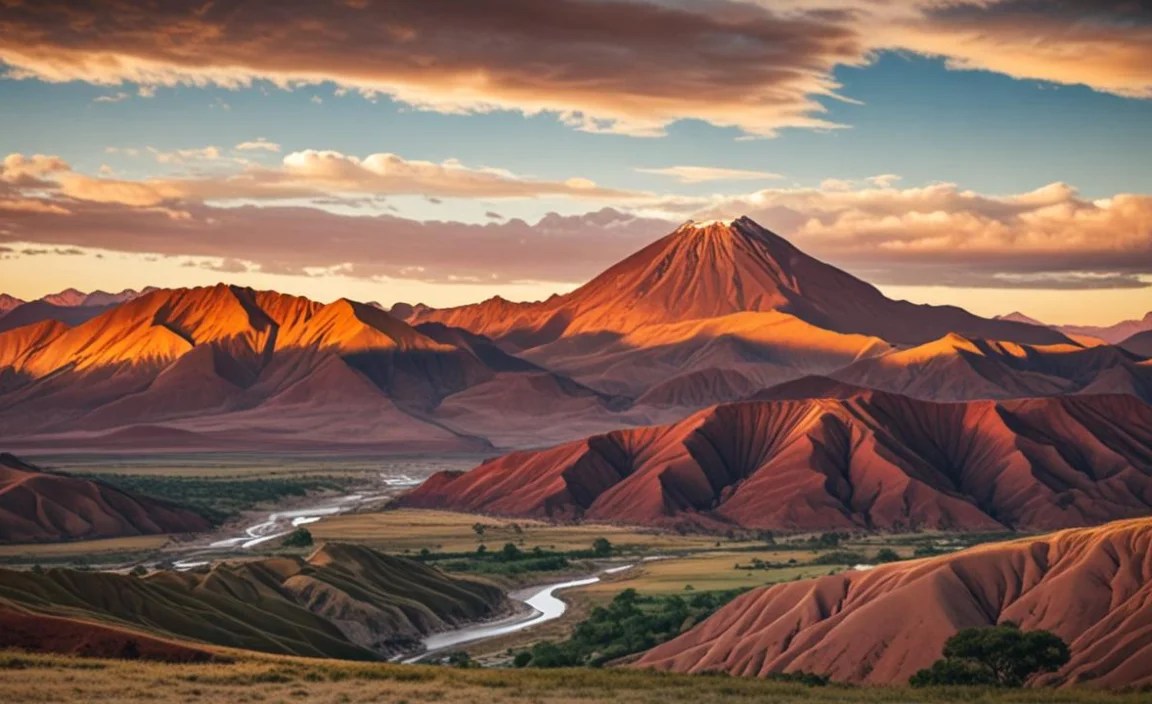
Your daily budget in Bolivia can vary based on your travel style. Are you a backpacker looking for the cheapest options, or do you prefer a bit more comfort? Here’s a general idea:
- Budget Traveler: $30 – $40 USD per day
- Mid-Range Traveler: $40 – $70 USD per day
- Comfortable Traveler: $70+ USD per day
These figures include accommodation, food, local transport, and a few entrance fees or activities. Flights to and from Bolivia are not included.
Cost Breakdown: Where Your Money Goes

Let’s dive into the specifics of how your travel budget breaks down in Bolivia.
1. Accommodation
Accommodation is typically one of the biggest travel expenses. Bolivia offers a range of options, from basic hostels to comfortable hotels.
- Hostels: Dorm beds are usually the cheapest option, often found for $7 – $15 USD per night. Private rooms in hostels can cost $15 – $30 USD. Hostels are great for meeting other travelers and often include basic breakfast.
- Budget Guesthouses (Hospedajes/Alojamiento): These are simple, locally run guesthouses offering private rooms. Prices can range from $15 – $30 USD per night.
- Mid-Range Hotels: Expect to pay $30 – $60 USD per night for a decent hotel with private bathrooms, Wi-Fi, and sometimes breakfast.
- Higher-End Hotels: For more luxury, prices start around $70 USD and can go up significantly in major cities.
2. Food and Drink
Eating in Bolivia can be incredibly affordable, especially if you embrace local cuisine. Eating at comedores (small local eateries) is your best bet for authentic and cheap meals.
- Comedores: For a filling set meal (menu del día) – usually soup followed by a main course – you’ll pay between $2 – $5 USD.
- Local Markets: Snacks, fruits, juices, and empanadas can be found for less than $1 USD.
- Street Food: Grilled meats, anticuchos (skewered beef heart), and salteñas (a type of baked empanada) are delicious and cheap, costing $1 – $3 USD.
- Restaurants (Mid-Range): If you opt for more tourist-oriented restaurants, meals can range from $5 – $15 USD.
- Western Food: Cafes and restaurants serving international cuisine will be more expensive, often $8 – $20 USD per meal.
- Drinks: Bottled water is inexpensive ($0.50 – $1 USD). Local beer costs around $1.50 – $3 USD. Freshly squeezed juices are a steal at $0.50 – $1.50 USD.
3. Transportation
Getting around Bolivia is part of the adventure, and it’s very affordable. The main modes of transport are buses and local minibuses (micros).
- Local Buses (Micros/Trufis): These are the cheapest way to get around within cities and to nearby towns. Fares are usually $0.25 – $1 USD for city routes.
- Intercity Buses: Bolivia has an extensive bus network. A long-distance bus journey can cost anywhere from $5 USD for a few hours to $30 USD or more for a 12-24 hour trip between major cities like La Paz and Santa Cruz. Overnight buses are common and a good way to save on accommodation.
- Taxis: Negotiate fares before getting in. Short city trips can range from $2 – $5 USD. For longer distances or airport transfers, expect more.
- Flights: Domestic flights are available, mainly between La Paz, Santa Cruz, Sucre, and Cochabamba. Prices can range from $50 – $150 USD depending on the route and how far in advance you book. This is the fastest but most expensive way to cross the country.
- For specific journeys like the infamous Death Road cycle, prices vary but can include the transport, bike rental and guide, often ranging from $40-$100 USD.
4. Activities and Entrance Fees
Bolivia is rich in natural beauty and cultural experiences. Many of these are surprisingly affordable.
- National Parks and Natural Sites: Entrance fees are generally low, often $3 – $10 USD. For example, the Salar de Uyuni (salt flats) tours are a significant expense, but when broken down per day, they become more manageable. A typical 3-day Salar tour can cost $120 – $200 USD per person, including accommodation and food, which equates to around $40-$65 USD per day for that specific experience.
- Museums: Most museums charge an entrance fee of $1 – $3 USD.
- City Tours: Walking tours are often tip-based (pay what you feel it’s worth, typically $3-$10 USD). Organized tours for specific sites will cost more.
- Adventure Activities: Activities like surfing on the world’s highest lake (Lake Titicaca), sandboarding, or visiting indigenous markets have varying costs. Some are included in tours, others are separate.
- Cultural Immersion: Attending local festivals or visiting smaller villages might incur minimal transport costs or small donation-based fees.
5. Miscellaneous Expenses
Don’t forget these smaller costs that add up!
- SIM Card and Data: A local SIM card is cheap ($5 – $10 USD) with affordable data packages.
- Toiletries: Basic toiletries are available in supermarkets and pharmacies. If you require specialized items like adult or child diapers for personal comfort or medical needs, it’s best to bring a supply from home or research availability in larger cities, as options might be limited and less varied than what you’re accustomed to. Major pharmacies in La Paz or Santa Cruz might offer some options, but variety and brand choice can be restricted.
- Souvenirs: Prices vary greatly depending on what you buy and where.
- Travel Insurance: Essential for any trip. Costs vary based on coverage and duration but are a vital part of your budget.
- Banking Fees: ATM withdrawal fees and exchange rates can impact your actual spending.
Bolivia Daily Budget Examples

Here are some sample daily budgets to illustrate how you might spend your money:
Budget Traveler Example ($35/day)
| Category | Estimated Cost (USD) |
|---|---|
| Hostel Dorm Bed | $10 |
| Comedor Meals (Breakfast, Lunch, Dinner) | $10 |
| Local Transport (Bus/Micro) | $2 |
| One Budget Activity/Entrance Fee | $8 |
| Water/Small Snacks | $3 |
| Miscellaneous (very minimal) | $2 |
| Total per day | $35 |
Mid-Range Traveler ($55/day)
| Category | Estimated Cost (USD) |
|---|---|
| Budget Hotel/Private Hostel Room | $25 |
| Mix of Comedor & Casual Restaurant Meals | $20 |
| Local Transport & Occasional Taxi | $5 |
| Main Activity/Entrance Fee | $15 |
| Drinks/Coffee | $5 |
| Small Souvenir/Misc | $5 |
| Total per day | $75 |
Note: The Mid-Range example shows a total of $75, illustrating that mid-range can simply mean upgrading a few key areas like accommodation and dining, pushing slightly above the initial $40-$70 range for days with more activities or nicer meals. A more precise mid-range of $55 would look like: $20 accommodation, $18 food, $5 transport, $10 activity, $2 misc.*
Money-Saving Tips for Bolivia

Here are some practical tips to stretch your budget further:
- Eat Locally: Embrace the menu del día at comedores and explore local markets for delicious and cheap food.
- Use Local Transportation: Micros and intercity buses are incredibly cheap for getting around.
- Travel Overland: Opt for buses over flights for longer distances. Overnight buses save you a night’s accommodation cost.
- Stay in Hostels: Dorm rooms are budget-friendly and a great place to meet fellow travelers.
- Haggle (Politely): For taxis and market purchases, polite negotiation can sometimes get you a better price.
- Drink Tap Water (Purified): While tap water isn’t potable, many accommodations offer filtered or purified water. Carrying a reusable bottle and refilling it can save money and reduce plastic waste. Check local advice on the safety of purified water, and consider a water filter bottle for added peace of mind. For international standards on water safety, the World Health Organization provides comprehensive guidelines: WHO Drinking Water Quality.
- Book Tours Wisely: Shop around for tours. Group tours are always cheaper than private ones.
- Travel in Shoulder Seasons: Prices might be slightly lower outside of peak tourist times.
The Importance of Travel Insurance

While tempting to cut costs, travel insurance is non-negotiable. It covers unexpected medical emergencies, trip cancellations, lost luggage, and more. A good policy can save you thousands of dollars if something goes wrong. Make sure your policy covers adventure activities if you plan to do them.
Pre-Trip Purchases: What to Bring

Some items are easier and cheaper to bring from home. If you have specific needs, like adult or child diapers, bringing a supply from your home country ensures you have the comfort and reliability you’re used to. Brands and availability can differ greatly, and finding your preferred product might be challenging or costly in Bolivia. Packing these items in your luggage means one less thing to worry about once you arrive.
Don’t forget essentials like:
- Comfortable walking shoes
- Layers of clothing for varying altitudes and climates
- Sunscreen and a hat (the sun is intense at high altitudes)
- Reusable water bottle
- Small backpack for day trips
- Basic first-aid kit
Navigating Bolivia’s Currency: The Boliviano (BOB)
The local currency is the Bolivian Boliviano (BOB). Exchange rates are relatively stable. US dollars are widely accepted as a secondary currency, especially in tourist areas and for tours, but you’ll often get a better rate if you pay in Bolivianos for smaller purchases and local services.
- ATMs: Widely available in cities and larger towns. Look for ATMs affiliated with international networks like Cirrus or Plus. Inform your bank before you travel to avoid transaction blocks.
- Money Exchange: You can exchange USD for BOB at banks or official exchange houses (casas de cambio).
- Credit Cards: Accepted in larger hotels, restaurants, and some tour agencies, but cash is king for most daily expenses.
FAQ: Your Bolivia Budget Questions Answered
Q1: Is Bolivia expensive for tourists?
A: No, Bolivia is one of the most affordable countries in South America. You can travel comfortably on a budget, with daily costs significantly lower than in many Western countries or its neighbors.
Q2: What is the average daily cost for a backpacker in Bolivia?
A: A backpacker can expect to spend around $30-$40 USD per day. This covers dorm-bed accommodation, local food from comedores, and basic local transportation and activities.
Q3: How much should I budget for the Salar de Uyuni tour?
A: A standard 3-day, 2-night Salar de Uyuni tour typically costs between $120-$200 USD per person. This usually includes transport, basic accommodation, and meals during the tour.
Q4: Can I use my credit card in Bolivia?
A: Credit cards are accepted in some larger hotels, restaurants, and tour agencies in major cities, but it’s essential to carry cash. Smaller towns and most local businesses operate on cash only.
Q5: Is it safe to drink tap water in Bolivia?
A: No, tap water is not safe to drink. Always opt for bottled, boiled, or purified water. Many accommodations provide filtered water, which is a great option for refilling reusable bottles.
Q6: How much should I tip local bus drivers or guides?
A: Tipping is not mandatory in Bolivia. For walking tours, it’s customary to tip your guide based on your satisfaction, usually $3-$10 USD. For other services, a small tip for exceptional service is appreciated but not expected.
Conclusion
Bolivia offers an unparalleled travel experience for budget-conscious adventurers. By understanding the breakdown of costs for accommodation, food, transportation, and activities, you can create a realistic budget that allows for both comfort and exploration. Embrace local flavors, utilize public transport, and stay in charming guesthouses to maximize your Bolivian adventure without overspending.
Remember, the most important aspect of budgeting is planning what matters most to you. Whether it’s indulging in a special meal, embarking on a multi-day trek, or ensuring you have all your personal comfort items like specialized hygiene products shipped in advance, your budget is yours to tailor. With this guide, you’re well-equipped to plan an unforgettable and affordable journey through the heart of South America. ¡Buen viaje!