Bolivia during its winter months (May to September) offers a unique adventure with stunning landscapes, fewer crowds, and pleasant temperatures in many regions. This guide covers essential tips for planning your trip, from packing the right gear to navigating destinations like Uyuni and La Paz, ensuring a comfortable and unforgettable experience.
Dreaming of an adventure unlike any other? Bolivia, especially during its winter season, presents a captivating escape. You might be picturing vast salt flats shimmering under clear skies, or bustling city streets at high altitudes. Planning a trip, however, can sometimes feel a bit daunting. What do you pack? When’s the best time to go within the winter months? How do you stay comfortable in such diverse climates? Don’t worry, we’ve got you covered. This guide breaks down everything you need for an amazing Bolivian winter adventure, making your journey smooth and exciting.
Planning Your Bolivia Winter Trip: The Essentials

Bolivia in winter is a magical experience. The dry season means clear skies, perfect for photography, and milder temperatures in the highlands. However, “winter” in Bolivia means different things depending on where you go. The Altiplano, home to the Uyuni Salt Flats and La Paz, can get quite cold, especially at night. The Amazon basin, on the other hand, remains warm and humid, though the rainy season is less intense in winter.
Key considerations for your Bolivia winter trip:
- Timing within winter: While May to September is generally dry, July and August are often the coldest months. Traveling in May or September might offer a good balance of dry weather and less extreme temperatures.
- Altitude: Much of Bolivia sits at high altitudes. La Paz is one of the highest capitals in the world. Acclimatizing properly is crucial to avoid altitude sickness.
- Diverse climates: You can experience freezing temperatures in Uyuni and La Paz, while the Amazon remains tropical. Packing for varied conditions is key.
- Fewer crowds: Winter is considered the dry season, which also means it’s a popular time for tourists. However, it’s generally less crowded than the peak summer months in other destinations.
Best Destinations for a Bolivian Winter Adventure

Bolivia is a country of incredible contrasts, and its winter months highlight these differences beautifully.
The Mystical Salar de Uyuni
The world’s largest salt flat is arguably Bolivia’s most famous attraction. Winter (May-September) is the prime time to visit. The skies are crystal clear, offering unparalleled stargazing opportunities. The salt flats themselves are dry and accessible, perfect for those surreal perspective photos. Daytime temperatures can be cool, but nights can drop well below freezing.
- Daytime highs: 15-20°C (59-68°F)
- Nighttime lows: -5 to -15°C (5-23°F)
- Activities: 4×4 tours across the salt flat, visiting Incahuasi Island (cactus island), seeing the train cemetery, and exploring the colorful lagoons with flamingos at Eduardo Avaroa National Reserve.
High-Altitude La Paz
Perched precariously on a mountainside, La Paz is a vibrant and chaotic city. In winter, the skies are usually clear, offering stunning views of the surrounding Andes. However, the altitude can be challenging. Days are often sunny and crisp, while evenings and early mornings are very cold.
- Daytime highs: 10-18°C (50-64°F)
- Nighttime lows: 0-8°C (32-46°F)
- Activities: Ride the Mi Teleférico cable car system for panoramic views, explore the Witches’ Market, visit Plaza Murillo, and take a day trip to Valle de la Luna (Moon Valley).
Sucre: The White City
Bolivia’s constitutional capital, Sucre, offers a more relaxed pace. Its colonial architecture and pleasant climate make it a favorite. During winter, Sucre enjoys mild and dry weather, making it ideal for exploring its historical streets and enjoying outdoor cafes.
- Daytime highs: 20-25°C (68-77°F)
- Nighttime lows: 5-10°C (41-50°F)
- Activities: Wander through its white-washed colonial streets, visit the San Francisco Church, explore the central market, and take a trip to the dinosaur footprints at Cal Orck’o.
The Amazon Basin (Rurrenabaque)
While the highlands experience winter, the Amazon remains warm and humid. The winter months are drier, meaning fewer mosquitoes and easier access to jungle trails. It’s a fantastic time for wildlife spotting.
- Daytime highs: 28-32°C (82-90°F)
- Nighttime lows: 18-22°C (64-72°F)
- Activities: Jungle tours, pampas tours (spotting capybaras, caimans, monkeys, and various bird species), and nighttime caiman spotting.
What to Pack for Your Bolivia Winter Trip
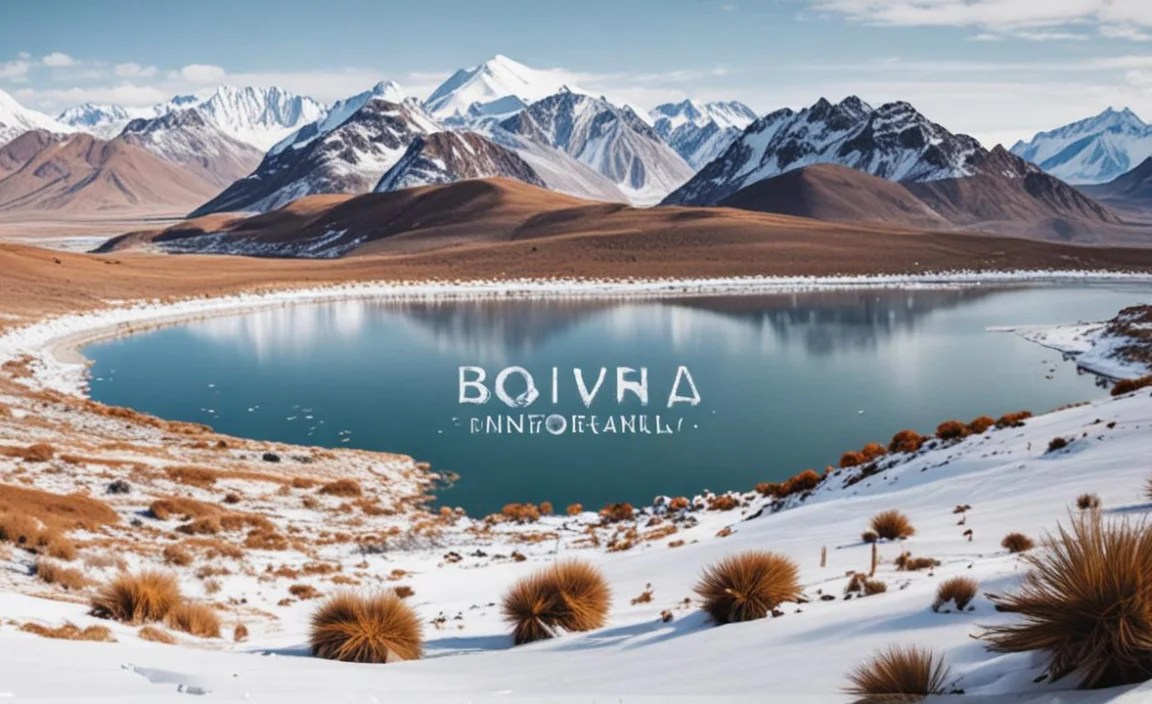
Packing for Bolivia in winter means preparing for a range of temperatures and conditions. Layers are your best friend. Think about the specific regions you’ll be visiting.
Essential Clothing Items
- Base Layers: Thermal underwear (long johns and long-sleeved tops) for cold nights and mornings in Uyuni and La Paz.
- Mid-Layers: Fleece jackets or sweaters for warmth.
- Outer Layer: A waterproof and windproof jacket. A down jacket or puffer jacket is highly recommended for the extreme cold in Uyuni.
- Pants: Comfortable hiking pants are great for daytime. Consider bringing fleece-lined pants for colder regions. Jeans can become very cold and take a long time to dry if wet.
- Footwear: Sturdy, comfortable walking shoes or hiking boots. Make sure they are well broken-in.
- Socks: Wool or thermal socks are essential for keeping feet warm in chilly destinations.
- Headwear: A warm beanie or hat that covers your ears is a must for cold evenings and mornings. A sun hat or cap is also useful for sunny days.
- Gloves: Warm gloves are crucial for very cold destinations like Uyuni.
- Scarf: Protects your neck and face from the cold and wind.
Special Considerations for Comfort and Peace of Mind
For travelers who might need extra convenience or security, especially on long journeys or in varying climates, planning for personal care needs is important. Items like adult and child diapers can provide peace of mind, ensuring comfort and dignity during flights, bus rides, or even during excursions where bathroom facilities might be scarce or not up to personal standards. Choosing breathable, absorbent options is key for all-day wear and sensitive skin, allowing you to focus on the adventure rather than potential discomfort.
- Adult Diapers/Incontinence Products: Look for reputable brands offering discreet, absorbent products suitable for extended wear. Consider overnight maximum absorbency options for overnight stays or long travel days. Websites like NorthShore Care Supply offer a wide range of options designed for comfort and reliability.
- Child Diapers/Pull-Ups: For families traveling with younger children, having a good supply of diapers or pull-ups is essential. Pack more than you think you’ll need, as access to your preferred brands might be limited. Waterproof diaper bags are also incredibly handy for discreetly storing used diapers on the go.
- Portable Travel Bidet: These can be incredibly useful for maintaining hygiene, especially in areas where water access or toilet paper might be inconsistent.
Other Essential Items
- Sunscreen: The sun is very strong at high altitudes, even in winter.
- Lip Balm with SPF: Prevents chapped lips in dry, cold air.
- Sunglasses: Essential for protecting your eyes, especially on the salt flats.
- Moisturizer: The dry air can play havoc with your skin.
- Reusable Water Bottle: Stay hydrated. Altitude sickness can be exacerbated by dehydration.
- Power Bank: For charging your electronics on the go, especially during long tours.
- Camera: To capture the incredible landscapes. Consider extra batteries and memory cards.
- Backpack: A comfortable daypack for excursions.
- First-Aid Kit: Include personal medications, pain relievers, band-aids, antiseptic wipes, and medication for altitude sickness (consult your doctor).
- Headlamp or Small Flashlight: Useful for early mornings or navigating in dimly lit areas.
Navigating Bolivia: Transportation and Logistics
Getting around Bolivia requires some planning. The country’s infrastructure can be challenging, but rewards are immense.
Long-Distance Travel
Buses: This is the most common and affordable way to travel between cities. While overnight buses can save on accommodation, look for “semi-cama” (semi-reclining) or “cama” (fully reclining) seats for better comfort on longer journeys. Companies like BoliviaBus can provide schedules and booking information, though direct booking can sometimes be tricky and it’s often best to buy tickets in person a day or two in advance from reputable companies.
Flights: For longer distances or to save time, domestic flights are an option. LATAM Bolivia and Amaszonas are the main domestic carriers. Flights can be relatively affordable if booked in advance.
Local Transportation
Taxis/Ride-Sharing: In major cities like La Paz and Santa Cruz, taxis are readily available. It’s wise to agree on a fare before starting your journey or ensure the meter is used. Ride-sharing apps are increasingly available in larger cities.
Minibuses (Micros): These are the local buses that navigate city routes. They are extremely cheap but can be crowded and confusing for first-time users. They are a true local experience.
Teleférico (La Paz): Bolivia’s cable car system is not just public transport; it’s a tourist attraction offering breathtaking views of La Paz. It’s an efficient way to cross the sprawling city.
Uyuni Tours
Most visitors explore the Salar de Uyuni on a guided 3-day (2-night) 4×4 tour. These tours typically start and end in Uyuni town or San Pedro de Atacama, Chile. It’s crucial to book with a reputable agency. The vehicles are rugged, and tours can be basic, but they are the best way to see the highlights.
Tips for Dealing with Altitude
Bolivia’s high altitude can affect anyone, regardless of fitness level. Taking preventive measures is key to enjoying your trip.
1. Acclimatize Slowly: When you arrive, especially in La Paz or Uyuni, take it easy for your first day. Avoid strenuous activity, heavy meals, and alcohol.
2. Stay Hydrated: Drink plenty of water throughout the day. Coca tea is a traditional remedy widely available and can help alleviate symptoms.
3. Eat Lightly: Opt for easily digestible foods. Avoid heavy, greasy meals.
4. Avoid Alcohol and Smoking: These can dehydrate you further and make altitude sickness symptoms worse.
5. Consider Medication: Consult your doctor before your trip about prescription medications like Diamox (Acetazolamide), which can help prevent or treat altitude sickness.
6. Listen to Your Body: If you feel unwell, rest. Symptoms include headache, nausea, dizziness, and fatigue. If symptoms are severe, descend to a lower altitude.
7. Coca Leaves: Chewing coca leaves or drinking coca tea is a common and effective remedy for mild altitude sickness symptoms among locals and visitors alike. You can find these readily available in most markets.
Safety and Health in Bolivia
While Bolivia is generally safe for tourists who take basic precautions, it’s wise to be aware of your surroundings.
- Petty Theft: Be mindful of pickpockets, especially in crowded markets and on public transport. Keep valuables secure and out of sight.
- Scams: Be wary of overly friendly strangers offering unsolicited help or deals that seem too good to be true.
- Food and Water Safety: Drink bottled or purified water only. Be cautious with street food, especially if your stomach is sensitive. Peel fruits yourself.
- Altitude Sickness: As mentioned, plan for acclimatization.
- Travel Insurance: Ensure you have comprehensive travel insurance that covers medical emergencies, including evacuation. Reputable providers like World Nomads offer policies with good coverage for adventure travel.
- Political Unrest: Keep an eye on local news and be aware of any potential strikes or demonstrations that could affect travel.
Bolivia Winter Trip Cost: What to Expect
Bolivia is one of South America’s most affordable countries. Your budget will largely depend on your travel style.
Budget Traveler: You can expect to spend around $30-$50 USD per day. This would include staying in hostels, eating local food, and using public transport.
Mid-Range Traveler: A budget of $60-$100 USD per day would allow for comfortable guesthouses or budget hotels, dining in more tourist-oriented restaurants, and taking occasional flights or nicer bus services.
Higher-End Traveler: For more comfort, private tours, and boutique hotels, budget $100+ USD per day. Luxury options are limited but available in major cities.
Major Costs to Consider:
| Item | Estimated Cost (USD) |
|---|---|
| Hostel Dorm Bed (per night) | $8 – $15 |
| Budget Hotel Room (per night) | $20 – $40 |
| Local Meal (e.g., Menu del Día) | $3 – $5 |
| Mid-Range Restaurant Meal | $8 – $15 |
| Intercity Bus Ticket (e.g., La Paz to Uyuni) | $15 – $30 |
| Domestic Flight (e.g., La Paz to Uyuni) | $70 – $150+ |
| 3-Day Uyuni Salt Flat Tour | $100 – $180+ (accommodation and food included, varies by agency) |
| Entrance Fees (e.g., Salar de Uyuni) | $5 – $30 (often not included in tours) |
Money Saving Tips:
- Eat ‘Menu del Día’ (set lunch menus) at local restaurants.
- Take overnight buses to save on accommodation.
- Negotiate prices where appropriate (though firmly fixed prices are common in shops).
- Book tours and accommodations in advance for better deals, especially for the Uyuni tours.
Responsible Tourism in Bolivia
As visitors, we have a responsibility to minimize our impact and help preserve Bolivia’s unique culture and environment.
- Respect Local Culture: Learn a few basic Spanish phrases. Ask permission before taking photos of people. Be mindful of local customs and traditions.
- Support Local Economies: Buy souvenirs directly from local artisans. Eat at local establishments.
- Environmental Awareness: Stick to marked trails. Do not leave any trash behind, especially in protected areas like the Salar de Uyuni. Avoid purchasing souvenirs made from endangered species.
- Water Conservation: Water is a precious resource, especially at high altitudes. Be mindful of your usage.
- Animal Welfare: Be cautious of tours that claim to offer interactions with wild animals. Ensure any wildlife viewing is done ethically and from a distance.
Your Essential Bolivia Winter Adventure Awaits
Bolivia during its winter (May to September) transforms into a breathtaking destination, offering crisp, clear days for exploring its iconic salt flats and high-altitude cities, while remaining warm and accessible in its jungle regions. Planning is key, and this guide has equipped you with the essential knowledge to pack smart, travel comfortably, and stay safe. From mastering the art of layering clothing for the extreme cold of Uyuni to understanding how to handle the challenges of altitude in La Paz, you’re well-prepared.
Remember that attention to personal comfort, like having reliable adult or child diapers available for long journeys, can significantly enhance your travel experience, allowing you to fully immerse yourself in the wonder of Bolivia.