Discover the best Bolivian neighborhoods for an unforgettable adventure with this essential guide! We break down vibrant cities like La Paz, Sucre, and Santa Cruz, highlighting unique atmospheres, attractions, and practical tips for every traveler.
Planning a trip to Bolivia can feel a bit overwhelming, especially when you’re trying to figure out where to stay to truly experience the magic of this diverse country. You want to find that perfect spot – one that’s safe, exciting, and close to the sights and sounds you’ve dreamed of. It’s frustrating when you’re not sure which neighborhood offers the best blend of local culture, convenient amenities, and comfortable stays. But don’t worry! This guide is here to make your decision easy. We’ll walk you through the most popular and captivating neighborhoods, giving you the confidence to book your ideal Bolivian basecamp.
Your Essential Bolivia Neighborhood Guide
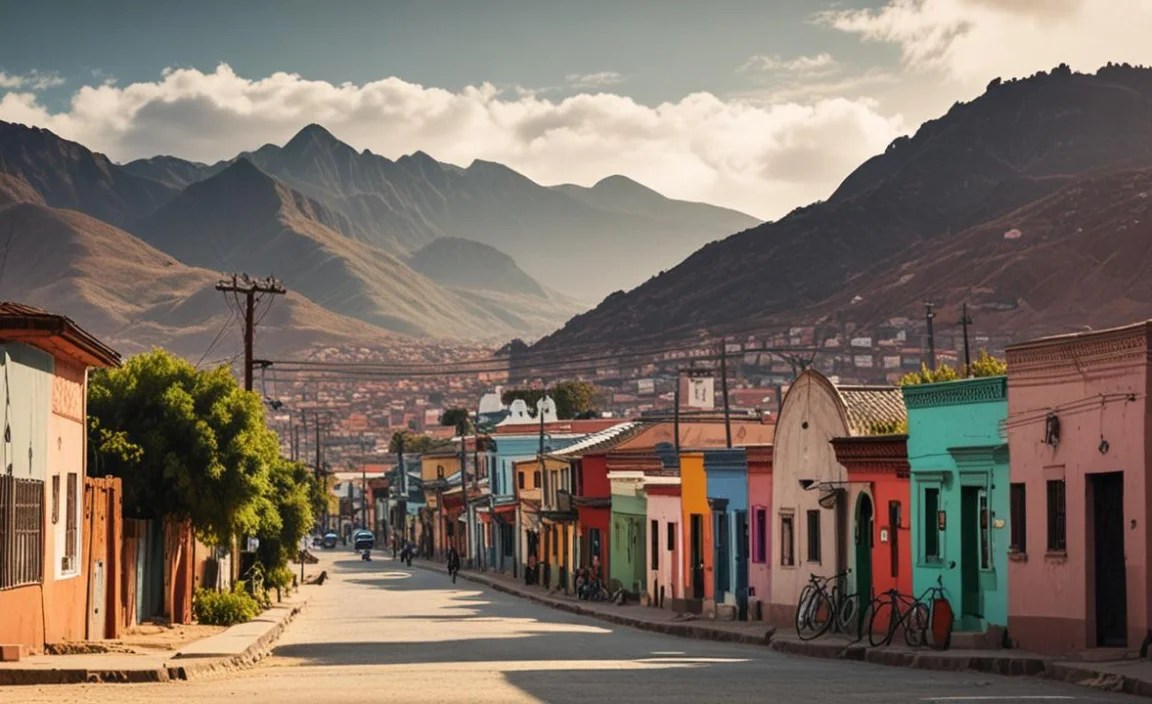
Bolivia, a landlocked gem in the heart of South America, offers an incredible tapestry of landscapes, from the majestic Andes to the steamy Amazon basin. But beyond its stunning geography, the true soul of Bolivia lies in its vibrant cities and the unique character of its neighborhoods. Each one tells a different story, whether it’s the bustling energy of a capital city or the colonial charm of an ancient town.
As Michael C. Herrera from Journey Essentials, I’ve explored many of these corners, and I’m here to help you navigate them. We’ll cover everything from the most convenient places to stay for access to attractions to the most charming spots for a relaxed vibe. This guide is designed to be your go-to resource, ensuring your Bolivian adventure is comfortable, exciting, and stress-free. Let’s dive into the heart of Bolivia!
Why Choose Your Neighborhood Wisely in Bolivia?

Selecting the right neighborhood in Bolivia isn’t just about finding a place to sleep; it’s about immersing yourself in the local rhythm of life. Think about it: do you want to be steps away from bustling markets and historical sites, or would you prefer a quieter, more residential feel with authentic local eateries? Your neighborhood choice can significantly impact your experience, affecting everything from your daily commute to exploring attractions to your access to essential services. For families traveling with children, or individuals who might need specific conveniences like adult or child diapers for longer excursions, proximity to shops and accessible transport is key. A well-chosen neighborhood enhances safety, convenience, and overall enjoyment, making your trip smoother and more memorable.
Consider your travel style. Are you a solo adventurer eager to explore every nook and cranny? A family seeking comfort and convenience with young children? Or perhaps you’re a couple looking for a romantic getaway? Each neighborhood offers a different flavor, and understanding these nuances will help you find your perfect fit. Knowing the local transport options, safety considerations, and available amenities will set you up for success before you even pack your bags.
Understanding Bolivia’s Major Cities & Their Vibes

Bolivia is home to several distinct major cities, each with its own unique identity and offering different experiences. Understanding these cities is the first step in choosing the right neighborhood for your stay.
La Paz: The High-Altitude Metropolis
As the administrative capital, La Paz is a city that assaults the senses in the most wonderful way. Perched high in the Andes, it’s a city of dramatic landscapes, bustling markets, and a constant hum of activity. The altitude here is significant, so allow time to acclimatize. La Paz offers a fantastic mix of historical, cultural, and modern attractions, making it a must-visit for most travelers.
Key Characteristics of La Paz:
- Altitude: Approximately 3,650 meters (11,975 feet). Acclimatization is crucial.
- Vibe: Energetic, bustling, chaotic, culturally rich.
- Attractions: Witches’ Market, San Francisco Church, Plaza Murillo, Mi Teleférico (cable car system), Valle de la Luna (Moon Valley).
- Best for: Travelers seeking vibrant city life, cultural immersion, and adventure.
Sucre: The White City & Constitutional Capital
Sucre, the constitutional capital, offers a stark contrast to the high-octane energy of La Paz. Known as the “White City” due to its pristine colonial architecture, Sucre is a UNESCO World Heritage site. It’s a more relaxed, charming, and historically significant city, perfect for those who appreciate history, architecture, and a more laid-back pace.
Key Characteristics of Sucre:
- Altitude: Approximately 2,810 meters (9,214 feet). Easier to acclimatize than La Paz.
- Vibe: Relaxed, charming, historic, academic, artistic.
- Attractions: Plaza 25 de Mayo, Casa de la Libertad, San Francisco Church bell tower for views, dinosaur footprints, textile museums.
- Best for: History buffs, architecture lovers, those seeking a slower pace, and a more tranquil experience.
Santa Cruz de la Sierra: The Tropical Gateway
Located in the eastern lowlands, Santa Cruz de la Sierra is Bolivia’s largest city and its economic powerhouse. It has a tropical climate and a more modern, cosmopolitan feel, influenced by its proximity to Brazil. It’s a hub for business, nightlife, and offers a different cultural perspective compared to the Andean cities.
Key Characteristics of Santa Cruz:
- Altitude: Approximately 416 meters (1,365 feet). Very comfortable altitude.
- Vibe: Modern, cosmopolitan, bustling, friendly, tropical.
- Attractions: Metropolitan Cathedral, Parque El Arenal, Güembé Exotic Animal Park, Lomas de Arena Natural Park, vibrant nightlife.
- Best for: Travelers looking for a modern city experience, warmer weather, lively nightlife, and a gateway to the Amazon.
The Best Neighborhoods in La Paz
La Paz is a sprawling city with distinct neighborhoods, each offering a unique experience. Choosing the right one can elevate your visit from good to extraordinary. Here are some of the top neighborhoods to consider.
1. Sopocachi: The Bohemian Heartbeat
Sopocachi is one of the most popular and arguably the most charming neighborhoods in La Paz. It’s known for its picturesque streets, art galleries, cafes, restaurants, and a relaxed yet vibrant atmosphere. It’s located on a hillside with great views of the city and is reasonably well-connected by public transport, including the Mi Teleférico system.
What to Expect in Sopocachi:
- Atmosphere: Bohemian, artistic, lively but not overwhelming.
- Conveniences: Numerous cafes, restaurants, bars, boutique shops, art galleries, a prominent park (Parque Mirador Sopocachi).
- Accommodation: Boutique hotels, guesthouses, and apartment rentals.
- Pros: Great dining and nightlife options, beautiful architecture, good views, relatively safe and walkable.
- Cons: Can be hilly (typical of La Paz), some areas might be steep.
- Best For: Travelers who love exploring on foot, enjoy good food and drinks, and appreciate a cultured ambiance.
2. Zona Central (El Centro): The Historic Core
This is the historical and administrative heart of La Paz. If you want to be in the thick of it, surrounded by major landmarks, government buildings, and the city’s main squares, El Centro is your spot. It’s a high-energy area, buzzing with activity from dawn till dusk.
What to Expect in Zona Central:
- Atmosphere: Bustling, historic, busy, commercial.
- Conveniences: Major historical sites, museums, government buildings, central market (Mercado Central), banks, main transportation hubs.
- Accommodation: A wide range of hotels, from budget-friendly to mid-range.
- Pros: Unbeatable access to historical sites and main attractions, excellent public transport links, plenty of shops and services.
- Cons: Can be noisy and crowded, especially during peak hours. Altitude is very high.
- Best For: First-time visitors who want to be close to iconic sights and experience the city’s pulse.
3. Zona Sur: The Modern & Upscale Outskirts
Zona Sur (Southern Zone) is a more modern and affluent part of La Paz, spreading across several distinct areas like Calacoto, San Miguel, and San Jorge. It’s characterized by wider avenues, modern shopping centers, upscale restaurants, and residential complexes. It’s further from the historical center but offers a more comfortable and contemporary living experience.
What to Expect in Zona Sur:
- Atmosphere: Modern, spacious, affluent, more residential.
- Conveniences: Large shopping malls (e.g., Multicine), supermarkets, international restaurants, parks, modern amenities.
- Accommodation: Mostly modern apartment rentals, some upscale hotels.
- Pros: More modern infrastructure, generally calmer than El Centro, excellent shopping and dining, perceived as safer by some.
- Cons: Further from historical attractions, requires more reliance on taxis or Mi Teleférico to reach central areas, can feel less “authentically La Paz” to some.
- Best For: Travelers seeking modern amenities, a more relaxed environment, longer stays, or those prioritizing comfort and shopping. Families might find it convenient due to its residential feel.
The Mi Teleférico Experience: Navigating La Paz by Cable Car
No guide to La Paz neighborhoods would be complete without mentioning Mi Teleférico. This innovative cable car system isn’t just public transport; it’s a tourist attraction in itself, offering breathtaking views and connecting disparate parts of the city. Many neighborhoods are now easily accessible via its various lines (Red, Yellow, Blue, Green, etc.). Staying near a Teleférico station can significantly enhance your mobility, especially given La Paz’s steep terrain.
For example, the Red Line connects El Alto with the city center, the Yellow Line offers panoramic views, and the Green Line heads out towards Zona Sur. Understanding the network can make exploring even distant neighborhoods feel effortless. Check out their official website for route maps and operating hours: Mi Teleférico Bolivia.
The Best Neighborhoods in Sucre
Sucre’s charm lies in its colonial heritage, and its neighborhoods reflect this beautifully. The city is quite walkable, especially its historic core.
1. Centro Histórico (Historic Center): The Colonial Jewel
This is the heart of Sucre, a UNESCO World Heritage site filled with whitewashed colonial buildings, churches, convents, and cobblestone streets. Staying here means you are steps away from all the major historical attractions.
What to Expect in the Historic Center:
- Atmosphere: Colonial, charming, historic, peaceful (especially in the evenings).
- Conveniences: Plaza 25 de Mayo, Metropolitan Cathedral, Casa de la Libertad, churches, museums, artisan shops, restaurants, cafes.
- Accommodation: Beautifully restored colonial buildings converted into boutique hotels and charming guesthouses.
- Pros: Immersive historical experience, walkable to all major sights, beautiful architecture, safe and pleasant atmosphere.
- Cons: Can be quieter at night, limited modern amenities compared to other cities.
- Best For: History enthusiasts, photographers, couples, and anyone seeking a romantic and culturally rich stay.
2. San Blas: The Artistic Enclave
San Blas is a small, picturesque neighborhood nestled within the historic center, known for its artisan workshops, art galleries, and quiet, winding streets. It has a slightly more bohemian feel than the immediate vicinity of the main plaza.
What to Expect in San Blas:
- Atmosphere: Artistic, bohemian, quiet, charmingly rustic.
- Conveniences: Artisan studios, small cafes, a pleasant plaza.
- Accommodation: Primarily smaller guesthouses and homestays, some with artisan feel.
- Pros: Very picturesque, great for browsing unique crafts, peaceful, offers a more local feel within the historic center.
- Cons: Limited dining and nightlife options, fewer hotel choices.
- Best For: Art lovers, those looking for a quieter, more intimate experience within the historic city.
The Best Neighborhoods in Santa Cruz de la Sierra
Santa Cruz offers a different vibe, more aligned with modern South American cities, with a decidedly tropical flair.
1. Equipetrol: The Trendy Urban Hub
Equipetrol is Santa Cruz’s most modern and fashionable district. It’s known for its upscale hotels, trendy restaurants, lively bars, and boutique shopping. It’s a hub of activity, especially in the evenings.
What to Expect in Equipetrol:
- Atmosphere: Modern, trendy, vibrant, cosmopolitan, lively nightlife.
- Conveniences: Upscale restaurants, bars, clubs, boutique shops, hotels, banks.
- Accommodation: Modern hotels, many with good amenities.
- Pros: Excellent dining and entertainment, modern facilities, perceived as safe, good for business travelers and those seeking nightlife.
- Cons: Further from green spaces and some natural attractions, can be noisy in certain spots due to nightlife.
- Best For: Travelers seeking a sophisticated urban experience, nightlife, and fine dining.
2. Urbarí: Central & Convenient
Urbarí is a more central neighborhood, offering a good balance between residential areas and commercial activity. It’s a practical choice for its proximity to the city center, Parque El Arenal, and various amenities.
What to Expect in Urbarí:
- Atmosphere: Mix of residential and commercial, convenient, relatively active.
- Conveniences: Parque El Arenal (a major city park), restaurants, shops, proximity to the historic center.
- Accommodation: A range of hotels, from business-oriented to mid-range.
- Pros: Central location, good access to public transport and parks, convenient for shopping and dining.
- Cons: Can be busy and experience traffic, less of a distinct “vibe” than Equipetrol for nightlife.
- Best For: Travelers looking for a balance of convenience, access to city amenities, and proximity to green spaces.
Essential Travel Tips for Navigating Bolivian Neighborhoods
Beyond choosing a neighborhood, practical tips can make your stay smoother, safer, and more comfortable. These apply no matter where you decide to base yourself.
1. Altitude Acclimatization
This cannot be stressed enough, especially for La Paz. In the first 24-48 hours, take it easy. Avoid strenuous activity, alcohol, and heavy meals. Drink plenty of water and consider drinking traditional coca tea (“mate de coca”), which is widely available and helps with altitude sickness. Traveling with young children or elderly family members requires extra caution and careful planning for their comfort, potentially making lower-altitude areas or taking it exceptionally slow in La Paz a priority. For longer outings, having discreet options like adult or child diapers readily available can provide peace of mind, ensuring comfort and dignity without interrupting your exploration due to a sudden need for restroom facilities. Many travel-specific products are designed for discretion and comfort during extended periods away from home.
2. Transportation
Each city has its own transport system. In La Paz, Mi Teleférico is a game-changer. Taxis are abundant but essential to negotiate fares beforehand or ensure the meter is used. In Sucre, walking is often the best way to see the historic center, with taxis available for longer distances. Santa Cruz has a more spread-out feel, so taxis or ride-sharing apps (like Uber or local equivalents) are common. Always confirm your destination with the driver.
3. Safety and Awareness
Like any travel destination, it’s important to be aware of your surroundings, especially in crowded areas like markets or bus stations. Keep valuables secure and out of sight. While most neighborhoods are generally safe, it’s always wise to avoid walking alone in poorly lit areas late at night. Research specific safety tips for each city before you go. For instance, tourist police are present in many major areas.
4. Currency and Payments
The currency is the Bolivian Boliviano (BOB). ATMs are widely available in cities. Credit cards are accepted in larger hotels, restaurants, and some shops, but cash is king, especially in markets and smaller establishments. Always carry small denominations for easy transactions.
5. Connectivity
Wi-Fi is generally available in hotels, cafes, and restaurants. For constant connectivity, consider purchasing a local SIM card upon arrival. This is cost-effective and allows you to easily use data for navigation, translation apps, and staying in touch.