Planning a trip to Botswana? Finding the right place to stay can make all the difference. This guide will help you discover the best neighborhoods, ensuring a comfortable and memorable experience. We cover everything from vibrant city life to serene wilderness lodges, making your Botswana adventure stress-free and enjoyable.
Welcome to Journey Essentials! Planning a trip to a new destination can feel like a puzzle. Botswana, with its stunning wildlife and vast landscapes, is an incredible choice. But picking the perfect base camp is key to a great adventure. Don’t worry, I’m here to help you navigate the options. We’ll break down the best spots to stay, ensuring your comfort and convenience throughout your journey. Let’s make your Botswana trip amazing!
Understanding Botswana’s Unique Travel Landscape

Botswana is not your typical city-break destination. Its main draw is its unparalleled wildlife and natural beauty. This means many of the “neighborhoods” you’ll consider are really just proximity zones to specific national parks, safari areas, or the few major towns that serve as entry points. Understanding this foundational concept is crucial when exploring the “Botswana best neighborhoods to stay.” Forget bustling urban districts; think about access to nature, tranquility, and authentic experiences.
When travelers think of Botswana, they often picture vast savannas, iconic wildlife, and luxurious tented camps. This is largely true! The country’s tourism model wisely focuses on low-impact, high-value ecotourism. This means that accommodation options are generally concentrated around its world-renowned national parks and wildlife reserves, or in the few urban centers that act as gateways. This isn’t about choosing between a downtown apartment and a suburban home; it’s about selecting the best launching pad for your wild adventures.
Why Location Matters in Botswana
Your choice of where to stay in Botswana directly impacts several key aspects of your trip:
- Wildlife Viewing Opportunities: Staying closer to prime safari areas means less travel time and more game drive opportunities.
- Accessibility: Some areas require flights into small airstrips, while others are accessible by road.
- Type of Experience: Do you want to be deep in the bush, near a town for amenities, or a bit of both?
- Logistics and Costs: Proximity to services or transport hubs can affect your budget and convenience.
- Comfort and Amenities: While Botswana excels at luxury, the level of amenities can vary greatly.
Key Areas & “Neighborhoods” for Your Botswana Stay

Botswana’s geography dictates its lodging hubs. Instead of traditional neighborhoods, we look at regions that offer distinct experiences and convenient access to attractions. These are the prime locations to consider:
1. Maun: The Safari Gateway Town
Maun is the undisputed safari capital of Botswana and your primary gateway to the Okavango Delta. It’s a bustling, dusty town that thrives on tourism. While not a place for scenic beauty itself, it’s incredibly practical.
Why Stay in or Near Maun?
- Airport Hub: Maun International Airport (MUB) is the main entry point for light aircraft flights into safari camps.
- Logistics Centre: Most safari operators are based here, making it easy to arrange transfers and last-minute needs.
- Supplies and Services: You can find supermarkets, ATMs, gear shops, and even laundromats.
- Affordable Accommodation: While not a safari experience, there are more budget-friendly guesthouses and hotels here compared to inside the camps.
- Cultural Insight: It offers a glimpse into daily Botswanan life outside the tourist bubble.
Who is Maun best for?
- Travelers flying into Botswana to connect to Okavango Delta camps.
- Those who need to arrange or reconfirm safari logistics.
- Budget-conscious travelers who want to spend more on safari experiences and less on city lodging.
- Anyone needing to stock up on essentials before heading into remote areas.
Considerations for Maun:
- It can be hot and dusty.
- It lacks the natural beauty and wildlife encounters of safari destinations.
- Accommodation here is functional rather than luxurious.
2. Kasane: Gateway to Chobe National Park
Located in the far northeast corner of Botswana, Kasane is the bustling hub and gateway to the renowned Chobe National Park, famous for its huge elephant herds. It sits on the banks of the Chobe River, forming a quadripoint with Namibia, Zambia, and Zimbabwe. This proximity offers unique crossover travel potential.
Why Stay in or Near Kasane?
- Chobe Access: Direct and easy access to Chobe National Park’s riverfront, one of Africa’s greatest wildlife spectacles.
- River Activities: Excellent opportunities for boat safaris on the Chobe River, offering a different perspective on wildlife.
- Victoria Falls Proximity: It’s a relatively short drive (around 1.5 hours) to Victoria Falls in Zimbabwe or Zambia, making it easy to combine destinations.
- Variety of Lodging: Offers everything from campsites and guesthouses to self-catering lodges and comfortable hotels.
- Convenient Amenities: Kasane has shops, restaurants, and a small airport (BBK) for fly-in safaris.
Who is Kasane best for?
- Travelers focused on exploring Chobe National Park.
- Those looking to visit Victoria Falls alongside their Botswana safari.
- Families and groups who appreciate a variety of accommodation and activity options.
- Travelers who enjoy river-based wildlife viewing.
Considerations for Kasane:
- Can be busier than other safari hubs due to its accessibility and proximity to Victoria Falls.
- Wildlife viewing within the national park can be concentrated along the riverfront.
3. Okavango Delta Lodges (Various Areas)
The Okavango Delta is the jewel in Botswana’s crown. This vast inland delta is a UNESCO World Heritage Site and a haven for wildlife. Staying directly in the Delta means immersing yourself in nature. It’s not one single “neighborhood” but a sprawling wilderness area with numerous private concessions and game reserves, each with its own camps.
Why Stay in the Okavango Delta?
- Unmatched Wildlife: Incredible density and diversity of animals, accessible by game drive, mokoro (traditional canoe), and walking safaris.
- Exclusive Experience: Many camps are on large private concessions, offering a far more intimate and uncrowded safari than national parks.
- Unique Landscape: Experience mokoro safaris gliding through papyrus channels and explore floodplains.
- Luxury and Comfort: Delta camps are known for their high standards of service, accommodation, and fine dining.
- Remote Serenity: True escape from the modern world, surrounded by pristine wilderness.
Key Areas within the Delta (Requiring Flights from Maun):
- Moremi Game Reserve: A public area within the Delta, known for its diverse habitats and abundant game. Camps here offer a blend of accessibility and wildlife richness.
- Private Concessions (e.g., Khwai, Moremi Crossing, Chief’s Island, Linyanti): These offer more exclusivity, off-road driving opportunities, and night drives. Each concession has a unique character and wildlife focus.
Who is the Okavango Delta best for?
- Serious wildlife enthusiasts and photographers.
- Travelers seeking a luxurious and exclusive safari experience.
- Those who want to experience the unique water-based activities of the Delta.
- Honeymooners and special occasion travelers.
Considerations for the Okavango Delta:
- Cost: This is typically the most expensive part of a Botswana trip.
- Accessibility: Most camps are only accessible by light aircraft, which adds to the cost and requires careful luggage packing (usually soft-sided bags with weight limits). Visit the Botswana Tourism Organisation for official travel information.
- Seasonal Variations: The Delta’s water levels change significantly throughout the year, impacting activities and wildlife viewing.
4. Linyanti Wildlife Reserve
Adjacent to the northern boundary of Chobe National Park, the Linyanti Wildlife Reserve is a vast, privately-owned concession renowned for its predators, especially wild dogs and lions, and its large elephant populations that congregate around the Linyanti River and Swamps. Lodges here offer an exclusive, high-end safari experience.
Why Stay in Linyanti?
- Predator Hotspot: Exceptional opportunities to see cheetahs, lions, leopards, and the endangered African wild dog packs.
- Abundant Elephants: Witness massive herds of elephants, particularly during the dry season.
- Exclusive Game Viewing: Private concession means off-road driving, night drives, and fewer vehicles for a more intimate encounter.
- Diverse Habitats: From riverine woodlands to open savannas and swamps, offering varied game viewing.
- Luxury Campsionship: The lodges here are top-tier, offering superb service and comfort.
Who is Linyanti best for?
- Serious wildlife photographers and enthusiasts looking for predator action.
- Travelers seeking a luxurious and exclusive safari away from crowds.
- Repeat visitors to Botswana looking for a different, high-quality wilderness experience.
Considerations for Linyanti:
- Cost: Similar to the Okavango Delta, Linyanti camps are a premium, all-inclusive experience.
- Access: Primarily fly-in via light aircraft from Maun or Kasane.
5. Gaborone: The Capital City
Gaborone is Botswana’s capital and largest city. While not a safari destination, it’s the administrative and commercial heart. You might find yourself here for business, transit, or if you want to experience a modern African city.
Why Stay in Gaborone?
- Urban Amenities: Hotels, restaurants, shopping malls, banks, and healthcare facilities.
- Cultural Attractions: Museums, national monuments, and local markets.
- International Airport: Sir Seretse Khama International Airport (GBE) is the main international gateway for direct flights into Botswana.
- Business Hub: The best choice if your visit is for work or government-related purposes.
- Easier Logistics: A good place to connect with local transport services or prepare for onward travel.
Who is Gaborone best for?
- Business travelers.
- Travelers arriving or departing on international flights.
- Those who want to break up their journey with city comforts.
- Visitors interested in museums and cultural sights.
Considerations for Gaborone:
- No wildlife viewing opportunities.
- Less authentic “Botswana” experience compared to safari areas.
- Can be quite spread out, requiring taxis or car rental.
Choosing Your Botswana “Neighborhood” – A Practical Approach
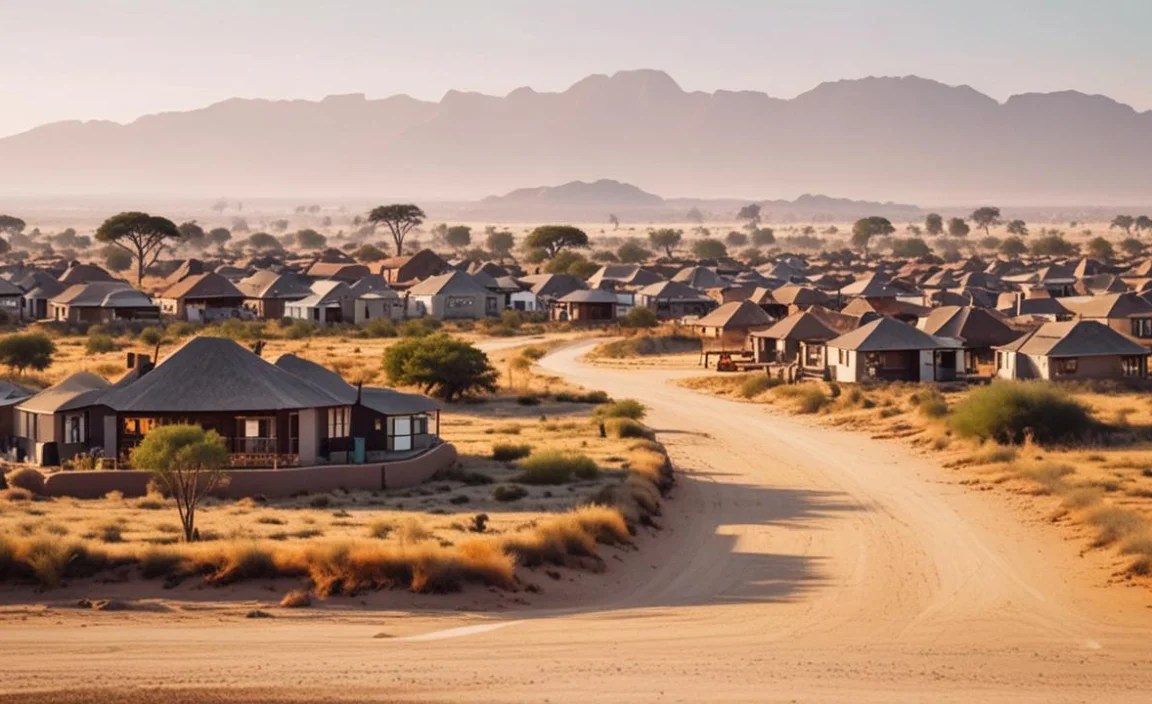
For most tourists, the decision boils down to prioritizing safari experiences. Here’s a simple way to think about it:
- If your main goal is the Okavango Delta: Base yourself in Maun for logistics and then fly into a Delta camp.
- If your main goal is Chobe National Park and/or Victoria Falls: Base yourself in Kasane.
- If you seek the ultimate exclusive safari with high chances of predators: Consider a fly-in lodge in Linyanti or a private concession within the Delta.
- If you are arriving internationally and need city services: Gaborone is your entry/exit point, but you’ll likely transfer to a safari hub quickly.
- If you’re on a very tight budget: Maun offers the most affordable lodging, but remember the cost of safari activities from there.
Accommodation Types: What to Expect

Botswana’s accommodation ranges from basic to ultra-luxury. Understanding the types will help manage expectations:
- Safari Camps/Lodges: These are the heart of Botswana tourism. They can range from tented camps (canvas tents on raised platforms with en-suite bathrooms) to solid-built lodges. Most are all-inclusive, covering meals, drinks, and safari activities.
- Guesthouses & B&Bs: Found in towns like Maun and Kasane, offering simpler, comfortable rooms.
- Hotels: Available in Gaborone and to a lesser extent in Maun and Kasane, providing standard hotel services.
- Self-Catering: Some options in and around Maun and Kasane, suitable for longer stays or budget-conscious families.
- Campsites: Available in national parks and some private areas for those with their own vehicles or looking for a more rustic experience.
Packing Essentials for Your Chosen “Neighborhood”
No matter where you stay, packing smart is key, especially for safari areas with luggage restrictions. Think layers, neutral colors, and essential comfort items. If you’re traveling with children or need personal care items, discrete and reliable products are a lifesaver. For instance, having access to comfortable, absorbent adult diapers or child diapers can drastically reduce travel anxiety, especially on long flights or during early morning game drives where facilities might be miles away. Planning for these needs can transform a potentially stressful situation into a comfortable journey. Always pack:
- Lightweight, neutral-colored clothing (khaki, beige, olive green).
- A warm fleece or jacket for cool mornings and evenings.
- Comfortable walking shoes or hiking boots.
- Sun hat, sunglasses, and high SPF sunscreen.
- Insect repellent.
- A small backpack for day trips.
- Binoculars for wildlife viewing.
- Camera and extra batteries/memory cards.
- Personal medications and a small first-aid kit.
- Reusable water bottle.
- Adapter for electronics.
Understanding Costs: Budgeting for Your Stay
Botswana is known for being a premium safari destination. The cost varies significantly by location and accommodation type.
| Location Type | Estimated Daily Cost (Per Person) | Includes | Notes |
|---|---|---|---|
| Town Guesthouse/Hotel (Maun, Kasane, Gaborone) | $80 – $200 | Room, sometimes breakfast | Does not include safari activities or transport to parks. |
| Safari Lodge/Camp (Okavango Delta, Linyanti, Khwai) | $500 – $1500+ | Accommodation, all meals, standard drinks, 2 safari activities per day, park fees. | Excludes premium drinks, gratuities, specialist activities (e.g., hot air ballooning), and internal flights. |
| Budget Campsite (National Parks) | $20 – $50 (per person/site) | Pitch for your tent/Vehicle park. | Basic facilities (often shared ablutions), requires self-catering and own transport. Park entry fees are separate. |
Important Note: The “best neighborhoods to stay” in Botswana are almost entirely defined by their proximity to wildlife and natural attractions, and thus, the most sought-after (and expensive) are the safari lodges deep within these areas.
Safety and Health Considerations
Botswana is generally a safe country for tourists, but standard precautions apply. For health, malaria is present in northern Botswana, especially during the wet season (November to April). Consult your doctor about malaria prophylactics and other necessary vaccinations before you travel. The CDC provides excellent travel health recommendations for Botswana.
When staying in remote areas, it’s crucial to follow your guide’s instructions meticulously. Always maintain a safe distance from wildlife. In towns, be aware of your surroundings, especially at night. Having travel insurance that covers medical emergencies and evacuation is highly recommended.