Navigating Bolivia public transport is simple with this essential cheat sheet, covering buses, taxis, and shared rides. Understand types, booking, etiquette, and safety for a smooth journey across the country’s diverse landscapes.
Traveling in Bolivia can be an incredible adventure, filled with breathtaking mountains, vibrant cultures, and unforgettable experiences. But getting from point A to point B, especially between cities or even within them, can sometimes feel a bit daunting if you’re not familiar with the local public transport system. Don’t worry, though! It is more accessible and affordable than you might think. This guide is designed to be your go-to resource, making your journeys across Bolivia comfortable, safe, and stress-free. We’ll break down everything you need to know, from hopping on a bus to hailing a taxi. Get ready to explore Bolivia with confidence!
Understanding Bolivia’s Public Transport Landscape

Bolivia is a vast country with diverse terrains, and its public transport reflects this. The primary ways to get around are by bus, shared taxi (trufis), and city taxis. Each has its advantages depending on your destination, budget, and the level of comfort you seek.
Buses: The Backbone of Bolivian Travel
Buses are the most common and economical way to travel long distances between cities in Bolivia. They range from basic local buses to more comfortable ‘semi-cama’ (semi-bed) and ‘cama’ (bed) services, which offer reclining seats for overnight journeys.
Types of Buses and What to Expect:
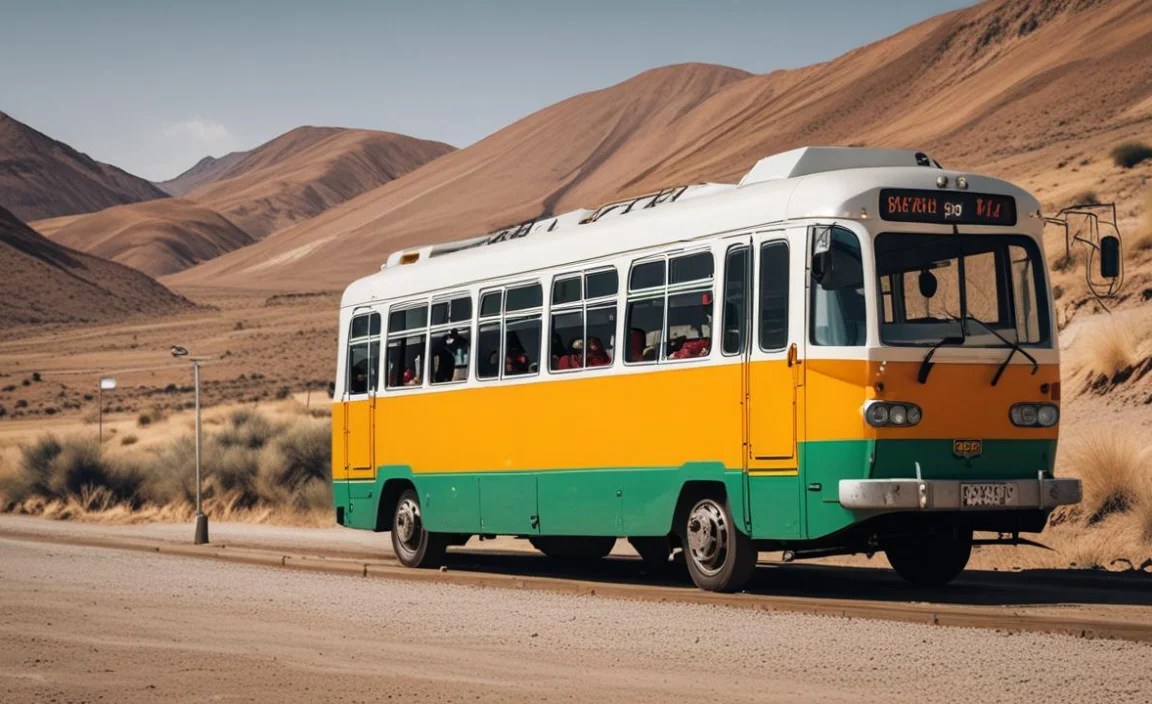
Local Buses: These are typically older, more basic buses that make frequent stops. They are best for shorter inter-city routes or within larger metropolitan areas. They are the cheapest option.
Inter-city Buses: These connect major towns and cities. They are generally more comfortable than local buses and offer various seating classes.
“Semi-Cama” and “Cama” Buses: For longer journeys, especially overnight routes, these are your best bet. Seats recline significantly, offering more legroom and comfort for sleeping. They often include a blanket and sometimes a small snack.
Booking Bus Tickets:
Bus Terminals: The easiest way to buy tickets is at the main bus terminals in each city. You can usually purchase them on the day of travel, but for popular routes or during peak season, booking a day in advance is wise.
Agencies: Many bus companies have ticket agencies in city centers, which can be convenient if you’re not near the terminal.
Online (Limited): While online booking is becoming more common, it’s not as widespread or reliable as in some other countries. Stick to booking in person for most routes.
Key Tip: Always verify the departure gate (“andén”) number on your ticket at the terminal, as signage can sometimes be confusing.
Taxis: For Shorter Distances and Convenience
Taxis are readily available in cities and towns. They offer a more direct and comfortable way to travel, especially for shorter distances or when you have luggage.
Types of Taxis:
City Taxis: These are private cars, often with a light on the roof indicating they are for hire. They are best for navigating within cities, getting to and from bus terminals, or reaching specific addresses.
Shared Taxis (“Trufis”): In many cities, especially in the Andes, “trufis” are a very popular and cheap form of shared transport. These are usually minibuses or sedans that follow a set route within the city, picking up and dropping off passengers along the way. You hail them like a regular taxi, tell the driver your destination, and if it’s on their route, they’ll agree. You pay upon exiting.
Riding with Taxis:
Agree on a Fare: It is crucial to agree on the fare before starting your journey with a private city taxi. Fares are generally low, but prices can be higher for tourists. Don’t be afraid to negotiate politely or ask locals for a ball-park figure.
Metered Taxis: Meters are rare in Bolivia. Always negotiate!
Safety: For city taxis, look for official-looking cars and consider asking your hotel or restaurant to call one for you. Avoid flagging down unmarked cars.
Shared Rides and Minivans
Beyond city “trufis,” there are also shared minivan services that operate between smaller towns and cities, sometimes more frequently than buses. These are often faster than buses but can be a bit more crammed.
Navigating Bus Terminals

Bolivian bus terminals can feel chaotic at first, but understanding how they work is key to a smooth transit.
What to Expect at the Terminal:
Multiple Companies: Terminals house ticket offices for numerous bus companies.
Gates/Platforms (“Andenes”): Buses depart from designated gates. Your ticket will specify your “andén” number.
Waiting Areas: Usually basic seating areas.
Luggage: Larger bags are typically stored in the bus’s underbelly. Smaller bags can often be kept with you or in overhead compartments. Be mindful of your belongings at all times.
Food and Drink: Vendors often sell snacks and drinks within or just outside the terminal.
Tips for Bus Terminals:
1. Arrive Early: Aim to arrive at least 30-45 minutes before your scheduled departure, especially in larger cities, to find your bus and settle in.
2. Confirm Your Gate: Double-check your “andén” number upon arrival.
3. Secure Your Belongings: Keep valuables on your person. If checking luggage, ensure it’s secured.
4. Stay Aware: Like any busy transport hub, be mindful of your surroundings and keep an eye on your bags.
Essential Inter-City Routes and Typical Costs

Bolivia’s key tourist routes are well-served by public transport. Here’s a look at some common journeys and what you might expect to pay. Prices are approximate and can fluctuate.
Common Routes and Price Estimates:
| Route | Typical Travel Time | Estimated Cost (USD) | Bus Type | Notes |
| La Paz to Sucre | 8-10 hours | $15 – $30 | Semi-cama/Cama | Overnight often preferred. Scenic but can be winding. |
| La Paz to Uyuni | 9-12 hours | $15 – $35 | Semi-cama/Cama | Direct buses available, or you might need to change in Oruro. |
| Sucre to Potosi | 3-4 hours | $5 – $15 | Standard/Semi-cama | Frequent departures. Potosi is at higher altitude. |
| Potosi to Uyuni | 7-8 hours | $10 – $20 | Standard/Semi-cama | Roads can be rough in sections. Consider a shared taxi for faster travel. |
| Santa Cruz to Sucre | 8-10 hours | $15 – $30 | Semi-cama/Cama | Longer route, usually through flatter terrain. |
| Santa Cruz to Cochabamba | 6-8 hours | $10 – $25 | Standard/Semi-cama | Can be a mountain pass to cross. |
| Cochabamba to Sucre | 4-6 hours | $8 – $18 | Standard/Semi-cama | Pleasant drive through valleys. Buses often use route via Quillacollo. |
Note: These are estimates. Prices vary by company, seat class, and time of booking. Always confirm current prices at the terminal.
City Public Transport: Getting Around Urban Areas

Navigating cities like La Paz, Sucre, Santa Cruz, or Cochabamba requires understanding their local transit systems.
La Paz: The City of Hills
La Paz presents unique transport challenges due to its steep inclines.
Mi Teleférico: This is an absolute must-experience! The cable car system, known as “Mi Teleférico,” connects different parts of the city and El Alto with incredible views. It’s efficient, safe, modern, and very affordable. It’s often faster than ground transport for many journeys. You can find more information on their official site: www.mitesferico.bo.
Buses and “Trufis”: Within La Paz and El Alto, numerous bus routes and “trufis” shuttle passengers around. Routes are often indicated by signs inside the vehicle or on the windshield. You simply tell the driver your destination and pay when you get off.
Taxis: Available throughout the city. Always agree on a price beforehand.
Sucre: Colonial Charm and Easy Navigation
Sucre, the constitutional capital, is more compact and easier to navigate.
Walking: The historic center is very walkable.
Taxis: Plentiful and relatively inexpensive for longer distances or after dark. Agree on fares.
“Taxis Colectivos”: Small cars that follow set routes. Flag them down and tell the driver your destination.
Santa Cruz: Sprawling Modernity
Santa Cruz is a large, modern city.
Buses: The city has a bus network, though it may not cover all areas comprehensively.
Taxis: Ubiquitous. Negotiate fares for city trips.
Ride-Sharing Apps: Apps like Uber and Didi operate in Santa Cruz and can offer a convenient and transparent way to book rides.
Cochabamba: The “City of Eternal Spring”
Cochabamba offers a mix of transport options.
Buses and “Trufis”: The main way locals get around. Routes are extensive.
Taxis: Readily available throughout the city. Agree on prices.
Tips for a Comfortable and Safe Journey

Traveling long distances or in unfamiliar cities can be made much smoother with a few simple precautions and tips.
Comfort is Key:
Pack Lightly: While bus companies are generally accommodating, managing heavy luggage on crowded buses or terminals isn’t fun.
Bring Snacks & Water: Especially for longer bus journeys, have your own supply of snacks and water. Buses rarely make stops for refreshments.
Stay Warm: Bolivian high-altitude cities can get cold quickly, especially at night. Pack layers, including a warm jacket and perhaps a scarf, even if the day feels warm. Buses can sometimes be too hot or too cold with their AC/heating.
Entertainment: Download offline music, podcasts, or e-books. Bus rides can be long and amenities minimal.
Adult Diapers & Child Diapers: For long journeys, especially overnight buses or if you have sensitive bladders, carrying adult diapers or child diapers can provide peace of mind. This is especially helpful if restroom breaks are infrequent or the onboard facilities are basic. Knowing you have a reliable option for comfort and managing any accidents can significantly reduce travel anxiety. Several online retailers offer discreet shipping for these essentials, ensuring you’re prepared for stress-free travel. You can research options on sites like National Diaper Bank resources for general guidance on availability and types.
Safety First:
Keep Valuables Secure: Never leave your bags unattended. Use a money belt or secure pocket for cash and important documents.
Be Wary of Scams: Be cautious of people offering unofficial help at terminals or trying to steer you to specific, overpriced taxis or hotels.
Night Travel: While overnight buses are common and generally safe, maintain vigilance. Keep your personal belongings close and be aware of your surroundings, especially when boarding or disembarking.
Share Your Itinerary: Let someone know your travel plans, including bus numbers and expected arrival times.
Hydration and Altitude: Drink plenty of water, especially in high-altitude cities like La Paz and Potosi. Avoid alcohol and heavy meals on your first day to help prevent altitude sickness.
Common Challenges and How to Overcome Them
It’s helpful to know about potential hiccups and how to handle them.
Challenge: Language Barrier
Solution: Learn a few basic Spanish phrases like “Cuánto cuesta?” (How much does it cost?), “¿Dónde está el terminal?” (Where is the terminal?), “Quiero ir a…” (I want to go to…), and “Gracias” (Thank you). A translation app on your phone, handy for offline use, can also be a lifesaver. Pointing to written destinations is also effective.
Challenge: Lateness and Delays
Solution: Bolivian time can be flexible! Buses might depart a little later than scheduled, or journeys can take longer due to road conditions. Build some buffer time into your travel plans by not scheduling tight connections.
Challenge: Comfort on Long Journeys
Solution: As mentioned, choose ‘semi-cama’ or ‘cama’ services for overnight trips. Bring a travel pillow, a blanket (even if provided, an extra one can be nice), and comfortable clothing. Earplugs and an eye mask are also excellent for undisturbed sleep.
Challenge: Rough Roads and Bumpy Rides
Solution: Some routes, especially those leading to more remote areas or crossing mountain passes, can be very bumpy. Secure your luggage well and brace yourself for a less-than-smooth ride. If you’re prone to motion sickness, consider medication and sit towards the front of the vehicle.
Challenge: Overcrowding
Solution: This is more common on local buses and “trufis.” Be prepared for close quarters. At terminals, try to board buses that aren’t already packed if you have a choice, especially if you have luggage.
Beyond Buses and Taxis: Other Transport Options

While buses and taxis dominate, other modes of transport exist, offering unique experiences.
Flights:
Bolivia has several domestic airports, connecting major cities. Airlines like Boliviana de Aviación (BoA) operate routes. Flights are significantly faster but costlier than buses. For very long distances, like from La Paz to Santa Cruz, a flight can save you a full day or more but is a substantial budget increase. Book in advance for better prices.
Trains:
Train travel in Bolivia is limited and more of a niche experience. The most notable routes are in the southern Altiplano, connecting cities like Uyuni, Tupiza, and Villazón. These are often more scenic than bus routes but are less frequent and can be slower. Websites like that of EFE (Empresa de Ferrocarriles del Estado) might offer some historical context, but for current operational schedules, checking locally at train stations is key.
Rental Cars:
* Renting a car is possible but not recommended for most travelers. Road conditions can be challenging, signage is often poor, and driving culture is different. If you do opt for this, ensure you have a reliable 4×4 vehicle and are comfortable with adventurous driving.
Conclusion: Your Bolivian Journey Awaits
Navigating Bolivia’s public transport system might seem a little intimidating at first, but with this cheat sheet, you’re well-equipped to handle it. From the extensive bus network connecting cities to the handy “trufis” within towns, there’s an option for every budget and travel style. Remember to prioritize comfort on long journeys, stay vigilant with your belongings, and always agree on fares before you travel. Embrace the adventure, enjoy the incredible scenery that unfolds outside your window, and don’t forget to learn a few Spanish phrases – it makes a world of difference! With the right preparation, Bolivia’s public transport will become your trusted companion in exploring this magnificent country. Happy travels!
Frequently Asked Questions (FAQs)
What is the best way to travel between major cities in Bolivia?
For most travelers, the ‘semi-cama’ or ‘cama’ overnight buses are the best combination of affordability, comfort, and efficiency for inter-city travel. They allow you to cover long distances while you sleep, saving on accommodation costs.
How do I buy bus tickets in Bolivia?
The easiest way is to go directly to the main bus terminal in your city of departure. You can buy tickets at the ticket counters for various bus companies. It’s advisable to buy them in advance, especially for overnight or popular routes, a day or two ahead if possible.
Are taxis safe to use in Bolivian cities?
City taxis are generally safe, but it’s crucial to agree on the fare before you start your journey, as meters are rarely used. For added security, consider asking your hotel or a reputable restaurant to call a taxi for you.
Is public transport in Bolivia reliable?
Bolivian public transport is reliable in terms of availability, but schedules can be flexible. Buses may depart a little later than advertised, and journeys can sometimes take longer due to road conditions. It’s best to build some flexibility into your travel plans.
What should I do if I don’t speak Spanish?
While knowing some Spanish is helpful, it’s not strictly necessary. Many drivers and ticket agents understand basic English, or you can use pointing, gestures, and a translation app on your smartphone. Always have your destination written down clearly.