Bolivia mid-range travel guide essential tips: Travel Bolivia comfortably and affordably with our practical advice on budgeting, packing, transportation, accommodation, food, and safety. Discover how to experience this incredible country without breaking the bank, focusing on comfort and ease for every traveler.
Bolivia is a land of breathtaking contrasts, from the salt flats of Uyuni to the bustling city of La Paz. Planning a trip here can feel a little overwhelming, especially if you’re aiming for a mid-range budget. You want to experience the magic without constant money worries, and finding that sweet spot for tours, transport, and stays is key. Don’t stress! This guide is designed to make your Bolivia adventure smooth, comfortable, and totally achievable. We’ll break down exactly how to travel Bolivia mid-range, ensuring you have a fantastic time. Get ready to explore!
Why Choose Mid-Range Travel in Bolivia?

Opting for mid-range travel in Bolivia is the sweet spot for many explorers. It’s about balancing authentic experiences with comfort and affordability. You avoid the rigors and potential discomforts of extreme budget travel, while also sidestepping the high costs of luxury. This approach allows you to enjoy private rooms, reliable transportation, well-guided tours, and delicious local food without feeling every expense. It’s the most practical way to immerse yourself in Bolivia’s wonders, ensuring you can focus on the incredible landscapes and rich culture rather than stressing about where your next dollar is going.
Understanding Bolivia’s Mid-Range
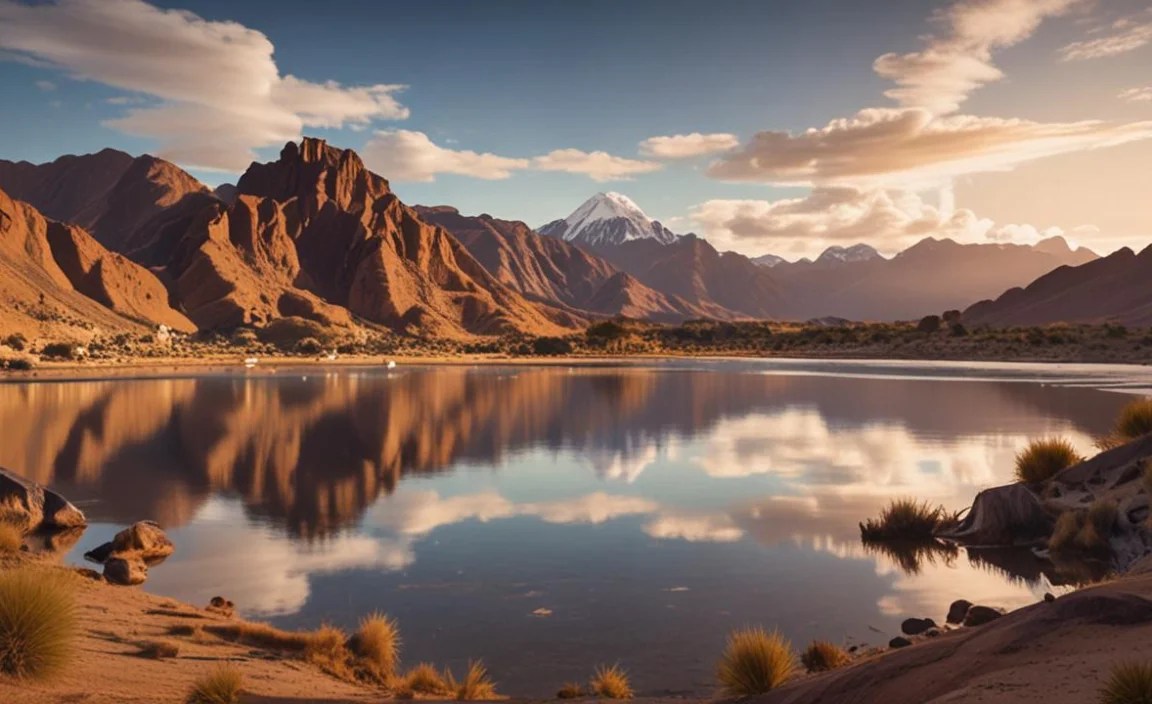
What exactly constitutes “mid-range” in Bolivia? It’s about finding value. This means choosing comfortable, well-located guesthouses or budget-friendly hotels over hostels or luxury resorts. For transportation, it involves opting for comfortable tourist buses or internal flights for longer distances, rather than local vans or expensive private taxis. Food-wise, it’s enjoying local restaurants and cafes that offer excellent value and authentic flavors. Mid-range travel in Bolivia isn’t about deprivation; it’s about smart choices that maximize your experience and minimize your financial strain.
Essential Planning Tips for Your Bolivia Trip

Getting your Bolivia trip planned well in advance is crucial for a smooth mid-range experience. This involves researching your destinations, understanding the best times to visit, and knowing what to pack. Early booking can often secure better deals on accommodation and tours, helping you stay within your budget.
Best Time to Visit Bolivia
Bolivia has two main seasons: the wet season (roughly November to March) and the dry season (April to October). The dry season is generally preferred for travel, especially for destinations like the Salar de Uyuni, as roads are more accessible and skies are clearer. However, it’s also the peak tourist season, so prices can be slightly higher. The shoulder months (April-May and September-October) often offer a good balance with pleasant weather and fewer crowds. Planning your visit during these times can contribute to a more relaxed and budget-friendly trip.
Visa and Entry Requirements
Visa requirements for Bolivia vary depending on your nationality. It’s essential to check the latest regulations with the Bolivian embassy or consulate in your country well before your travel dates. Many nationalities can enter visa-free for a certain period, but others may need to apply in advance. Ensure your passport is valid for at least six months beyond your intended stay.
Key Destinations for a Mid-Range Itinerary
Bolivia boasts an incredible array of destinations perfect for a mid-range adventure:
- Salar de Uyuni: The world’s largest salt flat is a must-see. Opt for a 2-day/1-night or 3-day/2-night tour from Uyuni town for an unforgettable experience.
- La Paz: The administrative capital, perched at high altitude, offers bustling markets, vibrant culture, and unique attractions like the Witches’ Market.
- Sucre: The constitutional capital is a beautiful colonial city, perfect for learning Spanish and exploring Bolivia’s history.
- Potosi: Famous for its silver mines, Potosi offers a stark look into Bolivia’s past and present.
- Lake Titicaca (Copacabana): Explore the highest navigable lake in the world, visit Isla del Sol, and enjoy stunning Andean scenery.
Budgeting for Your Mid-Range Bolivia Adventure

A mid-range budget in Bolivia allows for comfort without extravagance. It’s about making smart financial decisions to enhance your travel experience. Here’s a general breakdown of daily costs, keeping in mind these are estimates and can fluctuate.
Daily Budget Estimates (Per Person)
These figures are for a comfortable mid-range traveler, not including international flights. Prices are in USD for easy comparison.
| Category | Estimated Daily Cost (USD) | Notes |
|---|---|---|
| Accommodation | $30 – $60 | Comfortable hotel or private room in a guesthouse. |
| Food & Drink | $20 – $35 | A mix of local restaurants, cafes, and occasional nicer meals. |
| Transportation | $15 – $30 | Local transport, tourist buses; internal flights would increase this. |
| Activities & Entrance Fees | $20 – $40 | Day tours, museum entries, national park fees. Uyuni tours are a significant part of this. |
| Miscellaneous | $10 – $20 | Souvenirs, snacks, toiletries, tips. |
| Total Estimated Daily Budget | $95 – $185 | This range allows for flexibility and enjoying various experiences. |
Remember that the Salar de Uyuni tours are often a significant upfront cost, typically ranging from $150-$300 for a 3-day tour, depending on the operator and inclusions. This should be factored into your overall budget.
Saving Money on Mid-Range Travel
- Eat like a local: Seek out “menú del día” (set lunch menus) at local eateries. They offer fantastic value and delicious food.
- Choose smart transport: While tourist buses are comfortable, they are pricier than local collectivos. For longer hauls, consider overnight buses to save on accommodation.
- Book tours wisely: Research reputable tour operators for places like Uyuni. Sometimes booking through your accommodation or a trusted local agency can yield better prices.
- Travel in shoulder seasons: Visiting just outside the peak dry season can often mean lower prices for accommodation and tours.
- Consider Spanish: Knowing some basic Spanish phrases can help you negotiate prices and connect with locals, potentially leading to better deals.
Accommodation Options for Mid-Range Travelers

Finding comfortable and affordable accommodation is a cornerstone of mid-range travel. Bolivia offers a range of options that fit the bill perfectly.
Hotels and Guesthouses
In most towns and cities, you’ll find “hoteles” or “hospedajes” that offer private rooms, often with en-suite bathrooms. These are a step up from hostels, providing more privacy and comfort. Look for places that have good reviews for cleanliness, a safe location, and helpful staff. Many of these offer breakfast included, adding to the value.
Booking in Advance vs. On Arrival
For popular destinations like Uyuni or during peak season, booking your first night or two in advance is advisable. For less touristy areas or during the low season, you can often find good deals by walking in and negotiating. Using booking websites can give you a good overview of prices and availability, but sometimes direct booking can offer further discounts.
Comfort and Amenities to Look For
- Private Bathroom: Essential for comfort and convenience.
- Heating: Especially important in higher altitude locations like La Paz or Uyuni, where nights can be very cold.
- Wi-Fi: While connectivity can be spotty in Bolivia, having Wi-Fi in your accommodation is a plus for planning and staying in touch.
- Hot Water: A critical amenity, particularly in the cooler months.
- Location: A well-located hotel saves on local transportation costs and makes exploring easier.
Transportation: Getting Around Bolivia Comfortably

Getting around Bolivia can be an adventure in itself. For mid-range travelers, the goal is efficiency and comfort without the sky-high prices of private transport.
Long-Distance Travel
- Tourist Buses: These are a great option for mid-range travel. They are generally more comfortable, often have reclining seats, onboard restrooms, and sometimes even a hostess. Companies like Todo Turismo or Bolivia Hop offer reliable services between major cities.
- Internal Flights: For longer distances like La Paz to Santa Cruz, or to save time on a tight itinerary, domestic flights with airlines like Boliviana de Aviación (BoA) or Amaszonas can be a good choice. Book these in advance for better prices.
- Trains: Limited passenger train services exist, primarily for the route between Oruro and Villazón, connecting to Argentina. It’s an interesting option for a specific journey if it fits your route.
Local Transportation within Cities
- Taxis: Always agree on a price before getting in, or ensure the meter is used if available. For longer rides within a city, it’s your most convenient option. For stress-free travel, especially with luggage or if you need specific support, consider pre-booking airport transfers through your hotel or a reputable service.
- Taxis Seguros (Shared Taxis): In some cities, these operate on set routes and are a bit more affordable than private taxis.
- Buses: Local city buses are the cheapest option but can be crowded and confusing for newcomers.
- Waze/Google Maps: These apps are invaluable for estimating journey times and routes within cities, helping you avoid overpaying for taxis.
Food and Drink: Experiencing Bolivian Cuisine
Bolivian cuisine is hearty, flavorful, and often surprisingly affordable. Embracing local food is a highlight of mid-range travel.
Must-Try Bolivian Dishes
- Salteñas: Savory baked empanadas, often filled with chicken or beef and a juicy, slightly sweet sauce. A national breakfast staple!
- Lomo Saltado: A delicious Andean stir-fry of beef, onions, tomatoes, and potatoes, often served with rice.
- Pique Macho: A hearty dish from Cochabamba featuring chopped meat, sausages, fries, onions, and chili peppers.
- Silpancho: A traditional dish from Cochabamba, consisting of a thin piece of fried meat, rice, potatoes, and a fried egg on top.
- Sopa de Maní: Peanut soup, a comforting and flavorful broth.
Where to Eat on a Mid-Range Budget
Look for “restaurantes” that offer a “menú del día” for lunch. These typically include a soup followed by a main course for a very reasonable price, often between $3-$6 USD. For dinner, explore local eateries that cater to residents rather than exclusively tourists. Supermarkets are also great for picking up snacks, fruits, and bottled water.
Staying Hydrated and Safe
Drinking tap water in Bolivia is generally not recommended. Always opt for bottled or purified water. Many accommodations offer water refill stations, which is a more eco-friendly and cost-effective option. Be mindful of hygiene when eating at street stalls; choose vendors that appear busy and have high turnover.
Packing Essentials for Comfort and Preparedness
Packing smart is crucial for a comfortable and stress-free mid-range trip in Bolivia. Consider the diverse climates and altitudes you’ll encounter.
Clothing and Footwear
- Layering is Key: Bolivia’s climate varies dramatically by altitude and region. Pack light layers like t-shirts, long-sleeved shirts, a fleece or sweater, and a waterproof and windproof jacket.
- Comfortable Walking Shoes: You’ll be doing a lot of exploring, so sturdy, broken-in walking shoes or hiking boots are essential.
- Warm Gear: Even in the dry season, nights at high altitudes (like Uyuni or La Paz) can be freezing. Thermal base layers, a warm hat, gloves, and a scarf are highly recommended.
- Sun Protection: The sun is intense at high altitudes. Bring a wide-brimmed hat, sunglasses, and high SPF sunscreen.
- Modest Clothing: While not strictly enforced everywhere, dressing modestly, especially in rural or more traditional areas, is respectful.
Health and Personal Care
Altitude sickness, known as soroche, is a common concern. Acclimatize slowly, stay hydrated, and avoid alcohol and heavy meals on your first few days at high altitude.
- Medications: Bring any prescription medications you need, along with a basic first-aid kit including pain relievers, antiseptic wipes, bandages, and medication for stomach upset.
- Diaper Needs (Adult & Child): For travelers who require incontinence products, packing an adequate supply is wise. Look for brands that offer high absorbency and comfort for long travel days or arid climates. Many travel-friendly adult and child diapers are designed for discretion and reliability, ensuring peace of mind whether on a long bus journey or navigating city streets. Finding products like adult diapers or child diapers that are breathable and secure can make a significant difference to your comfort and confidence.
- Hand Sanitizer: Essential given varying sanitation levels.
- Insect Repellent: Useful in lower-lying, humid areas like the Amazon basin if you venture there.
Documents and Money
- Passport and Visas: Keep copies separate from the originals, and store digital copies online.
- Travel Insurance Details: Always have comprehensive travel insurance.
- Cash: Bolivian currency is the Boliviano (BOB). It’s best to carry some cash, especially in smaller towns. US dollars are widely accepted in tourist areas, but you’ll get a better rate exchanging them for Bolivianos.
- Credit/Debit Cards: While less common outside major cities, major hotels and larger businesses may accept cards. ATMs are available in cities, but inform your bank of your travel plans.
Safety and Staying Prepared
Bolivia is generally safe for tourists when common sense precautions are taken. Being aware of your surroundings and prepared for minor inconveniences will ensure a smooth trip.
Altitude Sickness Management
As mentioned, acclimatization is key. The World Health Organization provides excellent guidance on the prevention and treatment of Acute Mountain Sickness (AMS): Acute Mountain Sickness: Prevention and Treatment. Drink plenty of water, avoid alcohol on your first day at altitude, and take it easy. Coca leaves (chewed or as tea) are a traditional remedy and widely available.
Tips for Avoiding Scams and Theft
- Be Aware of Your Surroundings: Especially in crowded markets and bus stations.
- Keep Valuables Secure: Use a money belt or secure inner pockets for your passport, cash, and cards. Don’t flash expensive items.
- Taxi Safety: Use reputable taxi companies or have your hotel call one for you. Avoid hailing taxis on the street late at night.
- Food and Water Safety: Stick to bottled water and well-cooked food.
- Be Cautious with Strangers: While most people are friendly, be wary of overly helpful strangers offering unsolicited assistance, especially around transport hubs.
Emergency Contacts
Always have the local emergency numbers handy. Police: 110. Ambulance: 118. Fire: 119.
Navigating Specific Mid-Range Experiences
Let’s delve into some popular Bolivian experiences and how to approach them from a mid-range perspective.
The Salar de Uyuni Tour
This is often the highlight of a trip to Bolivia. For mid-range travelers, several tour options exist:
- Shared 3-Day/2-Night Tour: This is the most popular and cost-effective mid-range option. You’ll share a 4×4 jeep with other travelers, stay in basic salt hotels or refuges, and eat meals prepared by the driver/guide. Prices typically range from $150-$250 per person.
- Private Tour: More expensive but offers flexibility. You dictate the schedule and have a private vehicle and guide. This can be cost-effective for a small group willing to split the cost.