Don’t let unexpected rain in Bolivia dampen your travel spirit or your budget. A smart rainy day plan in Bolivia focuses on affordable, indoor activities and smart savings strategies. This guide will show you how to embrace the wet weather with confidence, ensuring you enjoy your trip while keeping essential costs low.
Why You Need a Bolivia Rainy Day Plan

Bolivia is a land of diverse climates, and while many regions boast sunshine, the rainy season can bring sudden downpours, especially in the Amazon basin and the Yungas. These atmospheric shifts can catch unprepared travelers off guard, potentially disrupting well-laid plans and leading to impulse expenses.
Imagine being stuck in La Paz or Sucre with a sudden storm rolling in. Without a backup plan, you might find yourself overpaying for last-minute indoor tours or resort activities. Having a “Bolivia rainy day plan” isn’t just about staying dry; it’s a genius way to make essential savings and discover unique, often overlooked, experiences.
This guide will equip you with practical, budget-friendly strategies. We’ll cover everything from finding free indoor attractions to making savvy food choices and utilizing local resources. Get ready to turn those rainy days into memorable and cost-effective adventures!
Understanding Bolivia’s Rainy Season

Bolivia’s climate varies dramatically by region. Generally, the rainy season runs from November to March. However, the intensity and duration can differ significantly:
- Andean Altiplano (e.g., La Paz, Uyuni): Receives less rainfall but can experience afternoon showers and fog. Temperatures can drop significantly during these periods.
- Amazon Basin (e.g., Rurrenabaque): This region is tropical and experiences its heaviest rainfall during the standard rainy season, with high humidity and frequent storms.
- Valleys and Yungas (e.g., Sucre, Coroico): These areas often have a more moderate rainy season, with a mix of sunshine and intermittent rain. Landslides can sometimes be a concern in the Yungas due to heavy rain.
Knowing which region you’ll be in and during what time of year helps tailor your rainy day plan. The key to a “Bolivia rainy day plan” that saves you money is preparation. This means researching in advance and having accessible, low-cost alternatives ready.
Genius Savings: Affordable Indoor Activities
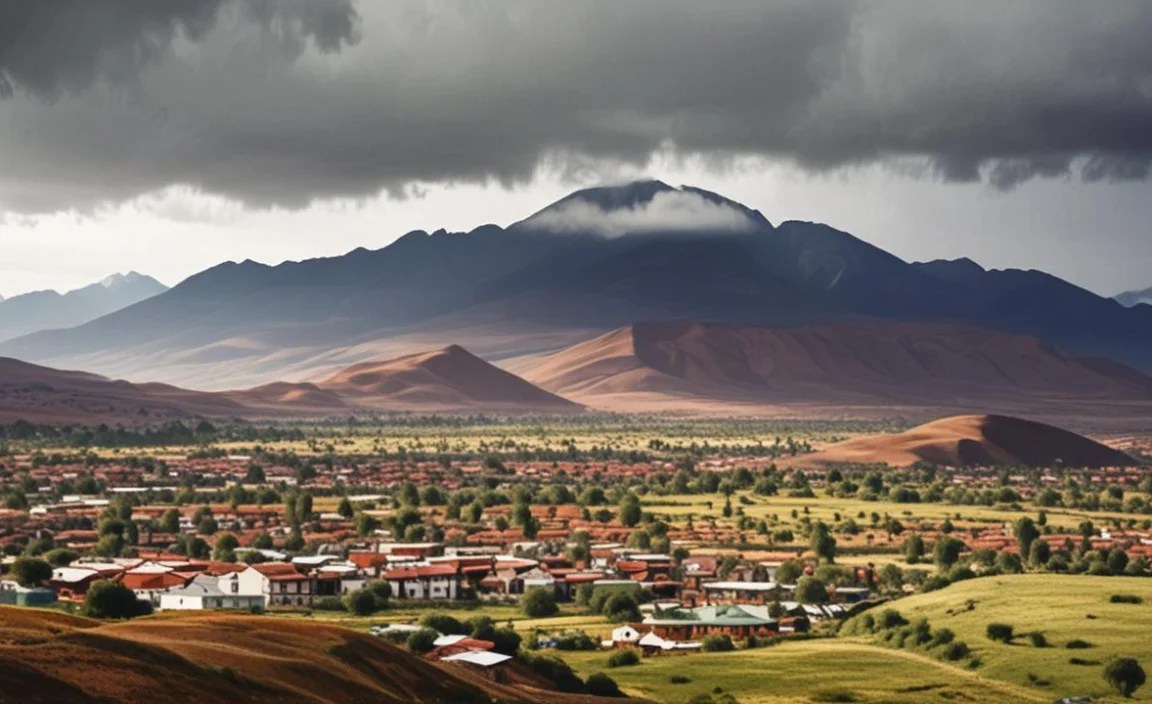
When the skies open up, your instinct might be to seek out a pricey cafe or an expensive guided tour. However, Bolivia offers many affordable and even free indoor activities perfect for a rainy day. These activities not only keep you dry but also provide authentic cultural insights without breaking the bank.
Museums and Galleries: A Cultural Dive
Bolivia is rich in history and art, and its museums are treasure troves waiting to be explored. These institutions are often housed in beautiful historic buildings, offering a double dose of charm and knowledge. Many have very low entrance fees, or even free days.
- Museo de Etnografía y Folklore (La Paz): This museum offers fascinating insights into Bolivia’s diverse indigenous cultures. It’s a great way to understand the country’s heritage.
- Museo de Arte (Murillo Street, La Paz): Located in a colonial mansion, it showcases Bolivian art, from historical pieces to contemporary works.
- Casa de la Libertad (Sucre): This is where Bolivia’s independence was declared. It’s a must-visit for history buffs and offers a glimpse into the nation’s founding.
- Museo de la Recoleta (Sucre): Situated in a convent, it displays religious art and historical artifacts. The cloistered courtyard is a serene escape.
Savings Tip: Check online or ask your accommodation about museum opening hours and any potential discounts for students or seniors. Some museums might offer free entry on specific weekdays.
Local Markets: A Feast for the Senses (Covered Areas)
While some markets are open-air, many larger ones in cities like La Paz and Sucre have covered sections. Exploring these areas can be an adventure in itself, offering a glimpse into local life, crafts, and food. It’s a perfect place to find unique souvenirs at local prices.
- Mercado de las Brujas (Witches’ Market, La Paz): Even if it’s raining, the covered stalls offer an intriguing look at traditional Andean remedies and crafts.
- Mercado Central (La Paz and Sucre): These bustling hubs are great for observing daily life, tasting local produce, and finding affordable snacks.
Savings Tip: Bargaining is expected in many market stalls, but always do so respectfully. Buying fresh fruit or a simple local empanada here is significantly cheaper than in a tourist-oriented restaurant.
Libraries and Cultural Centers: Quiet Escapes
Many cities have public libraries or cultural centers that offer a quiet and dry place to relax. You can often find free Wi-Fi, comfortable seating, and sometimes even reading materials in various languages. These spots are often overlooked by tourists and offer a peaceful respite.
Savings Tip: Look for signs or ask locals about public libraries (bibliotecas públicas) or cultural institutes. They are usually free to enter and can be a quiet haven.
Churches and Cathedrals: Architectural Grandeur
Bolivia’s colonial past has left a legacy of stunning churches and cathedrals. Many of these are free to enter and provide a place for quiet contemplation, admiring intricate architecture, and escaping the elements.
- Basílica de San Francisco (La Paz): A beautiful example of colonial architecture, offering a peaceful interior.
- Catedral Metropolitana (Sucre): One of the oldest cathedrals in South America, it’s a magnificent structure filled with history and art.
Savings Tip: Be respectful of worshippers and avoid visiting during mass times. Photography may be restricted in certain areas.
Smart Food Choices on a Rainy Day
Rainy days are perfect for diving into local cuisine, but it’s also easy to fall into the trap of expensive tourist traps. Here’s how to eat smart and save money:
Embrace Local “Almuerzos” and “Comedores”
These are local eateries serving set lunch menus (almuerzo) or a variety of dishes (comedor). They are the backbone of affordable eating in Bolivia.
- What to Expect: Typically, an almuerzo includes a soup (sopa), a main course (segundo), and a drink (bebida) for a fixed, low price.
- Finding Them: Look for places crowded with locals, often away from the main tourist squares. Signs will often say “Almuerzo” or “Comedor.”
Savings Tip: The price for a hearty almuerzo can be as low as 10-20 Bolivianos (€1-€2.50), offering incredible value. This is far cheaper than any tourist restaurant.
Food Markets for Inexpensive Bites
Beyond souvenir shopping, local markets are excellent for cheap and delicious street food and snacks. From salteñas (savory pastries) to empanadas and fresh juices, you can create a full meal for a few dollars.
- Salteñas: A quintessential Bolivian pastry, often eaten as a mid-morning snack.
- Empanadas: Various fillings, baked or fried.
- Fresh Juices: Delicious and refreshing, made-to-order.
Savings Tip: Try a variety of items from different stalls to sample more flavors. Always check for common sense hygiene practices, like food being cooked fresh.
Cafes vs. Local “Heladerías” (Ice Cream Shops)
While a fancy coffee shop might seem appealing, a local “heladería” or a small cafe often provides a similar cozy experience at a fraction of the cost. Many offer basic hot drinks and pastries.
Savings Tip: Opt for a national brand of coffee or tea rather than imported options. A simple “café con leche” in a local spot is a treat that won’t strain your budget.
Essential Comforts: Staying Prepared, Not Overpaying
Even on a rainy day, comfort is key. But comfort doesn’t have to mean expensive spa treatments or luxury hotel days. It’s about being well-prepared and making smart choices.
Invest in Quality Rain Gear (Before You Go!)
This is the ultimate money-saver. A good quality, lightweight, packable rain jacket and waterproof shoes can save you from needing to buy expensive alternatives or taking taxis everywhere because you’re caught in the rain without protection.
Where to Buy: Many outdoor gear retailers offer such items. For example, REI offers a wide range of durable and water-resistant clothing suitable for various climates. Their expert advice on rainwear can help you choose the best option for your needs.
Savings Tip: Buy these items before your trip. Purchasing them on the road in tourist areas will almost always be more expensive.
Utilize Public Transport or Walk (When Feasible)
Taxis can add up quickly, especially if you’re stuck using them frequently due to rain. If the rain is light or you have good rain gear, walking is free and allows you to see more. In cities like La Paz, the Mi Teleférico (cable car system) is an incredibly inexpensive and efficient way to get around while staying dry and enjoying panoramic views – a true rainy day win!
Savings Tip: Familiarize yourself with bus routes or the Mi Teleférico map before the rain starts. This allows for quick, low-cost travel when needed.
Embrace the “Slow Travel” Mindset
Sometimes, a rainy day is an invitation to slow down. Instead of rushing to the next paid attraction, embrace the opportunity to relax at your accommodation, read a book, write postcards, or simply watch the rain from a window. This costs nothing but can be incredibly refreshing.
Savings Tip: Stock up on snacks and drinks from local supermarkets to enjoy during your downtime. This prevents casual purchases from small convenience stores, which are pricier.
Diaper Needs for Travelers: A Comforting Solution
For travelers, especially families with young children or adults who require them, managing diaper needs can add a layer of complexity to travel, particularly during unexpected weather changes. Ensuring you have a reliable supply is crucial for comfort and confidence during your trip.
For Families Traveling with Children:
Packing enough diapers for the duration of your trip can be challenging. If you run out or need more, look for larger supermarkets (like Hipermaxi or Fidalga in major cities) which may stock a range of brands. However, availability can vary. It’s often more cost-effective and reliable to bring a sufficient supply from home. Many parents find brands like Pampers offer reliable absorbency and a good range of sizes for babies and toddlers. Planning ahead ensures you don’t spend precious travel time searching for essentials.
For Adults Requiring Diapers:
Adult incontinence products are also essential for stress-free travel. Similar to child diapers, major supermarkets in larger Bolivian cities are your best bet for finding options. Brands like Depend or local equivalents might be available. For those needing specialized products or specific brands, it is highly recommended to bring an adequate supply from your home country. This guarantees comfort, discretion, and reliability, especially important when unexpected rain might limit your mobility or access to stores.
Savings Tip: Buying in bulk from a discount retailer before you leave can significantly reduce the per-unit cost of diapers. Proper storage in your luggage to protect them from moisture is also key.
The Ultimate Bolivia Rainy Day Plan: Sample Itineraries
Here are a couple of sample rainy day plans to illustrate how you can save money and still have a fantastic time.
Sample Rainy Day Plan: La Paz
Morning: Start your day with a hearty and cheap breakfast at a local market stall. Then, head to the Museo de Etnografía y Folklore. Entry is typically very affordable.
Midday: Enjoy a traditional almuerzo at a local comedor near the museum. Afterwards, explore the covered section of the Mercado de las Brujas for unique crafts and local snacks.
Afternoon: Take a ride on the Mi Teleférico (Red or Yellow Line) for stunning (though potentially misty) city views. This is a cheap and dry way to travel and sightseeing!
Evening: Relax at your accommodation. If you need to pick up essentials, a major supermarket like Hipermaxi is a good option.
Sample Rainy Day Plan: Sucre
Morning: Visit the Casa de la Libertad and the Museo de la Recoleta. Both are historically significant and offer indoor exploration.
Midday: Have your almuerzo at a comedor in the city center. Afterwards, explore the magnificent Catedral Metropolitana, taking in its architecture and serene atmosphere.
Afternoon: Wander through the covered areas of the Mercado Central for local flavors and people-watching. Perhaps grab an inexpensive empanada or fresh juice.
Evening: Enjoy a quiet evening, perhaps with a book purchased from a local bookstore or enjoyed at your guesthouse.
Table: Rainy Day Activity Cost Comparison
This table illustrates the potential savings of using a prepared rainy day plan versus unplanned, potentially expensive alternatives.
| Activity Type | Planned Rainy Day Activity (Cost) | Unplanned “Impulse” Activity (Est. Cost) | Savings |
|---|---|---|---|
| Sightseeing | Museum entry (e.g., La Paz Etnografía y Folklore): 20 BOB (~€2.50) | Last-minute guided city tour (if available indoors): 150 BOB (~€18) | ~€15.50 per person |
| Transportation | Mi Teleférico ride (multiple lines): 10 BOB (~€1.20) | Taxis for multiple short trips: 80 BOB (~€10) | ~€8.80 per person |
| Food | Almuerzo (set menu): 15 BOB (~€1.80) | Café lunch with a drink: 50 BOB (~€6) | ~€4.20 per person |
| Souvenirs | Local market crafts: Negotiated price, e.g., 40 BOB (~€5) | Airport gift shop trinket: 100 BOB (~€12) | ~€7 per item purchase variance |
Note: BOB is the Bolivian Boliviano. Exchange rates fluctuate, ~€1 = 8 BOB. Prices are approximate estimates for comparison.
Frequently Asked Questions (FAQ) about Bolivia Rainy Day Plans
What is the best time of year to avoid heavy rain in Bolivia?
The dry season, from May to October, is generally the best time to visit if you want to avoid heavy rainfall, especially in the Altiplano regions. However, even during the dry season, you might encounter occasional showers.
Are taxis expensive in Bolivia if it rains heavily?
Taxis can become a significant expense if used exclusively due to heavy rain. While individual rides might seem affordable, frequent use adds up. Utilizing public transport like the Mi Teleférico in La Paz or walking with good rain gear is a much more budget-friendly alternative.
What are the most budget-friendly indoor things to do in Bolivia?
The most budget-friendly options include visiting free public spaces like parks (if covered areas exist), exploring colonial churches, browsing indoor markets, using public libraries, and enjoying affordable set lunches (almuerzos) at local eateries.
Is it possible to find adult diaper products in Bolivia if I run out?
Yes, major supermarkets in larger cities like La Paz, Santa Cruz, and Cochabamba typically stock a range of adult incontinence products. However, specific brands or types may be limited, so bringing a personal supply from home is always recommended for guaranteed comfort and availability.
Should I pack special clothing for the rainy season in Bolivia?
Absolutely. Packing a waterproof and windproof jacket, waterproof shoes or boots, and quick-drying clothing is highly recommended for the rainy season. An umbrella is also a useful addition for lighter showers.
How can a rainy day plan help save money on food?
A rainy day plan encourages you to seek out local “comedores” and markets for meals. These places offer delicious, authentic food at significantly lower prices than tourist-oriented restaurants or cafes. Planning helps you avoid last-minute, overpriced food options.