Bordeaux walkable routes and maps are your key to unlocking the city’s charm on foot, offering a delightful way to discover its historic architecture, vibrant squares, and beautiful riverside. This guide provides easy-to-follow routes and essential map tips for a stress-free exploration.
Bordeaux is a city that begs to be explored on foot. Its compact historic center, UNESCO-listed architecture, and the picturesque Garonne River make walking the ideal way to soak it all in. But where do you start? Navigating a new city can feel a bit daunting, especially if you’re looking for the most scenic or historically significant paths. You might worry about getting lost or missing out on the best hidden gems. Don’t fret! This guide is designed to make discovering Bordeaux on foot simple and enjoyable, just like packing the right essentials for a comfortable trip. We’ll walk you through some fantastic routes and share practical map advice to ensure your adventure is smooth sailing.
Why Walking is the Best Way to See Bordeaux

“La Belle Endormie” (The Sleeping Beauty), as Bordeaux was once known, has awakened with a vibrant energy, and much of its magic is best experienced at a leisurely pace. Walking allows you to stumble upon charming cobblestone alleys, discover independent boutiques, and savor the aromas wafting from local bakeries and bistros. It’s an immersive experience that no hop-on hop-off bus can truly replicate. Plus, with its relatively flat terrain, it’s accessible for most fitness levels, ensuring a comfortable journey for everyone, perhaps even with little ones in tow or for adults who appreciate convenient solutions. Focusing on comfort and well-being enhances any travel experience.
Getting Started: Essential Bordeaux Map & Navigation Tips
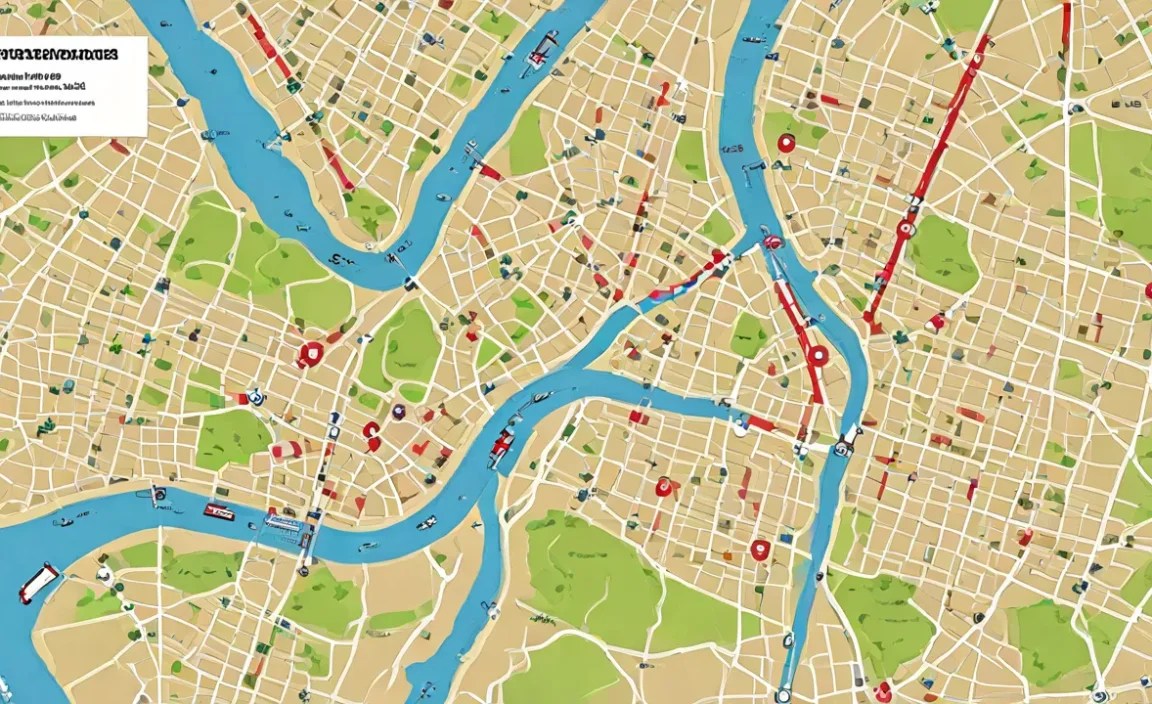
Before lacing up your walking shoes, having the right tools is crucial. Think of it like packing the perfect travel bag – the right preparation makes all the difference!
Digital Maps vs. Physical Maps
Both have their advantages. For quick checks and real-time navigation, digital maps are invaluable. For a broader overview and to avoid battery drain, a physical map can be a lifesaver.
- Digital Maps: Apps like Google Maps or Maps.me are fantastic for Bordeaux. They offer offline map downloads (crucial for areas with spotty signal), public transport information, and points of interest marked. They also provide estimated walking times.
- Physical Maps: Tourist offices in Bordeaux offer free, well-designed paper maps. These are excellent for planning longer routes and seeing the city’s layout at a glance. They don’t run out of battery either!
Key Navigation Points in Bordeaux
Familiarize yourself with a few central landmarks. These will serve as your anchors:
- Place de la Comédie: The heart of Bordeaux, home to the Grand Théâtre. Many routes naturally converge here.
- Garonne Riverfront (Quais): A beautiful, wide promenade that runs along the eastern edge of the city center. It’s incredibly easy to follow and offers stunning views.
- Saint-André Cathedral: A prominent Gothic masterpiece, easily visible from many parts of the city.
- Place de la Bourse: Famous for its Miroir d’eau (Water Mirror), a must-see.
Understanding Bordeaux’s Street Layout
Bordeaux’s historic center is laid out in a fan shape radiating from the Garonne river. The main avenues often lead back towards the river, making it generally easy to orient yourself. The Saint-André Cathedral sits towards the north-western end of the central area.
For more detailed map resources, the Institut Géographique National (IGN) in France offers high-quality topographic maps, though for city walking, the maps provided by the Bordeaux tourist office or digital apps are usually sufficient.
Bordeaux Walkable Routes & Maps: Essential Guide

Let’s dive into some curated walking routes. These are designed for varying interests and timeframes, ensuring there’s something for every traveler.
Route 1: The Grandeur of the Historic Center (Approx. 2-3 hours)
This route covers the most iconic sights of Bordeaux, perfect for first-time visitors. It’s a gentle walk, ideal for getting acquainted with the city’s elegant charm.
Starting Point: Place de la Comédie
Begin at the vibrant Place de la Comédie, marveling at the magnificent Grand Théâtre. Imagine the historical events that have unfolded here!
Step 1: Towards the Golden Triangle
From Place de la Comédie, walk down Rue Sainte-Catherine, one of Europe’s longest pedestrian shopping streets. While you can shop here, focus on the architecture. Turn left onto Rue de Montesquieu and then right into the ‘Golden Triangle’ – the area bordered by Cours de l’Intendance, Rue Georges Clemenceau, and Cours Aristide-Briand. This is where you’ll find high-end boutiques and stunning Haussmannian architecture.
Step 2: Grandeur and Gardens
Continue along Cours de l’Intendance towards Place des Grands Hommes. Afterward, head towards the Jardin Public. This lush park is a peaceful oasis, perfect for a short break. You’ll find elegant statues and a children’s playground, making it enjoyable for families.
Step 3: The Majestic Cathedral
Exit the Jardin Public and walk towards the impressive Cathédrale Saint-André and its adjacent Pey-Berland Tower. You can climb the tower for panoramic views of the city (check opening times and ticket information).
Step 4: The Grandeur Continues
From the Cathedral, stroll down Rue de la Porte, leading you towards the impressive gates of the historic Palais Rohan (now the Town Hall). Continue towards Place Gambetta, another significant square.
Step 5: The Riverfront Spectacle
Your final destination is the Garonne riverfront, specifically the area around Place de la Bourse. This is where you’ll find the famous Miroir d’eau, a large reflecting pool that creates magical reflections of the square and the river. It’s the perfect spot to relax, take photos, and watch the sunset.
Approximate Distance: 4-5 km (2.5-3 miles)
| Key Stops | Highlights | Estimated Time |
|---|---|---|
| Place de la Comédie & Grand Théâtre | Architectural marvel, city’s heart | 30 mins |
| Golden Triangle | Elegant buildings, upscale shopping | 45 mins (walking through) |
| Jardin Public | Relaxing green space, statues | 30 mins |
| Cathédrale Saint-André & Pey-Berland Tower | Gothic grandeur, city views (optional climb) | 1 hour |
| Place de la Bourse & Miroir d’eau | Iconic landmark, stunning reflections | 45 mins |
Route 2: The Artistic & Literary Heart (Approx. 3-4 hours)
This route delves into the more artistic and intellectual side of Bordeaux, exploring charming neighborhoods and cultural spots. It’s a bit more meandering, rewarding curiosity.
Starting Point: Musée d’Aquitaine (near Place des Quinconces)
Begin near the vast Place des Quinconces, Bordeaux’s largest square, and make your way to the Musée d’Aquitaine to get a sense of the region’s history.
Step 1: Bohemian Charm in Saint-Pierre
Head towards the Saint-Pierre district, one of the oldest parts of Bordeaux. Its narrow, winding streets are filled with independent art galleries, antique shops, and charming cafes. Get lost (pleasantly!) in streets like Rue du Chai des Farines and Rue du Soleil.
Step 2: Place du Marché aux Huîtres
Discover the lively Place du Marché aux Huîtres, a hub for seafood and wine. Even if you’re not stopping for a bite, the atmosphere is infectious.
Step 3: The Quai Richelieu and its Surroundings
Walk along the Quai Richelieu, offering great views of the river and the historic Chartrons district across the water. Explore the areas around Rue du Mirail and Rue des Argentiers, which have a historical feel.
Step 4: The Chartrons District
Cross the Pont de Pierre (or take a shorter walk along the river) to explore the Chartrons district. Historically the center of Bordeaux’s wine trade, it’s now a trendy area with beautiful old merchant houses converted into boutiques, wine bars, and antique shops. Streets like Rue Notre-Dame and Rue des Sablonniers are particularly atmospheric.
For an in-depth look at Bordeaux’s wine heritage, consider visiting a wine museum or a wine merchant’s house here.
Approximate Distance: 5-6 km (3-3.7 miles)
Route 3: The Riverside & Modern Marvels (Approx. 2 hours)
This route focuses on the revitalized Garonne riverfront and some of Bordeaux’s more modern architectural projects, offering a contrast to the historic center.
Starting Point: Pont de Pierre (Stone Bridge)
Start on the left bank of the Garonne, near the Pont de Pierre, for a stunning view of the city across the water. You can easily access this from the right side of the river by walking across the bridge.
Step 1: Exploring the Quays
Walk along the wide, pedestrianized riverbanks (Les Quais) towards the north. This area has been beautifully transformed with parks, promenades, and vibrant public spaces. You’ll see the iconic Miroir d’eau and the grand Place de la Bourse from this perspective.
Step 2: La Cité du Vin
Continue your walk along the quays towards the modern architectural marvel that is La Cité du Vin. This immersive wine museum is a striking landmark and offers a fantastic exploration of global wine culture. Even if you don’t go inside, the building itself is worth seeing.
Step 3: The Garonne Islands (Îles de Garonne)
If time permits, explore the nearby Garonne islands, such as Île de France or Île du Barry. These offer a different perspective and a slightly more tranquil, green environment.
Step 4: Return via the Left Bank
You can return along the left bank of the Garonne, enjoying the views back towards the historic city center as the light changes.
Approximate Distance: 4-5 km (2.5-3 miles)
Tips for a Comfortable and Stress-Free Walk

Traveling with dependents, whether young children or adults needing extra support, requires thoughtful planning for comfort and ease. This applies to exploring cities too!
- Comfortable Footwear: This is non-negotiable. Bordeaux has many cobblestone streets, so sturdy, comfortable walking shoes are your best friends.
- Stay Hydrated: Especially during warmer months, carry a reusable water bottle. You can refill it at many public fountains and sometimes in cafes.
- Snacks: Pack some non-perishable snacks. This is great for preventing meltdowns (for kids and adults!) during longer walks or for those unexpected travel moments.
- Sun Protection: Hat, sunglasses, and sunscreen are essential for sunny days.
- Navigation Aids: Ensure your phone is charged, and consider a portable power bank. Download offline maps.
- Plan for Breaks: Don’t try to rush through everything. Schedule in time for coffee, a pastry, or simply sitting on a bench to people-watch.
- Child Comfort Solutions: If traveling with children who use diapers, consider bringing along compact, travel-friendly diaper solutions. Brands offering discreet and absorbent options for various ages can make outings much more relaxed. Similarly, adults who require adult diapers can find discreet, comfortable options that allow for worry-free exploration, even on long flights or extensive walking days.
- Accessibility: While the historic center is generally walkable, some older buildings may have steps. The riverfront promenades are very accessible.
Best Time to Explore Bordeaux on Foot

Spring (April to June) and Autumn (September to October) offer the most pleasant weather for walking, with mild temperatures and fewer crowds. Summer can be hot, so early morning or late afternoon walks are best. Winter is cooler but can be charming with fewer tourists.
Beyond the Routes: Discovering Your Own Paths
While these routes provide great starting points, the real joy of exploring Bordeaux on foot often comes from spontaneous detours. Don’t be afraid to:
- Turn down an interesting-looking alley.
- Follow the scent of baking bread to a boulangerie.
- Wander through a local market.
- Simply follow the river for a while.
The city is designed to be explored at a human pace, revealing its secrets to those who take the time to look.
Frequently Asked Questions (FAQs) about Bordeaux Walkable Routes & Maps
Q1: Are the historic areas of Bordeaux safe for walking alone?
A1: Yes, Bordeaux is considered a very safe city for tourists. The historic center, especially during the day and early evening, is well-populated and safe. Like any city, it’s wise to be aware of your surroundings, particularly in less crowded areas at night.
Q2: How do I find a good paper map of Bordeaux?
A2: You can usually pick up free, detailed city maps at the Bordeaux Tourist Office (Office de Tourisme) located near Place de la Comédie. Many hotels also provide them.
Q3: What are the best times of day for walking in Bordeaux?
A3: Mornings are often less crowded and cooler, making them ideal. Late afternoons and evenings are beautiful for promenading along the riverfront as the city lights up. Midday can be warm and busy, especially in summer.
Q4: Is Bordeaux easy to navigate without a GPS or app?
A4: Yes, the historic center is quite compact and relatively easy to orient yourself within. Key landmarks like the Grand Théâtre and the Garonne River serve as good reference points. However, using a map (digital or physical) is still highly recommended for efficiency.
Q5: Are there any specific areas to avoid when walking in Bordeaux?
A5: Bordeaux is generally very safe. There aren’t any “no-go” zones for tourists. As with any urban environment, it’s always advisable to stick to well-lit and populated areas, especially late at night.
Q6: Can I find public restrooms easily while walking?
A6: Public restrooms can be somewhat scarce. You’ll likely find them in public parks (like Jardin Public) or museums. Cafes and restaurants are also an option if you purchase something.
Q7: What if I get tired or need a break during my walk?
A7: Bordeaux is full of charming cafes, benches in parks and along the riverfront, and public squares. Simply find a spot to rest, enjoy a coffee or pastry, and people-watch. The city design encourages leisurely strolls and unplanned breaks.
Conclusion
Exploring Bordeaux on foot is an enriching experience that offers unparalleled intimacy with its history, culture, and beauty. By utilizing these walkable routes, embracing practical map tips, and prioritizing comfort—whether through sturdy shoes or thoughtful provisions for family members—you can transform your visit into a seamless adventure. From the grand architecture of Place de la Bourse to the quiet charm of the Chartrons district, Bordeaux’s streets are an open invitation to discover something new at every turn. Lace up, grab your map, and let the journey begin!