Embark on a Bolivia self-guided food tour by exploring its essential flavors through key dishes, regional specialties, and local market experiences. This guide simplifies culinary discovery, ensuring a delicious and stress-free adventure through Bolivia’s vibrant food scene.
Bolivia’s food is a passionate adventure waiting to be discovered, but as a traveler, it can be tough to know where to start. What are the absolute must-try dishes? How do you navigate local markets without feeling lost? Understanding Bolivia’s cuisine is key to a truly immersive travel experience. This guide will walk you through the essential flavors, transforming your trip into a delicious, stress-free journey of culinary exploration. Get ready to taste Bolivia, one incredible bite at a time!
Your Essential Bolivia Self-Guided Food Tour: A Flavorful Journey

Planning a self-guided food tour in Bolivia might seem daunting, but it’s incredibly rewarding. Bolivia’s diverse geography, from the Andes to the Amazon, has shaped a rich and varied culinary landscape. This guide is designed to equip you with the knowledge to confidently explore its essential flavors, from bustling city markets to hidden local eateries. We’ll cover iconic dishes, regional specialties, and practical tips to make your foodie adventure seamless and unforgettable.
Why a Self-Guided Food Tour in Bolivia?
Choosing a self-guided tour means you set the pace, explore at your own comfort level, and truly connect with the local food culture. It’s about the freedom to follow your curiosity and savor every moment. You decide what to eat, where to eat it, and when to enjoy it, all while experiencing the authentic heart of Bolivian gastronomy.
Getting Started: Essential Bolivian Flavors
Bolivian cuisine is a delightful fusion of indigenous traditions and Spanish influences. Expect hearty, flavorful dishes that often feature corn, potatoes, quinoa, and various meats, seasoned with a unique blend of spices.
Key Dishes You Can’t Miss
Here are some of the most iconic dishes that define Bolivian culinary identity. Don’t leave Bolivia without trying these!
Salteñas: These are arguably Bolivia’s most famous snack. They are baked, slightly sweet, savory pastries, similar to empanadas but with a juicier, almost soup-like filling. Common fillings include chicken or beef, olives, peas, potatoes, and a hint of chili. They are a staple for breakfast or a mid-morning snack.
Pique Macho: A hearty meat dish originating from Cochabamba, this is a true Bolivian feast. It’s a mountain of chopped beef, sausage, onions, tomatoes, potatoes, aji peppers, and fried eggs, often served with a side of llajua (a spicy salsa). It’s meant for sharing and is incredibly satisfying.
Silpancho: Another Cochabambino specialty, Silpancho is a thin, pan-fried breaded beef steak served over a mound of rice, topped with fried eggs and a fresh tomato and onion salad. It’s a flavorful and substantial meal.
Sopa de Maní: This creamy peanut soup is a comforting classic. Made with beef or chicken broth, peanuts, vegetables, and meat (often beef), it’s a warming dish perfect for cooler evenings in the highlands.
Majadito: A popular dish in the Santa Cruz region, Majadito is a flavorful rice dish cooked with broth, seasonings, and often served with chicken or duck, and topped with a fried egg and plantains. It’s a taste of the Bolivian lowlands.
Understanding Regional Specialties
Bolivia’s diverse geography means distinct culinary differences between its regions.
Altiplano (Highlands): The high-altitude regions, including La Paz and Oruro, focus on hearty grains like quinoa and potatoes, along with llama and alpaca meats. Dishes are often warming and substantial. Think Sopa de Maní and Chairo (a potato and lamb soup).
Valleys (Cochabamba, Sucre): This region is known for its rich, flavorful, and often meat-heavy dishes. Cochabamba is considered the gastronomic heart of Bolivia, famous for Pique Macho and Silpancho.
Lowlands (Santa Cruz, Beni, Pando): The tropical lowlands offer lighter, fresh flavors with an emphasis on rice, corn, yucca, and tropical fruits. Majadito is a prime example, along with dishes featuring local river fish and poultry.
Navigating Local Markets: Your Culinary Compass
Markets are the vibrant heart of Bolivian life and the perfect place for a self-guided food tour. They offer an authentic glimpse into local culture and an abundance of delicious, affordable food.
Mercado Lanza (La Paz): A multi-story market where you can find everything from fresh produce to prepared meals. Head to the upper floors for fantastic food stalls offering salteñas, lunches, and fresh juices.
Mercado Central (Sucre): Another bustling hub where you can sample local delicacies and buy fresh ingredients.
Mercado Abasto (Santa Cruz): This is a massive market where you can experience the flavors of the eastern lowlands.
Tips for Market Exploration:
Go with an open mind: Try new things!
Start with a juice: Freshly squeezed fruit juices are a delightful and refreshing way to begin.
Look for busy stalls: A crowd usually means good food.
Don’t be afraid to ask: Locals are usually happy to explain dishes.
Hygiene: While generally safe, use your best judgment. Opt for freshly cooked food and bottled water.
Planning Your Bolivia Self-Guided Food Tour: Practical Steps
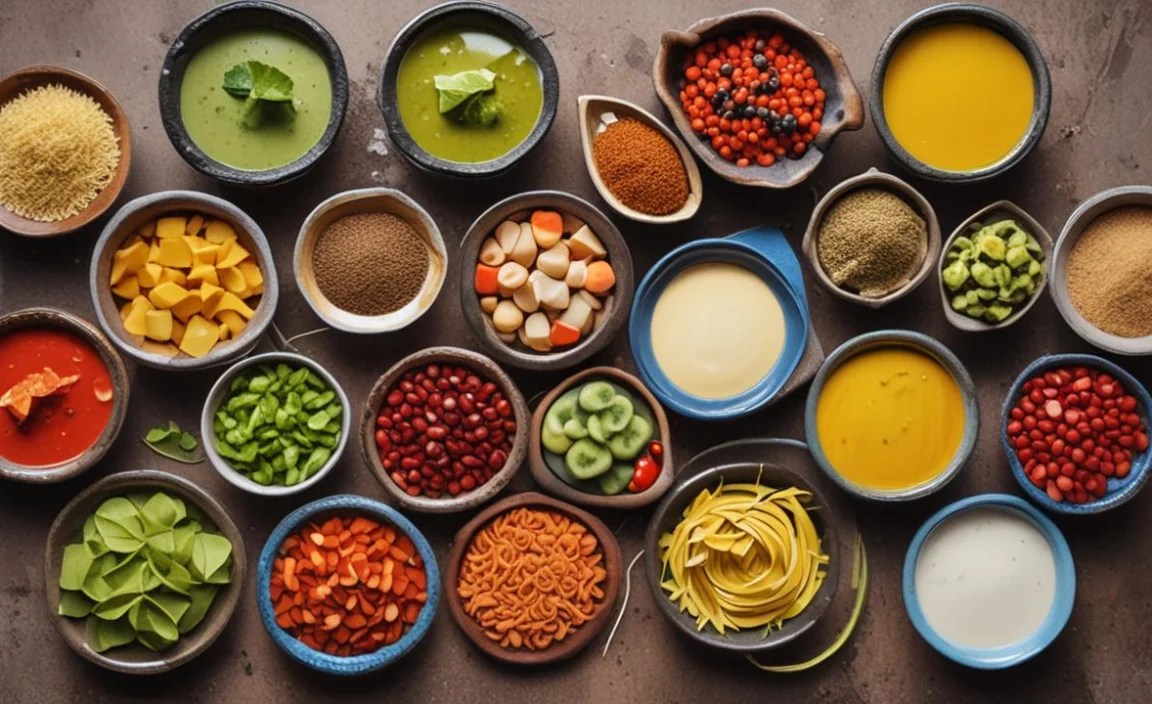
A successful food tour is all about preparation and smart choices. Here’s how to plan yours.
Step 1: Research and Prioritize
Before you go, identify the dishes and regions that most excite you. Bolivia has a lot to offer, so focusing on a few key areas can prevent overwhelm.
Prioritize regions: Decide if you’ll focus on La Paz for high-altitude specialties, Cochabamba for hearty meat dishes, or Santa Cruz for lowland flavors.
List must-try foods: Create a personal “food bucket list” for your trip.
Step 2: Understand the Local Dining Scene
Bolivian food experiences range from street food to fine dining, but the most authentic often lie in between.
“Comedor” and “Sodas”: These are small, often family-run eateries that serve set menus (menu del día) for lunch. They are incredibly affordable and offer a taste of local home cooking.
“Sangucherías”: Places specializing in sandwiches, often with generous fillings like fried beef and eggs.
“Picanterías”: Restaurants known for serving large, flavorful, and often spicy dishes, perfect for sharing.
Step 3: Budgeting for Your Culinary Adventures
Eating well in Bolivia doesn’t have to break the bank.
Street food and markets: Can cost as little as $1-$3 per meal.
“Menu del día” at comedores: Typically $3-$6.
Restaurant meals: Can range from $8-$20, depending on the establishment.
Step 4: Packing Smart for a Foodie Trip
While you might not need specialized gear, a few items can enhance your experience.
Comfortable walking shoes: You’ll be doing a lot of exploring!
A small backpack: For market finds and essentials.
Hand sanitizer: Always useful, especially when sampling street food.
A portable phone charger: To document your culinary discoveries.
For parents traveling with children: Don’t forget essential supplies. For example, having access to child diapers can make exploring busy markets or long bus journeys much more comfortable for both kids and parents. Similarly, for adults who require them, adult diapers ensure peace of mind and comfort during extended travel, allowing you to focus on the experiences rather than potential discomfort. Journey Essentials focuses on providing real-life solutions for stress-free adventures.
Reusable water bottle: Stay hydrated and reduce plastic waste.
Essential Accompaniments and Drinks

No food tour is complete without considering the drinks and side dishes that elevate the main courses.
Llajua: The Spicy Salsa Staple
You’ll encounter Llajua everywhere. It’s Bolivia’s ubiquitous salsa, a fiery blend of locoto peppers (similar to habaneros), tomatoes, and onion, often mashed together with a mortar and pestle. It adds a zesty kick to almost any dish. Be warned, it can be quite spicy!
Local Beverages to Try
Api Morado: A warm, spiced purple corn drink, often thickened with flour. It’s sweet and comforting, especially popular in the highlands, and often enjoyed with pastries like buñuelos.
Singani: Bolivia’s national spirit, distilled from Muscat grapes. Try it neat or in a “Sucumbé” (a warm brandy, milk, and egg mixture) or a “Chuflay” (with ginger ale and lime).
Bolas de Fuego: Not a drink, but a popular snack to accompany drinks – these are often fried cheese balls.
Fresh Fruit Juices: In markets, you’ll find an incredible array of freshly squeezed juices from local fruits like papaya, mango, maracu, and more.
Beyond the Plate: Cultural Insights
Your food tour is also an opportunity to learn. Notice how food is prepared, shared, and celebrated in Bolivia. Mealtimes are often social occasions, and there’s a deep respect for ingredients and traditions.
Understanding Food Etiquette
Bolivians are generally warm and welcoming. While formal etiquette isn’t usually a concern in local eateries or markets, a few points can enhance your interactions:
Greetings: A simple “Buenos días,” “Buenas tardes,” or “Buenas noches” is always appreciated.
Patience: Service can sometimes be slower than you might be used to. Embrace the relaxed pace.
Tipping: Tipping is not as customary as in some Western countries. For excellent service in mid-range restaurants, rounding up the bill or leaving 5-10% is generally appreciated but not mandatory.
The Role of Indigenous Ingredients
Bolivia’s culinary heritage is deeply rooted in indigenous traditions. Ingredients like:
Potatoes: Bolivia is the birthplace of the potato, with thousands of varieties. You’ll see them prepared in countless ways.
Quinoa: An ancient grain that’s a complete protein, it’s a staple in many Andean diets.
Corn: Found in various forms, from kernels in soups to large, fluffy ears (mote con huesillos is a popular dessert drink with peaches and corn).
Aji Peppers: The cornerstone of Bolivian spice, with many varieties, each offering a unique flavor profile.
A Sample Bolivia Self-Guided Food Tour Itinerary Snippet (La Paz)
This is a brief example of how you might structure a day in La Paz.
Morning (9:00 AM):
Start your day with a salteña from a popular local spot like El Sabor de la Abuela or a vendor in Mercado Lanza. Enjoy it with a cup of coffee or an Api Morado.
Lunch (1:00 PM):
Head to a “comedor” or “soda” in the Sopocachi neighborhood for a “menu del día.” Look for places that seem popular with locals. You might get a hearty soup like Sopa de Maní followed by a main dish.
Afternoon Snack (4:00 PM):
Explore Mercado Rodriguez and try a freshly squeezed juice. Look for exotic fruits you’ve never seen before!
Dinner (7:30 PM):
For a traditional experience, seek out a restaurant serving Pique Macho (though it’s a Cochabamba specialty, you can find good versions in La Paz, or try Chairo for a more Andean soup experience).
Comparing Food Experiences: Markets vs. Restaurants
| Feature | Local Markets | Restaurants |
| Authenticity | High; direct connection to local producers and cooks. | Varies; can be authentic or more adapted for tourists. |
| Price | Very affordable. | Moderate to expensive, depending on the establishment. |
| Variety | Wide range of fresh produce, snacks, and full meals. | Typically offers a curated menu of signature dishes. |
| Atmosphere | Bustling, vibrant, sensory overload. | Can be formal, casual, or themed; often a more relaxed dining experience. |
| Discovery | High; encourages spontaneous tasting and exploration. | Lower; you choose from a set menu. |
| Comfort | Can be crowded and less formal; focus on quick enjoyment. | Generally more comfortable seating, service, and dedicated dining environment. |
Frequently Asked Questions About Bolivian Food Tours
Q1: What is the single most important dish to try in Bolivia?
A1: While subjective, the Salteña is by far the most iconic and widely beloved. It’s a unique Bolivian pastry that’s a must-try for any visitor.
Q2: Is it safe to eat street food in Bolivia?
A2: Generally, yes, but always exercise caution. Look for busy stalls with high turnover, ensure food is cooked fresh and hot, and use your best judgment. Stick to bottled water.
Q3: What are the best markets for food in La Paz?
A3: Mercado Lanza (especially the upper floors for food stalls) and Mercado Rodriguez (for juices and produce) are excellent choices.
Q4: What is “Llajua” and how is it served?
A4: Llajua is a spicy salsa made from locoto peppers, tomatoes, and onions. It’s a staple condiment served with almost all savory dishes in Bolivia.
Q5: Are there vegetarian options in Bolivia?
A5: Yes, while meat is prevalent, many dishes can be adapted. Look for Sopa de Maní (peanut soup) made with vegetable broth, Chairo (potato soup which is often vegetarian friendly), and plenty of corn and potato-based dishes. Markets offer fresh fruits and vegetables.
Q6: What is the “Menu del Día”?
A6: It’s the “menu of the day,” a set lunch offered at affordable prices in small eateries called “comedores” or “sodas.” It typically includes a soup and a main course.
Q7: How much should I budget for a day of eating in Bolivia?
A7: For a budget-conscious traveler focusing on markets and “menus del día,” you can eat well for $10-$15 per day. If you include restaurant meals, budget $25-$40 per day.
Ensuring Comfort on Your Culinary Journey
For any traveler, comfort is key to enjoying the experience fully. This is especially true when covering lots of ground, whether that’s navigating bustling markets or taking long bus journeys between cities.
For parents: Having a reliable supply of child diapers can transform an outing from stressful to enjoyable. Imagine exploring a vibrant market without worrying about a diaper emergency. Planning ahead means you can focus on the sights, sounds, and delicious smells.
* For adults: Similarly, if you require adult diapers for comfort, discretion, or health reasons, knowing you have comfortable, reliable options available means you can fully immerse yourself in the experience. Extended travel or even just a long day of exploring should never be limited by comfort concerns. Journey Essentials understands these needs and provides solutions so you can travel with confidence and peace of mind.
Conclusion: Savoring Bolivia, One Bite at a Time
Your self-guided food tour of Bolivia is more than just eating; it’s a cultural immersion, a sensory adventure, and a chance to connect with the soul of this incredible country. From the fiery spice of Llajua to the comforting warmth of Sopa de Maní, each dish tells a story. By embracing the local markets, trying regional specialties, and understanding the heart of Bolivian cuisine, you’re set for a journey that will delight your taste buds and enrich your travel memories. So, pack your adventurous spirit (and perhaps some essential comfort items!), and get ready to savor the truly essential flavors of Bolivia. ¡Buen provecho!