The best time to visit Boracay without crowds is during the shoulder seasons: the dry season’s edges from June to early November, and the tail end of the Amihan season from late January to May. These periods offer favorable weather with fewer tourists, allowing for a more relaxed experience on its stunning beaches.
Boracay is a dream destination, known for its powdery white sands and crystal-clear waters. But like many paradise islands, it can get incredibly busy! If you’re picturing yourself lounging on the beach with plenty of space to stretch out, rather than navigating through crowds, then choosing the right time to go is key. Don’t worry, planning a trip to Boracay that balances great weather with fewer people is totally achievable. We’ll walk you through exactly when to book your flight to experience this tropical gem at its most serene.
Understanding Boracay’s Seasons
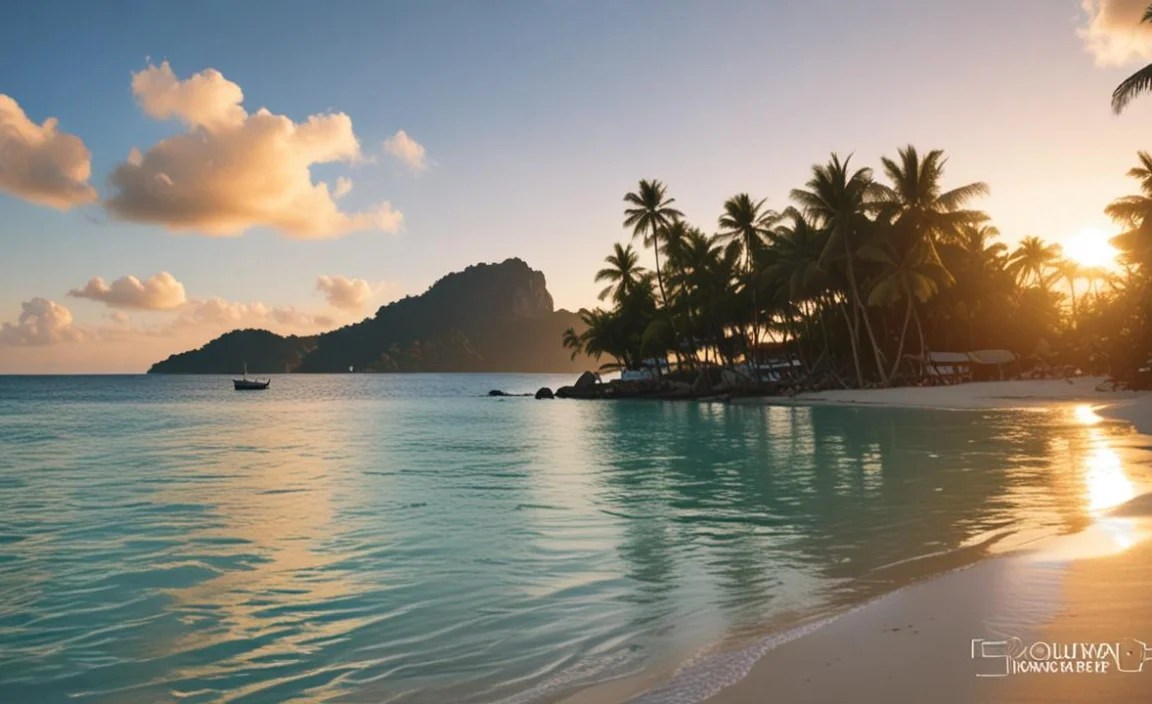
To find the sweet spot for a less crowded trip, it helps to understand Boracay’s climate and the typical tourist flow. The island essentially has two main seasons, largely dictated by the wind patterns: the Amihan (Northeast Monsoon) and the Habagat (Southwest Monsoon).
The Amihan Season (Dry and Breezy)
This is generally considered the peak tourist season for Boracay, running from roughly November to May. During these months, the weather is typically dry, sunny, and less humid. The winds come from the northeast, meaning the famous White Beach, especially Station 1 and 2, is usually calmer and perfect for swimming.
Pros:
Sunny skies and pleasant temperatures.
Calm waters ideal for swimming and water sports.
Most tours and activities are readily available.
Cons:
This is the high season, leading to larger crowds.
Accommodation and flight prices can be higher.
You’ll find information on typical weather patterns and advisories from the Philippine Atmospheric, Geophysical and Astronomical Services Administration (PAGASA), which offers valuable insights into seasonal changes.
The Habagat Season (Rainy and Windy)
From June to October, Boracay experiences the Habagat season. This brings prevailing winds from the southwest, which can result in rain showers and choppier seas, particularly on the western side of the island like White Beach. However, it’s not constant rain; you’ll often get sunny spells between downpours.
Pros:
Significantly fewer crowds.
Lower prices for flights and accommodation.
Lush, green island scenery after the rains.
Cons:
Higher chance of rain and strong winds.
Some water activities might be limited due to rough seas.
White Beach can experience more seaweed and stronger waves.
It’s important to remember that “rainy season” doesn’t always mean non-stop rain. Many days can still be bright and beautiful, interspersed with brief, refreshing showers.
Pinpointing the Best Times to Visit Without Crowds

Now, let’s get to the good part: when to go to soak up the Boracay magic with fewer fellow travelers. The secret lies in the “shoulder seasons” – the periods just before and after the peak times, or during the less predictable, but often still enjoyable, parts of the rainy season.
The Sweet Spot: January to May (Minus Peak Holidays)
While January and February are still part of the drier Amihan season and can be quite popular, the later part of this period, specifically late January through May, starts to offer a good balance. As you move further into April and May, the crowds begin to thin out slightly before the main rainy season kicks in, though it can still be busy around Easter holidays.
Late January to February: Still peak season, but post-Christmas and New Year crowds have dispersed.
March to May: This is a prime time. The weather is generally excellent – sunny and warm. While it’s still a popular period, you’ll notice fewer crowds compared to December and early January. The island is vibrant but feels more relaxed.
Navigating the Habagat Season (June to Early November)
This is where you’ll find the fewest tourists, but you’ll need to be prepared for the possibility of rain. The key is to be flexible.
June: The beginning of the Habagat season. You might experience occasional rain, but often, days are still quite pleasant with sunshine. The crowds are noticeably smaller than in the preceding months.
July to September: These are typically the wettest months. However, if you don’t mind the chance of a brief shower and are looking for the absolute fewest crowds and best prices, this is your window. Many days remain sunny and perfect for enjoying the beach.
October and Early November: As the Habagat season starts to wind down, the weather can become more unpredictable. You get fewer crowds, and the island is often transitioning back to calmer seas. This can be a fantastic time for a more tranquil visit.
We often find that individuals preparing for extended travel or those managing personal needs appreciate destinations with robust infrastructure that can accommodate diverse requirements. For instance, planning for comfort during longer journeys, whether by air or road, might involve packing essentials like adult or child diapers, ensuring peace of mind for parents and caregivers. Resources that discuss travel preparedness for differing needs can be found through organizations like the Centers for Disease Control and Prevention (CDC) for general travel health advisories.
What to Expect in the Off-Peak Months

Visiting Boracay outside of the peak months means embracing a different kind of island experience. Here’s a realistic look at what you might encounter.
Crowd Levels
Expect noticeably fewer people on the beaches, in restaurants, and at popular spots like D’Mall. You’ll have an easier time walking along White Beach, finding a good spot to lay your towel, and securing reservations at your favorite seafood dinner place. The atmosphere is generally more laid-back and less hurried.
Weather Considerations
While the dry season offers consistently sunny days, visiting during the shoulder or Habagat months means being prepared for a mix of weather.
Expect: Sunny mornings, followed by possible afternoon rain showers that are often brief. You might also encounter stronger winds, especially on White Beach during Habagat.
Be Prepared: Pack a light rain jacket or umbrella. If you’re keen on water activities, check local conditions daily. Tours might be adjusted or canceled on days with rough seas or poor visibility.
Pricing and Availability
This is one of the biggest perks of visiting during the less popular times.
Accommodation: You’ll often find significant discounts on hotels and resorts. Booking in advance is still recommended, but you’ll have more choices and better rates.
Flights: Airfare prices tend to be lower, especially if you book a few months out.
* Activities: While most activities will still run, there might be slightly less availability for high-demand tours on certain days if operators consolidate groups.
Comparing Peak vs. Shoulder vs. Off-Peak Seasons

To help you visualize the trade-offs, let’s break down the seasons with some key factors.
| Season/Period | Approximate Months | Crowd Level | Weather | Price Range | Best For |
|---|---|---|---|---|---|
| Peak Season (High) | December – January (especially holidays) | Very High | Dry, sunny, low humidity | Highest | Guaranteed sunshine, ideal for all activities. |
| Shoulder Season (Good Balance) | Late January – May | Moderate to High (lower in April/May) | Mostly Dry, sunny, warm | Moderate to High | Great weather, manageable crowds, vibrant atmosphere. |
| Shoulder Season (Less Crowds, Possible Rain) | June & October – Early November | Low to Moderate | Mixed (occasional rain, wind) | Moderate | Fewer crowds, better prices, still good for relaxation. |
| Off-Peak Season (Lowest Crowds) | July – September | Lowest | Rainy season, higher humidity, potential for stronger winds/waves | Lowest | Ultimate peace, best deals, flexibility required for weather. |
Tips for Maximizing Your Less Crowded Boracay Trip

Beyond choosing the right dates, here are a few extra tips to ensure your visit to Boracay is as relaxed and enjoyable as possible.
Book in Advance (Even in the Off-Season)
While you’ll find fewer people, popular boutique hotels or specific rooms might still get booked up. Booking your flights and accommodation a few months ahead ensures you get your preferred choices and potentially better rates. This is especially true if you have specific needs, like family rooms or accessible spaces, which can be limited.
Consider Station 1 or Station 3
During peak times, Station 2 of White Beach is the busiest hub. If you’re looking for tranquility, consider staying in Station 1, known for its luxury resorts and wider beach expanse, or Station 3, which tends to be more laid-back with budget-friendly options and a quieter vibe. Even during busy periods, these stations can feel less congested.
Embrace Early Mornings and Late Afternoons
No matter when you visit, the hours just after sunrise and before sunset are generally the least crowded. This is the perfect time for a peaceful walk along the beach, a dip in the calm waters, or enjoying a quiet breakfast with an ocean view.
Plan Activities Wisely
Some activities, like island hopping tours, are best enjoyed when the seas are calm. If you’re visiting during the Habagat season, be flexible. Have backup plans for days when the weather might not be ideal for boat trips. The beauty of Boracay isn’t just its beaches; explore its culinary scene or enjoy a spa day when the weather is less cooperative.
Stay Informed About Local Conditions
Check weather forecasts regularly. Local tourist information sites or your hotel can provide up-to-date information on sea conditions and activity availability. This helps manage expectations, especially during months with a higher chance of rain or wind.
Traveling Between Stations and Island Hopping

Getting around Boracay is relatively straightforward, and understanding this can enhance your crowd-avoidance strategy.
Tricycles and E-Trikes for Station Hopping
The main mode of transport on Boracay are electric tricycles (e-trikes) or regular tricycles. They operate on set routes and fares, making it easy and affordable to hop between Station 1, 2, and 3. During quieter periods, you’ll find them readily available and can often negotiate a direct ride without much waiting.
Island Hopping Tours
Popular spots like Coral Garden, Diniwid Beach, and nearby islands are accessible via island hopping tours. If you’re aiming for fewer crowds on your tour, try booking a private boat hire so you can set your own schedule and pick less popular times, or travel during the shoulder/off-peak seasons when group tours are naturally smaller. Sites like Department of Tourism – Philippines often have advisories and information on certified tour operators.
FAQ: Visiting Boracay Without Crowds
When is the absolute least crowded time to visit Boracay?
The absolute least crowded time to visit Boracay is typically during the heart of the rainy season, from July to September. However, this also means a higher chance of rain and wind, so flexibility with your plans is essential.
Is it ever too crowded to enjoy Boracay?
Boracay can get very crowded, especially during peak holiday seasons like Christmas, New Year, and Easter. During these times, White Beach can feel packed. However, by visiting during the shoulder or off-peak seasons, you can significantly avoid the overwhelming crowds and enjoy a more peaceful experience.
What is the weather like in the shoulder months?
The shoulder months, generally April-May and October-November, offer a good mix. April and May are usually still very sunny and warm, with crowds starting to decrease after the peak dry season. October and November are transitions; you might experience some rain as the Habagat season ends, but it often comes with fewer tourists and pleasant temperatures.
Are water activities available during the rainy season?
Water activities like swimming and snorkeling can still be enjoyed during the rainy season if conditions are safe. However, boat tours like island hopping might be limited or canceled on days with strong winds or rough seas. It’s best to check with local operators daily for the most up-to-date information.
How can I find affordable accommodation in Boracay?
Visiting during the off-peak season (July-September) or the shoulder months (especially October-November and April-May) will generally yield lower accommodation prices. Booking directly with hotels or through travel comparison websites in advance can also help you secure better deals.
Is Station 1 or Station 3 less crowded than Station 2?
Yes, generally Stations 1 and 3 are less crowded than Station 2. Station 2 is the heart of Boracay’s commercial activity, with D’Mall and numerous restaurants and bars. Station 1 is known for its wide beach and luxury resorts, often feeling more spacious. Station 3 offers a more laid-back and budget-friendly atmosphere, also typically seeing fewer people.
Conclusion: Your Perfect Serene Boracay Escape
Boracay is a paradise that truly offers something for everyone, and with a little planning, you can ensure your visit is memorable for its beauty and tranquility, not its crowds. By strategically choosing to visit during the shoulder seasons – the tail end of the dry period in April and May, or the transitional months between late January and early June, and again from October to early November – you’ll find that sweet spot where pleasant weather meets a more relaxed atmosphere.
Embrace the possibility of occasional rain showers during the Habagat season if you’re seeking the absolute fewest visitors and best deals, but always be prepared with a flexible attitude. Whether you’re a solo traveler looking for peace, a family seeking quality time without the chaos, or simply someone who appreciates a serene beach experience, understanding these patterns is your key to unlocking a less crowded, more magical Boracay. So pack your bags, keep these tips in mind, and get ready to discover the quiet charm of this world-renowned island destination.