Botswana’s best time to visit is during the dry season, from May to October. This period offers fantastic wildlife viewing opportunities as animals gather around water sources and pleasant temperatures for exploration.
Planning a trip to Botswana can feel overwhelming, especially when you’re trying to figure out the perfect time to go. What if you pick the wrong season and miss out on seeing those iconic African animals? Or maybe you’re worried about extreme heat or heavy rains ruining your adventure. It’s a common travel puzzle, but with a little guidance, you can find your “sweet spot” for an effortless escape filled with unforgettable memories. We’re here to break it down simply, so you can pack with confidence and look forward to your Botswana adventure.
Your Botswana Travel Calendar: When to Go for the Best Experience

Choosing the right time to visit Botswana makes a huge difference to your safari experience. The country’s climate is broadly divided into two main seasons: the dry season and the wet season. Each offers a unique perspective on Botswana’s incredible landscapes and wildlife. Understanding these seasons will help you plan your trip perfectly.
The Dry Season: Peak Wildlife and Comfortable Temperatures (May to October)
This is often considered the prime time for a Botswana safari, and for good reason. The air is cooler and drier, making game drives much more comfortable.
What to Expect:
Exceptional Wildlife Viewing: As water sources become scarce, animals tend to congregate around permanent waterholes and rivers. This makes them easier to spot. You’ll see large herds of elephants, zebras, and wildebeest, along with their predators like lions and hyenas.
Clear Skies and Pleasant Days: Expect sunny days with temperatures typically ranging from the mid-70s to low 80s Fahrenheit (24-28°C). Nights can get quite cool, especially in June and July, sometimes dropping close to freezing.
Fewer Insects: The dry air means fewer mosquitoes, which is a welcome relief.
Dusty Conditions: The landscape becomes drier and dustier, which is typical of an African dry season.
Pros:
Unbeatable wildlife sightings.
Ideal weather for daytime activities and comfortably cool evenings.
Low risk of malaria transmission due to fewer mosquitoes.
Thriving ecosystems centered around water.
Cons:
This is peak tourist season, so it can be more crowded and expensive, especially in popular areas like the Okavango Delta and Chobe National Park. Booking well in advance is crucial.
Vegetation is sparser, meaning less cover for some animals, though this also aids spotting.
Botswana Best Time To Visit Without Crowds: If you’re looking to experience the dry season’s fantastic wildlife viewing but want to avoid the biggest crowds, consider visiting during the shoulder months of May, early June, or late September/October. You’ll still encounter excellent game viewing, but with fewer vehicles and often slightly lower prices.
The Wet Season: Lush Landscapes and Birding Bonanza (November to April)
The wet season brings a dramatic transformation to Botswana. The landscape bursts into vibrant green, and the rains bring new life.
What to Expect:
Green and Blooming Scenery: The land becomes lush and full of life. Flowers bloom, and the scenery is incredibly picturesque.
Excellent Birdwatching: This is a paradise for bird lovers. Migratory birds arrive, and resident birds are in their breeding plumage. The calls of birds fill the air.
Calving Season: Many antelope species give birth during or towards the end of the wet season, leading to lots of adorable baby animals to spot.
Rainfall Patterns: Rain typically falls in short, intense afternoon thunderstorms rather than all-day downpours. However, some areas can receive significant rainfall, which can affect accessibility.
Higher Humidity and Temperatures: Expect warmer temperatures, often in the 80s and 90s Fahrenheit (29-35°C), and higher humidity.
More Tsetse Flies: In certain bush areas, tsetse flies can be more prevalent.
Pros:
Stunning, verdant landscapes.
Incredible birding opportunities.
Opportunity to see newborn animals.
Generally lower tourist numbers and potentially lower prices.
More photographic opportunities with dramatic skies.
Cons:
Mobility Issues: Heavy rains can make some roads impassable, especially in areas not equipped for such conditions. This can limit self-drive options and may require specialized 4×4 vehicles or flying into camps.
Wildlife Dispersion: With water available everywhere, animals can spread out, making them harder to find compared to the dry season.
Higher Mosquitoes and Malaria Risk: The presence of water increases mosquito populations, so malaria precautions are more important.
Can be very hot and humid.
Shoulder Seasons: A Blend of Both Worlds
Botswana also has shoulder seasons that can offer a fantastic compromise, giving you a taste of both the dry and wet season advantages.
Late Dry Season / Early Wet Season (October – November):
The landscape starts to green up, but waterholes are still concentrated.
Temperatures start to rise, but can be tempered by the first rains.
Wildlife is still relatively easy to spot.
Fewer crowds than the peak dry season, and prices might be slightly lower.
Late Wet Season / Early Dry Season (April – May):
The land is still lush from the rains, but beginning to dry out.
Temperatures are pleasant and cooling down.
Wildlife begins to congregate as water sources diminish.
Roads start to become more accessible.
A good balance in terms of crowds and prices.
Planning Your Perfect Botswana Itinerary
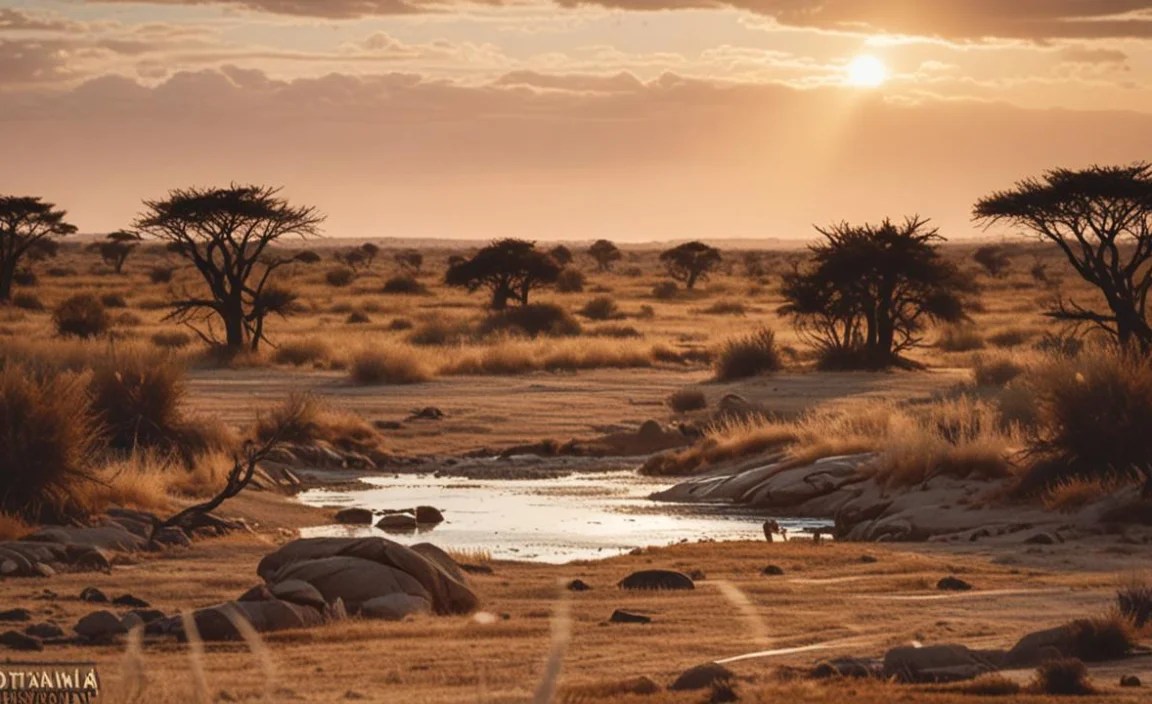
To help you visualize your trip, here’s a look at what you might experience in different parts of Botswana during the prime travel times.
Okavango Delta: The Jewel of Botswana
The Okavango Delta is a UNESCO World Heritage site and a unique inland delta. Its water levels are influenced by rains falling far to the north in Angola, meaning its flood season is slightly offset from Botswana’s local rainy season.
Best Time to Experience the Delta’s Peak Flood: March to October. This is when the delta is most flooded, making it ideal for mokoro (traditional dugout canoe) excursions and boat safaris.
Peak Season (July – September): Water levels are at their highest, offering the most spectacular delta experience. This is also peak tourist season.
Shoulder (March-June & October): Still good water levels, but with fewer tourists and potentially better rates.
Chobe National Park: The Elephant Kingdom
Famous for its huge elephant herds, Chobe is a must-visit. Its accessibility makes it popular year-round, but wildlife viewing peaks during certain times.
Dry Season (May – October): The Savuti Marsh dries up, forcing animals to the Chobe River for water. This leads to incredible concentrations of wildlife, especially elephants and buffalo. Boat safaris on the Chobe River are outstanding.
Wet Season (November – April): The landscape is beautiful and green. While animals are more dispersed, birding is excellent, and you can see young, vulnerable wildlife. Smaller crowds and lower prices can be appealing.
Makgadikgadi Pans: A Unique Salt Pan Landscape
These ancient salt pans offer a different kind of Botswana experience, from unique desert-adapted wildlife to a star-filled sky.
Dry Season (May – October): The pans are dry and vast, ideal for quad biking adventures and spotting meerkats and other desert-adapted animals. The open skies are incredible for stargazing.
Wet Season (November – April): The pans become a shallow lake, attracting huge flocks of flamingos and migratory birds. The landscape turns into a green oasis. Some areas may be inaccessible due to water.
Essential Packing List for Your Botswana Adventure

Regardless of when you visit, packing smart is key to a comfortable and stress-free trip. Here’s a breakdown of essentials, keeping in mind Botswana’s climate and activities.
Clothing & Footwear
Lightweight, Breathable Fabrics: Cotton, linen, and moisture-wicking synthetics are your friends.
Neutral Colors: Khaki, beige, olive green, and brown camouflage well and won’t attract as much insect attention. Avoid bright colors and black (which can attract tsetse flies).
Long Sleeves and Trousers: Essential for sun protection during the day and insect protection in the evenings.
Fleece or Warm Jacket: Nights, especially in the dry season and higher altitudes, can get surprisingly cold.
Comfortable Walking Shoes/Boots: For nature walks or exploring camps.
Sandals or Flip-Flops: For relaxing at the lodge.
Swimsuit: Many lodges have pools.
Health & Comfort Items for Everyone
Travel should be comfortable and accessible for everyone, no matter their needs. Packing the right essentials ensures peace of mind.
Sun Protection: High SPF sunscreen, wide-brimmed hat, and sunglasses are non-negotiable.
Insect Repellent: With DEET or Picaridin for protection against mosquitoes and other biting insects.
Personal First-Aid Kit: Band-aids, antiseptic wipes, pain relievers, anti-diarrheal medication, hydrocortisone cream, and any personal prescriptions.
Moisturizer: The dry air can be harsh on skin.
Hand Sanitizer: For use on the go.
Personal Hygiene Products: Including items if you use adult diapers or child diapers, ensuring comfort and discretion. Many modern adult diapers and child diapers are designed for extended wear, offering excellent absorbency and leak protection, ideal for long game drives or flights. Brands known for their breathability and secure fit can make a significant difference in overall comfort. Always pack more than you think you’ll need, especially for children, as changes can be more frequent when traveling. Items like wet wipes and disposal bags are also invaluable for easy clean-ups.
Tech & Accessories
Camera and Plenty of Batteries/Memory Cards: You’ll want to capture every moment!
Binoculars: Essential for spotting distant wildlife.
Power Bank/Portable Charger: To keep your devices charged.
Universal Travel Adapter: Botswana uses Type D and Type G plugs.
Headlamp or Small Torch: Useful for navigating camps at night.
A Good Book or E-reader: For downtime.
Durable Backpack: For day trips and carrying essentials.
Wildlife Encounters: What to Expect and Respect
Botswana is renowned for its incredible, free-roaming wildlife. The country prioritizes conservation, and your safari experience will be shaped by this commitment.
Understanding Wildlife Behavior
Observe from a Distance: Always maintain a safe distance from all animals. Never approach, feed, or provoke wildlife.
Listen to Your Guide: Your experienced safari guide knows the local wildlife and will ensure your safety. They will instruct you on how to behave during sightings.
No Feeding: Feeding animals can lead to aggressive behavior and health problems for the animals.
Quiet Observation: Avoid loud noises or sudden movements that could startle or scare animals away.
Responsible Tourism
Choose Eco-Friendly Lodges and Tour Operators: Look for those committed to sustainability and conservation. Organizations like the Botswana Tourism Organisation provide information on certified operators.
Minimize Your Footprint: Stick to designated paths, avoid littering, and conserve water and energy.
Support Local Communities: Purchase local crafts and products directly from artisans when possible.
Packing for Comfort and Peace of Mind: From Diapers to Daypacks
Traveling, especially with family or for extended periods, requires thoughtful preparation. Ensuring everyday comfort can make a world of difference. For parents, managing changes for children, perhaps including the use of child diapers, is part of the routine. Modern child diapers offer superior absorbency and a secure fit, making long game drives or travel days much smoother. Similarly, for adults who benefit from adult diapers, comfort and discretion are paramount. Opting for breathable, absorbent products designed for extended wear can significantly enhance your travel experience, allowing you to focus on the adventure rather than potential discomfort. A reliable daypack is also crucial for keeping these essentials, snacks, water, and your camera readily accessible during excursions.
Conclusion: Your Effortless Botswana Escape Awaits
Botswana is a land of unparalleled natural beauty and breathtaking wildlife, and choosing the right time to visit is the first step towards an unforgettable journey. Whether you dream of spotting vast elephant herds against a sunset, gliding silently through the Okavango Delta in a mokoro, or marveling at the unique vastness of the Makgadikgadi Pans, there’s a season that perfectly suits your safari aspirations.
The dry season, from May to October, stands out for its incredible wildlife viewing and comfortable temperatures, making it the most popular choice. However, the lush, green landscapes and abundant birdlife of the wet season offer a different, equally magical experience, often with fewer crowds. By considering the nuances of each season and planning your packing with comfort and practicality in mind – including any personal needs for items like adult or child diapers – you’ll be well-prepared for an adventure that captivates your senses and rejuvenates your spirit. Botswana’s wilderness is ready to welcome you for an effortless escape you’ll cherish forever.
Frequently Asked Questions About the Best Time to Visit Botswana
Here are some common questions beginner travelers have about planning their Botswana safari.
- When is the absolute best time to see the Big Five in Botswana?
- The dry season, from May to October, offers the best chances to see the Big Five (lion, leopard, elephant, rhino, and buffalo). Animals are more concentrated around water sources, increasing sighting opportunities.
- Is Botswana too hot to visit in its summer months (November to April)?
- Botswana’s summer is the wet season, and while it is hotter (with temperatures often in the high 20s to mid-30s Celsius / 80s to 90s Fahrenheit), the heat is often broken by refreshing afternoon thunderstorms. The lush scenery and birdlife make it a worthwhile time for some travelers, especially those seeking fewer crowds.
- What are the ‘shoulder seasons’ in Botswana, and are they a good compromise?
- The shoulder seasons are April-May (end of wet, start of dry) and October-November (end of dry, start of wet). They offer a great compromise by blending pleasant weather, green landscapes, decent wildlife viewing, and fewer crowds than the peak dry season.
- How does the Okavango Delta’s flood season work, and when is it best to visit?
- The Okavango Delta floods from Angola’sAngolan rains, peaking in Botswana between June and September. This is the best time for water-based activities like mokoro trips. While water levels are high, it’s also peak tourist season and pricing.
- What should I pack for a Botswana safari concerning clothing?
- Pack lightweight, breathable clothing in neutral colors (khaki, beige). Include long-sleeved shirts and trousers for sun and insect protection, a warm fleece for cool evenings, comfortable walking shoes, and sandals. Avoid dark colors like black and blue as they can attract tsetse flies.
- Is malaria a concern in Botswana, and when is the risk highest?
- Malaria is present in Botswana, and the risk is highest during the warmer, wetter months (November to April) due to increased mosquito activity. Consult your doctor about malaria prophylaxis well before your trip and always use insect repellent.
- Can I visit Botswana with children, and what’s the best time for families?
- Yes, Botswana is a fantastic family destination! The dry season (May-October) is generally preferred for families due to consistent wildlife sightings and less malaria risk. Ensure you pack accordingly, including any specific comfort items like child diapers for ease and stress-free travel.