Planning a trip to Boracay on a budget is totally achievable with the right strategy. This guide provides essential tips for saving money on flights, accommodation, food, and activities, ensuring a memorable and affordable island getaway without compromising on the fun.
Hey there, fellow adventurers! Dreaming of Boracay’s powdery white sands and crystal-clear waters but worried about your wallet? You’re not alone! Many travelers think paradise comes with a hefty price tag, but the truth is, with a little smart planning, you can absolutely experience the magic of Boracay without breaking the bank.
I know firsthand how stressful it can be to balance a travel budget, especially when you want to relax and enjoy yourself. That’s why I’ve put together this easy-to-follow guide, filled with practical tips and money-saving hacks specifically for Boracay. Get ready to discover how to stretch your peso further and make your dream vacation a reality. We’ll cover everything from getting there to eating well on a budget!
Your Boracay Budget Travel Guide: Essential Tips

Boracay, a gem in the Philippines, is famous for its stunning beaches and vibrant atmosphere. While it’s a dream destination for many, it can also seem expensive. But fear not! As Michael C. Herrera from Journey Essentials, I’m here to show you how to navigate Boracay on a shoestring budget. We’ll focus on smart choices that let you enjoy this tropical paradise to its fullest.
1. Timing is Everything: When to Visit Boracay
The most significant factor in keeping your Boracay trip budget-friendly is choosing the right time to go. Prices for flights and accommodation fluctuate dramatically based on demand.
Peak Season vs. Low Season

- Peak Season (November to April): This is when the weather is at its best with sunny skies and calm seas. However, it’s also the most expensive and crowded time. If your budget is tight, this is likely not the ideal time to visit.
- Shoulder Season (May to October): You’ll find better deals on flights and hotels during these months. While there might be occasional rain showers, they usually pass quickly, and you can still enjoy plenty of sunshine. Plus, fewer crowds mean a more relaxed experience.
- Bagong Taon (New Year) and Semana Santa (Holy Week): Avoid these major Philippine holidays at all costs if you’re on a budget. Prices skyrocket, and accommodations book up months in advance.
Pro-Tip for Budget Travelers
Aim for the months just outside the peak season. Late October, November (before the start of the Christmas rush), and May can offer a sweet spot of good weather and lower prices. Traveling mid-week can also sometimes yield slightly cheaper flight and accommodation options.
2. Smart Travel to Boracay: Flights and Transfers

Getting to Boracay involves a few steps, and there are ways to save money at each stage.
Choosing Your Airports
Boracay doesn’t have its own airport. You’ll fly into either Caticlan (MPH) or Kalibo (KLO). Caticlan is much closer to Boracay Island (about a 10-minute boat ride), making transfers quicker and usually a bit cheaper in total. Kalibo is further away (about a 1.5 to 2-hour bus/van ride to the jetty port), but flights to Kalibo are often significantly cheaper.
Decision Point: If you find a substantially cheaper flight to Kalibo, the longer transfer might be worth the savings. If the price difference is small, Caticlan is more convenient.
Budget-Friendly Flight Booking Tips
- Book in Advance: Airlines typically offer the best deals for bookings made several weeks or months ahead.
- Be Flexible with Dates: If possible, shift your travel dates by a day or two. Flying on a Tuesday or Wednesday can often be cheaper than on weekends.
- Use Flight Comparison Websites: Tools like Skyscanner, Google Flights, and Kayak can help you compare prices across different airlines and dates.
- Consider Budget Airlines: Philippine carriers like Cebu Pacific and AirAsia often have promotional sales. Sign up for their newsletters to be alerted to these deals.
Transfers from Airport to Boracay Island

Here’s a general breakdown of the transfer process and costs:
- Airport to Caticlan Jetty Port: From Caticlan Airport, it’s a very short tricycle ride (a few minutes) to the jetty port.
- Boat Ride to Boracay: You’ll take a boat from Caticlan Jetty Port to Boracay’s Cagban Port.
- Environmental and Terminal Fees: Be prepared for these mandatory fees. They are subject to change and are typically paid at the ports. Check the latest rates on official tourism websites. For example, the Boracay Inter-Agency Management Council (BIAMC) provides updates on regulations and fees.
- Tricycle to Your Accommodation: Once in Boracay, a tricycle will take you to your hotel or resort.
Budget Tip: You can often save a little by arranging shared van transfers from Kalibo to Caticlan Jetty Port instead of individual bus tickets. Also, compare the total cost: flight savings to Kalibo + transfer costs vs. flight cost to Caticlan + shorter transfer costs.
3. Accommodation on a Dime: Where to Stay
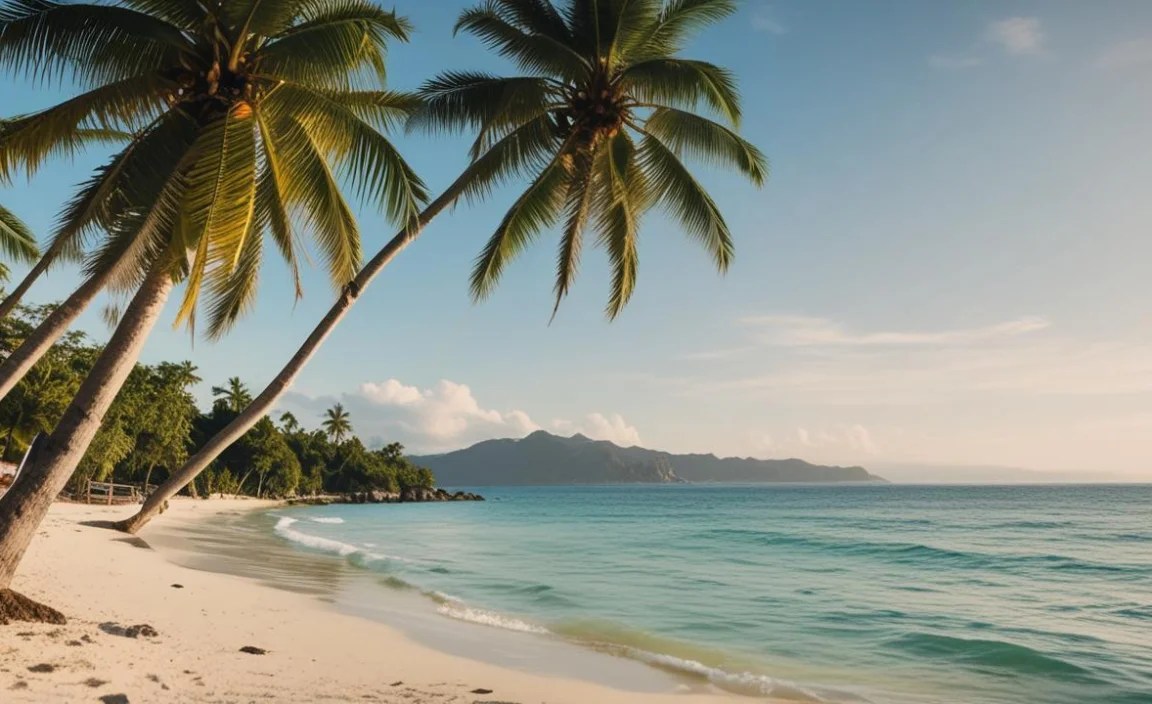
Boracay offers a spectrum of accommodation, from luxury resorts to basic guesthouses. For budget travelers, the key is to look beyond the beachfront resorts.
Station 1, 2, and 3: What’s the Difference?
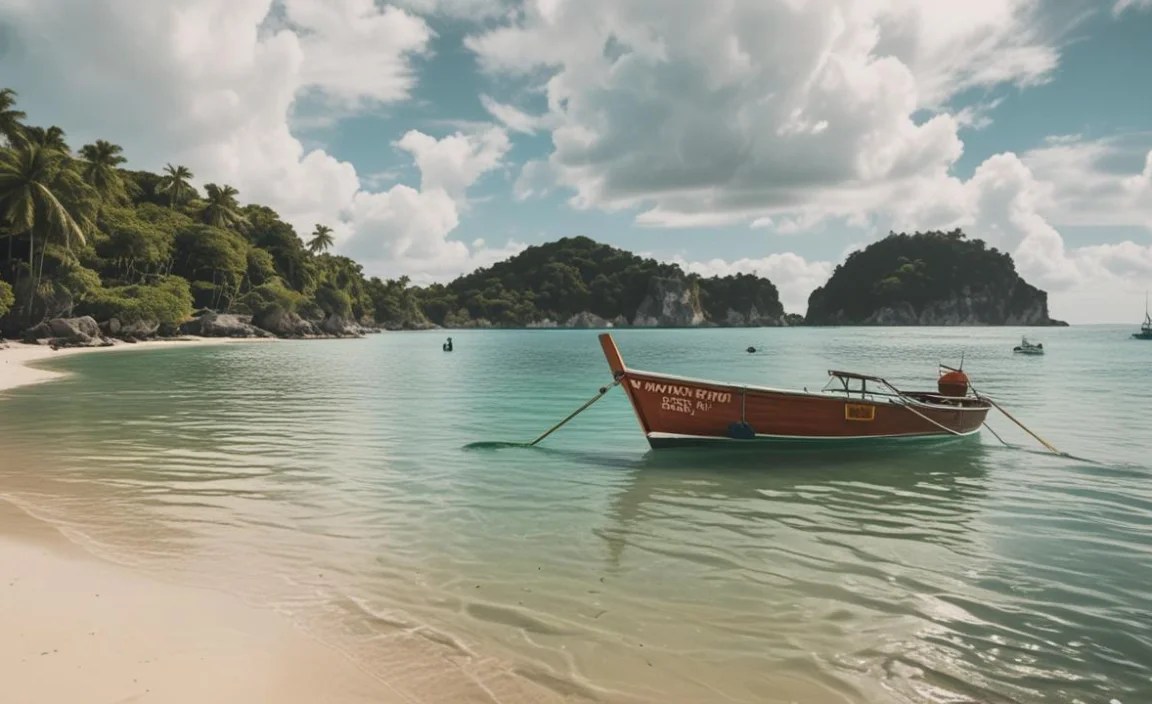
- Station 1: Known for its fine white sand and more upscale resorts. Generally the most expensive area.
- Station 2: The heart of Boracay, with a mix of hotels, restaurants, shops, and nightlife. Busy and can still be pricey.
- Station 3: This is where you’ll find the most budget-friendly guesthouses, hostels, and smaller inns. It’s quieter than Station 2 but still easily accessible to everything.
Beyond the Beachfront
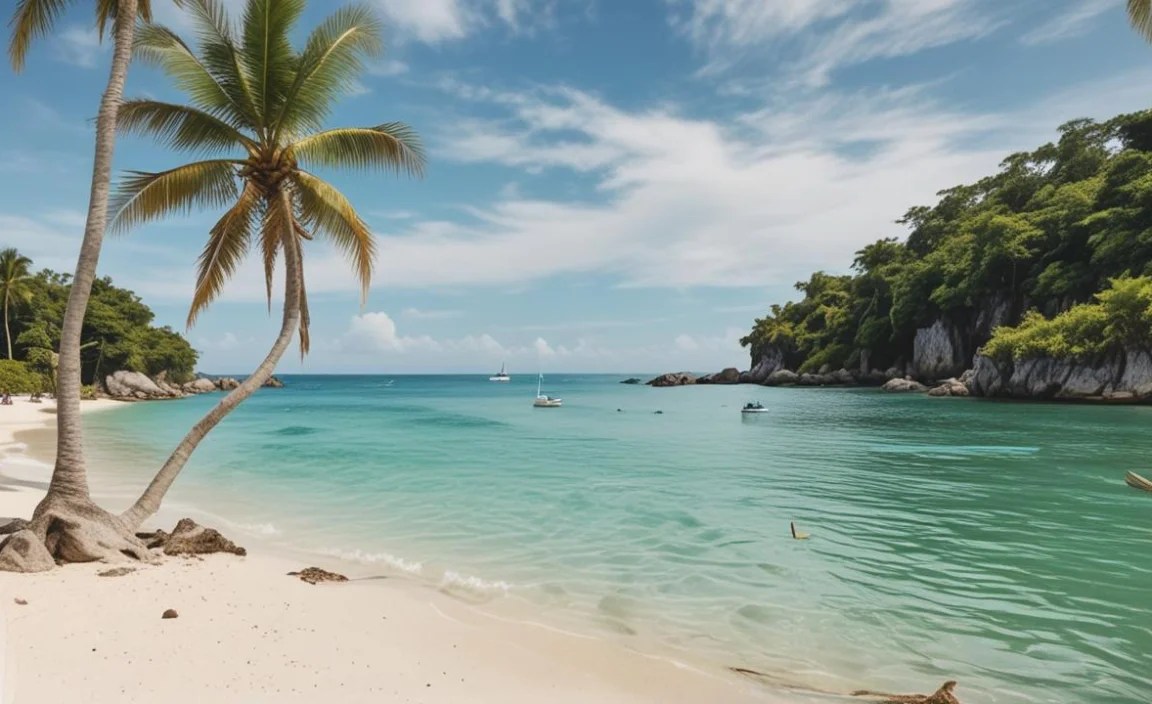
Consider staying a block or two away from the main beach. You might not have an ocean view from your room, but you’ll often find significantly lower prices. Many charming guesthouses and budget hotels are just a short walk from the sand.
Hostels and Guesthouses
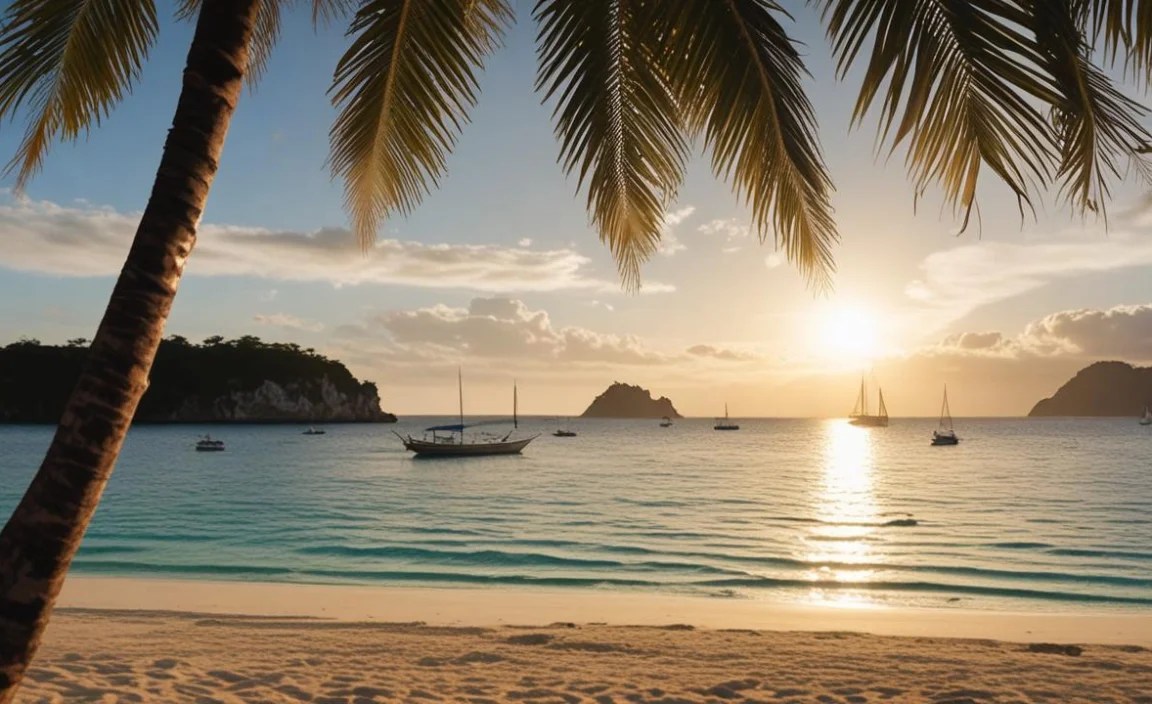
These are your best friends when traveling on a budget. They offer clean, comfortable rooms, often with shared or private bathrooms. Many hostels also have common areas where you can meet other travelers and share tips.
Booking Platforms
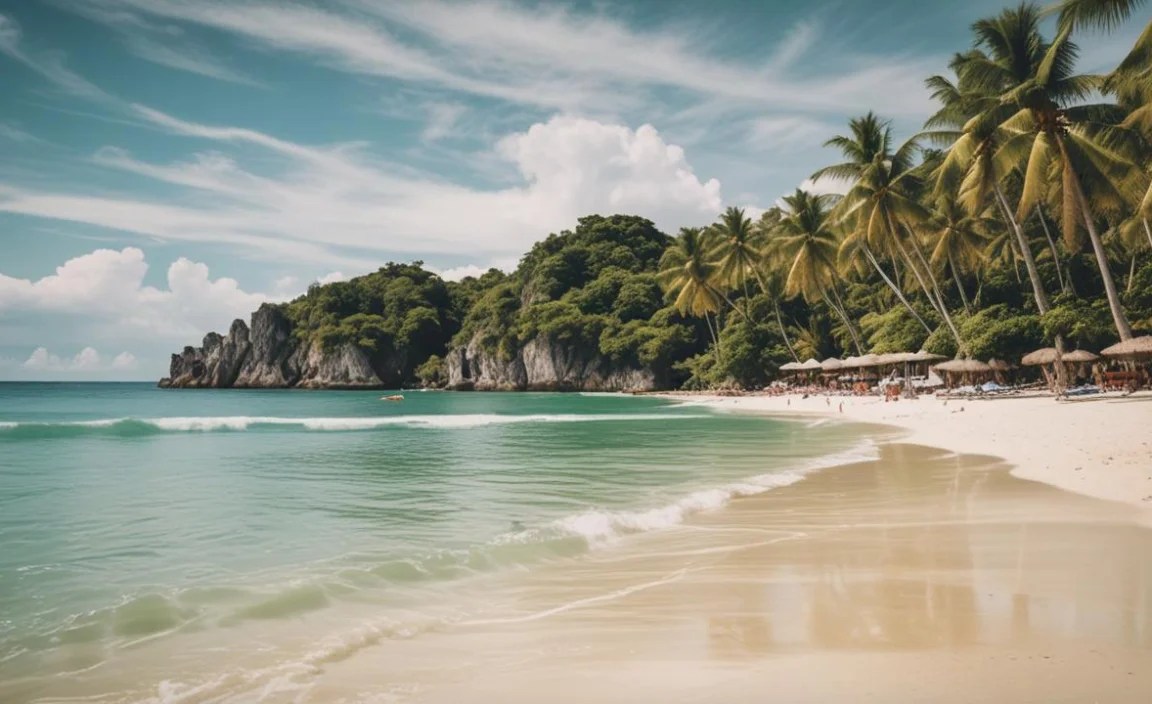
Use popular booking sites like Agoda, Booking.com, and even Airbnb. Filter your search by price and read recent reviews carefully. Pay attention to ratings for cleanliness and staff helpfulness.
Table: Average Accommodation Costs (Estimates)
| Accommodation Type | Estimated Price Per Night (PHP) | Best For |
|---|---|---|
| Hostel Dorm Bed | 500 – 1,200 | Solo travelers, backpackers |
| Budget Guesthouse/Inn (Private Room) | 1,000 – 2,500 | Couples, budget-conscious travelers |
| Mid-Range Hotel (Room) | 2,500 – 5,000 | Families, those wanting a bit more comfort |
| Boutique Resort (Room) | 5,000+ | Luxury travelers |
Note: Prices are estimates and can vary greatly depending on the season and specific property.
Traveler’s Tip: If you’re traveling with a partner or friend, booking a private room in a budget guesthouse can sometimes be cheaper per person than two separate hostel beds, offering more privacy too.
4. Eating Well Without Overspending
Food can be a significant budget item, but Boracay offers plenty of delicious and affordable dining options.
Local Eateries and Carinderias
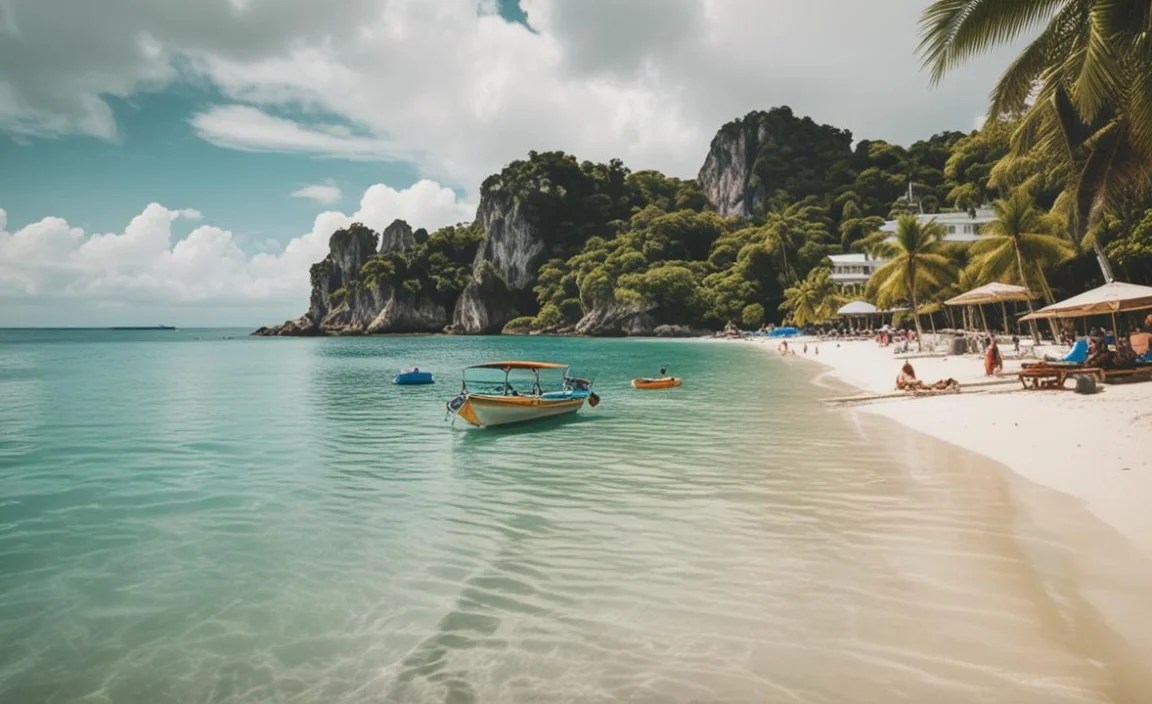
The secret to eating cheap and authentic Filipino food is to find local eateries called “carinderias.” These are small, often humble establishments that serve home-style Filipino dishes like adobo, sinigang, and grilled meats at incredibly low prices. Look for places packed with locals – that’s usually a good sign!
D’Talipapa Market Experience
D’Talipapa is a seafood market where you can buy fresh catch (fish, prawns, squid, etc.) and have it cooked at one of the nearby restaurants for a fee. This can be a fun and often cost-effective way to enjoy a fresh seafood feast. However, be sure to haggle for the price of the seafood and agree on the cooking fee beforehand to avoid being overcharged.
Street Food and Snacks
Wander along the beach paths and try local snacks like “isaw” (grilled chicken or pork intestines), fish balls, banana cue, and turon. They are cheap, delicious, and a true taste of local street food culture.
Convenience Stores and Supermarkets
For breakfast items, snacks, or even a simple meal, convenience stores like 7-Eleven and Ministop are readily available. They sell pre-packaged meals, bread, and drinks, which are much cheaper than eating at a restaurant for every meal.
Limit Fancy Restaurants
While it’s tempting to dine at beachfront restaurants, these are typically the most expensive. Save these for a special occasion, or just enjoy a drink there and eat your meals at more budget-friendly spots.
Boracay Budget Menu Sample (Estimates)
| Meal Type | Typical Cost (PHP) | Where to Find |
|---|---|---|
| Filipino Breakfast (Tapsilog, etc.) | 100 – 200 | Carinderias, local eateries |
| Lunch Set Meal (Grilled Pork/Chicken + Rice) | 150 – 300 | Carinderias, local eateries |
| Seafood Feast (D’Talipapa – price varies by catch) | 300 – 800 per person (meal included) | D’Talipapa Market + cooking restaurants |
| Street Food (Fish balls, Isaw) | 10 – 50 per stick/serving | Street vendors along the beach paths |
| Convenience Store Meal (Sandwich/Hotdog) | 70 – 150 | 7-Eleven, Ministop |
Note: Prices are approximate and subject to change.
5. Activities Without Draining Your Funds
Boracay offers a plethora of activities, and many can be enjoyed without spending a lot of money.
Beach Bliss: Free and Essential
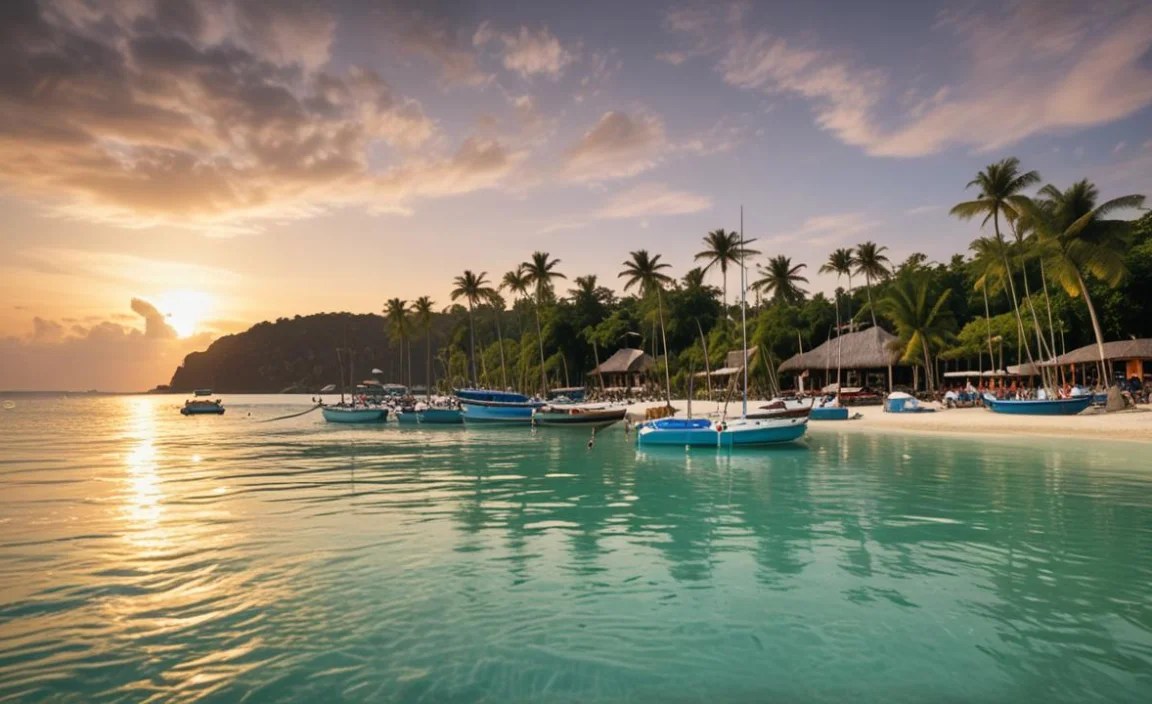
The main draw of Boracay is its stunning beaches: White Beach, Diniwid Beach, and Puka Beach. Simply walking along White Beach, swimming in the clear blue waters, and watching the sunset are absolutely free and incredibly rewarding. Spend your days soaking up the sun and enjoying the natural beauty.
Sunset Watching
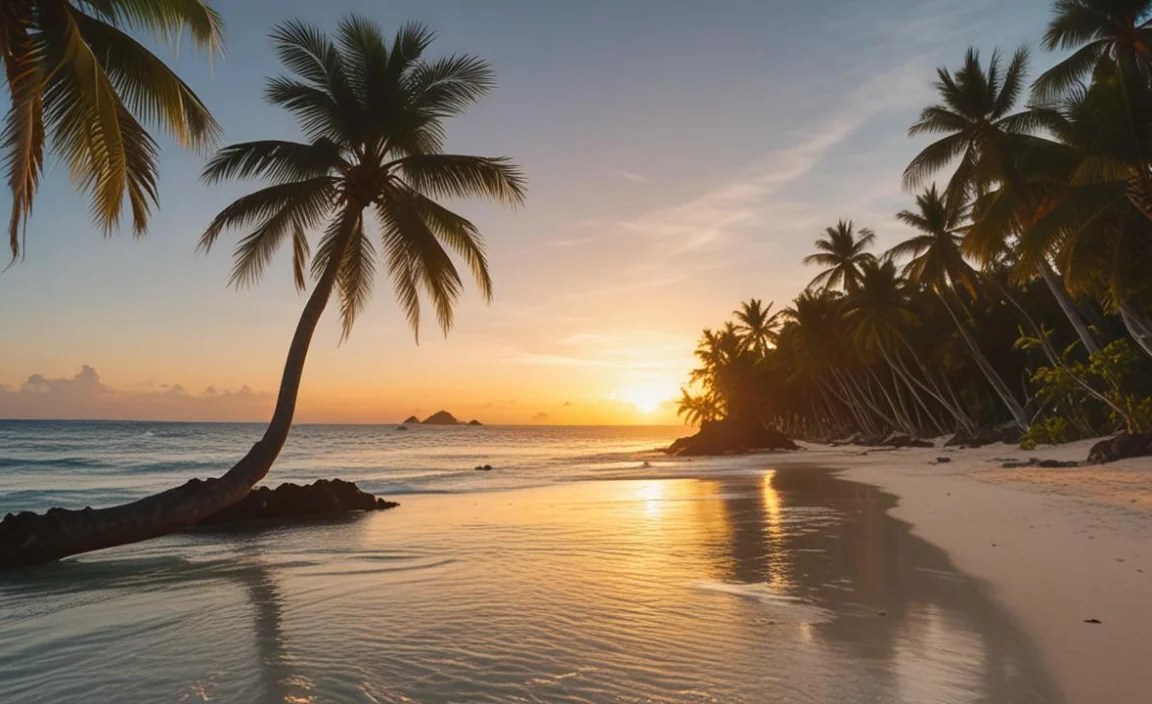
Boracay is famous for its breathtaking sunsets. Find a spot on White Beach, perhaps with a cheap local beer or fresh coconut, and witness the sky paint itself in vibrant colors. It’s a magical, budget-friendly experience.
Exploring the Island on Foot or Bike

Walk the length of White Beach to get a feel for its different stations. Renting a bicycle can also be a fun and cheap way to explore other parts of the island, especially if you venture away from the main tourist strips. Look for rental shops offering daily or hourly rates.
Budget-Friendly Activities to Consider
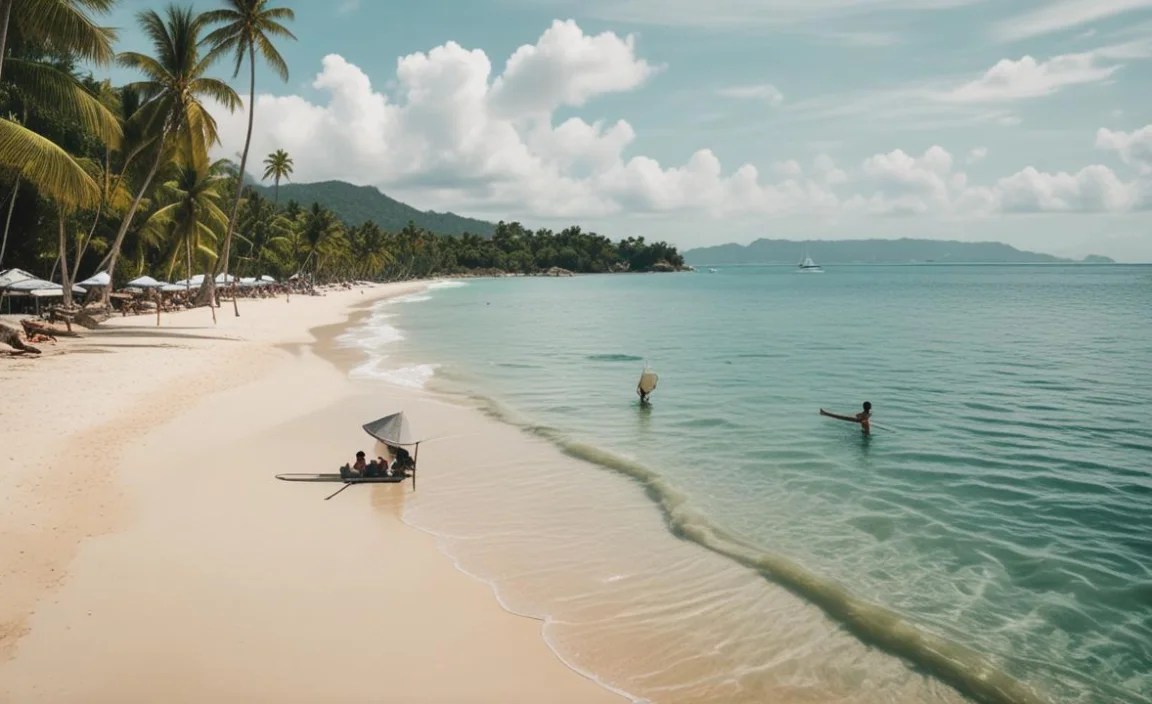
- Island Hopping (Budget Options): While full island hopping tours can be pricey, look for group tours that charter smaller boats. Some operators offer shorter trips focusing on key spots like Coral Garden for snorkeling or Puka Beach. Negotiate prices, especially if you’re in a group.
- Snorkeling and Swimming: Bring your own snorkel gear if you have it to save on rental fees. Many beautiful spots for swimming and snorkeling are accessible directly from the shore.
- DIY Sunset Viewing: Instead of a sunset cruise, enjoy the view from the beach. Buy a drink from a local store and find a comfortable spot.
- Paraw Sailing (Negotiate): Traditional outrigger sailboats (paraws) offer sunset sailing. While not the cheapest, you can often negotiate a better price, especially during off-peak hours or if you’re part of a small group.
Activities to Potentially Skip (or Find Deals For)

Helmet diving, parasailing, and jet skiing can quickly add up. If these are must-dos, look for package deals or try to negotiate prices, especially if you’re booking multiple activities with the same operator.
6. Essential Packing for a Budget Trip
Packing smart can save you money on overlooked essentials.
- Sun Protection: High SPF sunscreen, a wide-brimmed hat, and sunglasses are non-negotiable. Buying these on the island can be expensive.
- Reusable Water Bottle: Staying hydrated is crucial. Refill your bottle at your accommodation or at designated refilling stations to save money and reduce plastic waste.
- Basic First-Aid Kit: Include band-aids, antiseptic wipes, pain relievers, and medication for upset stomachs. Minor issues can lead to costly pharmacy visits.
- Quick-Dry Towel: Useful for beach days and if your accommodation doesn’t provide beach towels.
- Waterproof Pouch: Protect your phone and valuables from sand and water.
- Lightweight Clothing: Pack breathable fabrics. You won’t need much, saving on luggage space and potential airline fees.
- Adult and Child Diapers (if applicable): For travelers who require them, bringing a supply from home can be more cost-effective than purchasing on the island, especially if you have specific brand preferences or needs. Reliable brands can be found at major pharmacies or online retailers prior to departure.
7. Managing Money and Staying Safe
Keep your finances in check and enjoy peace of mind with these tips.
- Set a Daily Budget: Decide how much you want to spend each day on food, activities, and incidentals. Track your expenses to stay on course.
- Carry Small Bills: While there are ATMs, they can sometimes be unreliable or charge high fees. Having small denominations of Philippine Pesos (PHP) makes transactions easier, especially at local markets and with tricycle drivers.
- Use Reputable ATMs: If you need to withdraw cash, use ATMs affiliated with major banks or located inside establishments like malls or hotels.
- Be Wary of “Too Good to Be True” Deals: If an offer for an activity or tour seems exceptionally cheap, there might be hidden costs or the quality might be poor. Stick to reputable operators.
- Stay Aware of Your Surroundings: Like any tourist destination, be mindful of your belongings, especially in crowded areas.
- Respect Local Regulations: Familiarize yourself with Boracay’s environmental rules and regulations. For instance, familiarize yourself with policies set by the Department of Tourism for sustainable tourism practices.
8. Off-the-Beaten-Path Boracay
While White Beach is iconic, exploring less-visited areas can offer unique experiences and potential savings.
- Diniwid Beach: A small, beautiful cove accessible via a short walk from the northern end of Station 1. It’s less crowded and has a few charming local eateries.
- Puka Beach: Famous for its puka shells, this northern beach is more rustic and less developed than White Beach. It’s a great spot to relax away from the crowds. Local vendors here sell shell crafts and snacks.
- Mount Luho Viewpoint: For a panoramic view of the entire island, consider the trek or tricycle ride to Mount Luho. There’s usually a small entrance fee.
These areas often have more affordable local food options and fewer tourist traps, allowing your budget to stretch further.
Frequently Asked Questions About Boracay Budget Travel
Q1: What is the cheapest time to visit Boracay?
A: The cheapest time is generally during the low season, from May to October. You’ll find lower prices for flights and accommodations, though you might encounter some rain.
Q2: How much money should I budget per day for Boracay?
A: A realistic budget for a budget traveler could be around PHP 1,500 to PHP 3,000 per day, excluding flights and accommodation. This covers food, local transportation.