Your Bordeaux adventure awaits! This essential guide provides a perfectly paced one-week itinerary, blending iconic wine experiences, historic charm, and culinary delights for an unforgettable trip.
Planning a trip to Bordeaux can feel a little overwhelming with so much to see and do. But imagine this: seven days of sipping world-class wine, exploring beautiful architecture, and indulging in delicious French cuisine, all without the stress of over-scheduling. This guide is designed to help you do just that. It’s your key to unlocking the best of Bordeaux, ensuring every moment is memorable and comfortable, whether you’re traveling solo, with family, or need to pack for specific needs. Get ready to have a fantastic journey!
Your Ultimate Bordeaux One Week Itinerary: The Essential Guide

Welcome to Bordeaux, a city and region synonymous with exquisite wine, rich history, and stunning French elegance. If you’re dreaming of a week immersed in vineyards, picturesque streets, and gourmet food, you’ve come to the right place. This itinerary is crafted to give you a balanced and breathtaking experience of Bordeaux, perfect for first-time visitors ready to explore. We’ll cover the must-sees, the hidden gems, and practical tips to make your trip smooth and enjoyable.
Why a Week in Bordeaux?
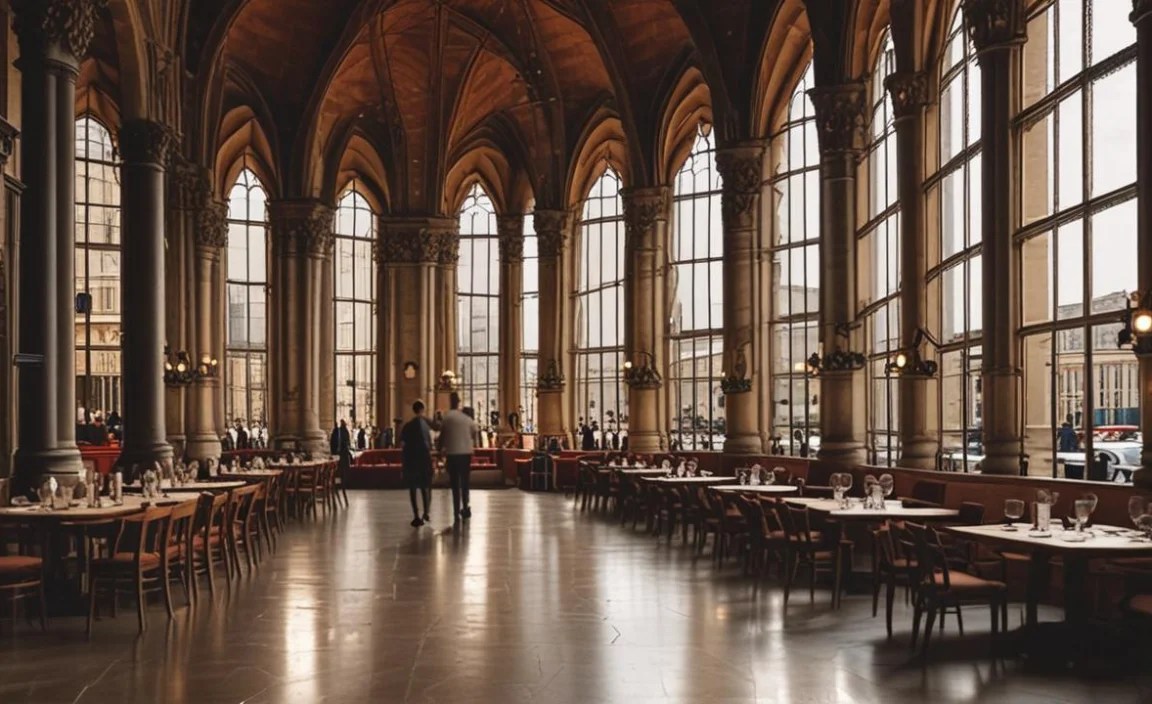
A week in Bordeaux offers the perfect amount of time to truly savor the experience. You can explore the vibrant city center, venture out to famous wine appellations, discover charming riverside towns, and still have moments to relax and soak in the atmosphere. Trying to cram it all into a few days would be a disservice to the region’s depth and beauty.
Day 1: Arrival & Bordeaux City Charm
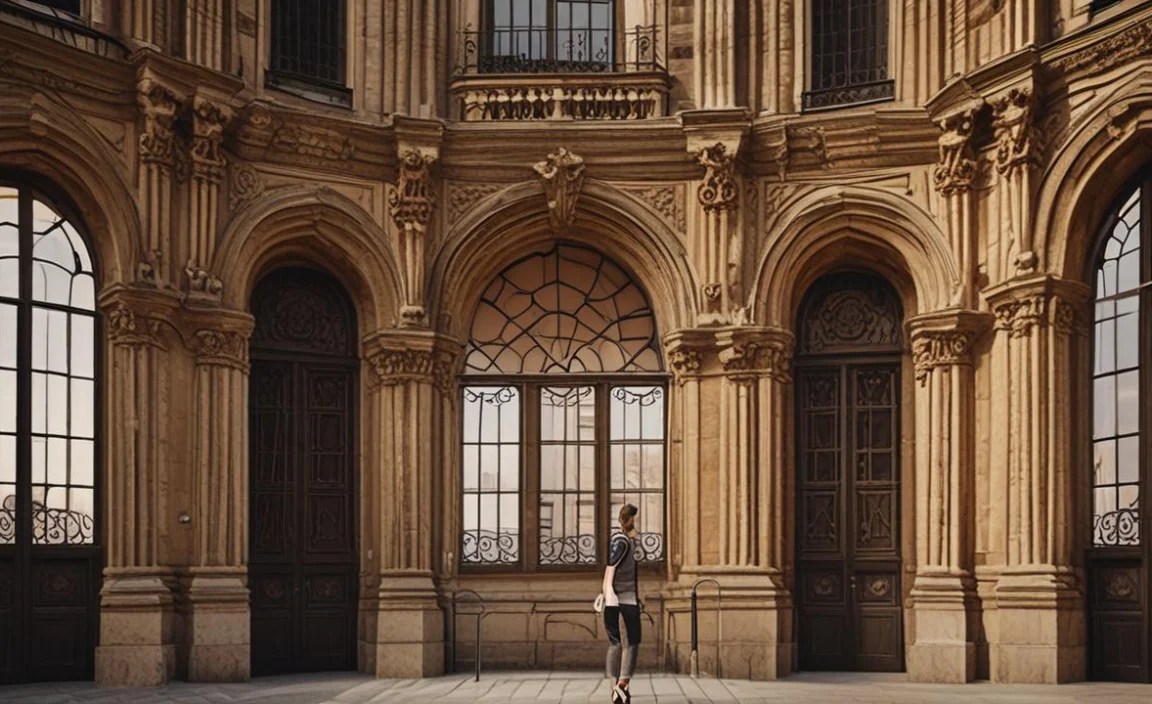
Morning (Arrival & Check-in):
Arrive at Bordeaux–Mérignac Airport (BOD) or the train station. Settle into your accommodation. Consider staying in the city center for easy walking access to many attractions.
Afternoon (Historic Heart):
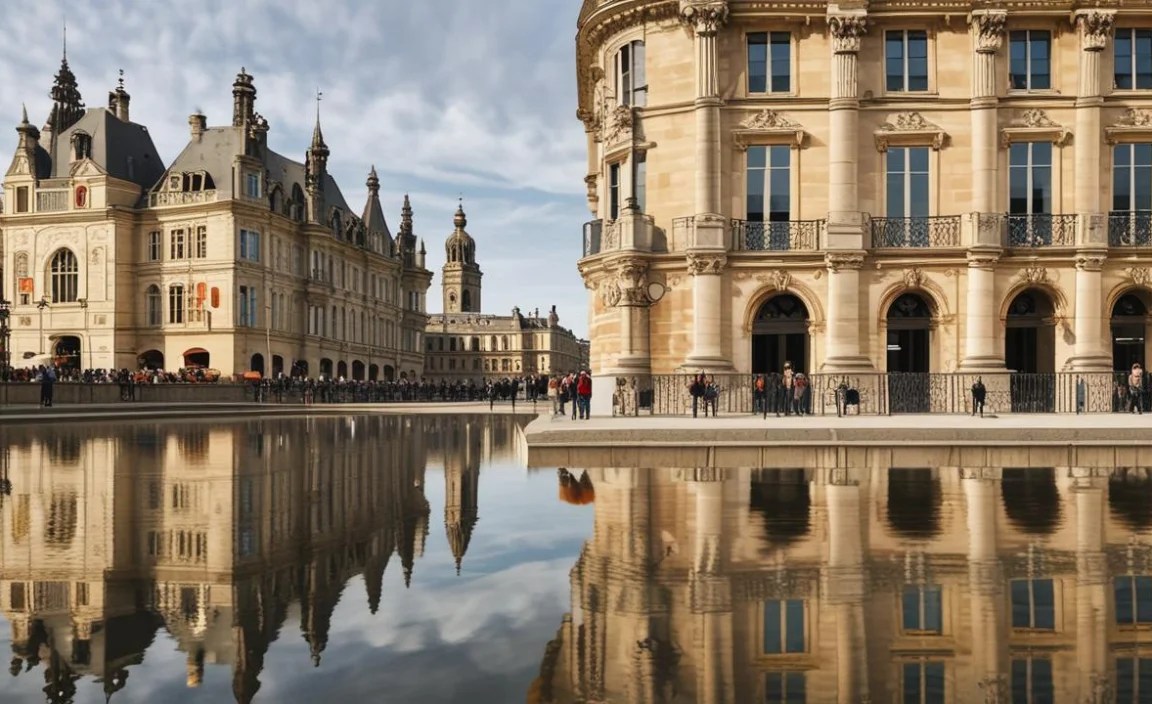
Start your exploration at the Place de la Bourse. Admire its magnificent 18th-century architecture and, if the timing is right, experience the Miroir d’eau (Water Mirror), a stunning aquatic reflection pool that’s mesmerizing on a warm day.
Walk along the Garonne River promenade.
Stroll through the charming medieval streets surrounding the Place de la Bourse.
Evening (Gastronomic Delight):
Enjoy your first taste of Bordeaux. The Saint-Pierre district is brimming with excellent restaurants offering traditional French fare and local specialties. Don’t miss trying some regional dishes like entrecôte Bordelaise (steak with Bordeaux sauce) or canelés (a small, caramelized vanilla-rum pastry).
Tips for Day 1:
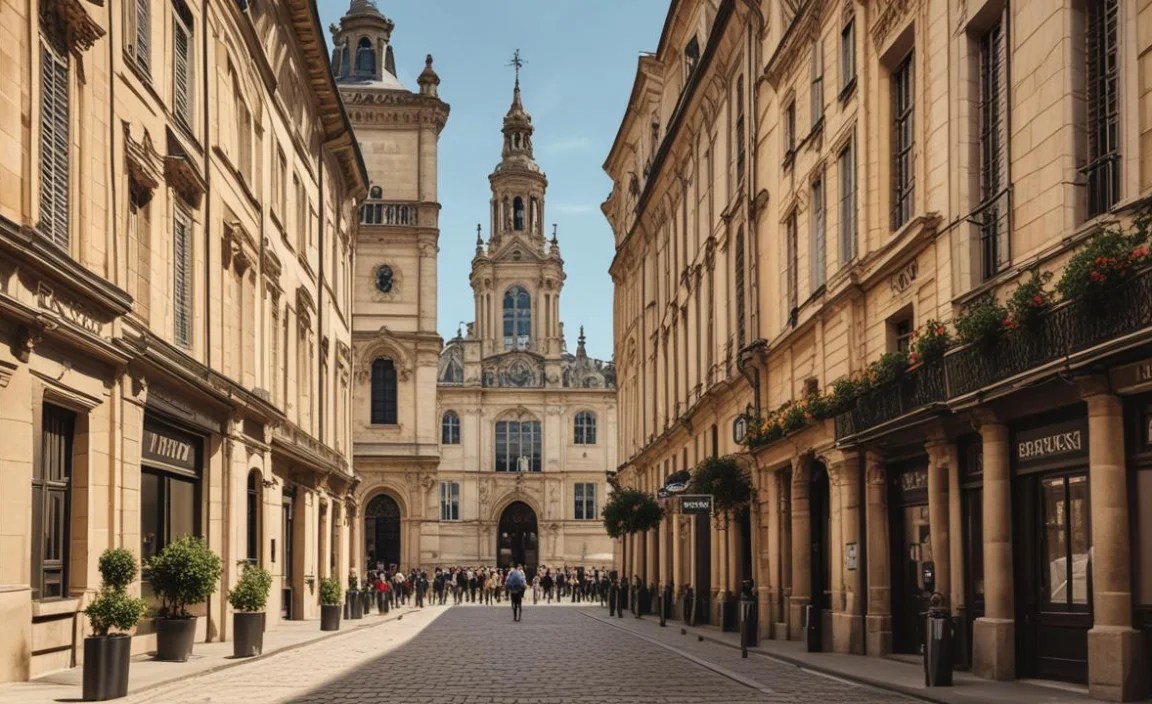
Getting Around: Bordeaux city center is very walkable. For longer distances, the local tram system is efficient.
Luggage: If you’re traveling with extra items or need to manage personal care needs, ensure your luggage is practical and accessible. Consider rolling your clothes to save space and organized packing cubes can be a lifesaver. For those who might need adult or child diapers for comfort or longer travel days, discreet and absorbent options packed in Ziploc bags can offer peace of mind and freedom.
Day 2: Wine Education & City Exploration
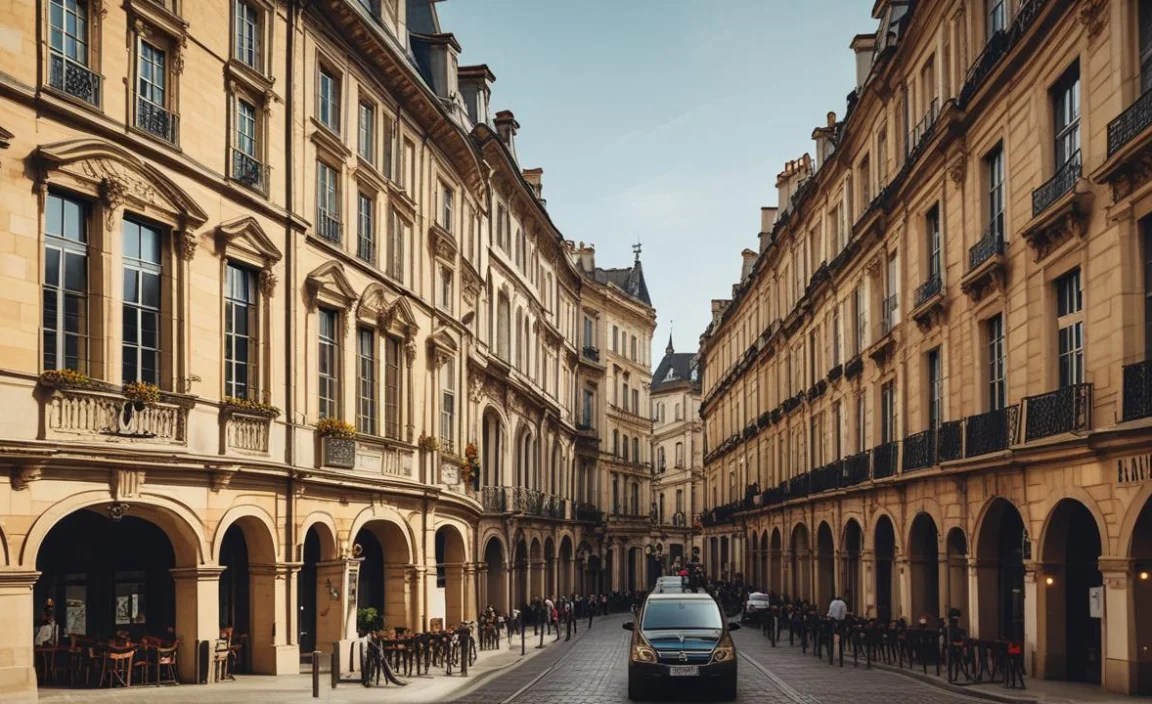
Morning (Wine Museum):
Immerse yourself in the world of wine at La Cité du Vin. This innovative museum offers a multi-sensory journey through the history and culture of wine from around the globe. It’s an excellent primer before you delve into the vineyards.
Book your tickets in advance, especially during peak season.
Allow at least 3-4 hours to fully explore.
Afternoon (Grand Wine Merchants & Shopping):
After your wine adventure, explore the elegant Rue Sainte-Catherine, one of Europe’s longest pedestrian shopping streets. It’s perfect for picking up souvenirs or indulging in some French fashion.
Consider visiting a renowned Bordeaux wine merchant like Barrière Frères for a taste of the city’s commercial wine heritage.
Evening (Sunset Views):
Head to the Grand Théâtre, an architectural masterpiece. Afterwards, find a cozy wine bar to sample more local wines and relax.
Tips for Day 2:
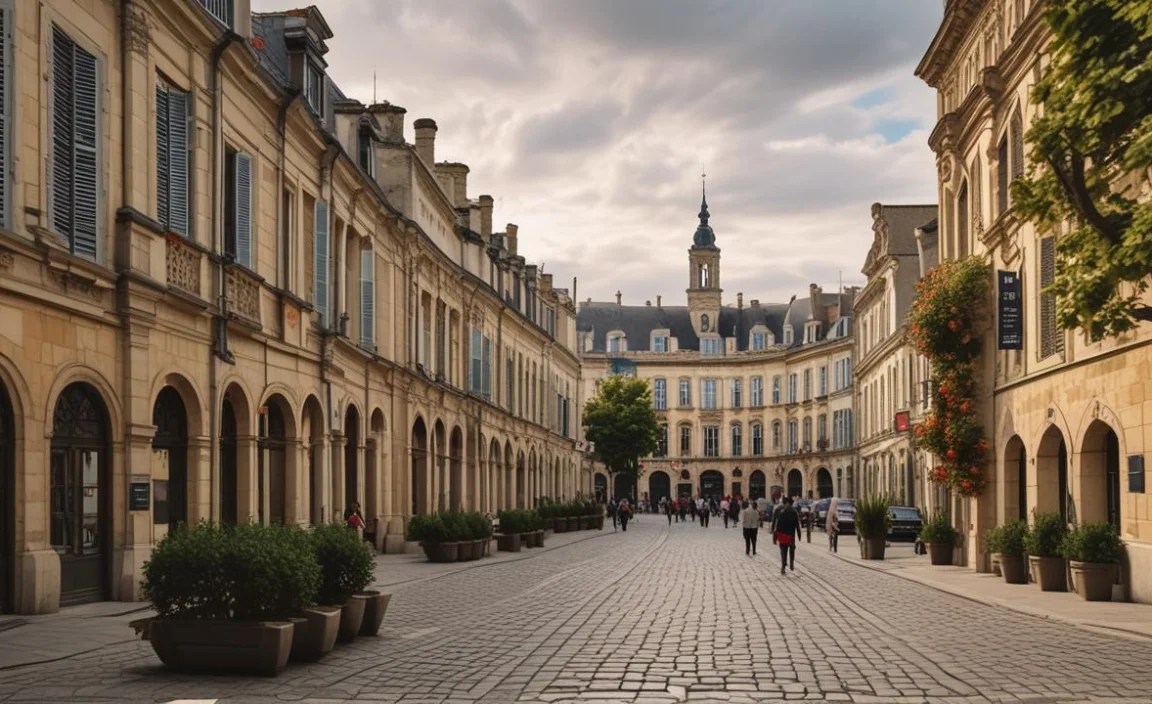
La Cité du Vin: This museum is accessible via tram line B.
Sampling: Pace yourself with wine tastings. Staying hydrated is key, so keep a reusable water bottle handy.
Day 3: Médoc Wine Route – The Masters of Red

Full Day (Vineyard Exploration):
Today, you venture into the heart of Bordeaux’s most famous red wine region: the Médoc. Rent a car or join a guided tour for a hassle-free experience. The Médoc is home to prestigious “cru classé” estates.
Château Margaux: (Optional visit, booking essential and often exclusive) – iconic and beautiful.
Château Lynch-Bages or Château d’Armailhac: (Often offer tours and tastings, booking advised) – explore these renowned Pauillac estates.
Saint-Julien: Known for its concentration of top-tier châteaux.
Route des Châteaux: Drive this scenic route, stopping at charming villages like Margaux and Pauillac.
Lunch: Enjoy a delightful lunch at a bistro in one of the Médoc villages or opt for on-site dining if your chosen château offers it.
Return: Drive back to Bordeaux in the late afternoon.
Tips for Day 3:
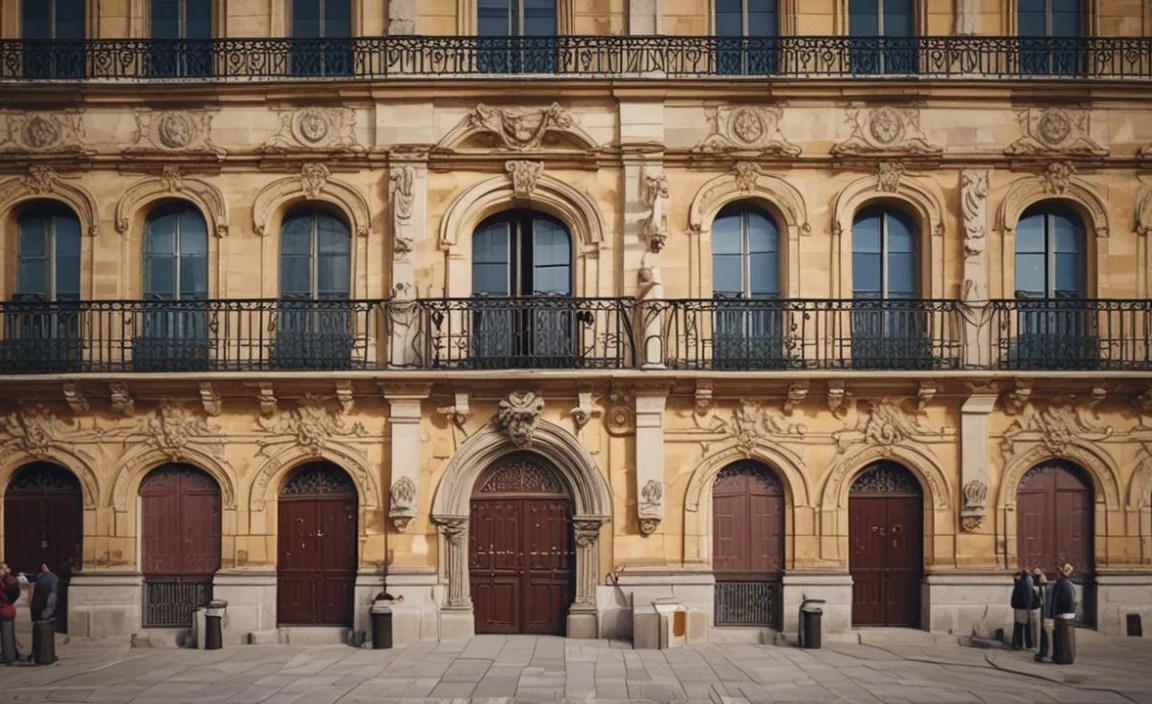
Transportation: A guided tour is highly recommended for effortless wine tasting as you won’t need a designated driver. Companies like Ophorus or Bordeaux Green Tour offer excellent small-group options. Websites like France Voyage provide great insights into planning your Médoc visit.
Reservations: Always book château visits and tastings in advance. Many are private estates and require appointments.
Moderation: Enjoy the wine responsibly.
Day 4: Saint-Émilion – A UNESCO World Heritage Gem

Full Day (Medieval Charm & Wine):
Journey east to the picturesque village of Saint-Émilion, another UNESCO World Heritage site. This region is famous for its Merlot-dominant wines and its unique underground church.
Explore the Monolithic Church: Descend into the incredible carved limestone church, a truly unique experience.
Wander the Cobblestone Streets: Get lost in the charming, steep, and winding lanes.
Wine Tasting: Visit a local winery. Consider an estate that practices organic or biodynamic farming for a different perspective. Many offer tours and tastings. Try an estate in the Saint-Émilion Grand Cru appellation.
Villages: Explore nearby hamlets like Château Fonplégade or take in views from Signal d’Arsac.
Lunch: Find a traditional restaurant in Saint-Émilion for a leisurely lunch.
Return: Head back to Bordeaux in the late afternoon.
Tips for Day 4:
Getting There: Saint-Émilion is easily accessible by train from Bordeaux (approx. 40 minutes) or by car/guided tour.
Walking: Wear comfortable shoes as Saint-Émilion is hilly and its streets are cobbled.
Bookings: Like the Médoc, booking wine tours and tastings in advance is crucial, especially for the more renowned estates.
Day 5: Arcachon Bay & Dune du Pilat – Coastal Escape

Full Day (Seaside Excursion):
Escape the vineyards for a day at the coast! Head southwest to the stunning Arcachon Bay and Europe’s tallest sand dune, the Dune du Pilat.
Dune du Pilat: Climb to the summit of this colossal dune for breathtaking panoramic views of the Atlantic Ocean, the bay, and the Pylat forest. Bring water and wear appropriate footwear for sand.
Arcachon: Explore this elegant seaside town, famous for its Belle Époque villas and fresh oysters.
Oyster Tasting: Visit an oyster farm in L’Herbe or Le Canon (part of the “Cabanes Tchanquées” area) for an authentic tasting experience right by the water. Enjoy fresh oysters with a glass of crisp white wine.
Lunch: Enjoy a seafood lunch in Arcachon or at one of the oyster shacks.
Return: Drive back to Bordeaux in the early evening.
Tips for Day 5:
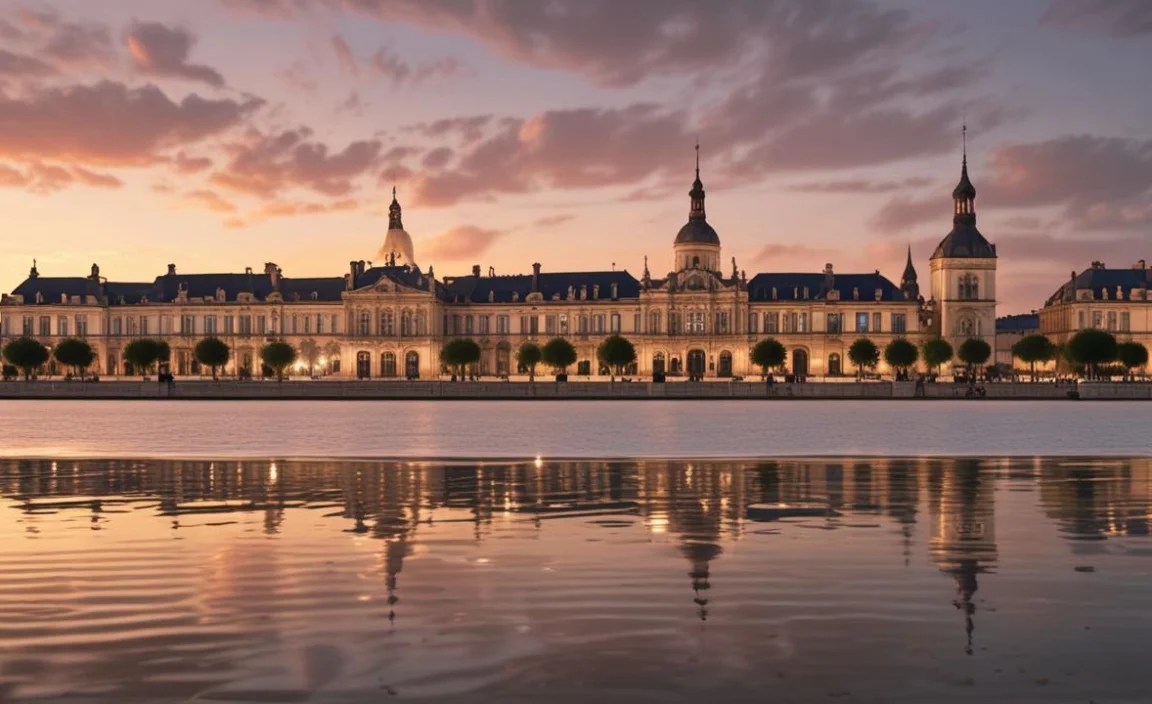
Transportation: The easiest way to reach Arcachon and the Dune du Pilat is by car or an organized tour. Public transport is possible but takes longer.
Footwear: Comfortable, easy-to-remove shoes are best for climbing the dune.
Oyster Farms: Check opening times for oyster farms, especially outside of peak summer season.
Day 6: Pomerol & Libourne – Petite Yet Powerful Wines

Morning (Pomerol’s Charm):
Today, explore the smaller, yet incredibly prestigious appellation of Pomerol. Known for its rich, velvety Merlot-based wines, this region offers a more intimate vineyard experience.
Château Pétrus: While private and hard to access, its reputation precedes it.
Château La Conseillante or Château Gazin: Often offer tours and tastings (booking essential). They showcase the elegance of Pomerol.
Pomerol Village: Enjoy the tranquility of this charming wine-producing village.
Afternoon (Libourne Market & Riverside):
Visit the historic town of Libourne, located at the confluence of the Dordogne and Isle rivers.
Market Day: If it’s a market day (usually Tuesdays and Fridays), explore the vibrant local produce and artisan stalls.
Riverside Promenades: Enjoy a leisurely walk along the riverfront.
Wine Bar: Visit a local wine bar to sample Pomerol wines.
Return: Head back to Bordeaux in the late afternoon.
Tips for Day 6:
Pomerol Access: Pomerol estates are generally smaller and can be more difficult to access without prior appointments. Guided tours often provide the best way to experience this region.
Libourne: This town offers a more local feel compared to Bordeaux city.
Day 7: Bordeaux Farewell & Departure

Morning (Last Bites & Souvenirs):
Enjoy a final French breakfast at a local Boulangerie. Perhaps pick up some last-minute edible souvenirs like macarons, chocolates, or a bottle of wine from a reputable shop.
Marché des Capucins: Visit Bordeaux’s largest covered market for a lively atmosphere and a chance to sample local cheeses, charcuterie, and other delicacies.
Late Morning/Afternoon (Departure):
Depending on your flight or train schedule, enjoy a final stroll through your favorite part of the city. Head to the airport or train station for your departure.
Tips for Day 7:
Market: The Marché des Capucins is a feast for the senses and a great place to get a feel for local life.
Transport to Airport: Allow ample time for travel to Bordeaux–Mérignac Airport (BOD), as traffic can vary. Public transport options and taxis are available.
Practicalities for Your Bordeaux Trip

Navigating a new destination is always easier with a little preparation. Here are some essential practicalities for your one-week Bordeaux itinerary:
Getting Around Bordeaux:
Within the City: The historic center is best explored on foot. Bordeaux has an excellent public transport system, including trams (lines A, B, C, D) and buses, operated by TBM. A multi-day pass can be economical.
To Wine Regions:
Car Rental: Offers the most flexibility for exploring the Médoc and Pomerol at your own pace. Be mindful of driving after tastings, or designate a driver. Remember international driving permits may be required.
Guided Tours: Highly recommended, especially for wine tasting days. They handle all logistics and ensure you can enjoy the wine without worry. Look for small-group tours for a more personalized experience.
Train: A good option for day trips to Saint-Émilion and Arcachon (though connecting to specific châteaux from these towns might still require local transport or taxis).
Where to Stay:
City Center (Triangle d’Or, Saint-Pierre): Ideal for first-timers, offering easy access to attractions, restaurants, and shops.
Chartrons: Known for its antique shops and wine history, a charming bohemian vibe.
Bordeaux-Lac: More modern, often with larger hotels, further out but well-connected by public transport.
Best Time to Visit:
Spring (April-May): Pleasant weather, vineyards are budding, fewer crowds.
Summer (June-August): Warmest, busiest, and most expensive. Ideal for outdoor activities and long sunny days.
Autumn (September-October): Harvest season, beautiful vineyard colors, perfect for wine lovers (though can be busy in early September). The weather is usually mild.
Winter (November-March): Cooler, fewer tourists, a more intimate experience, but some attractions may have reduced hours.
Packing Essentials:
Comfortable Walking Shoes: Essential for exploring cities and vineyards.
Layers: Weather in Bordeaux can be variable, so pack layers you can add or remove.
Light Rain Jacket: Especially for spring and autumn.
Sunscreen & Hat: For sunny days, particularly when visiting châteaux and the coast.
Reusable Water Bottle: Stay hydrated, especially during tastings.
Adapters: For electronics (Type E plug is standard in France).
Smart Casual Outfits: For dining in restaurants.
For Specific Needs: Travelers who use adult diapers or child diapers will find packing them discreetly in resealable bags within their luggage is a practical approach. Ensuring absorbency and comfort for long travel days or specific excursions can greatly reduce stress. Many brands offer discreet, “pull-up” style options that resemble underwear, making them easy to manage during trips.
A Sample Bordeaux Wine Region Classification Table
Understanding Bordeaux’s wine classification can be fascinating, though it’s complex. Here’s a simplified look at the historic 1855 Médoc and Graves Classification, which is the most famous. Saint-Émilion has its own separate system.
| Classification Level | Examples (Médoc) | Examples (Graves – Red) | Notes |
| Premier Grand Cru Classé (First Growth) | Château Lafite Rothschild, Château Latour, Château Margaux, Château Haut-Brion (Graves) | N/A | The pinnacle of quality and prestige. |
| Deuxième Grand Cru Classé (Second Growth) | Several famous names like Cos d’Estournel, Montrose | N/A | Still incredibly high quality and sought-after. |
| Troisième Grand Cru Classé (Third Growth) | Château La Lagune, Château Calon-Ségur | N/A | Excellent wines, often offering great value compared to higher tiers. |
| Quatrième Grand Cru Classé (Fourth Growth) | Château Duhart-Milon, Château La Croix | N/A | Consistently good wines with a long history. |
| Cinquième Grand Cru Classé (Fifth Growth) | Many châteaux, e.g., Château Lynch-Bages, Château Pontet-Canet | N/A | The lowest tier of the official classification, still producing fine wines. |
| Cru Bourgeois | A separate classification, reviewed annually, for many other quality Médoc estates | N/A | Represents a large number of excellent wines from the Médoc. |
| Crus Classés de Graves (Graves) | Château Haut-Brion (Premier Grand Cru Classé) is here. Other Crus Classés for red and white wines exist. | Château Haut-Brion, Château La Mission Haut-Brion, Château Smith Haut Lafitte | This classification covers both red and white wines from the Graves region. |
Note: This table is a simplification. The 1855 classification only covered the red wines of Médoc and the white wines of Graves (which also included Haut-Brion’s red). Saint-Émilion and Pomerol have their own distinct, and frequently updated, classification systems.
Navigating Travel with Confidence: Comfort & Care

For a truly stress-free trip, especially with family or for those requiring personal care items, packing wisely is key. Don’t let concerns about comfort or accessibility detract from your vacation.
Adult Diapers for Travel: Long flights, train journeys, or extended sight-seeing days can be more comfortable with reliable adult incontinence products. Look for discreet, highly absorbent options that feel like regular underwear and are quiet under clothing. Brands like Depend, Tena, or Always Discreet offer various absorbency levels for day and night use. Packing a few extra in a waterproof bag or a dedicated pouch in your carry-on can provide peace of mind.
Child Diapers for Family Trips: Traveling with young children means a well-stocked diaper bag is essential. Consider pull-up style diapers for easier changes on the go, especially for potty-training toddlers. Brands like Pampers Cruisers, Huggies Little Movers, or Luvs offer good leak protection for active kids. Packing along a changing pad, wipes, and disposal bags makes public changing facilities much more manageable.
* Snack Packs: For both adults and children, having a small stash of non-perishable snacks can be a lifesaver during transit or when you find yourself away from meal services. Think granola bars, dried fruit, crackers, or small, sealed pouches of applesauce.