An Essential Guide for Easy Exploration. Discover top walking routes and practical map resources to navigate Bolivia’s incredible landscapes and cities with confidence.
Dreaming of exploring Bolivia on foot? It’s a fantastic idea! From vibrant city streets to breathtaking natural wonders, Bolivia offers incredible opportunities for walking adventures. Sometimes, though, finding reliable information on the best routes and how to navigate them can feel a little overwhelming. You want to feel prepared, safe, and excited, not stressed about getting lost or missing out on the best sights. This guide is here to help! We’ll walk you through everything you need to know to plan your walkable journeys in Bolivia, ensuring a comfortable and memorable experience.
Why Choose Walkable Routes in Bolivia?

Bolivia is a country that begs to be explored slowly. Walking allows you to truly soak in the atmosphere, discover hidden gems, and connect with local culture in ways that traveling by car or bus just can’t replicate. Imagine stumbing upon a bustling local market, hearing the music from a hidden plaza, or simply enjoying the fresh mountain air as you meander through a colonial town. These are the moments that make travel unforgettable.
Plus, many of Bolivia’s most stunning attractions, particularly within its charming cities and smaller towns, are best experienced on foot. Think of the colorful streets of La Paz, the historic squares of Sucre, or the dramatic landscapes near Uyuni. Walking is not only rewarding but often the most practical way to experience these places.
Understanding Bolivia’s Geography for Walkers

Bolivia’s diverse geography presents unique opportunities and considerations for walkers. You’ll encounter everything from high-altitude cities to vast salt flats and lush jungle terrain. Each region has its own charm and requires a slightly different approach to exploration.
- High-Altitude Cities: La Paz, El Alto, and Potosí are very high. Acclimatization is crucial. Walking here involves steep climbs and thinner air. Take it easy the first few days.
- Andean Highlands: Regions like the Salar de Uyuni involve walking across vast, flat expanses. Sun protection and hydration are paramount.
- Valleys and Yungas: Areas closer to the Amazon basin have lower altitudes, warmer temperatures, and more humidity. Trails can be muddy, especially during the rainy season.
- Amazon Basin: For jungle trekking, guided tours are essential for safety and navigation.
Understanding these differences helps in planning appropriate routes and packing the right gear. For example, you’ll pack different essentials for a city walking tour in Sucre than you would for a multi-day trek in the Andes.
Essential Tools for Walkable Bolivia
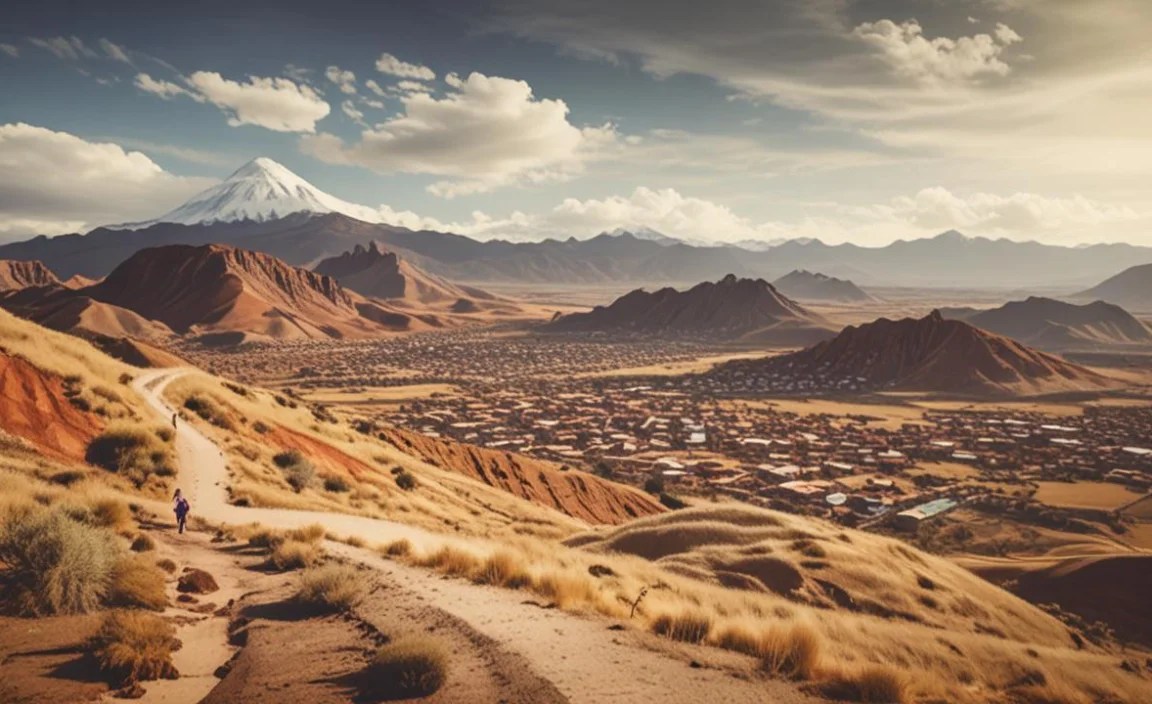
Before you even lace up your hiking boots, having the right tools makes a world of difference. These aren’t just about convenience; they’re about safety and making your explorations smoother.
1. Reliable Maps
In a country with developing infrastructure, good maps are your best friend. While digital options are great, having a physical backup is always wise.
- Physical Maps: Look for detailed topographic maps for trekking areas and city maps for urban exploration. You can often find these in tourist information centers, bookstores, or specialized outdoor shops in major cities like La Paz or Sucre.
- Digital Maps: Apps like Google Maps, Maps.me, and AllTrails are invaluable. Download offline maps for areas you’ll be visiting, as internet access can be spotty. Maps.me is particularly good for detailed trail information in many regions.
2. Navigation Apps & Devices
Modern technology can enhance your navigational capabilities significantly.
- GPS Devices/Smartphones: Ensure your phone has a good GPS signal or consider a dedicated GPS device for remote areas.
- Compass: A classic tool that never runs out of batteries. Knowing how to use it with a map is a fundamental skill for any adventurer.
- Power Bank: Keep your devices charged, especially on long days out or during multi-day treks.
3. Communication Devices
Staying connected is important, especially if you’re venturing off the beaten path.
- Local SIM Card: Purchasing a local SIM card (e.g., from Entel, Tigo, or Viva) can provide affordable data and calling within populated areas.
- Satellite Phone/Emergency Beacon: For truly remote expeditions, consider renting or purchasing these for emergency situations.
Top Walkable Routes & Destinations in Bolivia
Bolivia offers a diverse range of walking experiences, from urban exploration to breathtaking natural hikes. Here are some of the most rewarding walkable destinations and routes:
Cities Best Explored on Foot
Several Bolivian cities are a joy to discover by walking, allowing you to absorb their unique history and vibrant culture.
La Paz: The Rooftop City
Navigating La Paz is an adventure in itself, with its steep hills adding a unique challenge but also offering incredible views at every turn. Wear comfortable shoes; you’ll need them!
- Historic Center: Wander from Plaza Murillo (Presidential Palace, Cathedral, National Congress) down to Calle Jaén with its colorful colonial houses and museums.
- Witches’ Market (Mercado de las Brujas): A fascinating place to explore local crafts and traditional remedies.
- El Alto Market (Thursdays & Sundays): While a massive market, you can walk through sections of it to experience the local commerce. Take the Mi Teleférico cable car up for an incredible perspective before you start walking.
- The Sopocachi Neighborhood: A charming area with art galleries, cafes, and excellent city views.
Tip: Take advantage of La Paz’s extensive Mi Teleférico cable car system. It offers stunning panoramic views and can help you skip the steepest climbs, depositing you closer to your next exploration point.
Sucre: The White City
Sucre, Bolivia’s constitutional capital, is a UNESCO World Heritage site known for its well-preserved colonial architecture and laid-back atmosphere. It’s delightfully walkable.
- Plaza 25 de Mayo: The heart of the city, surrounded by the Metropolitan Cathedral and the Casa de la Libertad.
- Casa de la Libertad: Explore the birthplace of Bolivian independence.
- Recoleto viewpoint: A short, uphill walk from the main plaza offers a fantastic overview of the city’s white-washed rooftops.
- Central Market (Mercado Central): Immerse yourself in local life, sampling fresh produce and regional dishes.
- Choreographed Paths: Follow the designated tourist routes marked on maps for a guided historical walk through the city’s most significant buildings and plazas.
Potosí: The Imperial City
Once one of the wealthiest cities in the world due to its silver mines, Potosí’s historical center is walkable, though the altitude (over 4,000 meters) requires significant acclimatization.
- Plaza 10 de Noviembre: The main square featuring the imposing Cathedral and the Casa Nacional de la Moneda.
- Casa Nacional de la Moneda: A must-visit museum that shows the history of silver extraction and coinage.
- Cerro Rico (Silver Mountain): While you can’t walk on the active mine, guided tours often include walks around its base or to viewpoints overlooking it.
- San Lorenzo de Carangas Church: Admire its intricate Baroque facade.
Natural Wonders: Hiking Routes
Bolivia’s natural beauty provides some of the most unforgettable walking experiences. For these, preparation, proper gear, and often a guide are essential.
Salar de Uyuni: The World’s Largest Salt Flat
While much of your Salar experience might involve a 4×4 tour, there are opportunities for walking, especially on Incahuasi Island and within defined areas.
- Incahuasi Island (Isla del Pescado): A famous “island” in the middle of the salt flats covered in giant cacti. Walking around the island offers incredible panoramic views of the salt desert.
- Salt Hotels & Villages: Short walks around the salt hotels or the small communities like Colchani offer a glimpse into life on the flats.
- Exploration walks: When your tour stops, you can often step out and walk for short distances on the vast salt surface. It’s a surreal experience!
Key Considerations: The Salar is extremely flat. Navigation can be disorienting. Always stay with your tour group or guide. Sun protection (hat, sunglasses, sunscreen) is critical due to extreme reflectivity. Hydration is vital.
Torotoro National Park: Dinosaur Footprints and Caves
This park offers incredible geological and paleontological wonders accessible by foot. Hiring a local guide here is mandatory and highly recommended for safety and to unlock the park’s secrets.
- Senda de los Dinosaurios: Trek to see well-preserved dinosaur footprints in ancient riverbeds.
- Ciudad de Itas: Explore fascinating rock formations resembling a city.
- Umajalanta Cavern: A spectacular cave system requiring walking, climbing, and sometimes wading through water. Bring a headlamp!
Recommended Link: For information on park regulations and to find certified guides, check with local authorities or reliable tour operators. Bolivia’s National Protected Areas Service (SERNAP) often provides overviews of protected areas, though specific trail details are best found locally.
The Death Road (Yungas Road): A Unique Adventure
While historically infamous for its danger, sections of the “Death Road” have been converted into a popular downhill cycling route. However, guided walking tours focusing on specific scenic or historical points may also be available, offering incredible views. Be aware that downhill biking is the primary organized activity here.
- Scenic Sections: Some parts offer stunning cloud forest vistas.
- Historical Remnants: Old bridges and mile markers tell the road’s story.
Caution: This is still a challenging environment. Always go with a reputable tour operator, and be aware of cyclists. It’s a serious undertaking, not a casual stroll.
Coroico and the Yungas Region
Beyond the Death Road, the Yungas region near Coroico offers beautiful hiking opportunities through cloud forests and coffee plantations.
- Cascadas de Velo de Novia y//o La Luna: Hikes to impressive waterfalls.
- Jungle Trails: Explore the lush vegetation and diverse flora and fauna with a local guide.
Multi-Day Trekking (For Experienced Hikers)
For the seasoned adventurer, Bolivia offers incredible multi-day treks. These require significant planning, gear, and often local guides.
Cordillera Real Treks
These majestic mountains offer challenging but rewarding treks. Popular routes include the one-week trek from Chucura to Takesi or the three-day route over the Juriq’uri Pass.
- Trekking Season: The dry season (May to September) is ideal.
- Altitude: Treks often go above 4,500 meters, so acclimatization is vital.
- Logistics: Requires hiring porters, guides, and carrying camping equipment.
Resource: For detailed information on routes and guides in the Cordillera Real, consult organizations like the Bolivia Bachue directory or the Bolivian Mountain Club (Club Andino Boliviano) if available and reliable.
Serranía de Chiribiquete National Park (Guided Only)
While primarily known for its table-top mountains and ancient rock art, access is highly restricted and requires specialized (and often expensive) guided expeditions, typically involving a mix of trekking and specialized transport. This is for very serious adventurers and research groups.
Planning Your Walkable Bolivia Trip
Successful walking adventures in Bolivia hinge on good planning. Consider these key aspects:
1. Acclimatization is Non-Negotiable
Bolivia is a high-altitude country. La Paz is around 3,650 meters, El Alto over 4,000 meters, and Potosí over 4,000 meters. Andean treks can go much higher.
- First 2-3 Days: Arrive and take it incredibly easy. Avoid strenuous activity, alcohol, and heavy meals.
- Hydrate: Drink plenty of water and consider coca tea or leaves, a traditional remedy for altitude sickness.
- Listen to Your Body: Symptoms can include headaches, nausea, and dizziness. If they persist or worsen, descend in altitude.
If traveling with children or if you have pre-existing health conditions, consult your doctor before traveling. For those needing extra confidence and comfort, especially during long journeys or in varied climates, using discreet adult diapers can be a practical solution for managing any urinary incontinence that might arise due to changes in routine or activity levels, ensuring you can focus on enjoying the adventure.
2. Best Time to Visit for Walking
Bolivia has distinct wet and dry seasons, impacting walking conditions.
- Dry Season (May to October):
- Pros: Clear skies, less rain, stable temperatures (though nights can be very cold at altitude), ideal for trekking and exploring the Salar.
- Cons: Can be cold, especially at night and in the mountains. Some water sources might be scarce.
- Wet Season (November to April):
- Pros: Lush landscapes, fewer tourists, warmer temperatures.
- Cons: Frequent heavy rains can make trails muddy, slippery, and impassable. Some roads and routes may be closed. Altitude sickness can sometimes be exacerbated by humidity.
For most walking and trekking, the dry season is generally preferred. However, if you’re focused on the Yungas or Amazon, you might find them more accessible (though still wet) during shoulder months.
3. Packing Essentials for Walkers
Your packing list will vary by destination, but here are some universal essentials:
| Category | Essential Items | Notes |
|---|---|---|
| Footwear | Broken-in hiking boots/shoes, comfortable walking shoes, sturdy sandals | Waterproof options are good for the Yungas. |
| Clothing | Moisture-wicking base layers, fleece or warm mid-layer, waterproof & windproof outer shell, quick-dry pants, warm hat, gloves, sun hat | Layering is key for fluctuating temperatures. |
| Protection | High SPF sunscreen, sunglasses (UV protection), insect repellent, lip balm with SPF | Crucial for high altitudes and sunny regions. |
| Hydration & Nutrition | Reusable water bottle or hydration reservoir, purification tablets/filter, high-energy snacks | Always carry more water than you think you’ll need. |
| Safety & Navigation |