Traveling to Boston with accessibility needs is easier than you might think! This guide offers practical tips for navigating the city, from transportation and attractions to accommodations and essential packing. Get ready for a comfortable and enjoyable Boston adventure.
Boston is a city steeped in history, offering iconic landmarks and vibrant culture. But for travelers with accessibility needs, exploring can sometimes feel overwhelming. Worry not! Planning ahead is the key to unlocking Boston’s charm without the stress. This guide is designed to make your journey smoother, ensuring you can experience the best of the city with confidence and ease. We’ll cover everything from getting around to enjoying its famous sights.
Navigating Boston’s Public Transportation with Ease

Boston’s public transportation, managed by the Massachusetts Bay Transportation Authority (MBTA), often called “The T,” is a lifeline for many visitors. While it’s a vast network, some parts are more accessible than others. Understanding your options can make a huge difference.
The MBTA Subway: Green Line and Orange Line Highlights
The Green Line and Orange Line subway routes are generally the most accessible. Many stations on these lines have elevators or ramps. It’s always a good idea to check the MBTA’s accessibility information before heading out.
Key Accessible Lines: Green Line (various branches) and Orange Line.
Station Features: Many stations offer elevators, accessible restrooms, and tactile warning strips.
Real-time Information: The MBTA offers real-time service alerts and elevator status updates on their website and app. Visit MBTA Accessibility for the latest details.
Bus Services and Accessible Options
The MBTA bus system offers a more extensive reach than the subway. All MBTA buses are wheelchair accessible and equipped with ramps or lifts. Many drivers are trained to assist passengers with disabilities.
Step-by-Step Boarding:
1. Signal the bus to stop.
2. Position yourself at the designated bus stop.
3. The driver will deploy the ramp or lift.
4. Board safely.
5. Inform the driver if you need the bus to kneel for easier step access.
Accessible Taxis and Rideshares
For door-to-door convenience, accessible taxis and rideshare services are available. Boston has a fleet of accessible taxis, often referred to as “paratransit” vehicles.
Booking Accessible Taxis: You can often pre-book accessible WAV (Wheelchair Accessible Vehicle) taxis through local taxi companies. It’s recommended to book these in advance, especially during peak hours.
Rideshare Options: Services like Uber and Lyft offer accessible vehicle options in Boston, though availability can vary by time and location. Check your app for “Uber WAV” or “Lyft Access” when booking.
Top Accessible Attractions in Boston
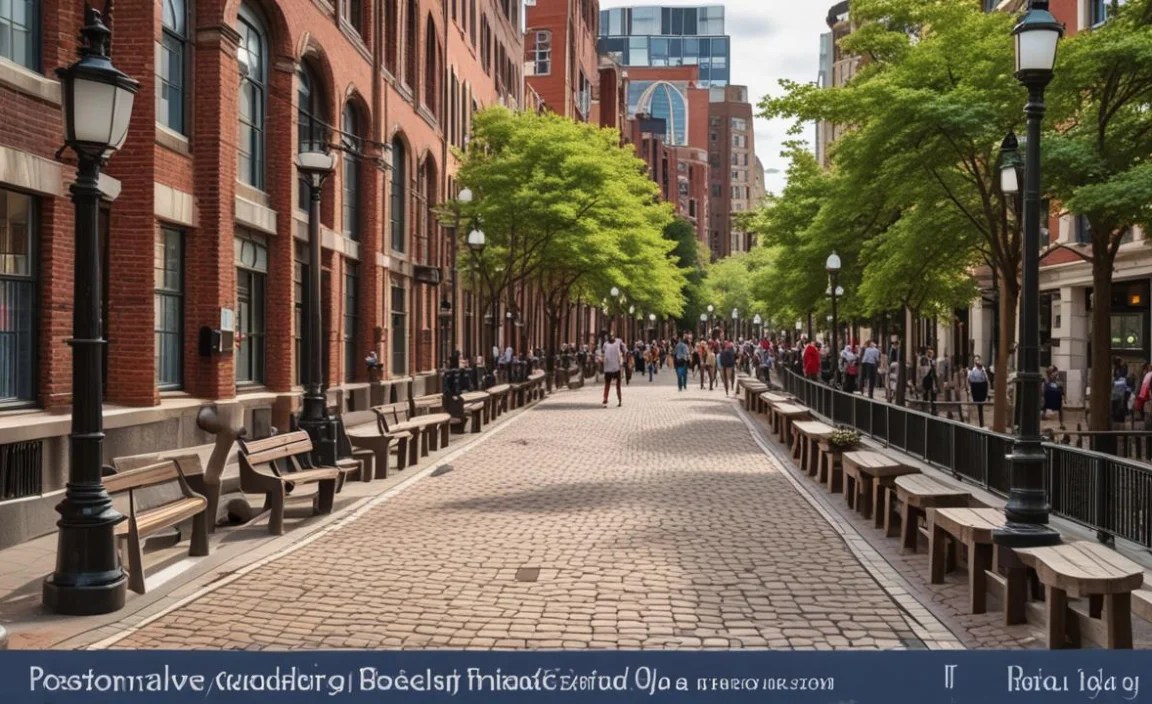
Boston boasts many historical sites and attractions that have made strides in accessibility. Here are some of the must-visit spots that cater to various needs.
Museums and Cultural Centers
Boston’s world-class museums are largely accessible, offering ramps, elevators, and accessible restrooms.
Museum of Fine Arts, Boston (MFA): The MFA is committed to accessibility, offering elevators, accessible restrooms, and wheelchairs for loan. Throughout the museum, you’ll find accessible paths and exhibits. Learn more about their accessibility services here.
Isabella Stewart Gardner Museum: This unique museum features an elevator that provides access to all floors, including the stunning courtyard. Accessible restrooms are also available.
Boston Children’s Museum: Designed with children in mind, this museum is highly accessible, with ramps, elevators, and exhibits that can be enjoyed by everyone.
Historical Sites and Landmarks
Experiencing Boston’s rich history is a key part of any visit. Many iconic sites have become more accessible over the years.
Freedom Trail: While parts of the Freedom Trail are cobblestoned and can be challenging, many key sites are accessible. The National Park Service provides an accessible version of the Freedom Trail, focusing on sites with ramps and elevators. The visitor centers at Boston Common and the Paul Revere House offer information.
Accessible Highlights:
Park Street Church (limited interior access, exterior viewing is good)
Granary Burying Ground (can be uneven, but paths are present)
Old South Meeting House (accessible entrance available)
Old North Church (limited access to upper areas, ground floor is accessible)
Bunker Hill Monument (exterior viewing is best, interior access can be limited)
Faneuil Hall Marketplace: This historic marketplace is largely accessible, with ramps and elevators connecting different levels. The ground level is quite accessible for strolling and shopping.
USS Constitution Museum: Located at the Charlestown Navy Yard, the museum is accessible, with elevators and accessible exhibits. The ship itself, “Old Ironsides,” has limited accessibility due to its historic nature, but the museum offers a wonderful experience.
Parks and Outdoor Spaces
Enjoy Boston’s beautiful green spaces with ease.
Boston Common and Public Garden: These adjacent parks are largely accessible, with paved paths that are great for wheelchairs and strollers. The iconic Swan Boats in the Public Garden have accessible boarding options.
Charles River Esplanade: This picturesque waterfront park offers paved paths perfect for a stroll or rolling along the Charles River.
Accessible Accommodations in Boston

Finding a comfortable and accessible place to stay is crucial for a relaxing trip. Boston offers a range of hotels with accessible rooms.
What to Look For in an Accessible Hotel Room
When booking, be sure to inquire about specific features to ensure they meet your needs.
Key Features to Confirm:
Accessible Bathroom: Roll-in shower or accessible tub, grab bars, sufficient turning radius.
Doorway Width: Ensure doorways are wide enough for mobility devices.
Bed Height: Comfortable height for transfers.
Clear Maneuvering Space: Adequate space around the bed and furniture.
Visual and Auditory Alarms: For fire safety and wake-up calls.
Lowered Light Switches and Controls: For easy reach.
Booking Tips and Resources
Book Directly: When possible, call the hotel directly to discuss your specific accessibility requirements. This often provides more clarity than online booking platforms.
Ask Specific Questions: Don’t hesitate to ask about bathroom configurations, shower types, and the floor layout.
Check Hotel Websites for Accessibility Information: Many hotels now have dedicated accessibility pages detailing their offerings.
Use Reputable Booking Sites with Filters: Websites like Booking.com or Expedia often have filters for “accessible rooms,” but always double-check by calling the hotel.
Example of Accessible Hotels in Boston
Here are a few types of hotels in Boston that generally offer good accessibility:
| Hotel Type | Accessibility Features (Commonly Found) | Notes |
| Major Chain Hotels | Accessible rooms with roll-in showers or tubs, grab bars, wider doorways, visual alarms. | Usually have standardized accessibility features across their brands. |
| Boutique Hotels | Varies widely; some may have limited accessible options, others are very modern and accommodating. | Best to call directly and inquire about specific rooms and features. |
| Newer Hotels | Often built with modern accessibility standards, including universal design principles. | Likely to have excellent accessible bathrooms and common areas. |
Essential Packing for Boston Travel (Including Comfort Aids)

Packing smart can enhance your comfort and preparedness throughout your Boston journey. Beyond the usual travel essentials, consider items that support your personal care needs for a stress-free experience.
Mobility Aids and Comfort Items
If you use mobility aids, ensure they are in good working order and packed securely.
Devices: Wheelchair (manual or electric), walker, cane. Ensure batteries are fully charged if applicable.
Comfort Accessories: Cushions for extra support, travel blankets, comfortable walking shoes.
Personal Care Needs for Stress-Free Travel
For those who require them, planning for personal care items like adult or child diapers is essential for travel comfort and confidence.
Planning Ahead is Key: Discreet, comfortable, and reliable products can make a significant difference on long travel days or while exploring.
Types of Products:
Adult Diapers/Incontinence Briefs: Available in various absorbency levels and styles (pull-ups, tape-on briefs) for maximum security and discretion. Brands like Depend, Tena, and Always Discreet offer options suitable for travel.
Child Diapers/Pull-Ups: For parents traveling with young children, ensuring a comfortable supply of diapers or pull-ups that prevent leaks during travel is a priority. Brands like Huggies, Pampers, and sensitive options are readily available.
Portability and Discreetness: Many brands now offer compact packaging or individually wrapped options, making them easy to pack and change discreetly. Consider reusable waterproof bags for disposal or for carrying used items until a proper disposal is available.
Where to Purchase: You can purchase these items before your trip at pharmacies, supermarkets, or online retailers that offer discreet shipping, such as Noraparts.com, which can be convenient for stocking up for longer trips or specific needs.
General Packing Checklist
Comfortable walking shoes
Weather-appropriate clothing (layers are best for Boston’s unpredictable weather)
Rain gear (umbrella, waterproof jacket)
Medications (prescription and over-the-counter)
Portable phone charger/power bank
Travel-sized toiletries
Any necessary personal care items, including discreet storage and disposal bags
Planning Your Boston Itinerary with Accessibility in Mind
A well-planned itinerary ensures you make the most of your time in Boston without encountering unexpected barriers.
Researching Accessibility Before You Go
The key to accessible travel is preparation.
Official Websites: Always check the “accessibility” or “visitor information” sections of attraction websites.
Contact Venues: If information isn’t clear, call the venue directly. Ask specific questions about ramps, elevators, accessible restrooms, and any specific tours or areas that might have limitations.
Use Accessibility Apps and Websites: Resources like Wheel the World or local tourism board accessibility guides can be invaluable.
Consider Travel Times and Pace
Allow Extra Time: Factor in extra time for navigating public transport, waiting for elevators, or moving at a comfortable pace.
Don’t Over-Schedule: It’s better to thoroughly enjoy a few accessible attractions than to rush through many and feel exhausted.
Build in Rest Periods: Plan for breaks at accessible cafes or rest areas.
Navigating Restaurants and Dining
Boston has a diverse culinary scene. Most modern restaurants are designed with accessibility in mind, but older buildings can present challenges.
Check for Accessibility: Online reviews or calling ahead can help confirm if a restaurant has accessible entrances and restrooms.
Consider Location: Restaurants near accessible transit stops or with ample nearby accessible parking are ideal.
* Dietary Needs: If you have specific dietary needs, communicate them clearly to your server.
Frequently Asked Questions about Boston Accessible Travel
Are most Boston tourist attractions accessible?
Many major tourist attractions in Boston are accessible, especially newer facilities and those that have undergone renovations. Historical sites often present limited accessibility due to their age and construction, but usually offer alternative ways to experience them. It is always best to check the specific accessibility information for each attraction.
Is the Boston Metro (The T) accessible?
The MBTA subway system has a good number of accessible stations, particularly on the Green and Orange lines. All MBTA buses are accessible. However, not all stations are equipped with elevators or ramps. The MBTA’s website provides detailed information on accessible stations and real-time elevator status.
How can I travel around Boston if I have mobility issues?
Accessible public transit options include MBTA buses and accessible subway stations. Accessible taxis and rideshare services (like Uber WAV or Lyft Access) are also available. Planning your routes in advance using the MBTA website or accessibility-focused apps is recommended.
Where can I find accessible hotels in Boston?
Major hotel chains in Boston typically offer accessible rooms. It’s best to book directly with the hotel and inquire about specific features like roll-in showers, grab bars, and clear maneuvering space to ensure the room meets your needs.
Are cobblestone streets a problem in Boston?
Yes, some historic areas of Boston, particularly those associated with the Freedom Trail, feature cobblestone streets which can be challenging for wheelchairs, strollers, and those with mobility issues. While many parts of the Freedom Trail have been modernized or have accessible alternatives, it’s wise to be prepared for uneven terrain in certain sections.
What should I pack for accessible travel in Boston?
Beyond standard travel items, pack comfortable shoes, weather-appropriate clothing, any necessary personal care items (like incontinence products for adults or children), mobility aid accessories, portable chargers, and a list of emergency contacts. Remember layers, as Boston weather can change quickly.
Conclusion: Enjoying Your Boston Adventure
Boston is a city that offers a wealth of experiences, and with a little thoughtful planning, it’s a destination that can be enjoyed by everyone. From its historic cobblestone streets (and accessible alternatives!) to its world-class museums and vibrant waterfront, there’s so much to discover. By focusing on accessible transportation, researching attractions, securing comfortable accommodations, and packing smartly, you can ensure a trip filled with memorable moments and minimal stress. Remember that preparation is your best tool for an empowering and enjoyable journey. So take these tips, embrace the spirit of exploration, and get ready to fall in love with Boston! Your accessible adventure awaits.