For a fantastic Boston trip without breaking the bank, focus on smart planning: book affordable lodging outside the immediate downtown, utilize public transit like the MBTA, enjoy free attractions like the Freedom Trail, and savor delicious, budget-friendly eats. This guide will show you how to experience Boston’s charm and history comfortably and affordably.
Planning a trip to Boston can feel a bit daunting, especially when you’re trying to balance experiencing all its iconic sights with a reasonable budget. Many travelers worry about overspending on accommodation, transportation, or even just grabbing a bite to eat. It’s easy to think a city as historically rich and vibrant as Boston automatically comes with a hefty price tag. But I’m here to tell you that with a few smart strategies, you can absolutely enjoy Boston’s charm, history, and fantastic food scene without emptying your wallet. Let’s dive into some essential tips that will make your mid-range Boston adventure both memorable and manageable.
Unlocking Boston on a Budget: Your Mid-Range Travel Blueprint

Boston is a city brimming with history, culture, and delicious food. While it can certainly be a splurge destination, it’s also incredibly accessible for travelers seeking value. The key is to be a savvy explorer, making informed choices about where you stay, how you get around, and where you dine. This guide is designed to give you the confidence to plan a trip that feels luxurious in experience but is truly mid-range in cost.
1. Smart Accommodation: Finding Your Home Away From Home
When traveling mid-range, where you sleep is often the biggest budget decision. Boston has a range of options, and picking the right location can save you a significant amount of money and time. The core downtown areas are convenient but can push your accommodation costs higher. Consider these strategies for finding great value:
- Explore Outer Neighborhoods: Areas slightly outside the immediate downtown core offer more affordable hotels and Airbnb options. Look into neighborhoods like Brookline, Somerville, Cambridge (just across the river), or even further out along MBTA subway lines. These areas often have their own unique charm and excellent local restaurants.
- Book in Advance: As with most travel, booking your accommodation several months ahead of time, especially if you’re traveling during peak season (spring and fall), can lock in better rates.
- Consider Boutique Hotels or Well-Rated Motels: Instead of high-end chains, look for smaller, independent hotels. Many offer comfortable, clean rooms and good amenities at a lower price point. Similarly, well-maintained motels a short ride from the city center can be excellent value.
- Check for Packages and Deals: Many hotel websites offer special packages that might include breakfast, parking, or even a city pass, which can add up to savings. Keep an eye out for seasonal promotions.
- Utilize Travel Comparison Sites: Websites like Kayak, Google Hotels, and Expedia are invaluable for comparing prices across multiple hotels and booking platforms. Filter by your desired amenities and price range.
2. Navigating Boston: Mastering the MBTA
Boston’s public transportation system, the Massachusetts Bay Transportation Authority (MBTA), affectionately known as “the T,” is your best friend for affordable and efficient travel. Relying on the T will save you money on taxis and rideshares, and often gets you to your destination just as quickly, if not faster, when navigating city traffic.
- Get a CharlieCard or CharlieTicket: The MBTA uses a fare system that’s easy to navigate. You can purchase a CharlieTicket for single rides or load value onto a CharlieCard for a discount on each trip. For longer stays, consider a multi-day LinkPass for unlimited travel on subways and buses within certain zones. You can get these at most subway stations. Learn more about fares on the official MBTA website.
- Understand the Subway Lines: Boston has several subway lines (the T): the Red Line, Green Line, Blue Line, and Orange Line. Each serves different parts of the city and surrounding areas. Familiarize yourself with which lines go where, especially those connecting to attractions you want to visit and your accommodation. The Green Line is particularly useful for accessing many central attractions.
- Buses and Commuter Rail: Don’t forget the bus system. Buses can take you to areas not directly serviced by the subway. The Commuter Rail is great for day trips outside the immediate city, like to Salem or Concord.
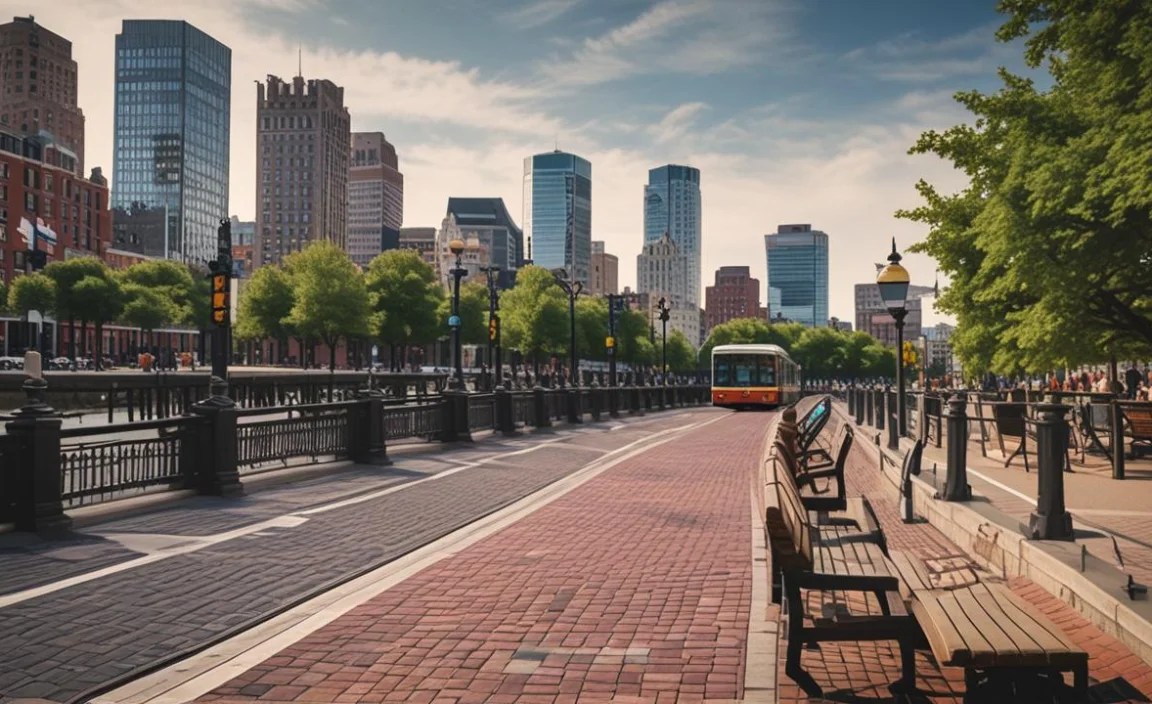
- Walking is Key: Many of Boston’s most famous historical sites are within walking distance of each other, particularly in the downtown and North End areas. Comfortable shoes are a MUST!
- Avoid Taxis and Rideshares for Short Trips: While convenient, these add up quickly. Reserve them for late nights or when you absolutely need them.
3. Free and Low-Cost Attractions: Experiencing Boston’s Richness

Boston is a treasure trove of history and culture, and much of it is accessible without a high price tag. You can soak in the city’s heritage and enjoy its atmosphere by focusing on these fantastic, budget-friendly options:
The Freedom Trail: A Must-Do
This iconic 2.5-mile red-brick line guides you through 16 historically significant sites. You can walk it independently for free! Key stops include:
- Boston Common
- Massachusetts State House
- Park Street Church
- Granary Burying Ground
- King’s Chapel
- Old South Meeting House
- Old State House
- Site of the Boston Massacre
- Faneuil Hall
- Paul Revere House
- Old North Church
- Copp’s Hill Burying Ground
- USS Constitution
- Bunker Hill Monument
While some sites on the trail have an admission fee (like the Paul Revere House or Old State House), you can still experience the essence and history by walking the trail and viewing the exteriors for free.
Other Free and Affordable Gems:
- Boston Public Garden: The first public botanical garden in America, it’s a beautiful place for a stroll, renowned for its Swan Boats (a small fee for the ride, but enjoyable to watch).
- Boston Public Library (Copley Square): This is a stunning architectural marvel. Explore its Bates Hall (the grand reading room) and interior courtyards for free.
- Beacon Hill: Wander through the charming, gas-lit streets of Beacon Hill, admiring the historic architecture. Acorn Street is particularly picturesque.
- Harvard University & Harvard Yard (Cambridge): Take the Red Line to Harvard Square and explore the historic grounds of one of the world’s most famous universities. The yard itself is free to wander.
- Street Art and Architecture: Simply walking through neighborhoods like the South End or the Back Bay offers a feast for the eyes with its beautiful Victorian brownstones and vibrant street art.
- Free Museum Days: Many museums offer free admission on specific days or evenings. Check the websites of institutions like the Museum of Fine Arts or the Isabella Stewart Gardner Museum for their schedules. For instance, the MFA offers free general admission to residents of Massachusetts on certain Wednesdays. Note that these can be very crowded.
4. Delicious and Affordable Dining in Boston
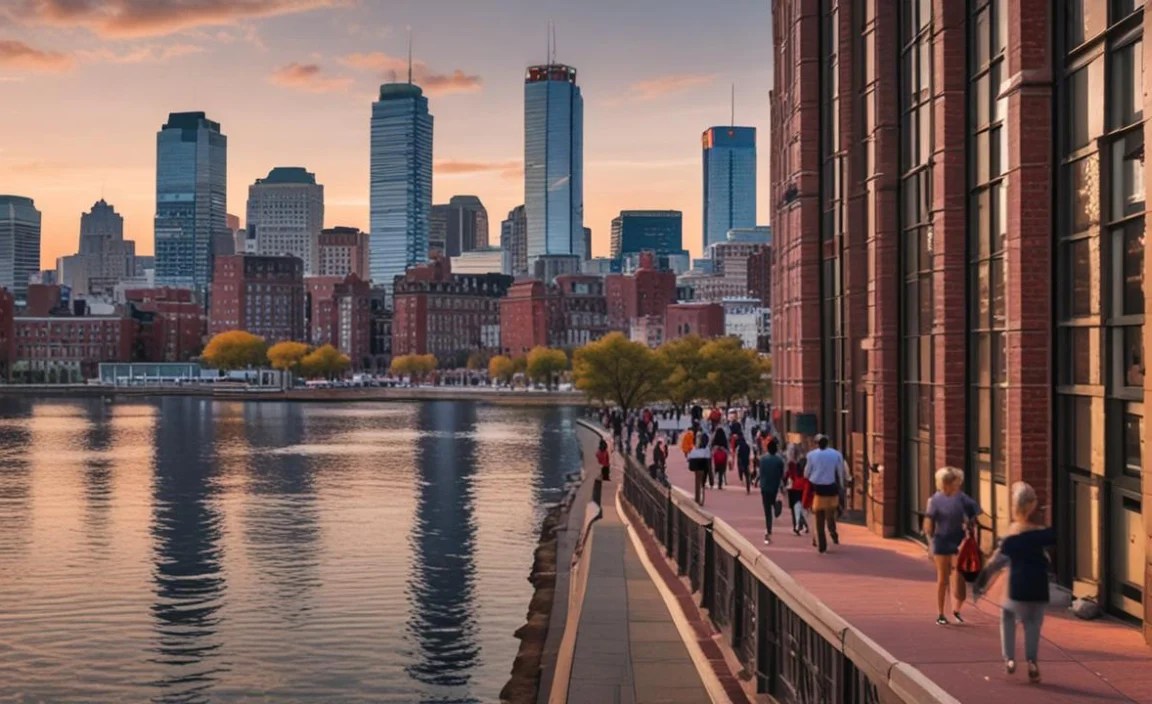
Boston’s culinary scene is diverse and incredible, from fresh seafood to international flavors. Eating well on a budget is entirely possible with a strategic approach:
Embrace Local Favorites:
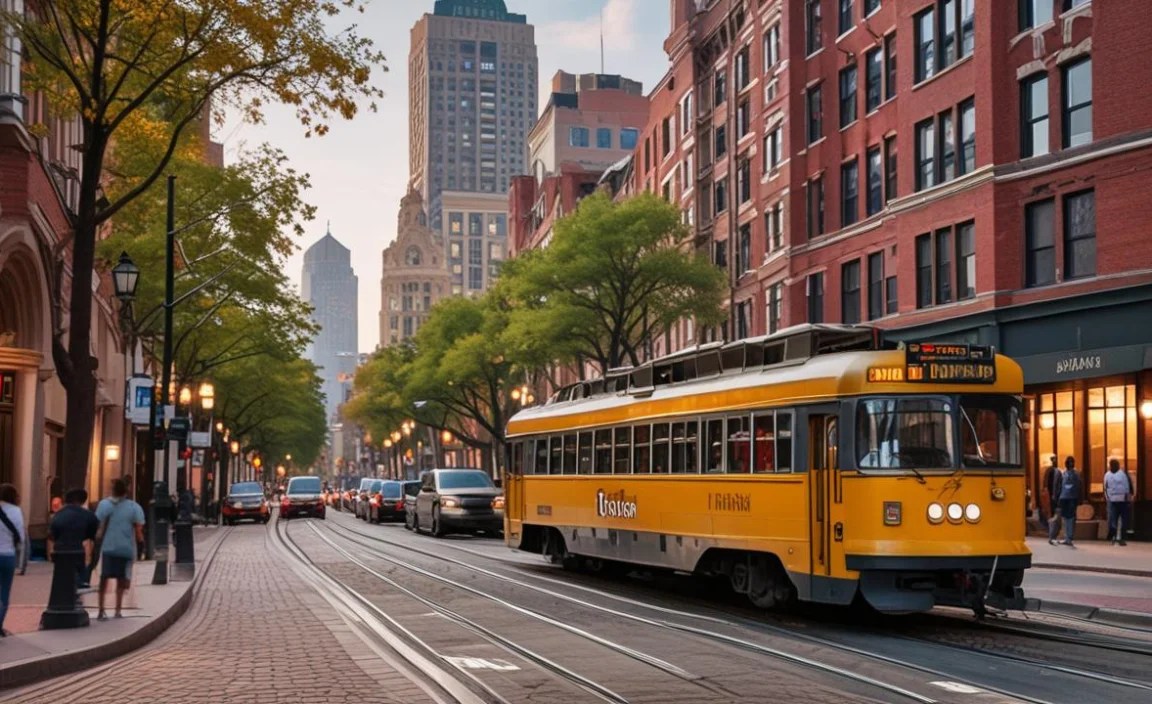
- North End Italian Food: While some Italian restaurants in the North End are pricey, many smaller trattorias offer delicious, reasonably priced pasta dishes and entrees. Look for places frequented by locals.
- Seafood Shacks: For a classic Boston experience, seek out a casual seafood place for clam chowder or a lobster roll. You don’t need a fancy restaurant for great seafood. Check out places in the Seaport District that offer more casual counter service, or venture slightly out of the main tourist hubs.
- Food Trucks and Markets: Boston has a growing food truck scene, especially around different office buildings and parks during lunch hours. Check out the Boston Public Market for a variety of local vendors offering diverse food options at various price points. It’s a great place to sample local produce and prepared foods.
- Chinatown: For authentic and affordable Asian cuisine, head to Boston’s Chinatown. Dim sum, noodle soups, and other dishes are often very budget-friendly.
Smart Dining Strategies:
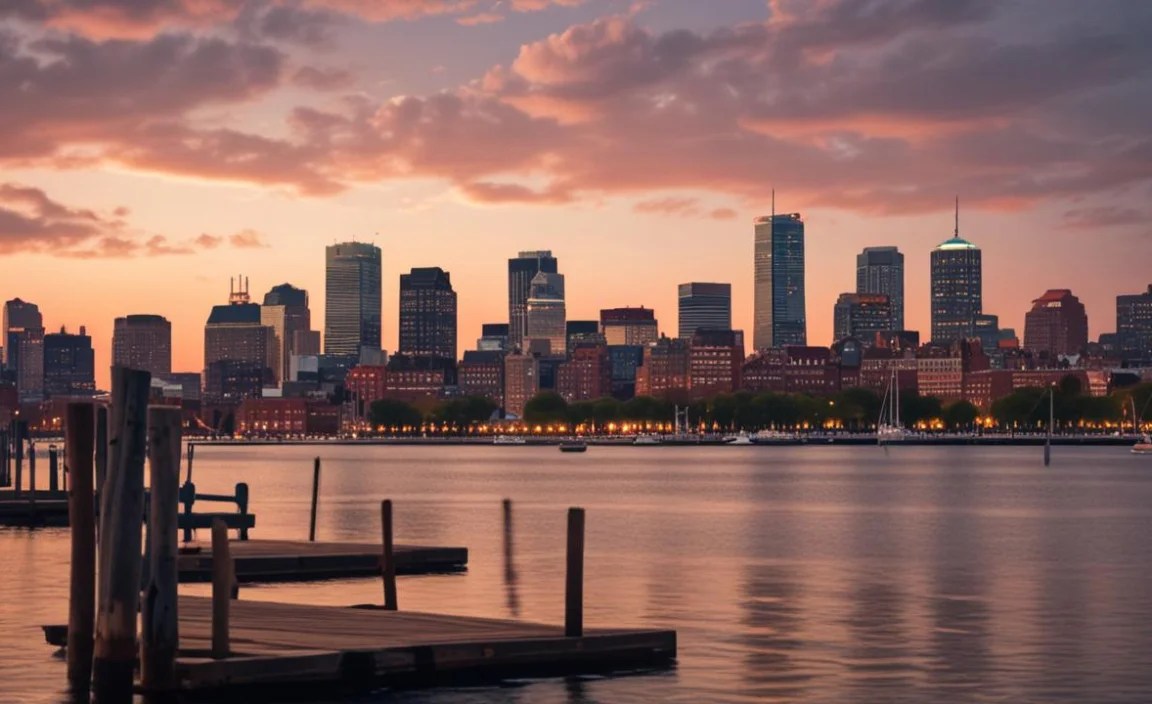
- Lunch Specials: Many restaurants offer more affordable menus during lunchtime compared to dinner. Take advantage of this for a more upscale dining experience at a lower cost.
- Happy Hour Deals: Keep an eye out for restaurants offering happy hour specials on appetizers and drinks, which can make for a light and inexpensive dinner.
- Picnics: Grab some goodies from a local market or deli and enjoy a picturesque picnic in Boston Common or the Public Garden. It’s a lovely way to enjoy a meal and the city’s green spaces.
- Food Halls: Explore places like Hub Hall or High Street Provisions for a variety of food vendors under one roof, allowing everyone in your group to choose something different without breaking the bank.
5. Packing for Comfort: Essential Items for a Smooth Trip

Comfort is key to enjoying your travels, and packing the right essentials can make a world of difference, especially when you’re on the go all day. For a mid-range trip where you’ll be doing a lot of walking and exploring, focus on practicality and versatility.
Clothing and Footwear:
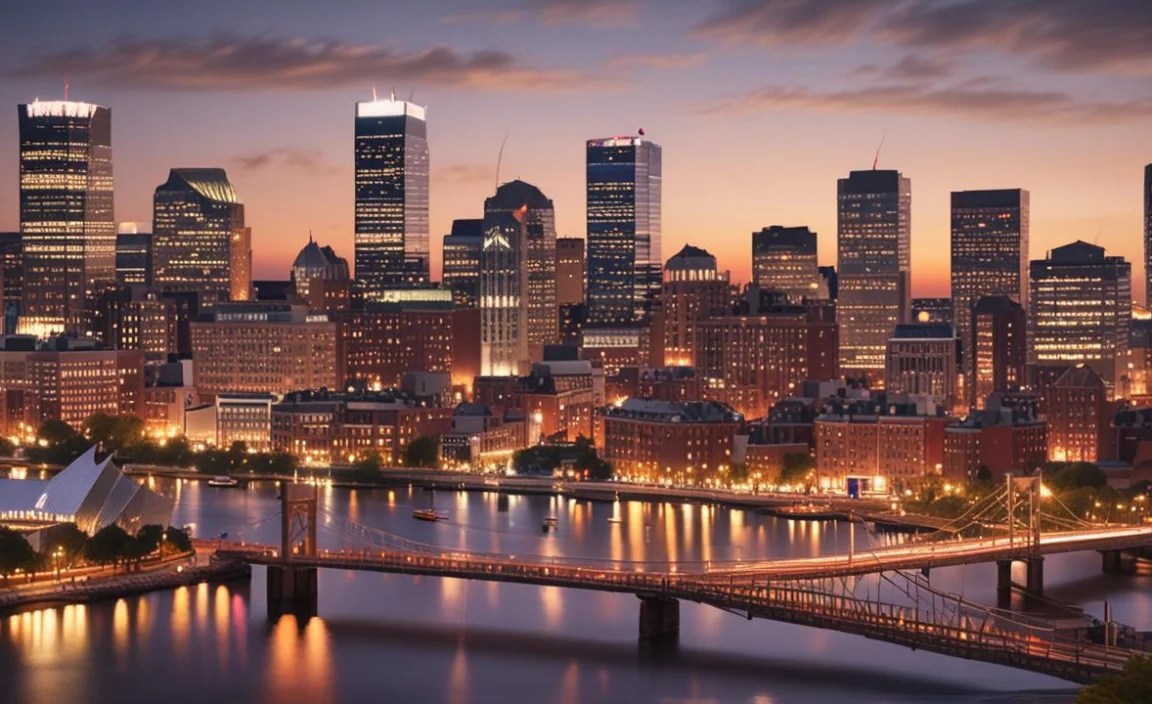
- Comfortable Walking Shoes: This is non-negotiable. Boston is a walking city, and exploring the Freedom Trail or cobblestone streets will be much more enjoyable with supportive, broken-in shoes.
- Layers: The weather in Boston can change quickly. Pack light layers like t-shirts, long-sleeved shirts, a sweater or fleece, and a waterproof, windproof jacket. This allows you to adjust to temperature changes throughout the day.
- Versatile Bottoms: Comfortable jeans, chinos, or travel pants that can be dressed up or down are ideal.
- Socks: Good quality, moisture-wicking socks are crucial for preventing blisters.
On-the-Go Essentials:
- Backpack or Crossbody Bag: A comfortable, secure bag to carry your essentials like a water bottle, snacks, camera, and any souvenirs. A crossbody bag can offer added security.
- Reusable Water Bottle: Stay hydrated and save money by refilling your bottle at water fountains or your hotel.
- Portable Charger: Your phone will be essential for navigation, photos, and staying connected. A portable charger ensures you don’t run out of battery.
- Small First-Aid Kit: Include band-aids (especially for feet!), pain relievers, and any personal medications.
- Snacks: Carrying a few granola bars or trail mix can save you from impulse buys when hunger strikes between meals.
Special Considerations: Adult and Child Diaper Needs

For travelers who require adult absorbent products or child diaper solutions, comfort and discretion are paramount. Modern products offer excellent reliability for extended sightseeing or travel days, ensuring peace of mind.
- Discreet & Absorbent Products: Look for products designed for heavy absorption and odor control. Many brands offer pull-up styles that are easy to change and feel more like regular underwear, providing confidence and comfort. For children, reliable overnight or swim diapers can prevent accidents and allow for full participation in planned activities.
- Travel Packs: Many manufacturers now offer smaller, travel-sized packs or discreet pouches that are easier to carry in a day bag.
- Secure Disposal Bags: Carry small, sealable bags for discreet disposal of used products when away from restrooms.
- Plan for Changes: While restrooms are available at most attractions, it’s wise to know your itinerary and pack accordingly. Many family restrooms in museums or larger venues offer more space and privacy.
6. Budgeting and Planning Your Itinerary
A little upfront planning goes a long way in managing your budget and maximizing your enjoyment.
Sample Mid-Range Boston Itinerary (3 Days)
This is a flexible example. Adjust based on your interests and pace.
| Day | Morning | Afternoon | Evening |
|---|---|---|---|
| 1 | Arrive, check-in. Walk part of the Freedom Trail (Boston Common, State House, Granary Burying Ground). | Explore Faneuil Hall Marketplace and Quincy Market for lunch. Continue Freedom Trail (Old State House, Boston Massacre site). | Dinner in the North End (find a mid-range trattoria). Stroll through the historic streets. |
| 2 | Visit the Boston Public Library and Copley Square. Rent a swan boat on the Boston Public Garden (optional fee). | Take the MBTA Green Line to Coolidge Corner or Brookline for lunch and explore local shops. | Catch a sunset view from a higher vantage point (consider a public building with observation access or a rooftop bar with a view). Enjoy dinner in the Back Bay area. |
| 3 | Take the MBTA Red Line to Cambridge. Explore Harvard University and Harvard Yard. | Lunch in Harvard Square. Return to Boston. Visit the USS Constitution in Charlestown (accessible via water taxi or bus). | Farewell dinner. Depending on flight times, explore a museum with free evenings (check schedules) or revisit a favorite spot. |
Budgeting Tips:
- Set a Daily Budget: Allocate a realistic amount for accommodation, food, activities, and transportation each day.
- Prioritize Paid Attractions: Decide which paid attractions are must-sees for you, and factor those significant costs into your budget.
- Look for Free Events: Check local event listings for free concerts, festivals, or walking tours happening during your visit.
- Souvenirs: Set a limit for souvenir purchases. Sometimes the best souvenirs are photos and memories!
7. Getting the Most Out of Your Trip: Final Practical Advice

Beyond the main categories, a few extra tips can enhance your Boston experience:
- Stay Connected (Affordably): Utilize free Wi-Fi at your hotel, cafes, and public spaces. Consider an eSIM or a local SIM card if you need constant connectivity for navigation or communication, but research prepaid options for cost-effectiveness.
- Book Tours Wisely: While guided tours can be great, they can also be expensive. For budget-conscious travelers, self-guided options like the Freedom Trail or using audio guides (many available for free online) are excellent alternatives. Look for free walking tours which operate on a tip basis.
- Be Aware of Peak Seasons: Boston is popular in the spring (blooming trees, nice weather), summer (warm, but can be crowded and expensive), and fall (spectacular foliage). If you’re traveling on a tighter budget, consider visiting in the shoulder seasons (late April/early May or late October/early November) for potentially lower accommodation prices and fewer crowds. Winter can also offer significant savings, though bundled clothing is essential.
- Embrace Flexibility: Sometimes the best experiences come when you allow for spontaneity. While having a plan is essential for budget travel, be open to discovering hidden gems or changing your itinerary if you find a local recommendation.
Frequently Asked Questions About Mid-Range Travel to Boston
Q1: What’s the best time of year to visit Boston on a mid-range budget?
A1: The shoulder seasons – spring (late April to early May) and fall (late October) – often offer a good balance of pleasant weather and more affordable accommodation and flight prices compared to peak summer months. Winter (November to March) can be the cheapest, but requires warm clothing and may limit some outdoor activities.
Q2: Is it possible to visit Boston’s main attractions without spending a lot of money?
A2: Absolutely! Boston is rich with free and low-cost attractions. Walking the Freedom Trail, exploring Boston Common and Public Garden, visiting the Boston Public Library, and wandering through neighborhoods like Beacon Hill and Cambridge are all experiences that cost little to nothing. Many museums also have free days or hours. Just check their schedules.
Q3: What is the most cost-effective way to get around Boston?
A3: The MBTA (the “T”) public transportation system is by far the most affordable and efficient way to travel around Boston. Purchasing a CharlieCard or CharlieTicket and utilizing the subway and bus lines will save you significantly on transportation costs compared to taxis or rideshares.
Q4: Where can I find affordable and good-quality food in Boston?
A4: Boston offers many budget-friendly dining options. Explore the North End for casual Italian trattorias, Chinatown for authentic and inexpensive Asian cuisine.