Botswana on a budget is achievable! This guide provides essential tips for affordable safaris and travel, covering transport, accommodation, activities, and saving money without sacrificing the incredible wildlife experience.
Planning a trip to Botswana might seem daunting, especially when thinking about costs. Many people dream of its vast, wildlife-rich national parks but assume it’s an exclusive destination. While luxury lodges are plentiful, visiting Botswana affordably is entirely possible with the right knowledge. We’re here to help you navigate your way to an unforgettable adventure without breaking the bank. Get ready to discover how to experience the magic of Botswana, comfortably and economically.
Your Essential Botswana Budget Travel Guide

Botswana is a gem in Southern Africa, famous for its pristine wilderness and abundant wildlife. The Okavango Delta, Chobe National Park, and the Kalahari Desert offer unparalleled safari experiences. While it’s true that Botswana can be a high-end safari destination, it doesn’t have to be. With smart planning and a willingness to embrace a more independent travel style, you can experience its wonders on a realistic budget. This guide is designed to give you the confidence and practical advice needed to make your Botswana adventure a reality.
Understanding Botswana’s Costs
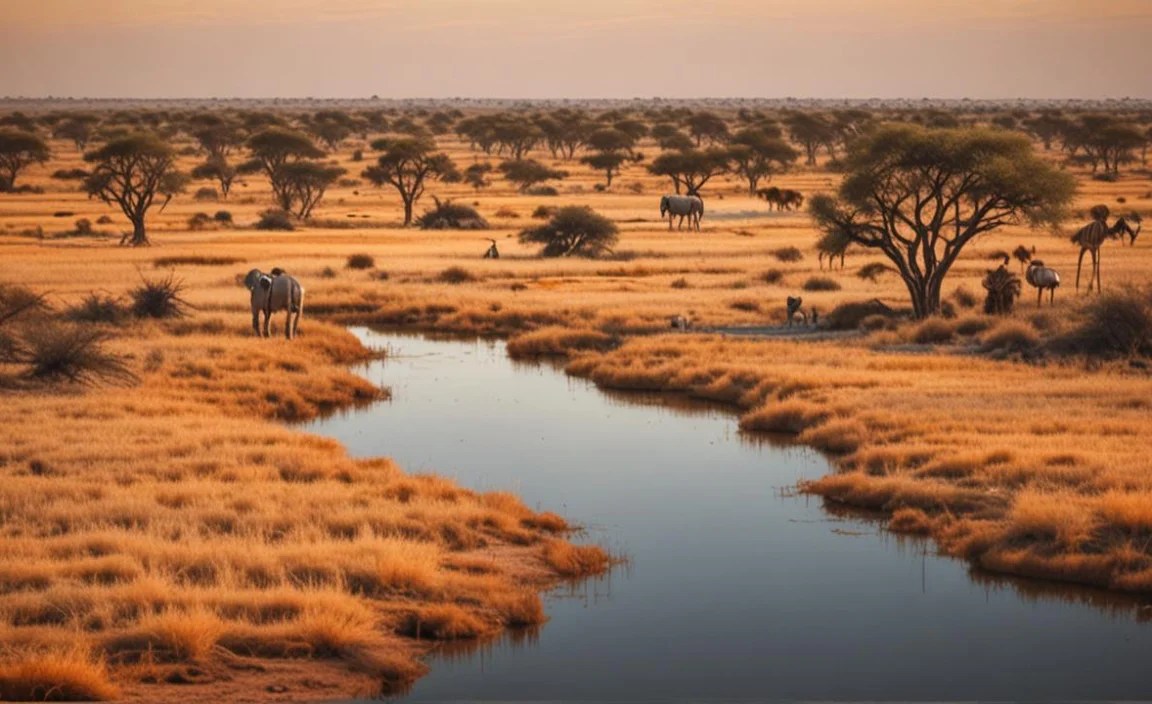
Before diving into specifics, it’s helpful to understand what makes Botswana’s travel costs lean higher on average compared to some neighboring countries.
Park Fees: National Park entry fees are a significant component of safari costs. These fees help fund conservation efforts, which is vital for protecting Botswana’s incredible biodiversity.
Infrastructure: Botswana’s vast distances and commitment to low-impact tourism mean that infrastructure can be less developed outside of main hubs. This can translate to higher costs for transport and accommodation.
Conservation Focus: The country prioritizes preserving its natural heritage through a model of high-value, low-volume tourism. This approach helps manage visitor impact but inherently sets a certain price point for guided experiences.
However, don’t let this deter you! Smart choices can significantly reduce your overall expenditure.
Getting to Botswana Affordably
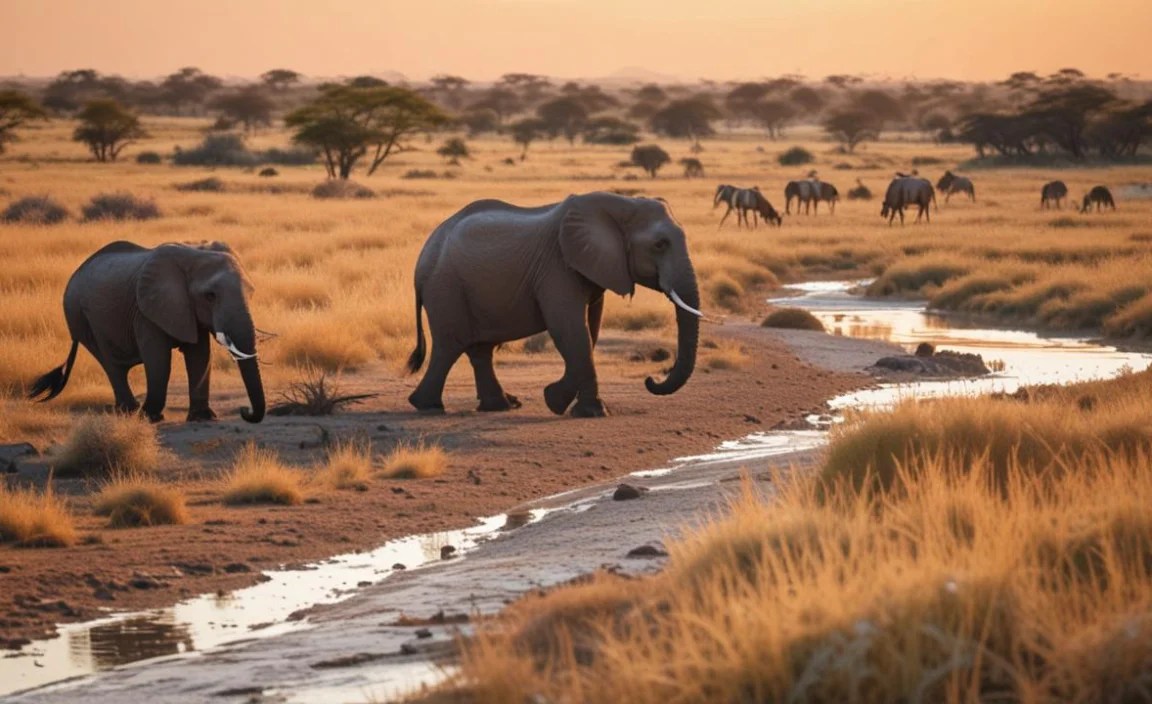
Flights are often the biggest single expense. Being strategic about when and how you book can make a substantial difference.
1. Flexible Flight Booking
Off-Season Travel: Consider visiting during Botswana’s shoulder seasons or even the green season (roughly November to April). While this is the wetter period, it often means fewer crowds and lower prices for flights and accommodations. The landscape is also lush, and birdwatching is exceptional.
Nearby Hubs: Look for flights into major Southern African hubs like Johannesburg (South Africa) or Victoria Falls (Zimbabwe). You can often find cheaper international flights to these cities and then take a separate, more affordable flight or bus to Botswana.
Book in Advance: As with most international travel, booking your flights several months in advance usually yields the best prices.
Airline Comparison: Use flight comparison websites extensively to pinpoint the best deals.
2. Overland Travel into Botswana
For the truly budget-conscious traveler, overland options can be viable, though they require more time.
From South Africa: Regular bus services operate between South Africa and Botswana, particularly between Johannesburg and Gaborone or Francistown. Companies like Intercape and Mabadi offer reliable services.
From Zimbabwe/Zambia: If you are already in the region, you might consider crossing borders from Victoria Falls (Zimbabwe) or Livingstone (Zambia) into Botswana. This will involve border formalities and potentially local transport options like minibuses (known as combis) for the final leg.
Affordable Accommodation Options
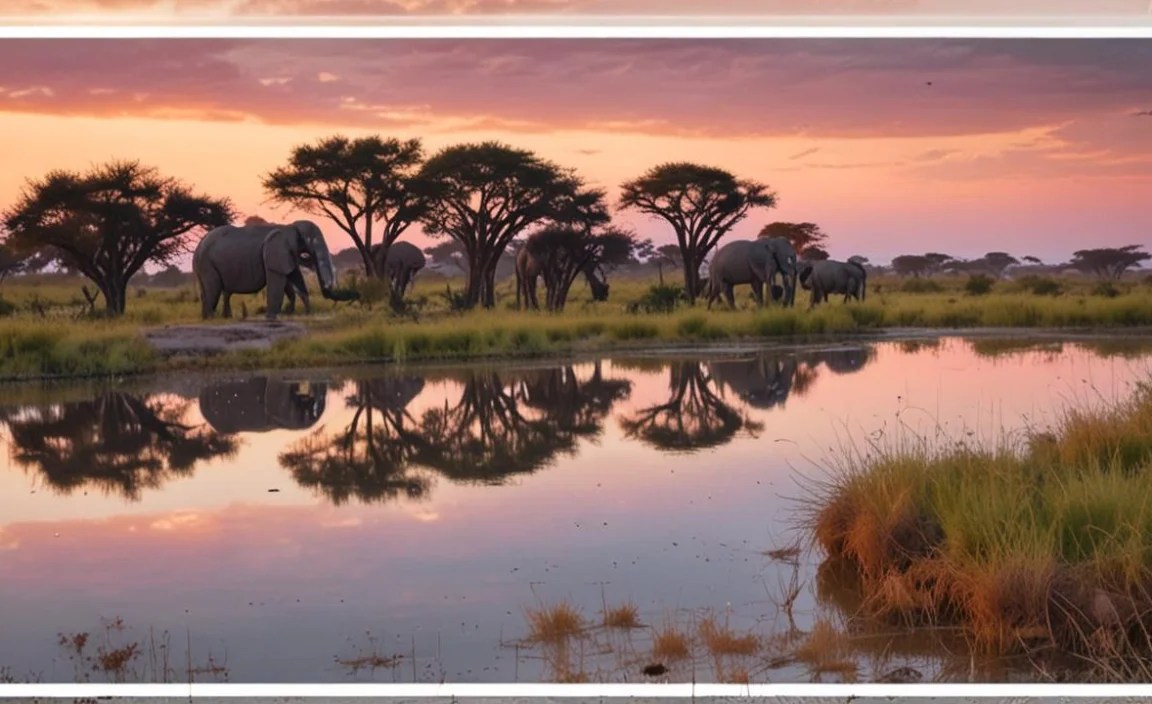
Accommodation is another area where budget travelers can make significant savings. While luxury lodges are iconic, Botswana offers more down-to-earth choices.
1. Campsites – The Ultimate Budget Saver
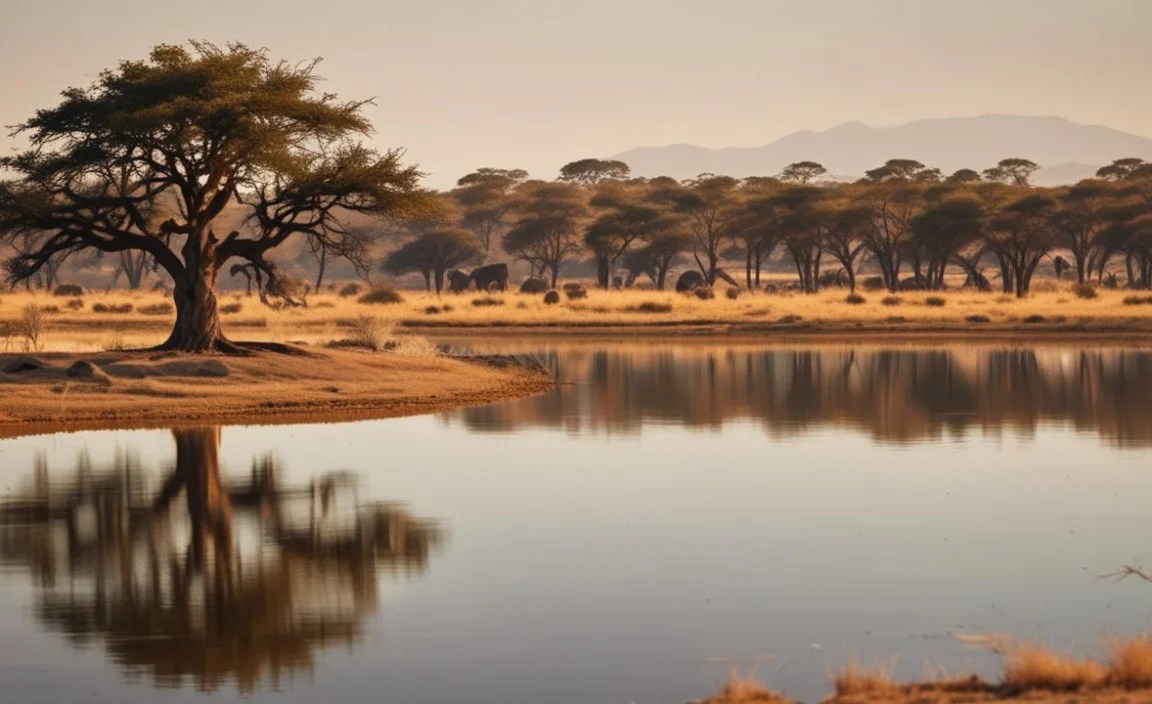
Camping is the most economical way to stay in Botswana’s national parks and reserves.
Public campsites: These are often basic but offer unparalleled proximity to wildlife. Think of pitching your tent under the vast African sky! Facilities can range from pit toilets and a braai (barbecue) area to slightly more developed sites with showers.
Self-drive camping: If you’re renting a 4×4 vehicle, many campsites within national parks allow you to self-cater and sleep either in your tent or rooftop tent. This significantly cuts down on costs.
Booking is Essential: Even for campsites, especially in popular parks like Chobe and Moremi, booking well in advance is crucial, as they can fill up months ahead. You can typically book through the Department of Wildlife and National Parks or through tour operators.
2. Budget Guesthouses and Lodges

Outside of the national parks, especially in towns like Maun or Kasane, you’ll find more affordable guesthouses and smaller lodges that offer a comfortable bed and basic amenities. These are great for a night or two before or after your park adventures.
3. Houseboats in Kasane (Chobe Riverfront)
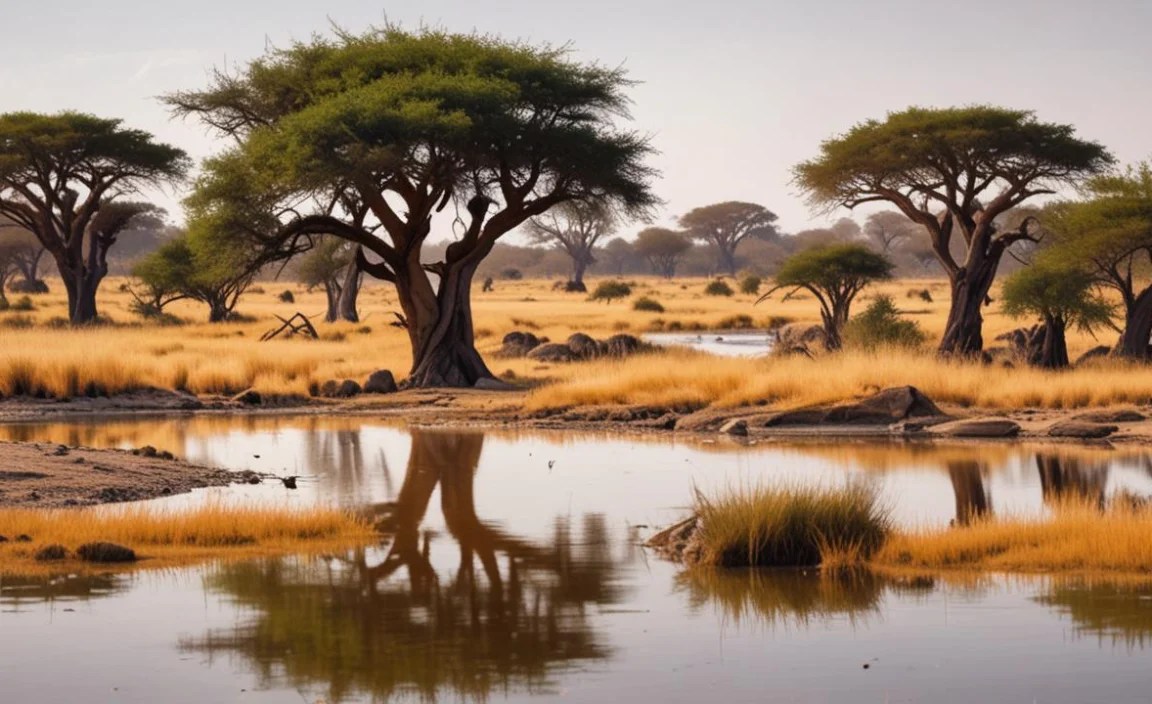
Consider this unique option for a different perspective: While not strictly budget, splitting the cost on a houseboat for a night or two on the Chobe River can be more affordable than multiple nights in high-end lodges and offers incredible game viewing from the water.
Budget-Friendly Transportation within Botswana
Navigating Botswana requires careful budgeting. Distances are vast, and fuel costs can add up.
1. Self-Drive Safari (4×4 Rental)This is often the sweet spot for budget and flexibility:

Pros: Offers maximum freedom to explore at your own pace, stop where you like, and access more remote areas. You can combine this with camping for significant savings.
Cons: Rental costs can be high, and you need to consider fuel, potential damage waivers, and the cost of camping gear if you don’t bring your own. Driving in national parks requires a capable 4×4, as roads can be sandy and challenging.
Tip: Rent a vehicle with a rooftop tent already fitted. This saves on tent rental and is incredibly convenient for setting up camp quickly. Look for companies in Maun or Kasane, or even Gaborone if you plan to drive up. Be sure to factor in an unlimited mileage or sufficiently high mileage allowance.
2. Public Transport (Combis and Buses)Ideal for inter-city travel, not for deep safari access:

For Intercity Travel: If your itinerary involves moving between towns like Gaborone, Francistown, or Maun, the local public transport system (minibuses and buses) is very affordable.
Limitations: Combis and buses do not enter national parks. You’ll need to arrange separate transport or join a small group tour once you reach a gateway town to access the wildlife areas.
3. Guided Tours (Budget-Conscious Options)Consider organised options if you prefer not to self-drive:

Group Tours: Joining a reputable budget overland safari company that offers small group tours can be cost-effective. These tours often include transport, accommodation (camping primarily), park fees, and meals. This takes the planning stress away and can be more affordable than hiring a private guide and vehicle.
Day Tours: From towns like Kasane, you can book day trips into Chobe National Park or boat safaris on the Chobe River. These are a good way to sample wildlife viewing without the commitment of an extended self-drive or multi-day tour.
Activities That Won’t Break the Bank
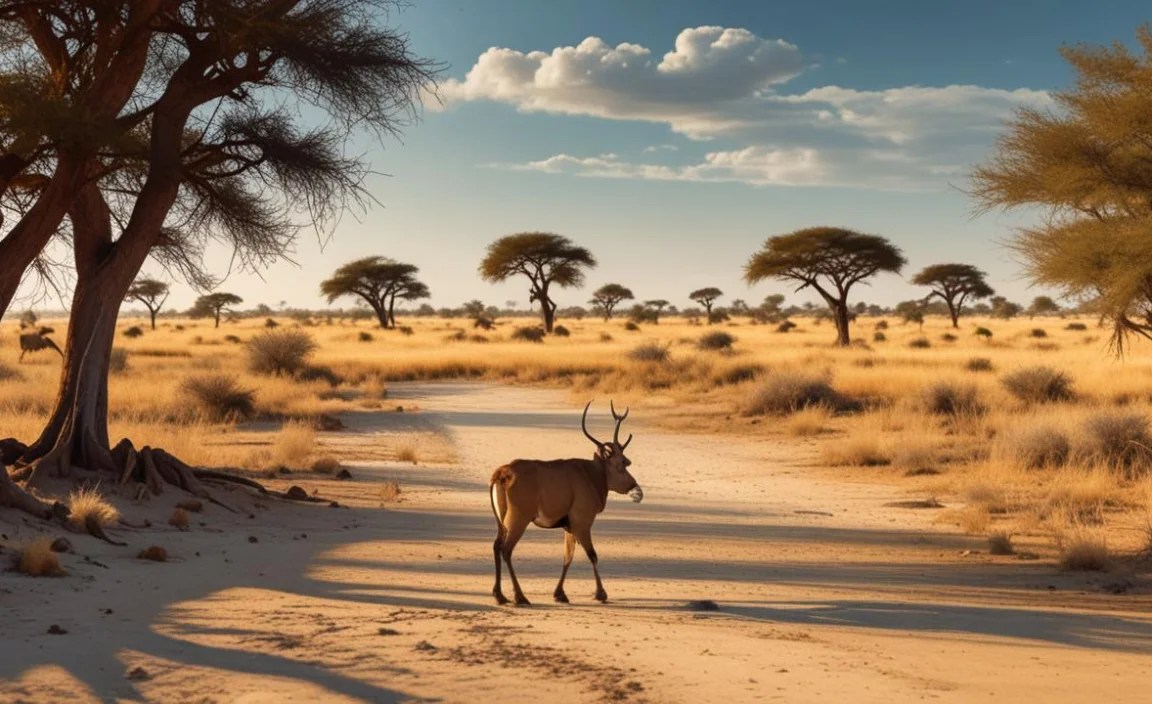
Botswana’s main attraction is its wildlife, and many of the best experiences are readily available to budget travelers.
1. Game Drives – The Core Experience
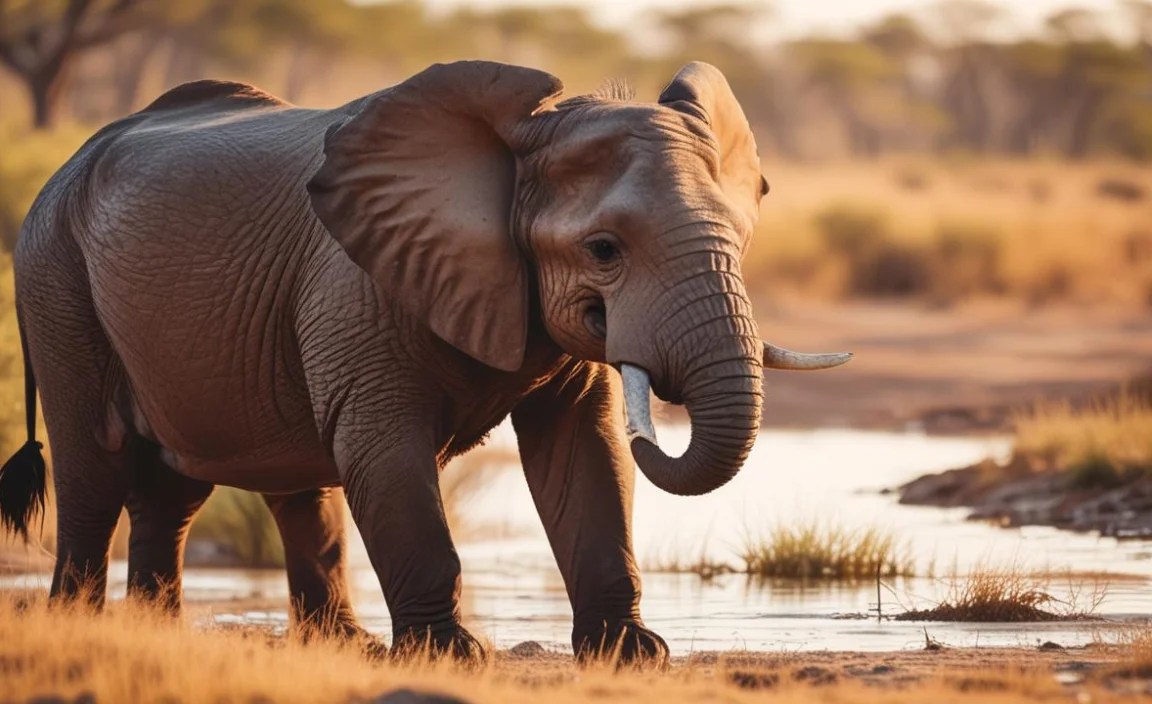
Self-Drive: As mentioned, driving yourself through the parks is the most budget-friendly way to see animals. You have the freedom to spend as long as you like at sightings.
Budget Tour Drive: Day tours often include a game drive in an open safari vehicle, guided by a ranger who knows the best spots.
Early Bird Catches the Worm: Always aim for early morning and late afternoon drives. This is when animals are most active, and you get the most bang for your park fee buck! The light is also best for photography during these times.
2. Walking Safaris (Where Available)A more immersive experience:
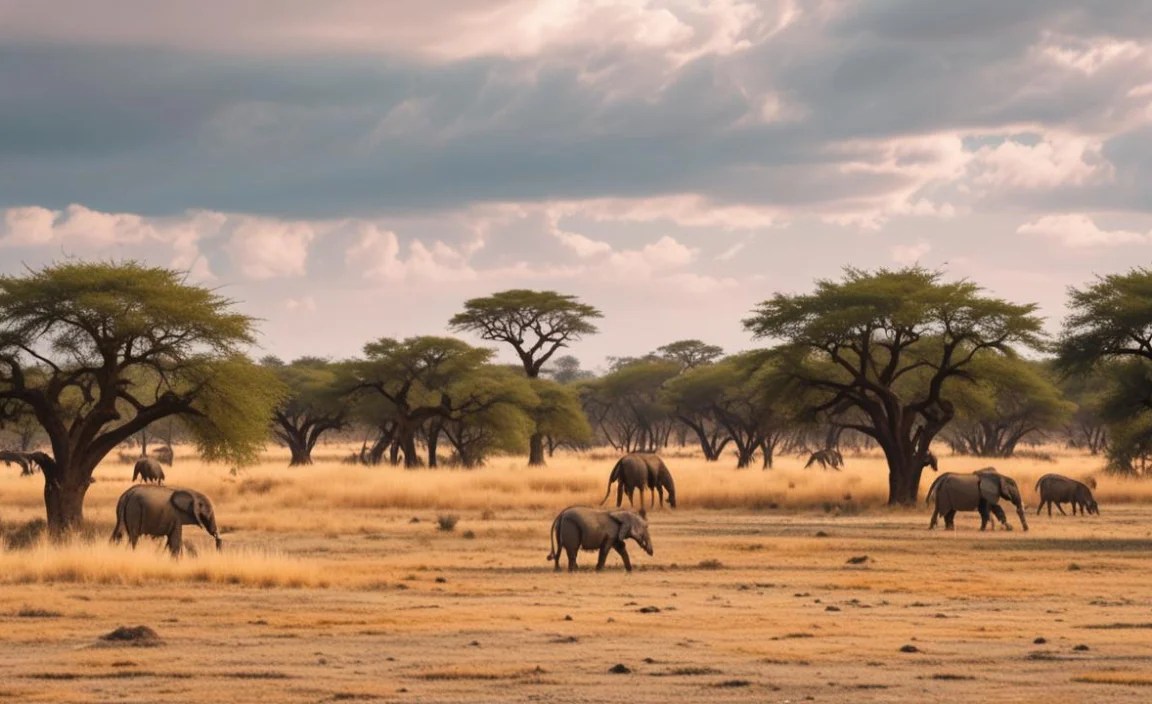
While not always the cheapest, some lodges and tour operators offer walking safaris, which are incredibly rewarding. If you can find a budget-friendly tour that includes this, it’s highly recommended for a more intimate connection with the bush.
3. Mokoro Excursions in the Okavango DeltaIconic and relatively affordable:

A mokoro (traditional dugout canoe) excursion, often arranged from lodges or campsites near the Delta’s edge (like in Maun or nearby villages), is a quintessential Botswana experience. Paddling silently through the waterways offers a unique perspective on the Delta’s ecosystems and the chance to see aquatic birds and other wildlife up close.
Budget tip: Negotiate prices directly with polers if possible, especially if you are a small group and flexible with timing. Ensure they are licensed and experienced.
4. BirdwatchingA free and rewarding activity:
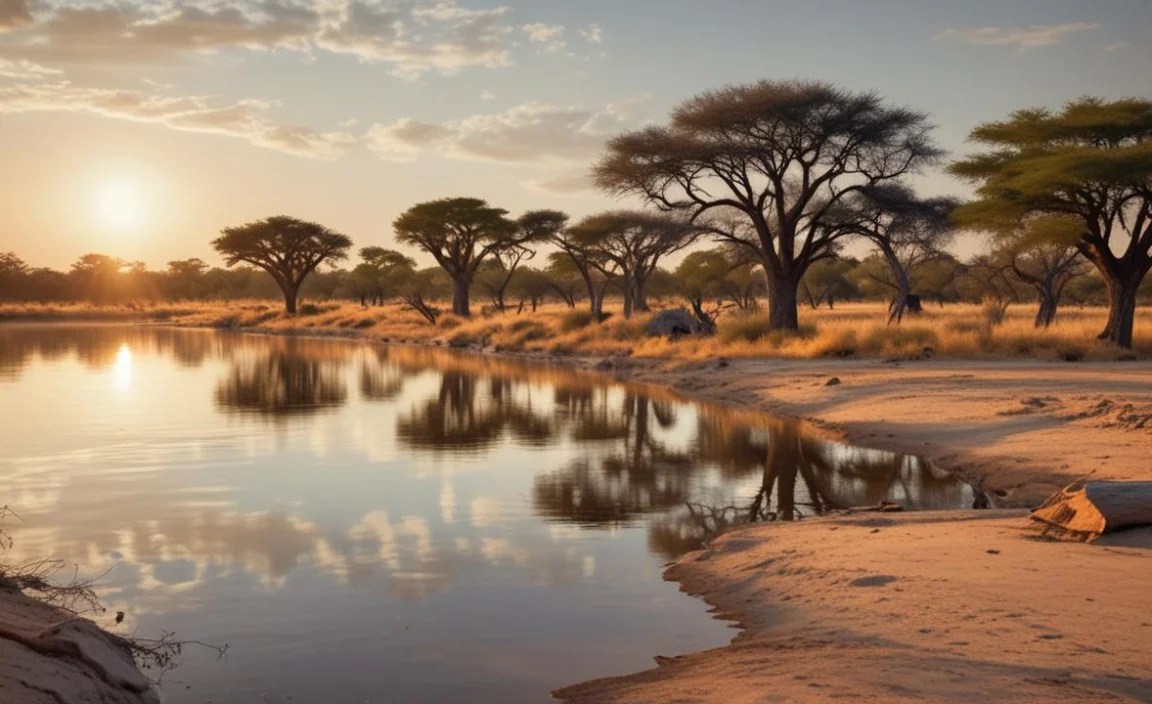
Botswana is a birdwatcher’s paradise, especially during the wet season. Simply being in the parks with binoculars will provide countless sightings. Many species are common and can be seen from your campsite or vehicle.
Saving Money on Food and Drink

Eating out in lodges can be expensive. Here’s how to keep your food budget in check.
Self-Catering: If you are camping or staying in a self-catering unit, buying groceries from supermarkets in towns like Gaborone, Francistown, or Maun is your best bet. Pack non-perishable items from home too.
Braais (Barbecues): Many campsites are equipped with braai stands. This is a fantastic and social way to cook your meals, often using affordable local ingredients like boerewors (sausage) and chicken.
Packed Lunches: For day trips or long game drives, prepare sandwiches and snacks to avoid buying expensive options from safari camps.
Water is Key: Always carry plenty of water. Buying bottled water repeatedly can add up. Consider a water filter if you’re camping.
Must-Visit Budget-Friendly Areas
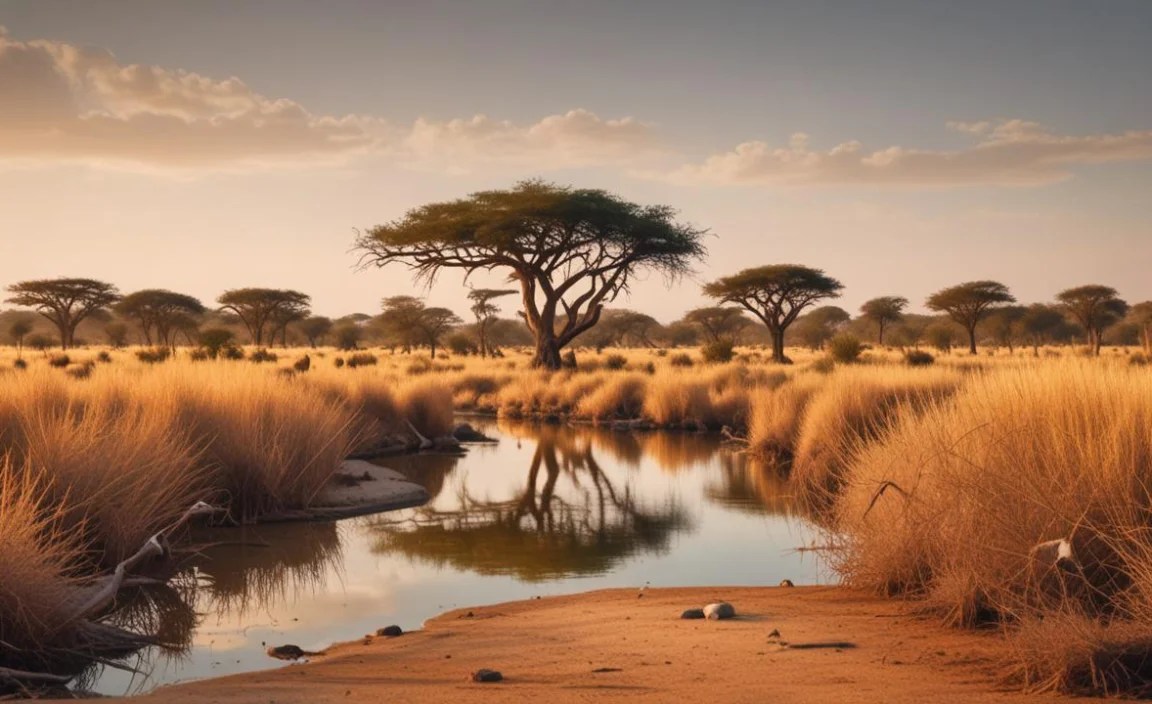
While accessibility and cost can vary, some areas lend themselves better to budget travel.
1. Chobe National Park (Riverfront)Accessible and iconic:

Entry: The main entrance near Kasane is relatively easy to access.
Activities: Game drives and boat cruises are popular. Camping within the park is an option.
Budget Approach: Stay in basic campsites, self-cater, and focus on self-driving or joining a small group day tour from Kasane.
2. Moremi Game Reserve (within the Okavango Delta)Requires more planning for budget travelers:

Entry: While an incredible wildlife destination, it’s more remote and often accessed via Maun.
Budget Approach: Camping is the most viable budget option. A 4×4 is essential. You can book campsites through the Botswana Wildlife Management Association (BWMA) or Department of Wildlife and National Parks.
3. Makgadikgadi Pans National Park and Nxai Pan National ParkVast and unique:

Entry: Accessible from Francistown or Maun.
Budget Approach: Camping is readily available and very affordable. The landscapes here are different from the Delta and offer unique game viewing opportunities, especially during the rainy season when they transform.
Essential Gear for Budget Travelers

Packing smart makes a big difference.
Camping Gear: If you are camping, ensure you have good quality tents, sleeping bags, and mats. Consider a lightweight, portable camping stove and cooking utensils.
Clothing: Neutral-colored, lightweight clothing is best for safaris. Include layers for cooler mornings and evenings.
Binoculars: Crucial for spotting distant wildlife. Don’t skimp on these!
First-Aid Kit: Always essential, especially when traveling in remote areas.
Insect Repellent: Botswana can have mosquitoes, particularly during the wet season.
Sun Protection: Hat, sunglasses, and high SPF sunscreen are vital.
Power Bank and Adapter: For charging your devices.
Managing Expectations and Staying Safe
Budget travel often means less luxury, but it doesn’t mean compromising on safety or enjoyment.
Embrace the Simplicity: Be prepared for basic facilities, especially at campsites. Enjoy the authenticity and the connection with nature.
Wildlife Safety: Always follow park rules. Never feed animals. Keep a safe distance. Listen to guidance from rangers.
Vehicle Preparedness: Ensure your rental vehicle is in good condition. Carry a spare tire, jack, and basic tools. Know how to change a tire. Learn about safe driving in sandy conditions. Check road conditions before you leave towns.
Communication: Mobile signal can be patchy. Inform someone of your itinerary and expected check-in times. Consider a satellite phone for remote areas if you are self-driving without any tour group support.
Health: Consult your doctor about necessary vaccinations and malaria precautions. For peace of mind on long journeys or in case of unexpected needs, consider carrying discreet, comfortable adult diapers or child diapers if traveling with young ones. These can offer an extra layer of security and comfort, allowing you to focus on the adventure without worry. Many brands today are highly absorbent and discreet.
Sample Budget Itinerary (7 Days)
This is a simplified example to illustrate how you might structure a budget trip.
Day 1-2: Maun Exploration & Okavango Delta Introduction
Arrive in Maun.
Stock up on groceries.
Arrange a mokoro excursion into the Delta from a local operator.
Stay in a budget guesthouse or campsite in Maun.
Day 3-5: Moremi Game Reserve (Camping)
Rent a 4×4 from Maun.
Drive into Moremi Game Reserve.
Camp at a designated campsite (book in advance!).
Self-drive game drives.
Day 6: Travel to Kasane & Chobe Riverfront
Drive from Moremi towards Kasane (can be a long drive).
Check into a campsite near Kasane or across the border.
Consider a sunset boat cruise on the Chobe River.
Day 7: Chobe Game Drive & Departure
Early morning game drive in Chobe National Park (Riverfront).
Depart from Kasane or travel to Victoria Falls.
This sample excludes international flight costs but gives an idea of how to manage expenses on ground.
Calculating Your Budget
It’s hard to give exact figures as prices fluctuate and depend heavily on your travel style. However, here’s a rough idea of daily costs from lowest to highest:
| Category | Estimated Cost Per Person Per Day (USD) | Notes |
| Basic Camping | $50 – $80 | Includes campsite fees, self-catered food, & minimal activities. |
| Budget Guesthouse | $70 – $120 | Includes guesthouse accommodation, self-catered food, fuel costs. |
| Budget Camping Tour| $150 – $250 | All-inclusive camping tour package. |
| Mid-Range Lodge | $300+ | Not the focus of this guide, but for comparison purposes. |
Additional Costs:
International Flights: Highly variable.
4×4 Vehicle Rental: $100 – $200+ per day, plus fuel.
Park Entrance Fees: Roughly $10-$30 per person per day, and vehicle fees.
Activities: Mokoro trips ($30-$50), Boat Cruises ($30-$50).
Note: These are estimates and can change. Always check current prices.
Funding for conservation in Botswana is partly supported by efforts like the Kalahari Conservation Society, which works to protect wildlife and habitats across the country. Supporting responsible tourism helps contribute to these vital initiatives.
Whether you’re a seasoned adventurer or embarking on your first safari, Botswana offers an incredible spectrum of experiences. By focusing on affordable accommodation like well-equipped campsites, opting for self-drive exploration where feasible, and embracing self-catering for meals, you can unlock this stunning destination without an exorbitant price tag. Remember that the true richness of Botswana lies in its magnificent wildlife and breathtaking landscapes, experiences that are often most profound when enjoyed in their most natural, unadulterated state.
So, pack your sense of adventure, your binoculars, and a can-do attitude. Botswana’s wild heart is waiting, ready to be discovered on a budget that works for you.
Frequently Asked Questions (FAQ)
Can I really do Botswana on a budget?
Yes, absolutely! While Botswana is known for luxury lodges, it’s entirely possible to travel on a budget by utilizing campsites, self-driving with a 4×4, self-catering, and choosing more affordable tour options. Your biggest savings will come from accommodation and transport.
What is the cheapest time to visit Botswana?
The green season, from November to April, is generally considered the low season. While it’s the rainy period and some roads might be challenging, you’ll find fewer crowds and potentially lower prices for flights and accommodation. It’s also fantastic for birdlife.
Is it better to self-drive or take a guided tour in Botswana for budget travel?
For maximum budget control and flexibility, self-driving in a 4×4 combined with camping is often the cheapest. However, if you prefer less planning and don’t want to handle vehicle logistics, joining a reputable budget group overland tour can also be very cost-effective and stress-free.
How much are park entrance fees in Botswana?
Park fees vary but generally range from $10 to $30 USD per person per day, in addition to vehicle fees. These contribute to conservation efforts, so it’s an important part of your budget.
max-width: 150px;
}
@media screen and (max-width: 480px) {
max-width: initial;
}
;
}