Uncover Boston on foot with these essential walkable routes and maps. Explore historic streets, charming neighborhoods, and iconic landmarks easily and enjoyably, even if it’s your first visit.
Boston is a city that begs to be explored on foot. Its compact size, rich history, and diverse neighborhoods make walking the absolute best way to experience its charm. But with so many streets and stories, where do you even begin? It can feel overwhelming trying to stitch together a perfect walking tour that hits all the highlights without getting lost or missing out. Don’t worry! This guide is here to help you navigate Boston’s incredible walkability, offering curated routes, practical map advice, and insider tips to make your explorations smooth, fun, and unforgettable. Get ready to discover the heart of Boston, one step at a time.
Why Boston is a Walker’s Paradise

Boston consistently ranks as one of the most walkable cities in the United States. This isn’t by accident. Its historical layout, developed long before the automobile, features narrow, winding streets that are a delight to discover on foot. The city’s public transportation system, the MBTA (Massachusetts Bay Transportation Authority), also makes it easy to hop between different neighborhoods, allowing you to start a walk in one area and easily transition to another. Plus, the sheer density of historical sites, cultural attractions, and green spaces means you can often walk from one point of interest to another in mere minutes.
Getting Started: Essential Tools for Your Boston Walks
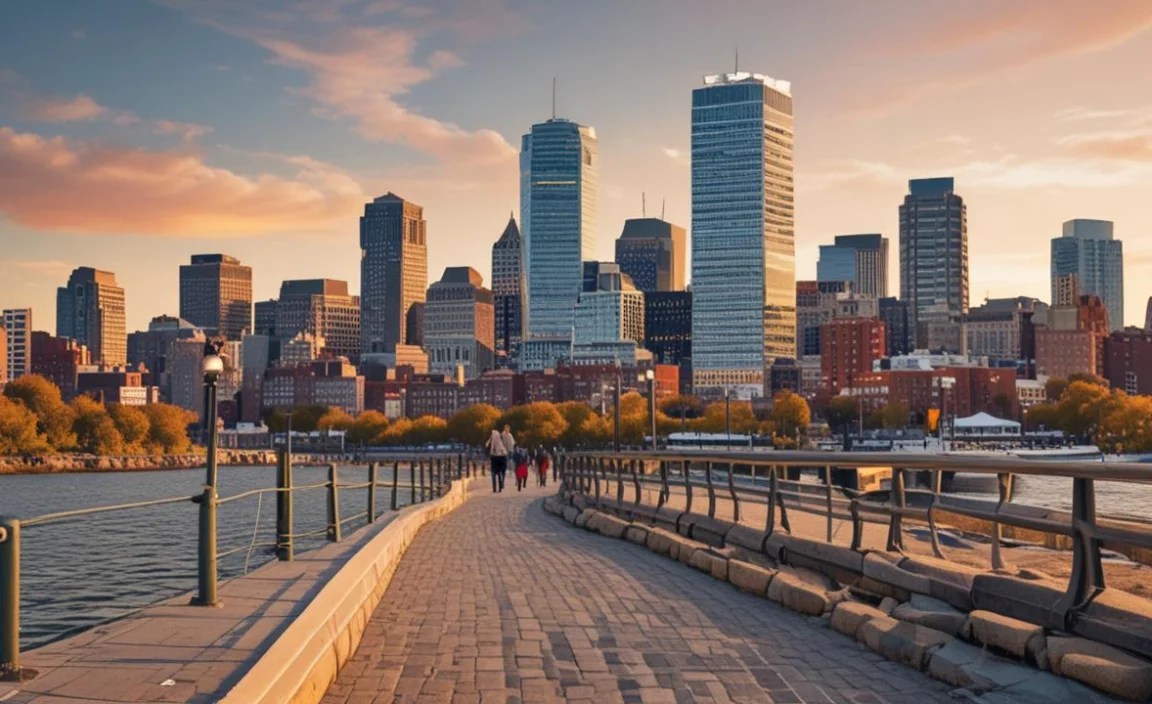
Before you lace up your walking shoes, let’s make sure you have the right tools to make your journey seamless and enjoyable.
Choosing Your Map: Digital vs. Physical
Both digital and physical maps have their advantages when exploring Boston.
Digital Maps (Smartphone Apps):
Pros: Real-time navigation, traffic updates, points of interest often marked, can be updated on the fly, easy to search for specific locations. Apps like Google Maps or Citymapper are invaluable.
Cons: Battery drain on your phone, reliance on mobile service (though offline maps are a lifesaver!), can be too distracting with constant notifications.
Physical Maps:
Pros: No battery required, offers a broader overview of an area, easy to mark your own points of interest, great for planning routes beforehand without screen fatigue.
Cons: Can be bulky, not updated with real-time information, harder to get precise directions to a specific address.
Must-Have Apps for Navigating Boston
A few key apps can make a huge difference:
Google Maps: Your go-to for general navigation, transit information, and finding local businesses. Download offline maps for areas you plan to explore extensively to save data and ensure you can navigate even without a signal.
Citymapper: Often preferred by urban explorers, Citymapper provides excellent public transit integration and walking directions, often highlighting the most scenic routes.
AllTrails (or similar hiking apps): While Boston is urban, if you’re planning to explore larger parks like the Boston Common or Arnold Arboretum, these can offer detailed trail maps and information.
Comfort is Key: Packing for Your Walks
Comfortable footwear is non-negotiable. Think well-broken-in sneakers or supportive walking shoes. Pack light with a small backpack or cross-body bag. Essentials include:
Water bottle
Sunscreen and hat (even on cloudy days)
Light, breathable clothing
A portable phone charger
Snacks – especially if you’re traveling with children and need to manage their energy levels and keep them happy between meals. Having a few easy-to-eat snacks can prevent meltdowns and keep everyone focused on the sights.
And for those who might need them, consider discreet and comfortable adult diapers or child diapers for added peace of mind on long days of exploration, ensuring freedom and confidence without worry.
Iconic Boston Walkable Routes & Maps

Let’s dive into some of the most popular and rewarding walking routes Boston has to offer. These are designed to be flexible, allowing you to customize them based on your interests and energy levels.
1. The Freedom Trail: A Historical Journey
This is the quintessential Boston walking tour. This 2.5-mile, red-lined path (painted or brick) connects 16 significant historical sites. It’s a perfect introduction for first-time visitors.
Starting Point: Boston Common Visitor Center
Ending Point: Bunker Hill Monument, Charlestown
Highlights: Massachusetts State House, Park Street Church, Granary Burying Ground, King’s Chapel, Old South Meeting House, Old State House, site of the Boston Massacre, Faneuil Hall, Paul Revere House, Old North Church, USS Constitution.
Duration: Approximately 3-4 hours, but can easily be spread over a full day.
Tips: Wear comfortable shoes! The trail involves some uneven surfaces and inclines. Don’t feel pressured to see everything; pick and choose sites that interest you most. You can even take a ferry back from the North End to save on walking. For a digital overview, the National Park Service offers an excellent online guide to the Freedom Trail.
| Freedom Trail Stop | Brief Description |
|---|---|
| Boston Common | America’s oldest public park. |
| Massachusetts State House | Home of the Massachusetts government, with its iconic golden dome. |
| Park Street Church | Historic site where the abolitionist hymn “My Country, ‘Tis of Thee” was first sung. |
| Granary Burying Ground | Final resting place of notable figures like Paul Revere, Samuel Adams, and John Hancock. |
| Old South Meeting House | Site of heated debates leading to the Boston Tea Party. |
| Old State House | The oldest surviving public building in Boston and a key site during the Revolution. |
| Faneuil Hall | Known as the “Cradle of Liberty,” a historic marketplace and meeting hall. |
| Paul Revere House | The oldest house in downtown Boston, once home to Paul Revere. |
| Old North Church | Famous for its “one if by land, and two if by sea” signal lanterns. |
| USS Constitution | The oldest commissioned warship afloat in the world. |
| Bunker Hill Monument | Commemorates the Battle of Bunker Hill. |
2. Beacon Hill Charm: Victorian Architecture & Cobblestone Streets
This route focuses on the picturesque and historic Beacon Hill neighborhood, known for its gaslit streets, Federal-style rowhouses, and charming boutiques.
Starting Point: Massachusetts State House (you can start here as part of the Freedom Trail, then diverge)
Ending Point: Charles Street (for antique shops and cafes)
Highlights: Acorn Street (one of the most photographed streets in America), Louisburg Square (a private residential square), the quaint shops and restaurants along Charles Street.
Duration: 1-2 hours, with ample time for browsing.
Tips: Beacon Hill is quite hilly, so be prepared for some inclines. The beauty is in the details – notice the ornate ironwork, the historic doorways, and the flower boxes. It’s also a great place to plan slower travel, perhaps with a quiet moment on a bench for those who value comfort and a little rest.
3. Back Bay & Public Garden: Elegance and Green Space
This route combines the architectural grandeur of Back Bay with the serene beauty of the Public Garden and Boston Common.
Starting Point: Copley Square (home to Trinity Church and the Boston Public Library)
Ending Point: Charles Street, Massachusetts General Hospital area (offering a different perspective)
Highlights: Boston Public Library (stunning architecture), Trinity Church, Commonwealth Avenue Mall (a beautiful tree-lined boulevard), the Public Garden (swan boats, make-way-for-ducklings statue), Boston Common.
Duration: 2-3 hours.
Tips: The Boston Public Library offers free tours and is a great place to escape for a bit if the weather turns. The Public Garden is perfect for a leisurely stroll or a picnic. Consider renting a bike for a portion of this route, especially along Commonwealth Avenue.
4. The North End: Boston’s Oldest Neighborhood
Experience the vibrant Italian-American culture, rich history, and delicious food of the North End. This is also a significant part of the Freedom Trail, but exploring its narrow streets on their own offers a unique flavor.
Starting Point: Start near Faneuil Hall and walk over to the North End.
Ending Point: A delicious meal at one of the many Italian restaurants.
Highlights: Paul Revere House, Old North Church, Copp’s Hill Burying Ground, Hanover Street and Salem Street (for cafes, bakeries, and restaurants).
Duration: 2-3 hours, plus time for eating!
Tips: This is a fantastic neighborhood for foodies. Be sure to try cannoli from Mike’s Pastry or Modern Pastry. Researching restaurants ahead of time can be helpful, as lines can be long, especially on weekends. The narrow streets can get crowded, so it’s a good place to be mindful of your surroundings, particularly if using a stroller or needing extra space.
5. Cambridge & Harvard Square: Academia and Culture
A short T ride across the Charles River brings you to Cambridge, home to Harvard University and a vibrant academic atmosphere.
Starting Point: Harvard Square T Station
Ending Point: Charles River Esplanade (for great city views)
Highlights: Harvard Yard (tour the historic campus), Widener Library, Massachusetts Hall, the Harvard Museum of Natural History (optional, requires entry fee), the vibrant streets of Harvard Square filled with bookstores, cafes, and street performers.
Duration: 3-4 hours.
Tips: Take advantage of free campus tours offered by Harvard students to learn more about the university’s history and traditions. Enjoy browsing the unique independent bookstores around the Square. The walk along the Charles River offers stunning panoramic views of the Boston skyline.
Customizing Your Boston Walking Adventure
Beyond these core routes, Boston offers endless opportunities for exploration. Mix and match elements, create your own loops, and discover hidden gems.
Themed Walks
Foodie Focus: Combine parts of the North End with the Boston Public Market and the Seaport District.
Art & Culture Crawl: Explore the Museum of Fine Arts (requires a significant detour, but walkable from the Fenway area), stroll through the artistic South End, and visit galleries.
Waterfront & Harbor Views: Walk along the Rose Kennedy Greenway and head towards the Seaport District for modern architecture and harbor access. For those concerned about managing personal care needs on longer outings, comfortable and reliable adult diapers can provide the extra security needed to fully enjoy these extended explorations without constant worry about finding restrooms.
Navigating with Children
Boston is surprisingly family-friendly for walkers, but it requires a bit of planning.
Shorter, Engaging Routes: Stick to sections of the Freedom Trail, explore the Boston Common (playground!), and enjoy the swan boats in the Public Garden.
Plan for Breaks: Incorporate stops at playgrounds, ice cream shops, or places with restrooms readily available.
Snack Power: Carry plenty of snacks and water. Managing hunger is key to happy little walkers. Having child diapers can also alleviate stress, especially during longer stretches of walking or when restroom access is limited, ensuring comfort and minimizing disruptions.
Stroller Accessibility: Be aware that some older streets, especially in Beacon Hill and the North End, can have cobblestones or uneven surfaces that make strollers challenging. The Freedom Trail is generally accessible, but some sites might have limitations.
Safety and Etiquette for Boston Walkers
While Boston is generally a safe city, it’s always good practice to be aware of your surroundings.
Be Visible: Stay on well-lit paths, especially at night.
Mind the Traffic: Boston drivers can be notorious for not yielding to pedestrians, especially at unmarked crosswalks. Always look both ways (and then look again!) before crossing streets, even on one-way roads. Obey traffic signals.
Keep Valuables Secure: Use cross-body bags or backpacks that can be worn in front.
Respect Property: Stick to public sidewalks and paths.
Hydration and Comfort: As mentioned, proper footwear, water, and managing personal needs are crucial for comfort. For adults who require them, discreet and absorbent travel-friendly adult diapers offer a practical solution for extended periods of walking, ensuring a stress-free experience.
Planning Your Boston Walking Itinerary
Here’s a simple approach to planning your walks:
1. Identify Your Priorities: What do you most want to see or do? History? Food? Architecture? Green spaces?
2. Map Your Major Stops: Use a digital or physical map to plot your key destinations.
3. Connect the Dots: Look for logical walking routes between your chosen stops. The MBTA can be used to “walk and ride” if distances are too great.
4. Consider Time: Estimate how long each stop and walk will take. Add buffer time for spontaneous discoveries.
5. Check the Weather: Boston weather can change rapidly. Adjust your plans and clothing accordingly.
Sample 3-Day Walking Itinerary (Beginner Focus)
This is a suggestion to get you started, combining major highlights with neighborhood charm.
Day 1: Historic Core & Waterfront
Morning: Freedom Trail (Boston Common to Faneuil Hall)
Lunch: Quincy Market/Faneuil Hall area
Afternoon: Explore the North End (Paul Revere House, Old North Church)
Evening: Dinner in the North End
Day 2: Beacon Hill & The Back Bay
Morning: Explore Beacon Hill (Acorn Street, Louisburg Square), walk down Charles Street.
Lunch: Back Bay cafe or restaurant.
Afternoon: Boston Public Library, Copley Square, Commonwealth Avenue Mall, Public Garden.
Evening: Dinner in Back Bay or South End.
Day 3: Academia & River Views (Cambridge)
Morning: Take the T to Harvard Square, explore Harvard Yard and the Square.
Lunch: In Harvard Square.
Afternoon: Walk along the Charles River Esplanade for Boston skyline views.
* Evening: Relax or explore a neighborhood you enjoyed most.