Botswana: Your Ultimate First-Timer’s Adventure Guide. Plan your dream trip with expert tips on safaris, packing, and making the most of Botswana’s incredible wildlife and stunning landscapes.
Thinking about Botswana for your first African safari? It’s an amazing choice, but planning can feel a bit overwhelming. You want to see incredible wildlife and experience the vast, open spaces, but you’re not sure where to start. Don’t worry! This guide breaks down everything you need for a fantastic trip.
We’ll cover the best times to visit, what to pack for comfort and ease, essential safety tips, and how to choose the right safari experience. Get ready to explore one of Africa’s most pristine and breathtaking countries with confidence!
Why Botswana for Your First Safari?
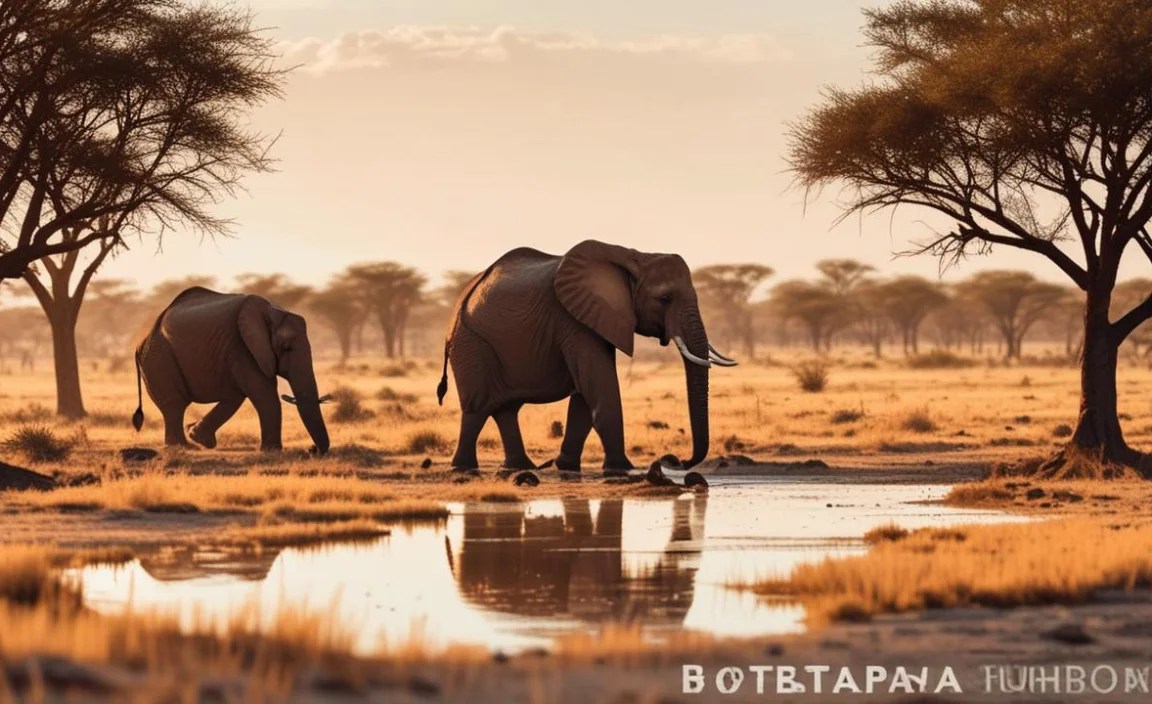
Botswana is often considered the crown jewel of African safari destinations, and for good reason. It offers an unparalleled, raw, and authentic wildlife experience. Unlike some other destinations that might have higher visitor numbers, Botswana focuses on low-impact, high-quality tourism. This means fewer vehicles at sightings and a more intimate connection with nature.
The country boasts an incredible diversity of landscapes, from the waterlogged Okavango Delta – the world’s largest inland delta – to the arid Kalahari Desert and the game-rich Chobe National Park. This variety supports a spectacular array of wildlife, including the Big Five (lion, leopard, elephant, rhino, and buffalo), as well as wild dogs, incredible birdlife, and so much more.
For first-timers, Botswana offers a sense of adventure combined with well-managed infrastructure and experienced guides. It’s a place where you can truly disconnect from the everyday and immerse yourself in the wild. It’s a journey that promises awe-inspiring moments and memories that will last a lifetime.
Best Time to Visit Botswana
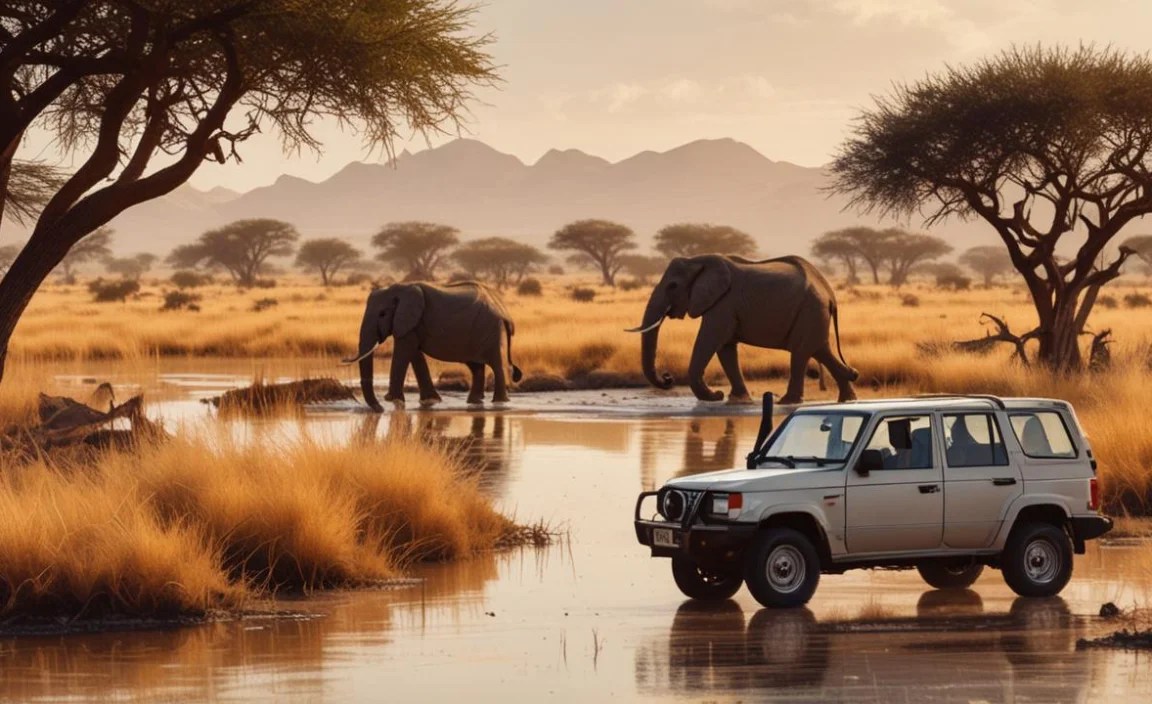
Choosing the right time to visit Botswana is crucial for maximizing your wildlife viewing opportunities and enjoying pleasant weather. The seasons directly impact animal movements and vegetation, so understanding them will help you plan your perfect adventure.
The Dry Season (May to October)
This is generally considered the prime time for safaris in Botswana. The weather is cooler and drier, with minimal rainfall. Here’s why it’s so popular:
- Concentrated Wildlife: As water sources become scarce, animals gather around permanent waterholes, making them easier to spot.
- Excellent Visibility: The vegetation thins out during the dry season, offering clearer views of wildlife.
- Pleasant Temperatures: Days are typically warm and sunny, with cooler evenings and early mornings, ideal for game drives.
- Fewer Tsetse Flies: Tsetse fly activity is significantly lower during the dry months.
Pros: High game viewing success rates, comfortable daytime temperatures, ideal for photography.
Cons: Higher prices, can be crowded in popular areas, mornings and evenings can be quite chilly, especially in June and July.
The Green Season (November to April)
This is Botswana’s summer and wet season. While it’s not the traditional peak safari time, it offers its own unique advantages:
- Lush Landscapes: The country transforms into a vibrant, green paradise after the rains, making it incredibly beautiful.
- Excellent Birding: Migratory birds arrive, and it’s a fantastic time for birdwatchers.
- Baby Animals: Many animals give birth during the green season, offering adorable sightings of young wildlife.
- Fewer Tourists & Lower Prices: Generally, there are fewer visitors and prices for accommodation and safaris can be lower.
- Stunning Sunsets: Dramatic skies and thunderstorms create incredible photographic opportunities.
Pros: Beautiful scenery, excellent for birding and photography of baby animals, fewer crowds, more affordable options.
Cons: Some areas can become inaccessible due to rain, making game viewing more challenging in certain regions, higher humidity and daytime temperatures, more tsetse flies.
Essential Packing List for Botswana First-Timers
Packing for a Botswana safari is all about comfort, practicality, and blending in with the natural surroundings. The key is to pack light, versatile items, as most lodges have laundry services. Think layers!
Clothing:
- Neutral-Colored Clothing: Pack items in shades of khaki, olive green, tan, and brown. Avoid bright colors, black, or white, which can scare wildlife or attract insects.
- Lightweight Long-Sleeved Shirts: Essential for sun protection during the day and for warding off mosquitoes in the evenings.
- T-shirts and Lightweight Tops: For warmer parts of the day.
- Comfortable Trousers/Convertible Pants: Again, neutral colors. Convertible pants that zip off into shorts are very practical.
- Shorts: For warmer days.
- Fleece Jacket or Warm Sweater: Evenings and early mornings on game drives can be surprisingly chilly, especially in the dry season.
- Lightweight Rain Jacket: Especially if traveling during the green season.
- Swimsuit: Many lodges have pools, and some activities might involve water.
- Underwear and Socks: Pack enough for your trip, considering laundry services.
Footwear:
- Comfortable Walking Shoes/Hiking Boots: Closed-toe shoes are best for protection. If you plan on any bush walks, sturdy footwear is a must.
- Sandals or Flip-Flops: For relaxing at the lodge.
Accessories:
- Sun Hat: A wide-brimmed hat is essential for sun protection.
- Sunglasses: Protect your eyes from the glare.
- Scarf or Bandana: Can be used for sun protection, to keep dust away, or for a touch of warmth.
- Camera and Accessories: Extra batteries, memory cards, a good zoom lens, and a dust-proof bag are highly recommended.
- Binoculars: A MUST-HAVE for spotting wildlife at a distance. Essential for appreciating the finer details of animals and birds.
- Sunscreen: High SPF, and reapply often.
- Insect Repellent: Choose one with DEET for maximum effectiveness.
- Personal First-Aid Kit: Include any personal medications, pain relievers, antiseptic wipes, band-aids, and blister treatment.
- Reusable Water Bottle: Stay hydrated and reduce plastic waste.
- Small Backpack or Daypack: For carrying essentials on game drives, like water, snacks, camera, and your jacket.
- Headlamp or Small Flashlight: Useful for navigating around lodges at night.
- Adapter and Power Bank: For charging your devices. Botswana uses Type D and G power sockets (230V). You can find more info on Power-Frequency.com.
Important Documents & Money:
- Passport and Visas (if required)
- Flight Itineraries
- Vaccination Certificates (e.g., Yellow Fever if coming from an affected country – check current regulations)
- Travel Insurance Documents
- Credit Cards and some USD/BWP (local currency) for tips and small purchases.
Special Considerations:
For Travelers Needing Incontinence Products: If you require adult or child diapers for health, comfort, or extended travel, it’s crucial to pack sufficient supplies. Discreet, high-absorbency products designed for travel can make a significant difference in your comfort and confidence. Brands offering discreet adult diapers or child diapers can provide peace of mind for long game drives or flights, ensuring you remain comfortable and focused on your adventure. Stash them in your daypack for easy access during excursions.
Choosing Your Botswana Safari Experience

Botswana offers a range of safari styles, from mobile camping expeditions to luxurious lodge stays. Your choice will depend on your budget, comfort level, and desired adventure intensity.
Luxury Lodges
- What it is: High-end, all-inclusive accommodations offering comfortable chalets, excellent food, and often private plunge pools and fine dining.
- Pros: Ultimate comfort, excellent service, often include guided activities (game drives, walking safaris, mokoro excursions), no need to worry about logistics.
- Cons: Most expensive option.
- Best for: Honeymooners, families, or travelers seeking a pampered safari experience.
Tented Camps
- What it is: Similar to lodges but with canvas tents, often raised on platforms, providing a closer connection to nature while offering comfort features like en-suite bathrooms.
- Pros: More intimate feel, closer to the bush, often a good balance of comfort and adventure, generally less expensive than luxury lodges.
- Cons: Tents can be less soundproof than solid walls.
- Best for: Travelers wanting a classic safari feel with creature comforts.
Mobile Camping
- What it is: A more adventurous option where you travel with a guide and crew who set up camp each night. It can range from shared accommodated camping to fully private, luxury camping.
- Pros: The most authentic wilderness experience, access to remote areas, often more affordable, completely private.
- Cons: Less luxury, requires more flexibility, shared facilities in some cases.
- Best for: Adventurous travelers, photographers seeking unique angles, and those on a tighter budget.
Key Safari Destinations in Botswana
Botswana is vast, and each region offers a unique safari experience. Here are some of the most popular for first-timers:
Okavango Delta
- What it is: A UNESCO World Heritage Site, this vast inland delta floods annually, creating a unique aquatic ecosystem teeming with wildlife. Think mokoro (dugout canoe) trips and fantastic boat safaris alongside traditional game drives.
- Highlights: Abundant water-loving species, incredible birdlife, unique delta landscapes, excellent for mokoro excursions.
- Best time: The delta is best experienced when it’s flooded, typically from May to September.
Chobe National Park
- What it is: Famous for its massive elephant herds, particularly along the Chobe River. It’s also one of the best places in Africa to see large concentrations of wildlife.
- Highlights: Huge elephant populations, abundant lions, diverse birdlife, scenic river cruises.
- Best time: Year-round, but game viewing is particularly good in the dry season (May-October).
Moremi Game Reserve
- What it is: Located in the eastern part of the Okavango Delta, Moremi is renowned for its diverse habitats and high predator densities, including lions, leopards, and wild dogs.
- Highlights: Excellent predator sightings, diverse ecosystems (water, savannah, woodland), beautiful landscapes.
- Best time: Year-round, but game viewing can be spectacular in the dry season.
Central Kalahari Game Reserve
- What it is: Botswana’s largest game reserve, offering a starkly beautiful and rugged desert landscape. It’s known for its black-maned lions, desert-adapted species, and vast, open spaces.
- Highlights: Unique desert wildlife, feeling of vast wilderness, excellent for star gazing, iconic black-maned lions.
- Best time: Best visited after the rains (December to March) when the desert comes alive with greenery and animal migrations, though it’s a more challenging destination.
Planning Your Itinerary: A Sample First-Timer’s Trip
A common and highly recommended itinerary for first-time visitors combines the watery wonderland of the Okavango Delta with the wildlife spectacle of Chobe National Park. This offers a fantastic contrast of experiences.
Here’s a possible 7-day itinerary:
Day 1-3: Okavango Delta (Maun or Kasane Entry Point, then fly into Delta)
- Arrive at Maun International Airport (MIA) or Kasane International Airport (BBK).
- Take a small bush plane transfer to your chosen lodge or camp in the Okavango Delta.
- Activities could include mokoro excursions, guided bush walks, and boat safaris, depending on the specific location and water levels.
- Enjoy the unique aquatic wildlife and birdlife of the delta.
Day 4-6: Chobe National Park (Fly from Delta to Kasane, then transfer to lodge/camp)
- Fly from your Delta camp to Kasane.
- Transfer to your accommodation in or near Chobe National Park.
- Focus on game drives to spot the abundant elephant herds and other mammals.
- Enjoy a scenic boat cruise on the Chobe River, offering incredible up-close wildlife viewing.
Day 7: Departure
- Enjoy a final morning game drive or activity.
- Transfer to Kasane International Airport (BBK) for your departure.
Note: This is a sample. Many travelers opt for longer trips or incorporate other areas like the Savuti region of Chobe or Moremi Game Reserve. Park entry fees and activity costs are usually included in lodge packages.
Navigating Botswana: Travel Tips
Getting around Botswana and enjoying your safari smoothly involves a few practical considerations.
Flights and Transfers
Internal flights are very common and often the most efficient way to travel between safari camps, especially in the Okavango Delta. These are typically operated by small charter aircraft. Your safari operator or lodge will usually arrange these for you. If you’re on a tighter budget, you might consider driving between areas that are accessible by road, but be aware of road conditions and distances.
Visa Requirements
Visa policies can change, so it’s essential to check the latest requirements for your nationality well in advance of your trip. Many nationalities can enter Botswana visa-free for short stays, but always verify with the Botswana Ministry of International Affairs and Cooperation website or your local embassy.
Health and Safety
- Malaria: Botswana is a malaria-risk area, particularly in the northern regions like the Okavango Delta and Chobe. Consult your doctor about appropriate anti-malarial medication and insect bite prevention.
- Vaccinations: Ensure your routine vaccinations are up to date. Speak to your doctor or a travel clinic about recommended vaccinations for Botswana, which might include Hepatitis A, Typhoid, and Yellow Fever (if arriving from a country with risk of Yellow Fever transmission).
- Sun Protection: The sun is intense. Use high SPF sunscreen, wear a hat and sunglasses, and drink plenty of water.
- Wildlife Safety: Always listen to your guide. Never approach or feed wild animals. Stay within designated areas and vehicles on game drives.
- Water: Drink bottled or purified water.
Currency and Payments
The local currency is the Botswana Pula (BWP). US Dollars are sometimes accepted for tips or at major lodges, but it’s best to have Pula for smaller purchases or in towns. Credit cards are widely accepted at most lodges and safari camps, but it’s wise to carry some cash as a backup, especially for tips.
Tipping
Tipping is customary for good service. A general guideline for safari staff (guides, trackers, camp staff) is around $10-15 per guest per day, to be shared amongst the team. Your lodge can advise on the best way to distribute tips.
Responsible Tourism in Botswana
Botswana is committed to conservation, and as visitors, we play a vital role in supporting this. Here’s how you can be a responsible tourist:
- Respect Wildlife: Maintain a safe distance, never feed animals, and avoid making loud noises that could disturb them.
- Minimize Your Footprint: Stick to marked roads and trails. Avoid leaving any litter.
- Support Local Communities: Purchase authentic crafts from local vendors and choose lodges that employ local staff and support community initiatives.
- Conserve Resources: Be mindful of water and electricity usage, as these can be scarce in remote areas.
- Choose Eco-Conscious Operators: Opt for safari operators and lodges that demonstrate a strong commitment to environmental sustainability and community engagement. Look for certifications or clear policies on their websites.
By traveling responsibly, you help ensure that Botswana’s natural beauty and wildlife are preserved for future generations to enjoy.