Discover amazing free activities in Botswana! Explore stunning landscapes, vibrant culture, and unique wildlife without spending a penny. This guide reveals the best ways to experience Botswana’s magic on a budget, ensuring a rich and memorable adventure for every traveler.
Botswana is a treasure trove of natural beauty and cultural richness, yet many travelers worry about the costs associated with exploring this incredible country. Planning a trip doesn’t have to break the bank, especially when there are so many fantastic experiences you can enjoy for free! From breathtaking wildlife encounters in unfenced areas to immersing yourself in local life, Botswana offers more than you might expect for those traveling on a shoestring or simply looking for authentic, cost-free adventures. This guide is designed to help you uncover these hidden gems, making your Botswana journey comfortable, exciting, and affordable.
Exploring Botswana on a Budget: The Free Experiences You Can’t Miss

Botswana, often celebrated for its luxury safaris and vast wilderness, also holds a wealth of experiences that cost absolutely nothing. These opportunities allow for genuine connection with the land, its people, and its incredible wildlife, offering a more intimate and often more rewarding travel experience. Understanding where to find these free attractions can transform a potentially expensive trip into an accessible adventure for solo explorers, families, and anyone seeking value without compromising on the magic of travel.
Embracing Nature and Wildlife Without a Price Tag
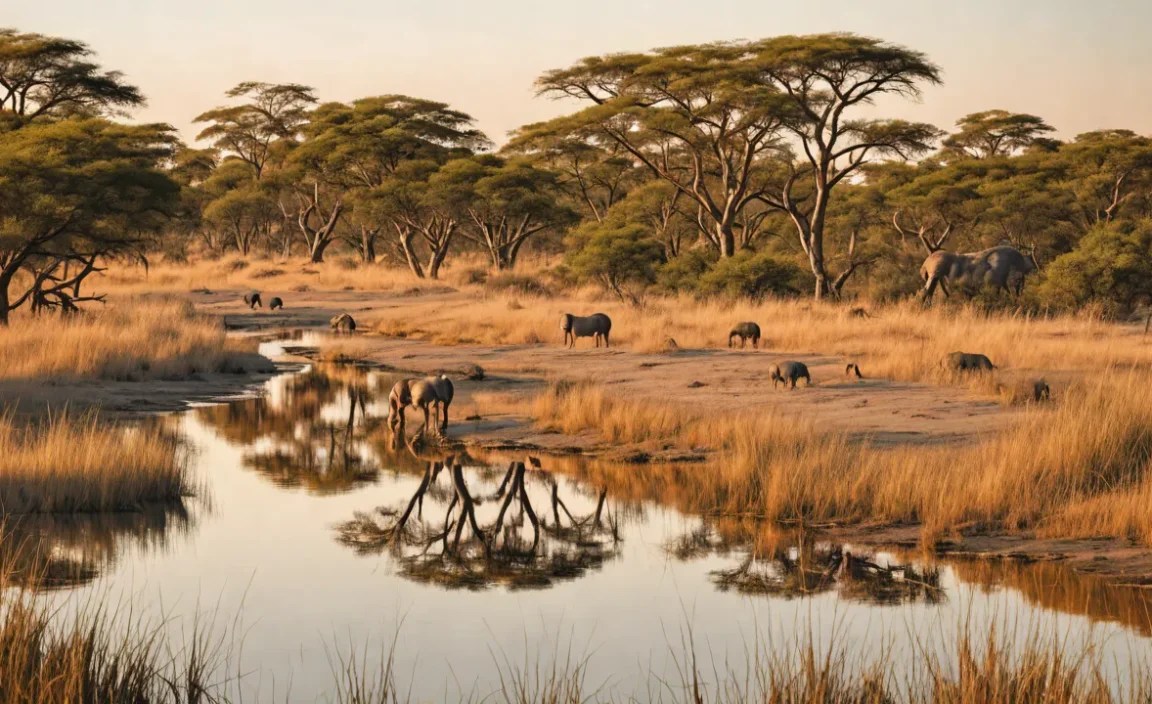
Botswana is synonymous with wildlife. While organized safaris can be costly, there are numerous ways to witness its fauna and flora without entering paid reserves.
Self-Drive Safaris in Unfenced Areas
Many areas outside the national parks and private reserves offer opportunities for incredible self-drive wildlife viewing. Roads that pass through communal lands or along the fringes of conservation areas often have abundant game.
- Timing is Key: Early mornings and late afternoons are prime times for animal activity.
- Patience is a Virtue: Sometimes, the best sightings come after a period of patient observation.
- Respect Wildlife: Always maintain a safe distance and never feed the animals.
Exploring the Okavango Delta’s Periphery
While boat tours and mokoro (dugout canoe) excursions within the Delta itself are paid activities, the areas surrounding the Delta offer visual delights. Driving along the main roads leading into larger settlements like Maun can still offer glimpses of wildlife, especially aquatic birds and mammals near water sources.
- Birdwatching Hotspots: Look for water birds along rivers and floodplains visible from public roads.
- Local Knowledge: Chatting with locals in smaller villages can sometimes reveal excellent, accessible viewing spots frequented by animals.
Walking and Hiking in Natural Landscapes
Botswana’s diverse landscapes, from savannahs to riverbanks, are perfect for exploration on foot. Many rural areas offer stunning scenery and a chance to connect with nature in a quiet, contemplative way.
- Local Guidance: For safety, especially in areas where wildlife might be present, consider hiring a local guide for a day’s walk. This is often an affordable option compared to formal tours.
- Scenic Routes: Explore areas around villages or along rivers where the scenery is particularly beautiful.
Cultural Immersion and Community Experiences
Botswana’s rich cultural heritage is best experienced through interaction with its people. Many cultural activities are inherently free, offering a genuine glimpse into daily life and traditions.
Visiting Local Markets
Markets are vibrant hubs of activity where you can see local produce, crafts, and daily life unfold. While buying goods costs money, the experience of browsing, observing, and interacting is free.
- Sensory Delight: Engage your senses with the sights, sounds, and smells of a bustling market.
- Photography: Always ask permission before taking photos of people.
Exploring Villages and Towns
Wandering through local villages provides an authentic cultural experience. Observe traditional architecture, witness daily routines, and feel the rhythm of rural life.
- Respectful Exploration: Be mindful of local customs and dress modestly.
- Friendly Encounters: A smile and a greeting go a long way in fostering positive interactions.
Attending Local Gatherings and Events (When Possible)
While not always predictable for tourists, sometimes local celebrations, community meetings, or informal musical gatherings occur that are open to the public. Keeping an ear to the ground and asking locals can sometimes lead to unique free cultural experiences.
- Openness in Botswana: Batswana are generally welcoming; showing genuine interest can lead to invitations.
Learning about Traditional Crafts
Observe local artisans at work. While purchasing their creations incurs a cost, watching them weave baskets, carve wood, or create pottery is a fascinating free activity. Many craft centers or communal workshops are accessible for visitors to observe.
Observing Starry Skies and Natural Phenomena
Botswana is renowned for its low light pollution, making it a paradise for stargazers.
Stargazing
Given its vast, sparsely populated areas, Botswana offers some of the most spectacular night skies on Earth. Find an open space away from any village lights and simply look up.
- Celestial Wonders: Identify constellations, planets, and the Milky Way with incredible clarity.
- Best Locations: Campgrounds, lodges with open grounds, or simply along a quiet road can offer excellent viewing spots.
Sunrise and Sunset Views
Botswana’s expansive horizons provide breathtaking backdrops for sunrises and sunsets. Find a vantage point – a hill, a riverbank, or an open plain – and enjoy the spectacle of changing colors.
- Golden Hour Photography: These times offer perfect lighting for photography.
- Peaceful Moments: Sit and absorb the tranquility of these daily natural displays.
Practical Tips for Maximizing Free Activities
To truly make the most of Botswana’s free offerings, some planning and preparation are essential.
Transportation
While self-driving offers flexibility, it can be costly. Consider:
- Public Transport: Utilize local buses between towns for an authentic and affordable experience. This also offers opportunities to meet locals.
- Hitching Rides: In certain areas, especially between villages, hitchhiking can be an option, though it requires flexibility and a good dose of caution.
- Walking: For exploring villages or nearby natural areas, walking is the most budget-friendly option.
Accommodation
Free activities are best complemented by affordable stays or camping.
- Camping: Many public campsites are available and offer a chance to be closer to nature.
- Guesthouses: Budget guesthouses in towns offer basic but comfortable stays.
Information Gathering
- Talk to Locals: Don’t underestimate the value of local advice. Ask about the best spots for wildlife viewing, local markets, or interesting places to explore on foot.
- Visitor Information Centers: While not always abundant, where available, these centers can offer free maps and local suggestions.
Safety First
Always prioritize safety when exploring.
- Awareness: Be aware of your surroundings, especially when walking in rural areas or observing wildlife.
- Water and Supplies: Carry sufficient water, especially when walking or in remote areas.
- Communication: Ensure your phone is charged or carry a power bank. Inform someone of your plans if venturing out alone.
Essential Items for Your Botswana Adventure
Even when focusing on free activities, certain items enhance comfort and safety. As Michael C. Herrera from Journey Essentials, I always recommend packing smart. For Botswana, consider these:
| Item Category | Essential Items | Why It’s Important |
|---|---|---|
| Clothing | Lightweight, breathable clothing (neutral colors), long-sleeved shirts, trousers, hat, comfortable walking shoes/sandals. | Protects from sun and insects, allows for comfortable exploration. Neutral colors blend with the environment, especially important for wildlife viewing. |
| Health & Comfort | Sunscreen, insect repellent, basic first-aid kit, hand sanitizer, reusable water bottle. For families, I always recommend packing essentials like child-friendly sunscreen and, if needed, discreet adult or child diapers for peace of mind during long days out or travel days. | Protects skin from harsh sun and biting insects. Basic medical preparedness is crucial. Staying hydrated is vital. Travel-friendly personal care items ensure comfort for everyone. |
| Navigation & Safety | Mobile phone (with local SIM if possible), power bank, basic map of the area, whistle. | For communication and emergencies. Power banks are crucial given potential lack of charging points. Knowing your general location is always wise. |
| Wildlife Viewing | Binoculars (optional but highly recommended), camera. | Enhances wildlife sightings, allowing for closer views without disturbing animals. Captures memories. |
The Importance of Comfort and Preparedness with Personal Care
When exploring Botswana, especially if engaging in longer excursions or traveling with family, comfort is paramount. For parents managing travel with children, or for adults who require extra security, having reliable personal care items can make all the difference. Discreet and comfortable adult or child diapers can offer peace of mind, allowing you to focus on the adventure rather than potential worries. This is about ensuring stress-free travel, so everyone can fully enjoy the experience, from a dusty market to a quiet sunset.
Case Study: A Day of Free Exploration Near Kasane

Let’s imagine a day trip focusing entirely on free activities near Kasane, a popular gateway town to Chobe National Park.
Morning (6:00 AM – 9:00 AM):
The day begins before sunrise. Drive a short distance out of town along the main road towards the main Chobe National Park entrance gate. Instead of entering, continue past it, heading west. This public road runs alongside the park’s unfenced boundary. The Chobe River is to the north, and the park, with its abundant wildlife, is to the south.
- Activity: Self-drive wildlife spotting. Look out for elephants, antelopes, and various bird species that frequently graze or move along this boundary road, especially in the cooler morning hours.
- Free Aspect: No park fees are required for viewing from the public road.
Mid-Morning (9:00 AM – 11:00 AM):
Head back towards Kasane town. Stop at the local craft market.
- Activity: Browse local crafts – woven baskets, wooden carvings, and colorful textiles. Observe artisans at work. Engage with vendors (respectfully, of course).
- Free Aspect: The act of browsing and observing is completely free.
Late Morning (11:00 AM – 1:00 PM):
Explore Kasane town on foot.
- Activity: Wander through the streets, observe local life, notice the architecture. Visit the vicinity of the local market and community centers.
- Free Aspect: Walking and observing the local environment and community is a free cultural immersion.
Lunch (1:00 PM – 2:00 PM):
Enjoy a packed lunch from a local shop or a picnic brought from your accommodation. Find a scenic spot near the Chobe River bank (public access points, outside lodges).
- Activity: Picnic with a view of the river. You might spot hippos or crocodiles in the water, or birds along the banks.
- Free Aspect: The picnic itself is a cost you’ve planned for, but the location and view are free.
Afternoon (2:00 PM – 5:00 PM):
Take a walk along a designated walking trail or peaceful road outside of town. For example, explore areas towards the Kazungula ferry point, but stay on public land.
- Activity: Gentle hike or walk, enjoying the savannah landscape, spotting smaller wildlife and diverse plant life.
- Free Aspect: Exploring nature on foot in areas accessible to the public costs nothing.
Evening (5:00 PM onwards):
Find a quiet, open spot away from the main lights of Kasane.
- Activity: Witness the sunset over the horizon. As darkness falls, enjoy incredible stargazing.
- Free Aspect: Both sunset viewing and stargazing are natural wonders accessible to everyone.
This day demonstrates how a rich, engaging experience in Botswana can be achieved with minimal expenditure, focusing on observation, local interaction, and appreciation of natural beauty.
FAQ: Your Questions Answered
Q: What is the best time of year to see wildlife for free in Botswana?
The dry season, generally from May to October, is often the best time for wildlife viewing. Animals tend to congregate around the remaining water sources, making them easier to spot, especially near rivers or unfenced areas. However, wildlife can be seen year-round.
Q: Are there any safety concerns with free wildlife viewing?
Yes, safety is paramount. Always maintain a significant distance from wildlife, never attempt to feed animals, and stay in or very near your vehicle when viewing large or potentially dangerous animals. Drive cautiously and be aware of your surroundings, especially on roads where animals might suddenly appear.
Q: How can I find local markets or villages to explore?
Ask your accommodation hosts or locals for directions. Most towns and larger villages have central markets. Exploring on foot is the best way to discover smaller communities and their daily life.
Q: Is it safe to walk or hike in rural Botswana?
For most rural areas, walking is generally safe, especially during daylight hours and on well-trafficked paths or roads. However, always be aware of wildlife, inform someone of your plans, carry water, and consider local advice. If you’re unsure about an area, it’s best to stick closer to towns or seek guidance from locals.
Q: Can I camp for free in Botswana?
True ‘free camping’ is rare and often discouraged outside of designated areas for safety and environmental reasons. However, very basic, low-cost public campsites managed by local councils or the Department of Wildlife and National Parks are available and are significantly cheaper than private campsites or lodges, offering an affordable way to stay close to nature.
Q: What should I pack for exploring free attractions?
Pack light, comfortable clothing in neutral colors, a hat, sunscreen, insect repellent, a reusable water bottle, comfortable walking shoes, and your phone/camera for photos. A basic first-aid kit is also advisable. If traveling with children or needing personal care support, discreet diapers for adults or children can provide essential comfort and security.
Q: What are some ethical considerations when visiting communities?
Always ask permission before taking photos of people. Dress modestly. Be respectful of local customs and traditions. If you choose to observe artisans, consider purchasing something small if you can afford it; this supports the local economy. Avoid giving out money indiscriminately to children.
Conclusion: Your Affordable Botswana Adventure Awaits
Botswana is a destination that truly rewards the curious and the adventurous, and exploring its many free attractions can lead to some of the most authentic and memorable experiences. From the thrill of spotting wildlife from a public road to the quiet contemplation of a starlit sky, or the vibrant immersion in local village life, the opportunities for rich, cost-free enjoyment are abundant. By packing smart, staying informed, and approaching your journey with an open mind and a spirit of adventure, you can discover the heart of Botswana without spending a fortune.
Remember, the most valuable travel experiences are often those that connect you deeply with the place and its people, and for these moments, your wallet doesn’t need to be full. So, plan your trip, embrace the freedom of exploration, and get ready for an unforgettable, budget-friendly adventure in the magnificent landscapes of Botswana. Your journey essentials are simple: a sense of wonder and a willingness to discover.