Discover the vibrant heart of Botswana by exploring its bustling local markets and savoring delicious indigenous street food. This guide offers a beginner-friendly roadmap to navigate these sensory experiences with confidence, ensuring you taste authentic flavors and find unique treasures.
Botswana’s markets are a kaleidoscope of colors, sounds, and aromas, offering a genuine glimpse into local life. For many travelers, the idea of diving into unfamiliar food stalls can feel a little daunting. Will it be safe? What should I try? Worry not! This guide is designed to make your market and street food adventure easy and enjoyable. We’ll walk you through what to expect, how to stay comfortable, and the must-try treats. Get ready to experience Botswana’s culture through its most delicious offerings!
Understanding the Botswana Market Experience

Botswana’s local markets are more than just places to shop; they are vibrant social hubs. Here, you’ll find a rich tapestry of everyday life unfolding. From fresh produce and handcrafted goods to sizzling street food, these markets are the pulse of the community. Understanding this essence is the first step to truly appreciating your visit.
What to Expect at a Botswana Local Market
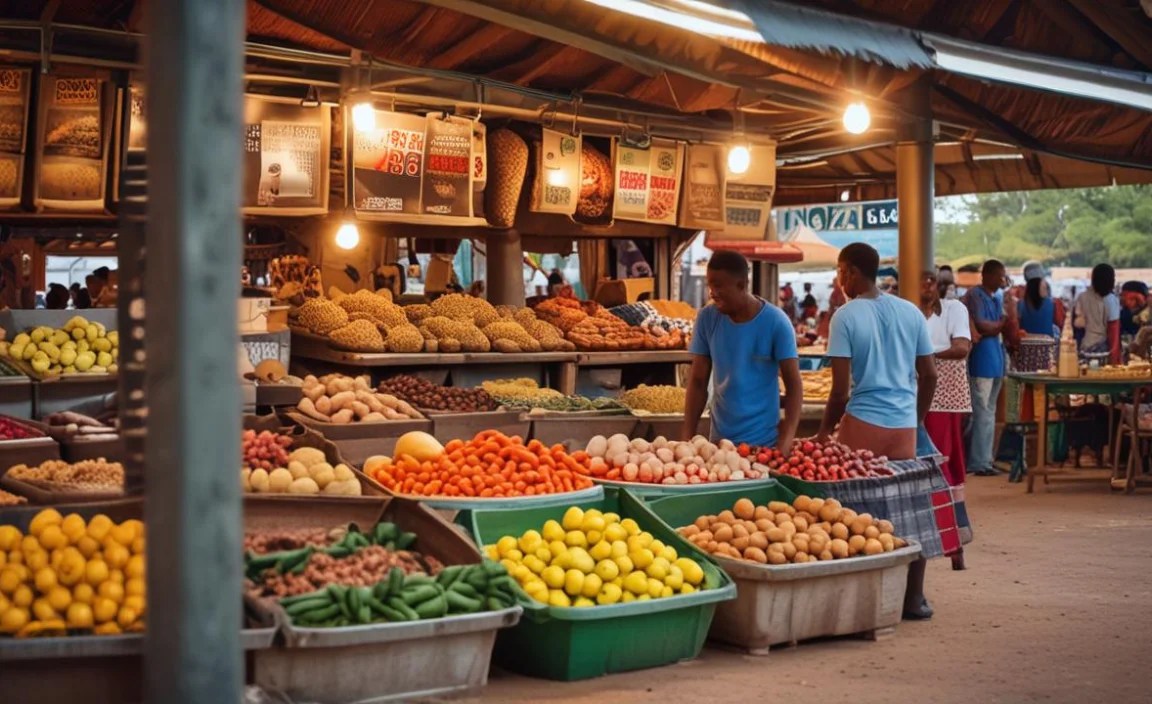
When you step into a Botswana market, prepare your senses! Expect a lively atmosphere filled with chatter, the clatter of goods, and the enticing smells of local cuisine. You’ll see piles of colorful fruits and vegetables, handcrafted baskets, intricate beadwork, and traditional attire. Stallholders are often friendly and eager to engage, even if your Setswana is limited.
Vibrant Atmosphere: Markets are bustling, especially on weekends and market days in larger towns.
Variety of Goods: Beyond food, you’ll find art, crafts, clothing, household items, and more.
Local Interaction: This is a prime opportunity to connect with Batswana people.
Sensory Overload (in a good way!): Be ready for sights, sounds, and smells that are entirely new.
The Importance of Markets in Botswana Culture
Markets serve as vital economic and social centers. They provide a platform for local farmers and artisans to sell their products, directly supporting communities. It’s where people gather to exchange news, socialize, and preserve traditions. Visiting a market is a fantastic way to learn about Botswana’s heritage and support its people directly.
Navigating Botswana’s Street Food Scene

Botswana’s street food scene is a delicious adventure. It’s accessible, affordable, and offers an authentic taste of the country. The key is to approach it with an open mind and a few practical tips that ensure a safe and enjoyable culinary journey.
Safety First: Tips for Enjoying Street Food
Your well-being is always our top priority. Here are some straightforward tips to ensure your street food experience is healthy and happy. These are similar to practices you might follow at home or in other travel destinations.
Look for Busy Stalls: Popular stalls with high turnover generally mean fresher ingredients and well-prepared food. Locals know best!
Observe Preparation: See if food is cooked thoroughly in front of you. Ensure cooking surfaces appear clean.
Freshness Check: Opt for food that is served hot, indicating it’s freshly cooked.
Water Safety: Drink only bottled or purified water. Avoid ice unless you are certain it’s made from safe water.
Hand Hygiene: Carry hand sanitizer and use it before eating. Many travelers, including those managing personal care needs like adult or child diapers for travel, find that maintaining personal hygiene is key to comfort and health on the go.
Listen to Your Gut: If something feels off, it’s okay to politely decline.
What to Drink: Refreshing Local Beverages
Hydration is crucial, especially in Botswana’s warm climate. Beyond bottled water, you’ll find some delightful local options.
Mowana Juice (Baobab Juice): A refreshing, tangy drink made from the pulp of the baobab fruit. It’s packed with Vitamin C.
Fresh Fruit Juices: Many vendors will freshly squeeze juices from seasonal fruits like watermelon, oranges, or mangoes.
Chibuku (Sorghum Beer): A traditional, fermented sorghum beverage. It’s an acquired taste for some but a true cultural experience. It’s often served in a carton called a “shake-shake.”
Must-Try Botswana Street Foods
Botswana’s cuisine is hearty and flavorful, influenced by its neighbors and its own agricultural bounty. Here are some staples you absolutely should try:
1. Seswaa
This is arguably Botswana’s national dish. Seswaa is slow-cooked, pounded meat, typically beef or goat, until it’s incredibly tender and almost a paste. It’s seasoned with salt and sometimes onions.
How it’s served: Usually with pap (a stiff maize porridge) and sometimes with morogo (wild greens).
Where to find it: Look for stalls selling traditional meals, especially in larger municipal markets or at local gatherings.
2. Morogo
Morogo refers to various wild edible greens indigenous to Botswana. It’s a nutritious and flavorful vegetable dish, often cooked with a little onion, tomato, and sometimes peanut butter for added richness.
Nutritional benefits: Rich in vitamins and minerals.
Flavor profile: Earthy, slightly bitter, and very satisfying.
Common pairings: Often served as a side dish with pap and meat.
3. Pap (or Bogobe)
Pap is the staple carbohydrate in Botswana, similar to mielie meal or polenta in other parts of the world. It’s made from maize meal and cooked to a stiff consistency.
Texture and taste: A mild, starchy base that pairs well with almost anything.
Versatility: It’s the perfect vehicle for scooping up flavorful stews and sauces.
4. Vetkoek
These are delicious deep-fried dough balls. They can be served plain, dusted with sugar, or filled with savory mince (ground meat) or sweet jam.
A traveler’s favorite: Often a quick, filling, and satisfying snack.
Sweet or savory: You can choose your preferred way to enjoy them.
5. Mopane Worms (Phane)
A uniquely Botswanan delicacy! Mopane worms are the caterpillar of a moth that feeds on the mopane tree. When harvested, they are dried or smoked and then can be fried or stewed. They are a rich source of protein.
Taste and texture: When fried, they are often described as crispy and nutty. Stewed, they become softer.
Nutritional powerhouse: High in protein and iron.
Preparation: You’ll often find them fried with onions and tomatoes, or in a savory sauce.
6. Boerewors
A thick farmer’s sausage, popular across Southern Africa, including Botswana. It’s usually made from beef, often with lamb or pork, and seasoned with coriander and other spices.
How it’s cooked: Typically grilled or fried and served in a bun or alongside pap.
Flavor: Rich, peppery, and aromatic.
7. Roadside Braai (BBQ)
While not strictly ‘street food’ from a stall, you’ll often find small roadside eateries offering delicious braai. This involves grilling meat (chicken, beef, lamb) over open coals.
Simple and delicious: Focuses on the quality of the meat and the smokiness from the grill.
Accompaniments: Usually served with pap and a simple tomato or onion relish.
Exploring Botswana’s Major Markets
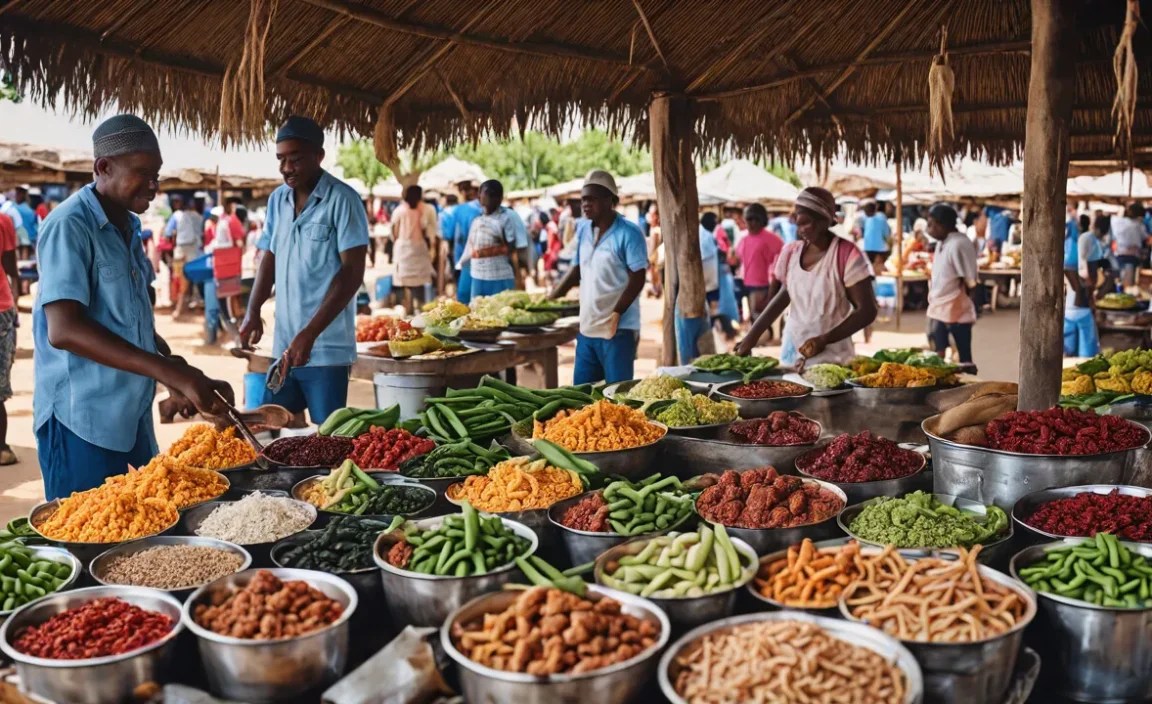
Botswana has several key markets that are worth visiting for their authenticity and variety. While smaller towns have their own local hubs, these are some of the most prominent.
Gaborone Market (Main Mall Area)
Gaborone, the capital city, offers a modern market experience with traditional elements. The Main Mall area and surrounding smaller markets are good places to start.
What to find: A wide array of fresh produce, clothing, imported goods, and some food vendors. You can also find more formal craft markets here selling souvenirs.
Tips: Be prepared for a busy environment. Bargaining is possible but don’t expect huge discounts.
Maun Market
As the gateway to the Okavango Delta, Maun has a bustling market that caters to both locals and tourists.
What to find: Excellent place to find traditional crafts, basketry, and local produce. Street food options are plentiful, especially around the bus rank.
Local specialties: Look for locally woven baskets and perhaps some delta-inspired art.
Francistown Market
Botswana’s second-largest city, Francistown, boasts a vibrant and historic market that is a significant economic hub.
What to find: A diverse range of goods, from agricultural products and livestock to clothing and household items. It’s a great place to observe local trade and find authentic everyday items.
Atmosphere: Expect a very lively, sometimes chaotic, but always fascinating experience.
Kasane Market
Located near Chobe National Park, Kasane’s market offers a blend of local goods and items catering to the safari crowd.
What to find: Local crafts, fresh produce, and typical market fare. You might find unique items related to the wildlife and natural beauty of the area.
Convenience: A good stop for supplies or souvenirs if you’re visiting Chobe.
Practicalities for Travelers
Here are some key practical considerations to make your market and street food exploration smooth and comfortable.
Currency and Payment
The local currency is the Botswana Pula (BWP).
Cash is King: Most market vendors operate on a cash-only basis. It’s advisable to carry smaller denominations.
ATMs: ATMs are readily available in larger towns and cities like Gaborone, Francistown, and Maun. Credit card acceptance is limited, especially at smaller market stalls.
Bargaining: In many markets, especially for crafts and non-food items, bargaining is expected. Start by offering around two-thirds of the asking price and negotiate respectfully. For food, prices are usually fixed.
Language and Communication
The official language is English, but Setswana is widely spoken.
English is sufficient: You’ll be able to get by with English in most tourist areas and markets.
Basic Setswana phrases: Learning a few phrases like ‘Dumela’ (Hello), ‘Ke a leboga’ (Thank you), and ‘Pula’ (Water/Rain) can be appreciated by locals.
Gestures: A smile and friendly gestures go a long way!
What to Pack for Market Visits
Packing smart ensures comfort and preparedness.
Comfortable Footwear: You’ll be on your feet a lot, so comfortable shoes are a must.
Sun Protection: A hat, sunglasses, and sunscreen are essential due to the strong African sun.
Reusable Shopping Bag: Useful for any purchases and environmentally friendly.
Hand Sanitizer: As mentioned, crucial for hygiene.
Small Backpack or Day Bag: To keep your belongings secure and your hands free. For travelers who might need them, discreetly carrying personal care items like adult diapers or child diapers within a day bag can ensure peace of mind and preparedness for any situation, allowing full focus on the travel experience.
Camera: To capture the vibrant sights!
Bottled Water: Stay hydrated by carrying your own supply, especially in hotter months.
A Sample Market Day Itinerary
Here’s a potential plan for a fulfilling market and street food day.
1. Morning (9:00 AM – 12:00 PM):
Head to the main local market in your town or city.
Explore the produce section, observe local farmers.
Browse handicraft stalls for souvenirs and local art.
Try a fresh fruit juice from a reputable vendor.
2. Lunch (12:00 PM – 1:30 PM):
Seek out a popular street food vendor selling traditional dishes.
Order Seswaa with Pap and Morogo. Alternatively, try Vetkoek or Boerewors.
Ensure the food is cooked fresh and served hot.
3. Afternoon (1:30 PM – 3:00 PM):
Visit a different area of the market or a smaller craft market.
Engage with vendors and learn about their products.
Consider trying Mopane worms if you’re feeling adventurous!
Pick up some Mowana juice for a refreshing treat.
Beyond the Plate: Cultural Etiquette
Respecting local customs enhances your experience and shows appreciation.
Ask Before Photographing: Always get permission before taking photos of people, especially vendors and children.
Dress Modestly: While not overly strict, dressing respectfully is appreciated, especially in more rural areas. Cover shoulders and knees.
Be Patient: Things may not always move at the pace you’re used to. Embrace the slower rhythm of life.
* Polite Interaction: A friendly greeting and a smile are universally understood and appreciated.
Frequently Asked Questions (FAQ)
Q1: Is Botswana street food safe to eat for tourists?
A1: Generally, yes. The key is to follow smart practices: eat at busy stalls, ensure food is cooked thoroughly in front of you, and maintain good hand hygiene. Opt for freshly prepared and hot meals.
Q2: What is the most iconic Botswana street food?
A2: Seswaa, a slow-cooked, pounded meat dish, is considered a national treasure. Morogo (wild greens) and pap (maize porridge) are also fundamental and delicious staples found widely.
Q3: Where can I find the best local markets and street food?
A3: Major cities like Gaborone, Francistown, and Maun have bustling markets. Look for markets near bus ranks or town centers, as these are often hubs for street food vendors.
Q4: Do I need to bargain at markets?
A4: Bargaining is common for non-food items like crafts and souvenirs. For food, prices are usually fixed. Be polite and reasonable when negotiating.
Q5: What should I drink to stay hydrated at markets?
A5: Bottled water is always a safe bet. Also, try refreshing local options like Mowana juice (baobab juice) or freshly squeezed fruit juices.
Q6: Can I use credit cards at market stalls?
A6: It’s unlikely. Most market vendors, especially for street food and smaller crafts, operate on a cash-only basis. Always carry sufficient local currency (Botswana Pula).
Q7: What are Mopane worms, and should I try them?
A7: Mopane worms are edible caterpillars, a high-protein, traditional delicacy in Botswana. When cooked (often fried with onions), they have a unique, slightly nutty flavor. Trying them is an adventurous culinary experience for the curious traveler!
Conclusion
Exploring Botswana’s local markets and savoring its street food is an unforgettable journey into the heart of its culture. It’s where flavors, traditions, and daily life converge. By following these simple, practical tips, you can confidently navigate these vibrant spaces, ensuring a safe, comfortable, and incredibly rewarding experience. From the hearty taste of Seswaa to the refreshing tang of Mowana juice, your palate will thank you. So, dive in, engage with the friendly locals, and let the authentic tastes and sights of Botswana enchant you. Happy travels and even happier eating!