Planning a one-week trip to Bolivia? This essential guide offers a balanced itinerary hitting major highlights, from the salt flats to the Andes. Get ready for an unforgettable adventure with practical tips for comfort and ease, ensuring a stress-free Bolivian experience no matter who you’re traveling with.
Thinking about visiting Bolivia for just a week? It’s a common travel dilemma! Bolivia is a vast country with incredible diversity, making it tough to choose where to spend your limited time. Many travelers worry they’ll miss out on the best sights or spend too much time in transit. But don’t you worry! We’ve crafted a fantastic one-week itinerary that balances adventure, culture, and breathtaking landscapes. It’s designed to be manageable and enjoyable, even for first-time visitors.
Get ready to explore the magic of Bolivia without feeling rushed. We’ll guide you through the must-see spots and offer practical advice to make your journey smooth and comfortable. Let’s dive into planning your dream Bolivian week!
Your Comprehensive Bolivia One Week Itinerary
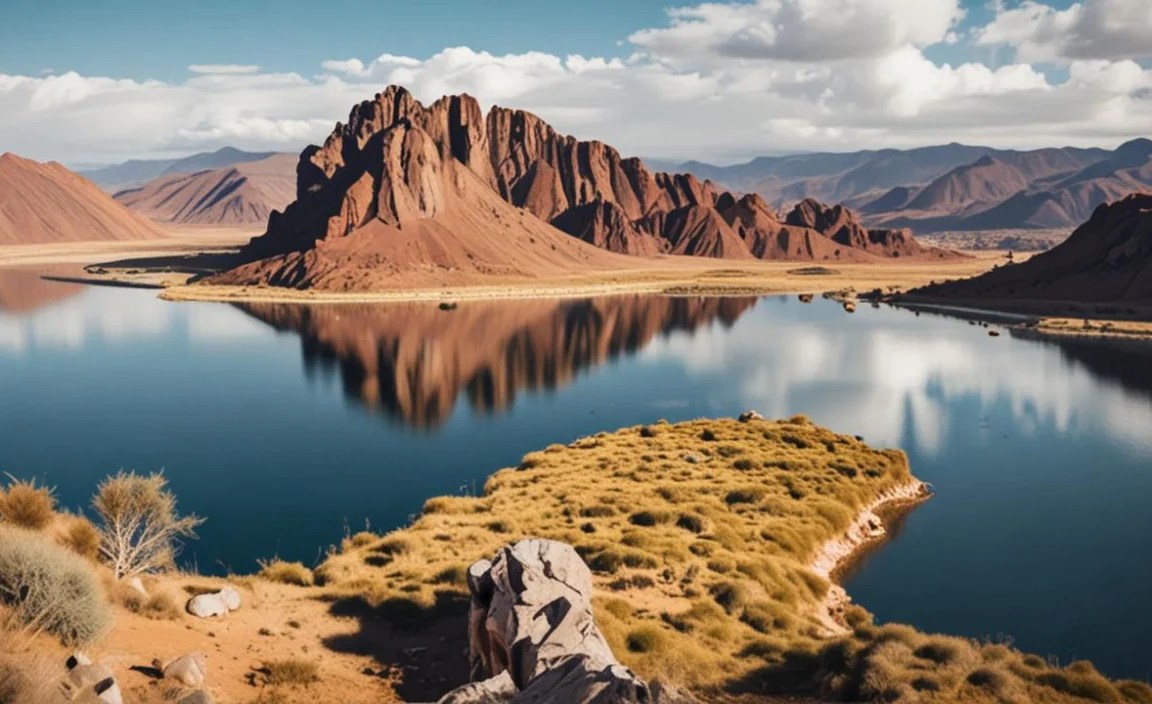
A week in Bolivia is a sprint, but a rewarding one! This itinerary focuses on two iconic regions: the high-altitude city of La Paz and the otherworldly Salar de Uyuni. This plan minimizes long travel days while maximizing your experience of Bolivia’s most stunning contrasts.
Day 1-3: La Paz & Surrounds – Altitude, Culture, and Views
Begin your Bolivian adventure in La Paz, the world’s highest administrative capital. Its dramatic setting in a canyon offers incredible vistas and a vibrant city life.
Getting There and Acclimatizing
Most international travelers arrive at El Alto International Airport (LPB), which serves La Paz. Given its altitude (around 4,000 meters or 13,100 feet), the first priority is acclimatization. Take it easy on your first day. Avoid strenuous activity, heavy meals, and alcohol. Hydrate well with water or coca tea, a traditional remedy widely available and known to help with altitude sickness.
What to See and Do in La Paz
- Plaza Murillo: The historical and political heart of La Paz. Admire the Metropolitan Cathedral, the Presidential Palace, and the National Congress building.
- Witches’ Market (Mercado de las Brujas): A fascinating place to explore local Aymara culture. You’ll find traditional remedies, handicrafts, and unique offerings like llama fetuses, believed to bring good luck.
- Mi Teleférico: This isn’t just public transport; it’s a breathtaking way to see the city. Take a ride on the extensive cable car network for unparalleled panoramic views of La Paz and the surrounding Andes. Different lines offer different perspectives, so explore a few!
- San Francisco Church and Square: A beautiful colonial church and a lively hub for street performers and local life.
- Calle Jaén: A well-preserved colonial street with colorful buildings housing several small museums, perfect for a stroll and a dose of history.
Day Trip from La Paz: Valle de la Luna (Moon Valley)
Just a short bus or taxi ride from the city center, Valle de la Luna is a surreal lunar-like landscape sculpted by erosion over thousands of years. Its clay spires and craters create a uniquely beautiful and photogenic environment.
Where to Stay in La Paz
Consider staying in areas like Sopocachi or El Centro for easy access to attractions and a good range of hotels and hostels. For those requiring extra comfort and convenience, especially if traveling with family or needing specific amenities, look for hotels that offer air conditioning and accessible facilities. Travelers managing personal care needs, such as adult or child diapers, will appreciate hotels with readily available cleaning supplies and private bathrooms.
Day 4-6: Salar de Uyuni – The World’s Largest Salt Flat
From the bustling city, journey to the serene and vast Salar de Uyuni, a natural wonder that will leave you speechless. This typically involves an overnight bus or a short flight from La Paz to Uyuni town.
Getting to Uyuni
By Bus: Overnight buses are a common way to travel from La Paz to Uyuni. While budget-friendly, these journeys can be long (7-9 hours) and somewhat bumpy. Book tickets in advance, especially during peak season. Opt for reputable bus companies for safety and comfort.
By Flight: The quickest option is to fly from La Paz (LPB) to Uyuni (UYU). Domestic airlines like BoA offer flights. This saves significant travel time but is more expensive. From Uyuni airport, you’ll need a taxi to the town.
The Uyuni Salt Flats Experience (Multi-Day Tour)
The Salar de Uyuni is best explored via a guided tour, typically a 3-day, 2-night excursion. Tours depart from Uyuni town and often include transport, accommodation, and meals. These tours are crucial for navigating the vast salt flats and remote landscapes safely. You can arrange tours directly in Uyuni town, or book in advance online through reputable agencies.
A Typical 3-Day Uyuni Tour Itinerary
This is a general outline, and specific tours may vary.
| Day | Morning Activities | Afternoon Activities | Overnight Stay |
|---|---|---|---|
| Day 4 | Depart Uyuni. Visit Train Cemetery (early 20th-century locomotives). Explore the vast Salar de Uyuni itself. Photo opportunities abound with perspective tricks! Visit Isla Incahuasi (or similar) with giant cacti. | Continue exploring the salt flats. Witness a spectacular sunset over the salt. Travel towards the desert fringes. | Basic salt hotel or hostel near the edge of the Salar. |
| Day 5 | Explore Eduardo Avaroa Andean Fauna National Reserve. Visit colorful lagoons (Laguna Colorada, Laguna Verde). Witness flamingos. | Geysers (Sol de Mañana). Hot springs for a relaxing dip. Scenic drives through dramatic desert landscapes. | Basic refuge or hostel in the desert (very rudimentary facilities). |
| Day 6 | Final views of desert landscapes. Return journey towards Uyuni, often passing through more unique geological formations. | Afternoon arrival back in Uyuni town. | Uyuni town. |
Important Considerations for Uyuni Tours
- Altitude: Uyuni town is at over 3,600 meters (11,800 feet). Acclimatize as much as possible in La Paz beforehand.
- Basic Conditions: Accommodation and facilities on the tours are very basic, especially in the desert refuges. Expect shared bathrooms and limited electricity or heating. This is where having comfortable, reliable personal care items like discreet adult diapers or child diapers can significantly enhance comfort and reduce stress, ensuring you can focus on the incredible scenery without worry.
- Packing: Layers are essential. Days can be sunny and warm, while nights are freezing. Bring sunscreen, sunglasses, a hat, lip balm, and sturdy walking shoes. A headlamp is also useful.
- Water: Stay hydrated. Bottled water is usually available for purchase on tours, but it’s good to have some from Uyuni town.
- Food: Tours typically include meals, which are usually simple but filling. If you have dietary restrictions, inform your tour operator in advance.
Day 7: Departure
Depending on your flight or bus schedule, you’ll either travel back to La Paz or head to your next destination from Uyuni.
- Option A (Departing from La Paz): Take a morning flight or an overnight bus back to La Paz on Day 6 to catch your international flight on Day 7 from La Paz (LPB). Note that overnight buses arrive early morning on Day 7.
- Option B (Departing from Uyuni): If your international flight allows, you can depart from Uyuni’s small airport (UYU) via connection in La Paz or sometimes other regional hubs. Check flight availability for your departure date.
Essential Packing List for Your Bolivia Trip
Packing smart is key to a comfortable and stress-free trip, especially with Bolivia’s varied altitudes and climates.
Clothing Essentials
- Base Layers: Thermal tops and bottoms are crucial for cold nights and high altitudes.
- Mid-Layers: Fleece jackets or warm sweaters.
- Outer Layer: A waterproof and windproof jacket.
- Durable Trousers: Hiking pants or comfortable, sturdy trousers.
- T-shirts/Long-Sleeve Shirts: For warmer days and layering.
- Warm Hat and Gloves: Essential for chilly mornings and evenings, especially in Uyuni.
- Sun Hat or Cap: For sun protection during the day.
- Comfortable Socks: Wool or moisture-wicking options are best.
- Sturdy Walking Shoes/Hiking Boots: Essential for exploring cities and national parks.
Health & Personal Care
Maintaining comfort and addressing personal needs is vital for enjoying your travels fully. For travelers who need them, discreet and highly absorbent adult diapers or child diapers can be a lifesaver, ensuring peace of mind during long bus rides, remote excursions, or simply for added security throughout the day. Brands offering comfortable, breathable options can make a significant difference.
- Personal Medications: Bring any prescription medications with a doctor’s note.
- First-Aid Kit: Including bandages, antiseptic wipes, pain relievers, and blister treatment.
- Altitude Sickness Medication: Consult your doctor. Coca leaves or tea are traditionally used.
- Sunscreen: High SPF is a must due to the strong sun at high altitudes.
- Lip Balm with SPF: To prevent chapped lips.
- Hand Sanitizer: Always useful when facilities are basic.
- Toiletries: Including soap, shampoo, toothpaste, and any specific personal hygiene items.
- Reusable Water Bottle: To stay hydrated and reduce plastic waste.
- Personal Care Items: This includes items like adult diapers and child diapers for those who need them, ensuring comfort and confidence throughout your journeys.
Other Essentials
- Backpack: A comfortable daypack for daily excursions.
- Adapter and Power Bank: For charging electronics, as power can be inconsistent.
- Camera: To capture the incredible scenery.
- Snacks: Energy bars or nuts for long travel days or tours.
- Cash: Bolivian Bolivianos (BOB) are essential, as credit cards are not widely accepted outside major hotels and tourist spots.
- Small Dry Bag: To protect electronics from dust or unexpected moisture.
- Travel Pillow: For longer bus journeys (like the overnight to Uyuni).
Transportation Tips
Getting around Bolivia requires a bit of planning. Here’s how to navigate:
Within Cities
- La Paz: Taxis are plentiful and affordable. Agree on a price before you start your journey. For the best views and a unique experience, ride Mi Teleférico (the cable car system).
- Uyuni: Uyuni town is small and walkable. Taxis can be hired for local trips or to the Salt Flat viewpoint.
Inter-City Travel
- Buses: The most common and affordable way to travel between cities. Companies like Todo Turismo and Bolivar offer more comfortable “semi-cama” or “cama” (reclining) seats. Book tickets in advance.
- Flights: For longer distances or to save time, domestic flights are available between major cities like La Paz and Uyuni.
Budgeting for Your Trip
Bolivia is one of South America’s most affordable destinations. A one-week trip can be done on a moderate budget, but costs can vary based on comfort levels and activities.
Estimated Costs (per person, per day, excluding international flights)
This is a rough guide; actual costs may vary.
| Category | Budget Traveler (USD) | Mid-Range Traveler (USD) |
|---|---|---|
| Accommodation | $10 – $25 (hostels, basic guesthouses) | $30 – $70 (comfortable hotels) |
| Food | $5 – $15 (local markets, eateries) | $15 – $30 (restaurants, cafes) |
| Transportation (local & inter-city buses) | $5 – $10 | $10 – $20 (incl. occasional taxi/Mi Teleférico) |
| Tours & Activities | $20 – $40 (basic Uyuni tour, entrance fees) | $40 – $80 (private tours, comprehensive Uyuni) |
| Miscellaneous (souvenirs, tips) | $5 – $10 | $10 – $20 |
| Total Daily Estimate | $45 – $100 | $105 – $220 |
Note: Uyuni tours are often priced as a package, so factor that in. Flights, if chosen, will significantly increase costs.
Frequently Asked Questions (FAQ)
What is the best time of year to visit Bolivia for this itinerary?
The dry season (April to October) is generally best. This means fewer rains, clearer skies, and better conditions for exploring the Salar de Uyuni. However, it’s also colder, especially from June to August, with temperatures dropping well below freezing at night in Uyuni.
Is a one-week itinerary enough for Bolivia?
While a week is short for a country as large and diverse as Bolivia, this itinerary focuses on two of its most iconic and accessible highlights, La Paz and the Salar de Uyuni. It provides a fantastic taste of Bolivia’s landscapes and culture without being overly rushed. For deeper exploration, more time would be needed.
How do I deal with altitude sickness in La Paz?
Acclimatize slowly upon arrival. Drink plenty of water and coca tea, avoid alcohol and caffeine for the first day, and eat light meals. If symptoms persist or worsen, descend to a lower altitude or seek medical advice. Many visitors find relief simply by resting and taking it easy.
Are the Salar de Uyuni tours safe?
Reputable tour operators generally run safe tours. However, the terrain is remote and conditions can be harsh. It’s important to book with established companies, listen to your guide, and be prepared for basic facilities. Always ensure your travel insurance covers emergency evacuation if traveling to remote areas.
What about personal care needs, like adult or child diapers, during the trip?
Packing sufficient supplies of adult diapers or child diapers is essential, especially for the Uyuni tour where facilities are very basic. Choose comfortable, discreet, and highly absorbent options. Brands offering breathable materials are ideal for long days and varying temperatures. Carrying a small travel pack with wipes and a discreet bag for disposal is also recommended.
Can I customize this Bolivia one-week itinerary?
Absolutely! If you have specific interests, you might swap a day in La Paz for a visit to Lake Titicaca (Copacabana) if you’re very efficient, but this adds travel time. For a relaxed pace focused solely on the salt flats, you could extend Uyuni to a 4-day tour. However, for a balanced introduction, this itinerary is a solid starting point.
What currency do I need in Bolivia, and how much cash should I carry?
The currency is the Bolivian Boliviano (BOB). While some tourist establishments in La Paz accept cards, cash is king in most places, especially in Uyuni and on tours. It’s advisable to carry enough cash for your entire trip, particularly for smaller purchases, local transport, market shopping, and tip-offs. ATMs are available in La Paz, but can be scarce and unreliable elsewhere.
Conclusion
Embarking on a one-week journey through Bolivia is an exciting prospect, and this itinerary is designed to give you an unforgettable experience without overwhelming you. From the vibrant, high-altitude streets of La Paz to the breathtaking, minimalist beauty of the Salar de Uyuni, you’ll witness some of South America’s most extraordinary landscapes. Remember that preparation is key; pack smart, stay hydrated, and embrace the adventure that awaits. Prioritizing comfort, whether it’s through reliable packing for personal needs or choosing the right transportation, ensures that the magic of Bolivia shines through. Have a wonderful trip, exploring the essential wonders this incredible country has to offer!