Boracay accessible travel guide: Your stress-free beach vacation starts here with practical tips for smooth journeys and enjoying the island’s beauty.
Planning a trip to a paradise like Boracay should be exciting, not overwhelming. Many travelers worry about how to navigate popular destinations, especially when looking for comfort and ease. Whether you’re looking for solutions for yourself or a loved one, ensuring everyone can enjoy the sun, sand, and sea is key. This guide is here to help you discover how to make your Boracay adventure as smooth and enjoyable as possible, covering everything from getting around to finding the best spots. Let’s dive into making your island getaway a reality!
Exploring Boracay with Ease: Your Accessible Travel Guide

Boracay, a jewel of the Philippines, is renowned for its powdery white sands and crystal-clear waters. While it’s a dream destination for many, planning an accessible trip can sometimes feel like navigating a maze. But fear not! With a little preparation and the right information, experiencing Boracay’s magic is entirely achievable for everyone. This guide is designed to provide you with essential tips, from the moment you start planning to your unforgettable days on the island. We’ll cover transit options, accommodation, navigating the beaches, and some handy resources to ensure your journey is comfortable, safe, and enjoyable.
Our goal is to simplify your travel planning. We understand that comfort and convenience are paramount, whether you are traveling solo, with family, or managing specific personal needs like carrying adult diapers for extended trips or ensuring children have them for peace of mind. Boracay is transforming, and accessibility is becoming a growing focus, making it a more welcoming place for all travelers. Let’s get you ready for a wonderful island experience!
Getting to Boracay: Your Travel Journey Starts Here
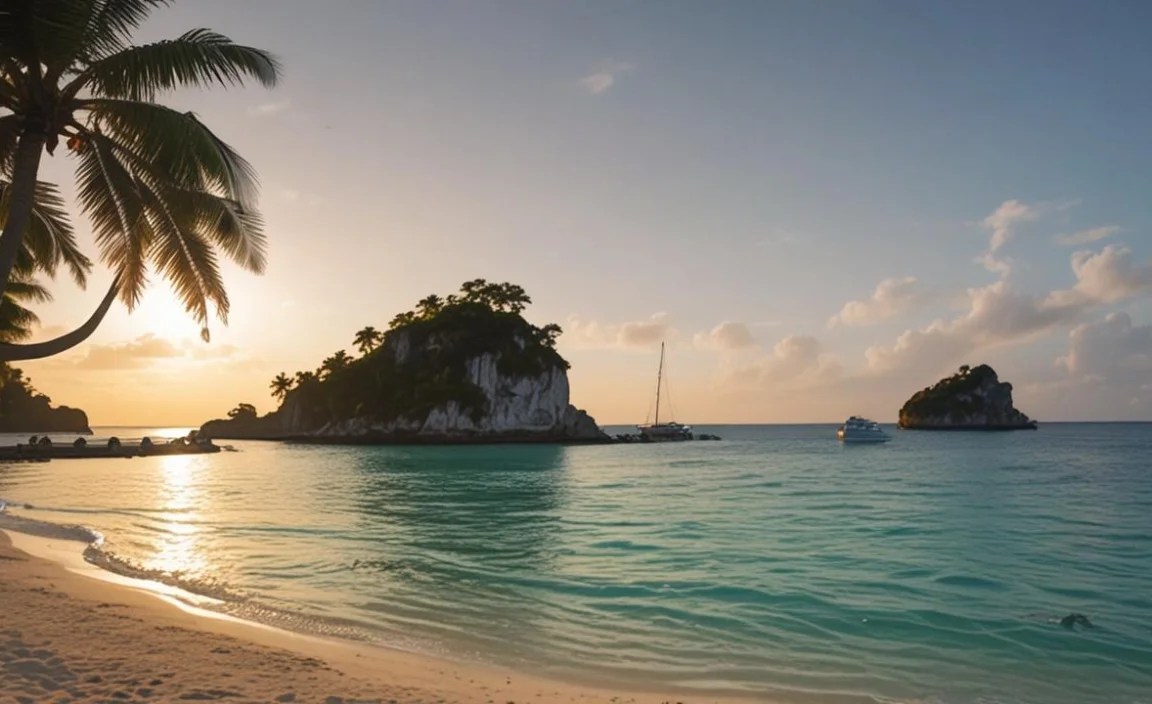
Reaching Boracay involves a few steps, but with planning, it’s straightforward. The primary gateway is Caticlan Airport (MPH) or Kalibo International Airport (KLO). From either airport, you’ll need to get to Caticlan Jetty Port, the main jump-off point for boats to Boracay. From the port, a short boat ride will take you to Boracay Island.
Option 1: Caticlan Airport (MPH)
- Proximity: This is the closer airport to the jetty port, making the transfer quicker.
- Transfer: From Caticlan Airport, a tricycle or a short walk (around 5-10 minutes) will get you to Caticlan Jetty Port.
Option 2: Kalibo International Airport (KLO)
- Distance: This airport is further away from the jetty port (about a 1.5 to 2-hour bus or van ride).
- Transfer: Dedicated bus or van services are readily available from Kalibo Airport directly to Caticlan Jetty Port. This option might be more budget-friendly for flights.
At Caticlan Jetty Port:
You’ll need to pay terminal fees and environmental fees. There are also passenger fees for the boat ride. These are typically paid in cash. Before boarding, ensure you have your booking details or identification ready.
Boat Transfer to Boracay:
The boat ride to Boracay (Cagban Port) is usually around 15 minutes. Boats are generally available throughout the day. It’s advisable to check the latest operating schedules, especially if arriving late.
Important Note on Environmental and Terminal Fees:
As of recent regulations, tourists pay an environmental fee and a terminal fee at the Caticlan Jetty Port. These fees contribute to the island’s conservation and upkeep. It’s best to have some Philippine Pesos (PHP) in cash handy for these payments. You can find up-to-date information on fees and regulations on official government tourism sites or from your accommodation provider.
Navigating Boracay Island: Transportation Options

Once you arrive at Cagban Port in Boracay, getting around is quite manageable. The main mode of transport on the island is the electric tricycle (e-trike), which are more eco-friendly. These can be found readily available at the port and throughout the main areas of Boracay.
E-Tricycles:
- These are the primary public transport. They operate on defined routes, typically along the main road connected to the stations.
- Fares are usually fixed for popular routes, or you can arrange a private hire for more direct travel.
- For families or those with mobility challenges, booking an e-trike for a private tour or transfer can offer more comfort and space. Some e-trikes are designed to accommodate a few passengers more comfortably.
Walking:
Boracay’s main beaches (Stations 1, 2, and 3) are connected by a beachfront path, also known as the promenade. This path is mostly flat and pedestrian-friendly, making it ideal for leisurely strolls. However, be aware that during peak hours, it can get crowded.
Scooter/Bike Rentals:
Some travelers opt for scooter or bike rentals. This offers flexibility but requires caution due to traffic and varying road conditions. Ensure you are comfortable and experienced if considering this option.
Transfer Services:
Many hotels and resorts offer their own transfer services from Cagban Port directly to their doorstep, which can be a convenient and stress-free option, especially for travelers needing extra assistance.
Considerations for Accessible Travel:
- Communication: When hiring any transport, clearly communicate your needs. For example, if you require a less crowded tricycle or need a moment to board.
- Accessibility of Ports: While efforts are being made, ports can still be busy. Staff are often available to assist, but be prepared for potentially uneven surfaces.
- Planning Ahead: For specific accessibility needs, like requiring a vehicle that can accommodate a wheelchair or additional luggage like personal care items such as adult or child diapers, it’s best to arrange transport in advance through your accommodation or a trusted tour operator.
Choosing Accessible Accommodation in Boracay
Finding the right place to stay is crucial for a comfortable Boracay experience. While not all accommodations are fully equipped for accessibility, many are making significant improvements. When booking, consider these factors:
Location, Location, Location:
Boracay is divided into three main stations, each offering a different vibe:
- Station 1: Generally more upscale, quieter, with wider beaches. Might offer more spacious and accessible rooms, but can be pricier.
- Station 2: The heart of Boracay, with D’Mall, shops, and restaurants. It’s centrally located and vibrant but can be noisy. Accessibility here varies greatly.
- Station 3: More laid-back and budget-friendly. Offers a good balance, and you might find some gems with convenient access.
Key Accessibility Features to Look For:
- Ramps and Elevators: Check if the property has ramps leading to entrances and common areas, and if there are elevators to access higher floors.
- Accessible Rooms: Specifically inquire about rooms designed for accessibility. These often include wider doorways, grab bars in bathrooms, roll-in showers or accessible bathtubs, and lower-height fixtures.
- Proximity to the Beach and Main Path: Consider how close the accommodation is to the beachfront path and direct access to the sand.
- Staff Assistance: A helpful and understanding staff can make a huge difference. Read reviews or call ahead to gauge their responsiveness to accessibility needs.
Sample Accommodation Considerations:
While specific hotel names can change and availability varies, here’s a table outlining what to inquire about when looking for accessible options:
| Accommodation Feature | Why It Matters for Accessible Travel | What to Ask/Check |
|---|---|---|
| Ramps and Elevators | Ensures easy movement between floors and different areas of the property. | Are there ramps to all main entrances? Are elevators available to all floors where rooms/amenities are located? |
| Accessible Room Design | Provides comfort and safety for guests with mobility needs. | Does the room have wider doorways? Are there grab bars in the shower/toilet? Is there a roll-in shower or accessible tub? Are light switches and controls at an accessible height? |
| Beach Access | Direct or convenient access to the beach is a key element of a Boracay vacation. | How far is the property from the beachfront path? Is there a direct, accessible route to the beach? |
| Bathroom Features | Crucial for daily comfort and independence. | Can the bathroom accommodate a wheelchair? Are the sinks and toilets at an appropriate height? Is there adequate space to maneuver? |
| Staff Support | Knowledgeable and willing staff can significantly enhance the guest experience. | Are staff trained to assist guests with mobility concerns? Can they help with luggage, transfers, or navigating the island? |
It’s always best to contact the hotel directly or check their official website for detailed accessibility information. Websites like Disabled Travelers can sometimes offer reviews or insights into accessible accommodations worldwide, though Boracay-specific detailed guides might be limited.
Navigating Boracay’s Beaches: Tips for a Comfortable Experience
Boracay’s beaches are its main attraction, and there are ways to ensure you can enjoy them comfortably. White Beach is divided into three stations, with varying characteristics.
White Beach Stations:
- Station 1: Known for its fine, powdery sand. The sand here is soft and may be more challenging for some to traverse. It’s generally less crowded.
- Station 2: The busiest area, home to D’Mall. The sand is still beautiful but can be more compact due to foot traffic. Plenty of amenities are nearby.
- Station 3: Quieter than Station 2, with a mix of resorts and local establishments. The sand is good, and it offers a more relaxed atmosphere.
Making Beach Access Easier:
- The Promenade: The concrete path running behind the beach is a great way to get close to the sand without walking directly on it. You can enjoy the views and sounds of the ocean from here.
- Beachside Cafes and Restaurants: Many establishments along the promenade offer seating with direct views of the beach. You can relax with a drink or meal without needing to go onto the sand.
- Shade and Seating: Look for resorts or cafes that offer loungers or seating areas closer to the promenade, providing a comfortable spot to enjoy the beach ambiance.
- Going onto the Sand: Depending on your mobility, walking directly on soft sand can be difficult. If you wish to get closer to the water, consider wearing sturdy footwear or bringing a portable beach mat for stability. For those with significant mobility issues, enjoying the beach from the promenade or a nearby establishment might be the most comfortable option.
- Personal Care Needs: For longer periods on the beach, especially during hot weather or extended outings, carrying personal care items like adult diapers or child diapers provides an added layer of comfort and security. These can be discreetly stored in a beach bag. Understanding your needs and coming prepared with reliable adult diapers or child-friendly diaper options means you can focus on enjoying the moment, worry-free.
Water Activities:
Some water activities might have accessible options or guides who can assist. Inquire locally about organized tours or boat trips. Many boat tours offer pick-up and drop-off services, and operators are often willing to assist passengers with boarding and disembarking.
Environmental Etiquette:
Boracay is committed to environmental protection. Always dispose of trash properly and be mindful of the local flora and fauna. Adhering to these guidelines helps keep the island beautiful for everyone.
Essential Packing List for a Comfortable Boracay Trip
Packing smart is key to a stress-free vacation. Beyond the usual beachwear, consider these essentials to enhance your comfort and preparedness.
For Personal Comfort & Health:
- Comfortable Footwear: Sandals, flip-flops, water shoes, and comfortable walking shoes are essential. Consider footwear that is easy to slip on and off and provides good grip.
- Lightweight Clothing: Breathable fabrics like cotton and linen are ideal for the tropical climate.
- Sun Protection: High SPF sunscreen, a wide-brimmed hat, sunglasses, and UPF-rated clothing or a rash guard for swimming.
- Insect Repellent: Especially important for evenings or if you plan to visit areas with more vegetation.
- Personal First-Aid Kit: Include any personal medications, pain relievers, antiseptic wipes, bandages, and motion sickness remedies if needed.
- Reusable Water Bottle: To stay hydrated and reduce plastic waste. Many establishments offer refill stations.
- Hand Sanitizer: Useful for maintaining hygiene on the go.
- Adult/Child Diapers: For extended travel, comfort, or specific needs, packing an adequate supply of reliable adult diapers or child diapers is crucial. Brands known for absorbency and comfort, like those often discussed on accessible travel forums, can make a significant difference in your peace of mind and ability to enjoy your trip without worry. Ensure they are stored in a waterproof bag if you’re concerned about humidity or splashes.
For Convenience & Enjoyment:
- Waterproof Bag/Pouch: To protect your phone, camera, and other valuables from water and sand.
- Portable Charger/Power Bank: For keeping your devices charged, especially when out and about.
- Camera: To capture those beautiful Boracay moments.
- Lightweight Beach Towel: Many accommodations provide them, but a quick-drying travel towel can be handy.
- Small Backpack or Day Bag: For carrying essentials during excursions.
Pro Tip: If you need specialized personal care items like adult diapers, buying them in advance from a reputable source ensures you have the exact brand and size you prefer. While some may be available locally, options might be limited. Planning ahead means you can pack items that offer maximum comfort and reliability.
Accessible Activities and Attractions in Boracay
Boracay offers more than just lounging on the beach. Here are some activities that can be enjoyed with some planning:
Relaxing and Scenic Spots:
- D’Mall: Located in Station 2, D’Mall offers various shops, restaurants, and cafes. It’s situated along the main path, making it easily accessible for browsing and dining.
- Sunset Watching: Boracay is famous for its stunning sunsets. Find a comfortable spot along the White Beach promenade or at a beachfront bar to enjoy the view.
- Paraw Sailing: Experience a traditional sailboat ride. While boarding can require some balance, many operators are helpful. Opt for a shorter, calmer ride if needed.
- Island Hopping Tours (with caution): Some tours might be adaptable. Inquire if boats can dock closer to accessible points or if assistance can be provided for boarding. Focus on tours that prioritize convenience.
Dining Experiences:
Boracay boasts a diverse culinary scene. Many restaurants are located along the beachfront path, offering lovely views and easier access. Look for establishments with clear pathways and helpful staff.
Tips for Enjoying Activities:**
- Communicate Your Needs: Always inform tour operators or activity providers about any specific requirements beforehand.
- Assess First: Before committing to an activity, observe the environment. Are there steps? Is the ground even? Is there adequate assistance available?
- Pace Yourself: Don’t try to do too much in one day, especially in the heat. Schedule rest periods and stay hydrated.
- Consider Assisted Tours: Some travel agencies specialize in accessible tours. While Boracay may have limited dedicated services, researching general Philippine tour operators who cater to accessibility needs might yield results.
For more information on accessible travel in the Philippines, resources like the Department of Tourism Philippines website might offer general guidelines or point towards relevant initiatives, though specific Boracay accessibility details might be found through local tourism offices or accommodation providers.
Important Considerations for Travelers with Specific Needs
Traveling with specific needs requires thoughtful planning. Here’s what to keep in mind for Boracay:
Restroom Facilities:
Public restrooms can be varied. In highly touristy areas like D’Mall and larger resorts, facilities are generally better maintained. However, be prepared for situations where restrooms might be basic. Carrying disinfectant wipes or travel-sized hand sanitizer is always a good idea.