Boracay first-timers guide: Essential tips for a stress-free and unforgettable island trip include planning your travel dates, booking accommodation in advance, packing light, understanding transportation options, and respecting local environmental rules.
Boracay is a dream destination for many, with its powdery white sand beaches and crystal-clear waters. But planning your very first trip can feel a bit overwhelming. Where do you start? How do you get around? What should you pack? Don’t worry! This guide is designed to make your first visit to Boracay smooth and enjoyable. We’ll break down everything you need to know, from booking your trip to making the most of your time on this paradise island. Get ready to experience the magic of Boracay without any pre-trip jitters!
Why Boracay? Understanding the Island’s Appeal

Boracay truly lives up to its reputation. It’s famous for White Beach, a stunning stretch of sand consistently ranked among the world’s best. But it’s more than just one beach. You’ll find vibrant sunsets, delicious food, and a lively atmosphere. Whether you’re looking for relaxation or adventure, Boracay offers something for everyone. For official tourism information and updates, the Department of Tourism Philippines website is a great resource.
Planning Your Boracay Adventure: When to Go and Where to Stay

Choosing the right time to visit can significantly impact your experience. Boracay has distinct seasons, and knowing them helps you avoid crowds or bad weather.
Best Time to Visit Boracay
The peak season in Boracay is generally during the cooler, drier months.
Dry Season (November to April): This is the most popular time to visit.
Pros: Sunny days, calm seas, perfect for swimming and water sports.
Cons: Higher prices and larger crowds, especially during holidays like Christmas, New Year, and Holy Week.
Wet Season (May to October): Characterized by occasional rain showers and stronger winds.
Pros: Fewer tourists, lower prices, and lush green landscapes.
Cons: Risk of typhoons and rough seas can disrupt travel and outdoor activities. The transition months (May, October, November) can offer a good balance.
Choosing Your Accommodation
Boracay is divided into three stations, each offering a different vibe. Your choice of station can greatly influence your stay.
Station 1: Known for its wider beach, finer sand, and more upscale resorts. It’s quieter and more exclusive.
Station 2: The heart of Boracay, bustling with activity. It’s home to D’Mall, numerous restaurants, bars, and shops. Great for those who want to be in the center of the action, but can be noisy.
Station 3: Offers a more laid-back atmosphere with budget-friendly accommodations and guesthouses. It’s still accessible to everything but provides a more relaxed setting.
Booking your accommodation in advance, especially during peak season, is highly recommended. Websites like Booking.com and Agoda offer a wide range of options, from luxury hotels to cozy beachfront huts.
Getting to Boracay: A Step-by-Step Guide
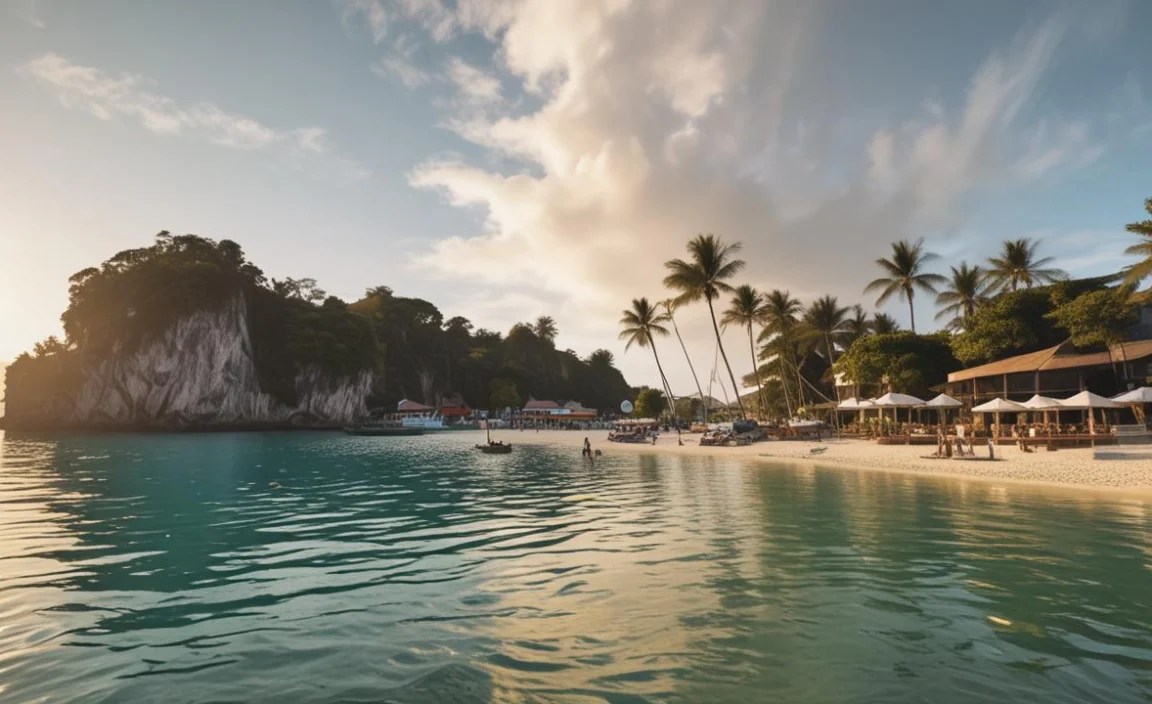
Boracay is an island, so you’ll need to fly and then take a boat. The most common route is via Caticlan Airport or Kalibo Airport.
Step 1: Fly to Caticlan Airport (MPH) or Kalibo International Airport (KLO)
Caticlan Airport (MPH): This is the closest airport to Boracay, about a 5-10 minute tricycle ride to the jetty port. Flights here are usually more expensive but more convenient.
Kalibo International Airport (KLO): This airport is about a 1.5 to 2-hour bus or van ride to the same jetty port in Caticlan. Flights to Kalibo are often cheaper, making it a popular choice for budget travelers.
Step 2: From Airport to Caticlan Jetty Port
From Caticlan Airport: Take a short tricycle ride (around 5-10 minutes) to the Caticlan Jetty Port.
From Kalibo Airport: Take an organized shuttle bus or van service directly to Caticlan Jetty Port. These are often available for pre-booking or upon arrival.
Step 3: At Caticlan Jetty Port
Upon arrival at the port, you’ll need to pay a few fees and get your boat ticket. Keep cash handy for these.
Terminal Fee: A standard fee applies to all passengers.
Environmental Fee: Paid to contribute to island conservation efforts.
Boat Fare: For the short sea crossing to Boracay.
You’ll then board a small outrigger boat (called a “banca”) that will take you to Boracay Island. The boat ride is typically 15-20 minutes.
Step 4: Arrival at Boracay Cagban Port
Once you arrive at Cagban Port in Boracay, you’ll need to take another tricycle or e-trike to your accommodation. Let your driver know your station and hotel name.
Important Note on Travel Requirements
Boracay has implemented environmental regulations. Always check the latest travel guidelines and requirements from the Department of Tourism Philippines or the local government of Malay, Aklan before your trip. This might include requirements for vaccination status or health declarations.
Packing Essentials for a Comfortable Boracay Trip

Packing light is key, especially when traveling to an island. You’ll want to bring items that are comfortable, quick-drying, and suitable for a tropical climate. And if you’re traveling with young children or require personal care items like adult or child diapers, planning ahead ensures comfort and dignity for everyone.
Here’s a list of must-haves:
Clothing & Footwear
Focus on lightweight and breathable fabrics like cotton and linen.
- Swimwear (bring at least two so one can dry)
- Lightweight shorts and t-shirts
- Sundresses or casual skirts
- A light cover-up or sarong for the beach
- A light jacket or sweater for cooler evenings or air-conditioned places
- Comfortable walking sandals or flip-flops
- Water shoes (optional, but good for rocky areas or water sports)
- One slightly dressier outfit for nice dinners (though Boracay is generally casual)
Toiletries & Personal Care
Sun protection is crucial. Consider packing travel-sized versions of your essentials.
- High SPF sunscreen (reef-safe options are encouraged to protect marine life!)
- After-sun lotion or aloe vera gel
- Insect repellent
- Basic first-aid kit (band-aids, antiseptic wipes, pain relievers)
- Personal medications
- Hand sanitizer
- For Parents: Pack enough child diapers for your trip. Travel-sized packs or planning to purchase locally can be options. Look for brands known for absorbency and comfort, especially for longer travel days or overnight use. Brands specializing in high-absorbency materials can be a lifesaver when away from home.
- For Adults: If you need adult diapers, consider discreet, highly absorbent options for travel. Brands offering breathable materials and secure fits ensure comfort during flights or long days exploring. Purchase travel packs or bulk quantities beforehand to ensure you have adequate supply.
Accessories & Gadgets
These items add convenience and make your trip more enjoyable.
- Beach towel (check if your accommodation provides them)
- Sunglasses
- Sun hat or cap
- Waterproof bag or dry bag for electronics and valuables
- Portable power bank for charging devices
- Camera or smartphone for photos
- Reusable water bottle (stay hydrated and reduce plastic waste)
- A good book or e-reader
Navigating Boracay: Transportation and Getting Around
Once you’re on the island, getting around is easy and fun. E-trikes (electric tricycles) are the primary mode of transportation.
E-Trikes and Tricycles
These are eco-friendly and ubiquitous on the island. They can take you to different parts of Boracay and even to the various beaches.
- The main tricycle routes connect Station 1, 2, and 3, and go to Diniwid Beach and the Caticlan Jetty Port (on the Boracay side) or Cagban Port.
- Agree on the fare before you start your journey. Prices are usually fixed for common routes or can be negotiated for private hires.
- For longer distances or if traveling with a group, you can hire a tricycle for a private trip.
Walking
White Beach is a pedestrian-friendly area, especially along the main path connecting the stations.
- Walking is the best way to explore White Beach and discover hidden gems.
Bicycles and Scooters
Some accommodations may offer bicycles for rent. Motorized scooters are generally not allowed on White Beach but can be used on other parts of the island. Be cautious and ensure you have the necessary license and insurance if renting.
Boracay Activities: What to Do and See
Boracay offers a diverse range of activities, catering to all types of travelers.
Beach Hopping
While White Beach is the most famous, explore other beautiful beaches:
- Diniwid Beach: A small, picturesque cove just north of Station 1.
- Bulabog Beach: Known for kitesurfing and windsurfing during the windy season (roughly November to April).
- Puka Beach: Famous for its puka shells and a more natural, less crowded vibe.
Water Sports & Adventures
Boracay is a paradise for water enthusiasts.
- Snorkeling and Diving: Explore vibrant coral reefs and marine life. Many dive shops offer courses and tours.
- Island Hopping: Take a boat tour to visit nearby islands and snorkeling spots like Coral Garden and Malapascua Island.
- Parasailing, Jet Skiing, and Banana Boat Rides: Available along White Beach for a dose of adrenaline.
- Sunset Sailing: A must-do experience! Sail on a traditional Paraw sailboat as the sun dips below the horizon.
Relaxation and Wellness
For a more laid-back experience:
- Spa Treatments: Indulge in a relaxing massage by the beach.
- Yoga and Meditation: Many resorts and studios offer classes.
- Simply Relax: Find a spot on the sand, soak up the sun, and enjoy the view.
Foodie Adventures in Boracay
Boracay’s culinary scene is as diverse as its landscape, offering everything from fresh seafood to international cuisine.
Must-Try Foods and Drinks
- Fresh Seafood: Available at market stalls and beachfront restaurants. You can often pick your own seafood and have it cooked to your liking.
- Jonah’s Fruitshake & Snack Bar: Famous for its delicious and refreshing fruit shakes. A Boracay classic!
- Halo-Halo: A popular Filipino dessert made with shaved ice, milk, sweet beans, fruits, and toppings.
- Kinilaw: Filipino ceviche, made with raw fish marinated in vinegar, onions, and spices.
- Chori Burger/Longga Burger: A popular Filipino sausage burger, often found at street food stalls.
Dining Experiences
Boracay offers dining for every budget:
- D’Mall: A central hub with numerous restaurants and cafes.
- Station 1 Restaurants: Often more upscale dining with beachfront views.
- Station 3 Eateries: More casual and budget-friendly options.
- Street Food: Explore local flavors and snacks from vendors set up along the beach paths.
Sustainable Tourism and Boracay Environmental Rules
Boracay has undergone significant rehabilitation to protect its environment, emphasizing responsible tourism. As a visitor, it’s important to be aware of and adhere to these rules.
Key Environmental Regulations
No Smoking and No Drinking on the Beach: This applies to White Beach and other designated areas. Designated smoking and drinking areas are available.
No Littering: Keep Boracay clean. Properly dispose of your trash.
No Single-Use Plastics: While enforcement varies, it’s best to minimize your use of single-use plastics. Bring a reusable water bottle.
No Alcohols and No Eating on the Beach: Strictly prohibited as per current regulations to maintain cleanliness and order.
Respect Marine Life: Avoid touching or feeding marine animals. Use reef-safe sunscreen.
Observe Waste Management: Follow local guidelines for waste disposal.
For more detailed information on environmental guidelines, you can check the official website of the Department of Environment and Natural Resources (DENR) or local Boracay government advisories.
Budgeting for Your Boracay Trip
Boracay can be enjoyed on various budgets. Here’s a general idea of costs:
Accommodation
Budget: PHP 1,000 – 3,000 per night (guesthouses, hostels)
Mid-Range: PHP 3,000 – 7,000 per night (boutique hotels, standard resorts)
Luxury: PHP 7,000+ per night (high-end resorts, private villas)
Food
Budget: PHP 500 – 1,000 per person per day (local eateries, street food)
Mid-Range: PHP 1,000 – 2,500 per person per day (various restaurants)
Fine Dining: PHP 2,500+ per person per day
Activities
Island Hopping Tour: PHP 1,500 – 3,000 per person (group tours)
Water Sports: Varies widely, e.g., Parasailing PHP 1,500 – 3,000, Helmet Diving PHP 2,500 – 4,000.
Massage: PHP 500 – 1,500
Transportation (to and within Boracay)
Flights: Varies greatly depending on origin and booking time.
Land Transfers & Boat Fees: ~PHP 1,000 – 2,000 per person for round trip from Kalibo.
Example Estimated Daily Budget (Excluding Flights & Accommodation):
| Category | Budget Traveler (PHP) | Mid-Range Traveler (PHP) |
| Food | 700 | 1,500 |
| Local Transport | 300 | 500 |
| Activities | 500 | 1,500 |
| Miscellaneous | 200 | 500 |
| Total | 1,700 | 4,000 |
Note: These are estimates and can vary based on your spending habits and choices.*
Frequently Asked Questions (FAQs) About Boracay
Here are some common questions first-time visitors have about Boracay.
Q1: Is Boracay safe for solo travelers?
Yes, Boracay is generally considered safe for solo travelers. Like any destination, it’s wise to exercise common sense, be aware of your surroundings, and avoid walking alone in poorly lit areas late at night. The island has a friendly atmosphere, and many people are there to enjoy themselves.
Q2: Do I need to bring cash to Boracay?
Yes, it’s essential to bring enough cash. While some establishments accept credit/debit cards, many smaller shops, local eateries, and tricycle rides operate on a cash-only basis. ATMs are available on the island, but they can sometimes run out of cash or have queues, especially during peak season.
Q3: What is the best way to get around the island?
E-trikes (electric tricycles) are the primary and most convenient mode of transport. You can also walk along White Beach, which is a pedestrian-only path. Tricycles can take you to different stations and other beaches like Diniwid and Puka.
Q4: Can I bring a reusable water bottle to Boracay?
Absolutely! Bringing a reusable water bottle is highly encouraged to reduce plastic waste. There are many water refill stations available on the island, some even free or for a small fee.
Q5: What should I do if I lose something on the beach?
Report any lost items to the nearest tourist police or the local barangay outpost immediately. While it’s not guaranteed, reporting it increases your chances of recovery. It’s always best to secure your valuables and avoid bringing excessively expensive items to the beach.
Q6: Are there medical facilities available on Boracay?
Yes, there are clinics and a hospital on Boracay that can handle minor to moderate medical needs. For serious emergencies, arrangements might be made for transfer to the mainland. It’s always wise to have travel insurance that covers medical emergencies.
Conclusion
For travelers who require personal items like adult or child diapers, planning is key to a comfortable trip. Look for products designed for discretion, absorbency, and skin comfort. Many brands offer specialized options that provide security during travel, whether it’s a short flight or a full day of exploring. Packing a few extra items or identifying reliable local suppliers beforehand can alleviate stress and allow you to focus on enjoying the beauty of Boracay. Remember to use disposal bins properly to keep the island clean.