For first-time visitors to Boston, expect a blend of historic charm and modern vibrancy. Essential tips include planning around comfortable walking shoes for exploring cobblestone streets, utilizing the MBTA (the “T”) for easy transit, booking key attractions in advance, and packing layers for unpredictable New England weather. Embrace the city’s rich history and culinary delights for an unforgettable trip.
Boston is a city brimming with history, culture, and delicious food, but planning your first visit can feel a little overwhelming. Don’t worry! It’s perfectly normal to wonder where to start. This guide is designed to make your trip smooth and enjoyable, helping you navigate the city like a pro. We’ll cover everything you need to know, from getting around to what to see, all explained simply. Get ready to discover the magic of Boston without the stress!
First-time visitors often ask about the best ways to experience Boston’s unique atmosphere. Let’s dive into the essentials to ensure your adventure is both comfortable and exciting.
Your Essential Boston First-Timers Guide

Getting Around Boston: Your Transportation Toolkit

Boston is a city made for exploring, and getting from point A to point B is a breeze once you know your options. Think of it as your personal adventure map!
The MBTA: Boston’s “T”
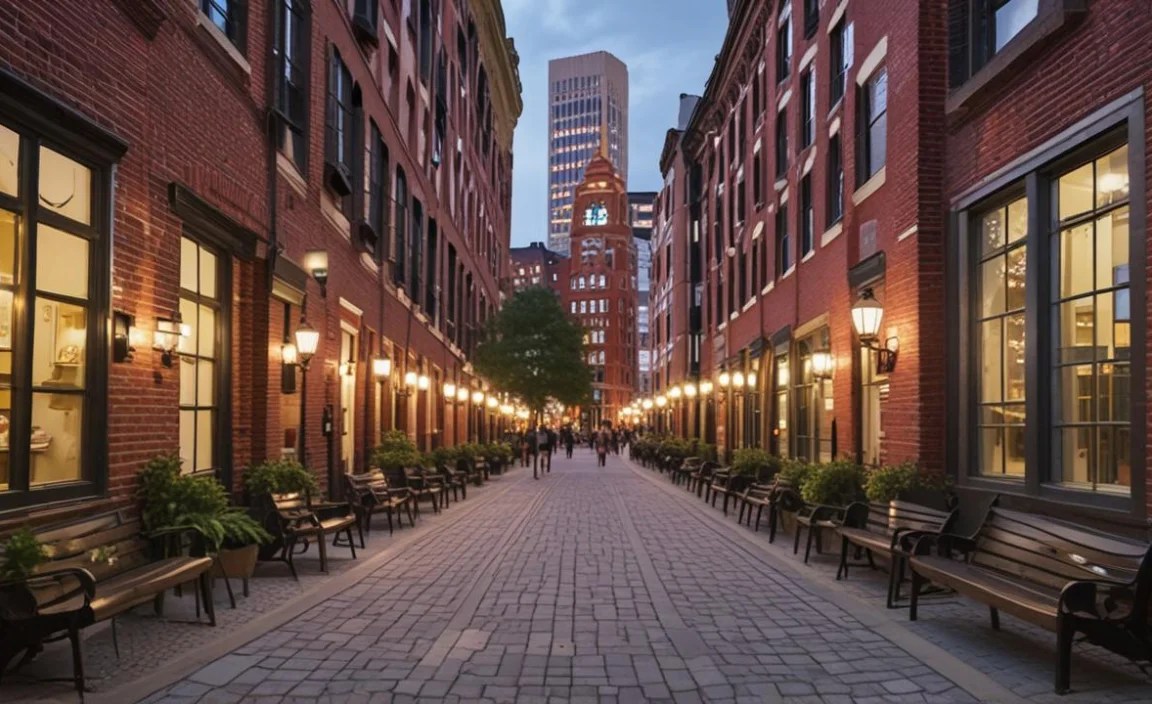
The Massachusetts Bay Transportation Authority, or the “T,” is Boston’s public transportation system. It connects most major attractions and neighborhoods.
Subway (The “T”): This is your workhorse. It has four color-coded lines: Red, Green, Blue, and Orange. The Green Line is famously extensive, weaving through the heart of the city.
Commuter Rail: Great for longer trips outside the immediate city center, like to Salem or Concord.
Buses: A robust bus network covers areas the subway doesn’t reach.
Ferry: Offers scenic routes to places like the Boston Harbor Islands.
Our Top Tip: Purchase a CharlieCard or CharlieTicket for easy fare payment. You can load them with money or buy day passes. Tap your card/ticket at the turnstiles or on the bus. For parents managing travel with children, or those needing extra comfort and convenience, knowing you can easily hop on and off the T with minimal hassle is a huge relief. It’s incredibly helpful to have reliable transit options that accommodate everyone’s needs gracefully.
Walking
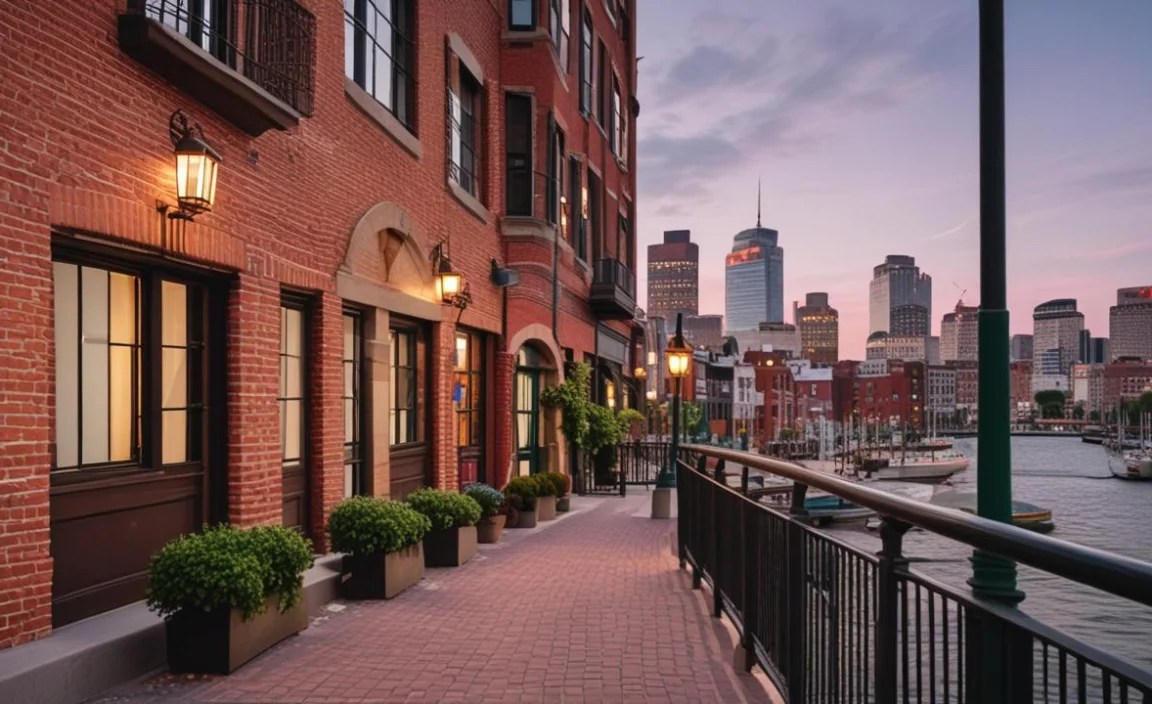
Boston is remarkably walkable, especially its historic core. Many main attractions, like those along the Freedom Trail, are close enough to explore on foot. This is the best way to soak in the atmosphere, discover hidden gems, and truly feel the city’s pulse.
Pro-Tip: Invest in a comfortable pair of walking shoes! You’ll thank yourself later. For adults and children who might need absorbent protection, choosing discreet and reliable options like adult or child diapers can significantly reduce travel anxiety, allowing for more spontaneous walking adventures without worry.
Rideshares & Taxis

Services like Uber and Lyft are readily available throughout the city. Taxis are also an option, easily hailed on the street or found at designated stands. These are convenient for direct routes or when carrying luggage.
Where to Stay: Neighborhoods for Every Traveler

Choosing the right neighborhood can set the tone for your Boston experience. Here are a few popular spots for first-timers:
Back Bay: Upscale and elegant, known for its Victorian brownstones, high-end shopping on Newbury Street, and proximity to the Boston Public Garden. It’s a beautiful, safe, and central area.
Beacon Hill: One of Boston’s most picturesque neighborhoods, with gas-lit cobblestone streets and charming boutiques. It’s historic and incredibly romantic.
Downtown/Financial District: Convenient for business travelers and tourists alike, it puts you close to many historic sites and has good transit links.
North End: Boston’s oldest residential neighborhood, famous for its Italian heritage, delicious restaurants, and vibrant atmosphere. It’s a foodie paradise.
Seaport District: Modern and rapidly developing, offering waterfront views, trendy restaurants, and easy access to the airport and convention center. This area is great for a fresh, contemporary feel.
Must-See Attractions: Boston’s Iconic Experiences

Boston is packed with history and culture. Here are some absolute must-dos for your first visit:
The Freedom Trail
This is the ultimate introduction to Boston’s revolutionary past. You’ll follow a 2.5-mile red line painted on the sidewalks connecting 16 historically significant sites.
Start: Boston Common, America’s oldest city park.
Highlights: Massachusetts State House, Park Street Church, Granary Burying Ground (resting place of Paul Revere, John Hancock, and Sam Adams), Old South Meeting House, Old State House, site of the Boston Massacre, Faneuil Hall Marketplace, Paul Revere House, Old North Church, USS Constitution (“Old Ironsides”).
Tip: Allow at least half a day, or a full day if you want to explore interiors thoroughly. The historical narratives are captivating for all ages.
Boston Common & Public Garden
These adjacent parks are urban oases. Boston Common is vast and historic, while the Public Garden is known for its swan boats and stunning floral displays.
Swan Boats: A delightful ride across the Public Garden lagoon, especially charming for families.
Make Way for Ducklings: Find the famous bronze statues in the Public Garden, a sweet tribute to the beloved children’s book.
Quincy Market & Faneuil Hall Marketplace

A vibrant hub with street performers, unique shops, and a vast food colonnade offering everything from clam chowder to cannolis. It’s a lively spot for lunch or an evening stroll. You can find diverse food options catering to various tastes and dietary needs here.
Beacon Hill Exploration

Wander the gas-lit streets, admire the brick rowhouses, and browse the antique shops. Acorn Street is one of the most photographed streets in America.
Museums Galore
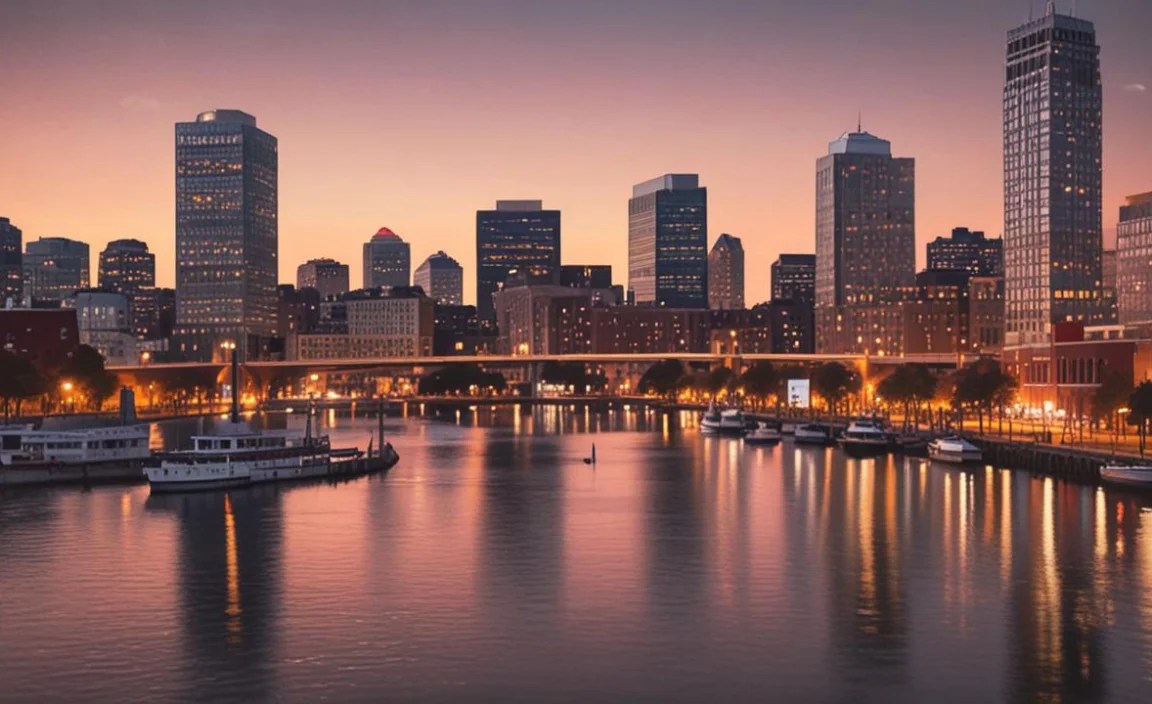
Boston boasts world-class museums:
Museum of Fine Arts (MFA): An extensive collection spanning art history globally.
Isabella Stewart Gardner Museum: A unique Venetian-style palace housing an extraordinary collection, famous for its courtyard.
Museum of Science: Interactive exhibits perfect for all ages, particularly engaging for curious children.
New England Aquarium: Stunning exhibits featuring marine life from around the world, a hit with families.
Harvard University & Cambridge

A short T ride across the Charles River brings you to Cambridge, home to the prestigious Harvard University. Take a stroll through Harvard Yard, visit the Harvard Museum of Natural History, or explore Harvard Square’s bookstores and cafes. This offers a refreshing change of pace from downtown Boston.
What to Eat: Culinary Delights in Boston

Boston’s food scene is a delicious journey!
Seafood: You can’t visit Boston without trying fresh New England seafood.
New England Clam Chowder: A creamy, hearty classic.
Lobster Rolls: Steamed or chilled, served on a buttered bun.
Oysters: Freshly shucked from local waters.
Italian Food in the North End: Explore Hanover Street for authentic pasta, pizza, and pastries. Mike’s Pastry and Modern Pastry are legendary for their cannolis.
Boston Cream Pie: The official state dessert, originating from the Omni Parker House hotel.
Fenway Franks: If you’re catching a Red Sox game, a hot dog from Fenway Park is a must.
Dining out with children or adults who require specific personal care items like absorbent products can sometimes add a layer of complexity. However, many Boston restaurants are family-friendly, and knowing you can discreetly manage any needs enhances the dining experience. Planning ahead by packing necessary items, such as child diapers or adult diapers, ensures everyone can enjoy Boston’s culinary offerings without added stress.
Packing Essentials: What to Bring for Boston
Boston weather can be unpredictable, so packing smart is key.
Clothing

Layers are King: Pack T-shirts, long-sleeved shirts, sweaters, and a waterproof and windproof jacket. The temperature can change quickly, especially by the water.
Comfortable Walking Shoes: We can’t stress this enough! You’ll be doing a lot of walking.
Slightly Dressier Outfit: For nicer dinners or shows.
Scarf and Hat: Especially if visiting in cooler months (spring or fall).
Personal Care & Comfort Items

For peace of mind and uninterrupted exploration, consider packing:
Reusable Water Bottle: Stay hydrated and reduce plastic waste.
Portable Phone Charger: Essential for navigating and capturing memories.
Discreet Absorbent Products: For parents traveling with babies or toddlers, and for adults who need added security for bladder control or extended travel. High-quality child diapers and adult diapers are designed for comfort, discretion, and reliability, allowing you to focus on enjoying Boston rather than worrying about leaks or changes. Brands today offer advanced leak protection and breathability, ensuring comfort throughout a day of sightseeing.
Small Backpack or Crossbody Bag: For daily essentials.
Documents & Money

ID/Passport
Credit/Debit Cards
Some Cash
Copies of Reservations
Planning Your Itinerary: Balancing Iconic Sights and Hidden Gems

When planning your Boston adventure, it’s helpful to group activities by location to maximize your time.
Sample Itinerary – 3 Days in Boston
This is a flexible framework; feel free to adjust based on your interests!
Day 1: Historic Heart of Boston

Morning: Start at Boston Common, walking the Freedom Trail, visiting historic sites like the Old State House and Faneuil Hall.
Lunch: Grab a bite at Quincy Market.
Afternoon: Explore Beacon Hill, walk down Acorn Street, and perhaps visit the Massachusetts State House.
Evening: Dinner in the North End, followed by dessert at a famous cannoli shop.
Day 2: Culture, Art & Scenic Views

Morning: Visit the Museum of Fine Arts or the Isabella Stewart Gardner Museum.
Lunch: Enjoy a casual meal near the museum.
Afternoon: Stroll through the Boston Public Garden, take a swan boat ride, and explore the shops on Newbury Street.
Evening: Enjoy dinner in Back Bay or the Seaport District, with views of the harbor.
Day 3: Cambridge & Beyond (or Deeper Dive!)

Option 1 (Cambridge): Take the T to Cambridge. Explore Harvard Yard, visit a museum, and wander through Harvard Square.
Option 2 (Maritime & Science): Visit the New England Aquarium or the Museum of Science.
Option 3 (Specific Interests): Revisit a favorite spot, catch a Red Sox game (if in season), or explore a neighborhood you missed.
Evening: Farewell dinner, perhaps trying some iconic Boston seafood.
Traveling with Children and Managing Comfort Needs

Traveling with children, whether they are infants, toddlers, or older kids, brings its own set of planning needs. For parents, ensuring comfort and managing potential accidents is paramount. Having a readily accessible stash of reliable child diapers that offer excellent absorbency and a snug fit can make all the difference. This allows you to enjoy longer outings without the stress of frequent changes or worrying about leaks. Packing a dedicated changing kit with wipes, a changing pad, and extra diapers in a small backpack or stroller bag is a travel essential.
Similarly, adults who require adult diapers for various reasons—be it health, post-surgery recovery, or simply for added security during long travel days—can travel with much greater confidence. Modern adult diapers offer discreet designs, advanced odor control, and superior absorbency, enabling individuals to participate fully in activities without apprehension. Knowing these options are available and packing them discreetly can transform a potentially stressful trip into a comfortable and liberating experience. The key is preparedness and choosing products that offer both reliability and discretion.
For anyone concerned about long flights, road trips, or extended periods away from immediate facilities, having these personal care items readily available eliminates a significant source of potential anxiety. This focus on comfort and preparedness means you can truly immerse yourself in the experience of exploring Boston.
Budgeting for Your Boston Trip

Boston can be as expensive or as affordable as you make it. Here’s a general idea:
| Expense Category | Estimated Cost (per person, per day) | Notes |
| Accommodation | $150 – $400+ | Varies greatly by hotel type and location. |
| Food | $75 – $150 | Can be lower with markets/casual eats, higher with fine dining. |
| Transportation | $10 – $30 | Primarily MBTA use vs. frequent rideshares/taxis. |
| Attractions/Tours | $30 – $100 | Depends on how many paid sites you visit. Many are free to see. |
| Shopping/Souvenirs | Variable | Entirely up to your spending habits. |
Tips for Saving Money:
Visit during the shoulder seasons: Spring (April-May) and Fall (September-October) offer pleasant weather and potentially lower hotel rates than peak summer.
Use the MBTA: It’s significantly cheaper than taxis or rideshares for most journeys. Consider a CharlieCard for the best value.
Pack snacks and water: Refillable water bottles are a must.
Look for free activities: Walking the Freedom Trail (the path itself is free), exploring parks, window shopping, and enjoying street performers are great free options.
Consider a CityPASS: If you plan to visit many paid attractions, a Go City Boston pass can offer significant savings. This is a fantastic tool for budget-conscious travelers. You can compare different passes to find the best fit for your planned activities here.
Enjoy free museum days/evenings: Some museums offer specific times with free admission. Check their websites for schedules.
Important Considerations for Easy Travel
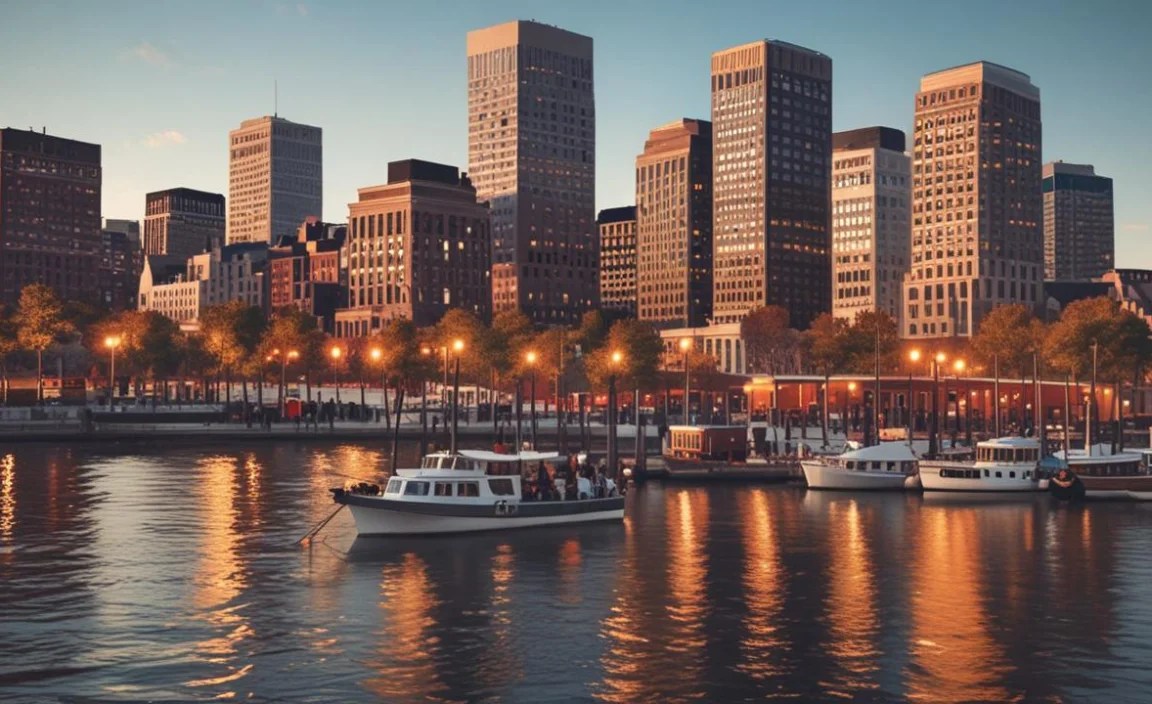
To ensure your trip is as seamless as possible, keep these points in mind:
Book in Advance: For popular attractions like the New England Aquarium or special tours, booking tickets online ahead of time can save you time waiting in line and sometimes money.
Check Event Calendars: Boston hosts numerous festivals, sporting events, and concerts. Knowing what’s happening during your visit can help you plan or avoid crowded areas if you prefer.
Weather Preparedness: As mentioned, layers are crucial. Always check the forecast before you head out for the day.
Accessibility: Boston is an older city, and while many historical sites are working to improve accessibility, some cobblestone streets and staircases can be challenging. The MBTA and most newer attractions are generally very accessible. If navigating with mobility aids or strollers, check specific site accessibility beforehand.
Safety: Boston is a generally safe city, but like any urban area, it’s wise to be aware of your surroundings, especially at night. Stick to well-lit areas and trust your instincts.
Frequently Asked Questions About Visiting Boston
Let’s quickly answer some common questions first-time visitors have.
Q1: Is Boston a walkable city?
A1: Absolutely! Boston is one of the most walkable cities in the United States, especially its historic districts. Comfortable shoes are your best friend here.
Q2: What’s the best way to get around Boston?
A2: The MBTA (the “T”) subway is excellent for covering longer distances and reaching different neighborhoods. For exploring specific areas like the Freedom Trail or Beacon Hill, walking is ideal. Rideshares are also readily available.
Q3: How many days do I need to see Boston?
A3: To get a good feel for the city and visit major attractions, 3-4 days is usually recommended. You can see highlights in 2 days, but more time allows for a relaxed pace and deeper exploration.
Q4: What is Boston famous for?
A4: Boston is renowned for its rich American history (Revolutionary War sites), prestigious universities (Harvard, MIT), vibrant culture, delicious seafood (clam chowder, lobster rolls), and passionate sports fan base.
Q5: Is Boston expensive for tourists?
A5: Boston can be pricey, especially for accommodation and dining. However, you can manage your budget by using public transport, enjoying free attractions, and looking for deals on passes like the Go City Boston pass.
Q6: What’s the weather like in Boston?
A6: Boston experiences four distinct seasons. Summers are warm to hot, winters are cold with snow, and spring and fall are generally mild but can be unpredictable. Layering clothing is always a good idea.
Q7: Are there good family-friendly activities in Boston?
A7: Yes! The New England Aquarium, Museum of Science, Boston Common (with its carousel and playgrounds), and the swan boats in the Public Garden are fantastic for families. The Freedom Trail can also be made engaging for kids with storytelling.
Conclusion
Boston is a city that truly captivates with its blend of timeless history and contemporary energy. By following these essential tips, you’re well on your way to planning a visit that is both stress-free and incredibly rewarding. Remember to pack comfortably, embrace the public transit, and allow yourself to get lost (in the best way!) in its charming streets. Whether you’re walking in the footsteps of revolutionaries.