Your essential Bolivia first-timers guide starts here! Discover how to plan your trip to Bolivia with confidence. We cover essential tips for packing, transport, safety, and experiencing the best attractions for a stress-free adventure. Get ready for an unforgettable journey!
Dreaming of vast salt flats, vibrant indigenous cultures, and breathtaking mountain landscapes? Bolivia might be calling your name! Yet, planning a trip to this South American gem can feel a little daunting, especially for first-time visitors. You might wonder about the best way to get around, what to pack for such diverse climates, or even how to stay comfortable and healthy on your adventure. Don’t worry, it’s completely natural to feel a bit overwhelmed. This guide is here to break it all down. We’ll walk you through everything you need to know, step-by-step, making your first trip to Bolivia smooth, exciting, and totally manageable. Get ready to explore the magic of Bolivia with ease and confidence!
Your Essential Bolivia First-Timers Guide: Planning Your Adventure

Bolivia is a country of incredible contrasts, from the high-altitude cities to the humid Amazon basin. For first-time visitors, understanding the basics of preparation is key to unlocking its wonders. This guide will equip you with the essential knowledge to plan a well-rounded and comfortable adventure across this captivating nation.
Understanding Bolivia’s Unique Landscape and Climate
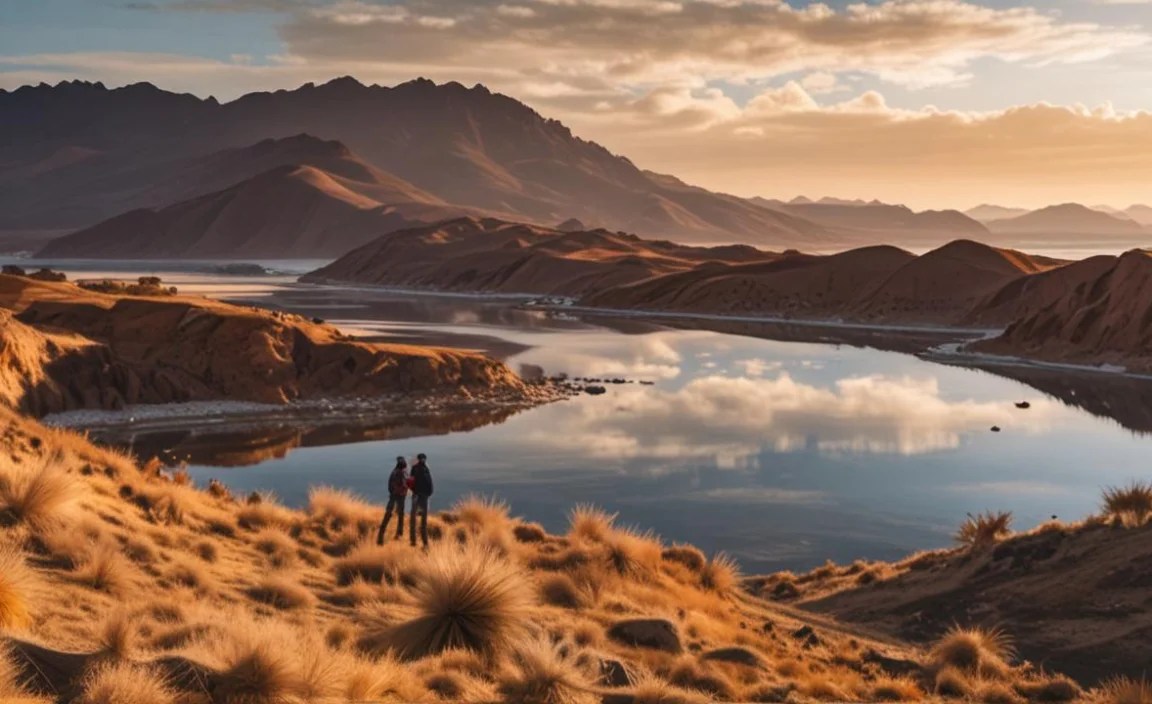
Bolivia is essentially divided into three main geographical zones, each with its own distinct climate:
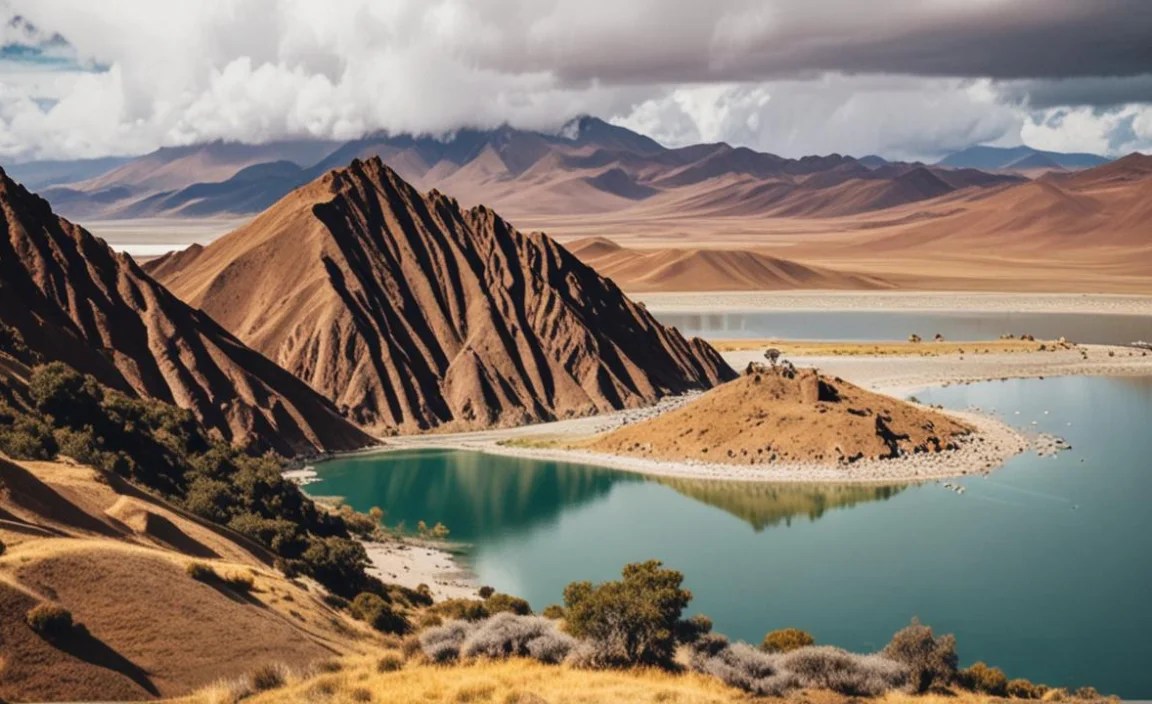
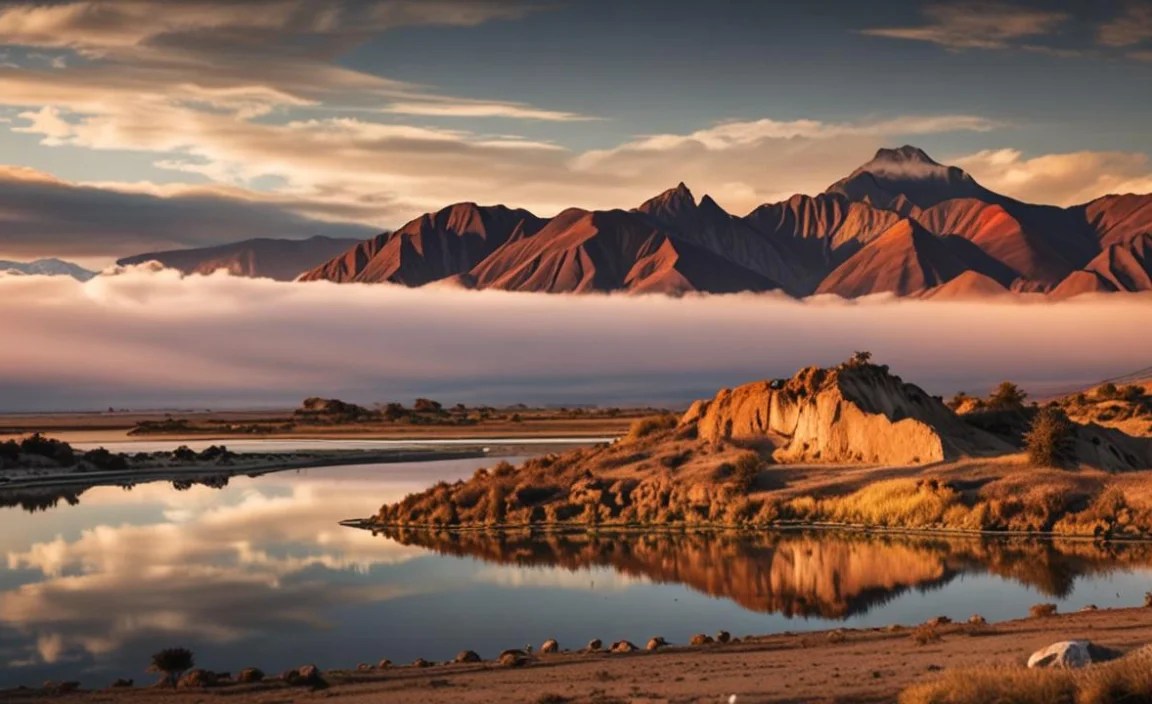
- The Altiplano (Highlands): This is where you’ll find cities like La Paz and Sucre, as well as the surreal Salar de Uyuni. Expect thin air, strong sunshine, and significant temperature drops at night. It’s often dry, but can be windy and cold, especially during the dry season (May to October).
- The Valleys: Nestled between the highlands and the lowlands, these regions, like around Cochabamba, offer a more temperate climate. They are great for agriculture and offer pleasant hiking opportunities year-round.
- The Lowlands (Amazon Basin): Think Rurrenabaque and the Amazon rainforest. This area is hot, humid, and tropical, with a wet season (November to April) and a drier season (May to October), though rain is still common.
Knowing these zones helps immensely with packing and understanding acclimatization needs. For instance, arriving in La Paz (the world’s highest capital city) requires careful attention to altitude sickness. Resources like the CDC’s Bolivia Traveler’s Health page offer crucial advice on health precautions.
When to Visit Bolivia
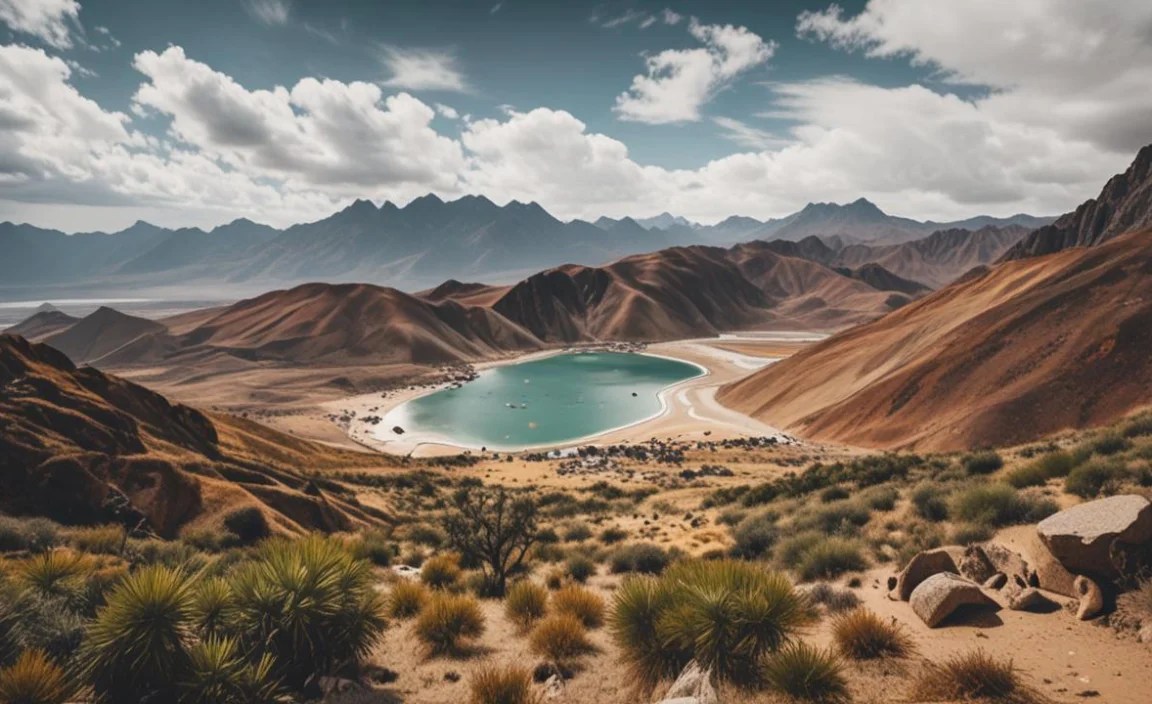
Bolivia has two main seasons: the dry season and the wet season.
- Dry Season (May to October): This is generally the best time to visit for most of the country, especially the Altiplano. Skies are clearer, roads are less likely to be affected by rain, and the Salar de Uyuni is at its most dramatic with its mirror-like effect during the rainy season’s tail end and the start of the dry season. However, temperatures can plummet at night.
- Wet Season (November to April): This period brings rain, particularly to the western highlands, which can cause travel disruptions and make some areas inaccessible. The eastern lowlands, however, are at their greenest. The Salar de Uyuni can transform into a giant mirror, offering stunning photographic opportunities, but access to some parts might be limited.
Key Considerations for Timing:
- Festivals: If you’re interested in experiencing Bolivia’s vibrant cultural festivals, plan your trip around events like the Alasitas Fair in La Paz (February) or Carnaval in Oruro (February/March).
- Crowds: The dry season also coincides with peak tourist season, so expect more people at popular sites.
Getting Around Bolivia: Navigating Your Way

Transportation in Bolivia can be an adventure in itself. Here are the most common ways to get around:
- Buses: This is the most popular and budget-friendly way to travel between cities. Comfort levels vary greatly, from basic local buses to more comfortable “semi-cama” (half-bed) or “cama” (bed) services with reclining seats. Booking tickets in advance is recommended for longer routes.
- Flights: For covering long distances quickly, domestic flights are an option. Airlines like Boliviana de Aviación (BoA) and Amaszonas operate routes between major cities. This can be a lifesaver if you’re short on time.
- Taxis and Ride-Sharing: In cities, taxis are readily available. Agree on a fare before you start your journey, or ensure the meter is used. Ride-sharing apps are becoming more common in larger cities like La Paz and Santa Cruz.
- Car Rental: Renting a car is less common and can be challenging due to road conditions, lack of clear signage, and the need for a local driving permit or international driving license. It’s generally only recommended for experienced drivers comfortable with off-road conditions.
- Boat Travel: In the Amazonian regions, boats are the primary mode of transport for reaching remote areas or for specific tours.
Tips for Bus Travel:
- Always choose reputable companies if possible.
- Keep your valuables secure and close to you.
- Bring snacks and water, as stops can be infrequent.
- Be prepared for delays, as road conditions can be unpredictable.
Essential Packing List for Bolivia
Layering is the golden rule for packing for Bolivia due to its diverse climates. What you pack will depend heavily on where you’re going and when. Here’s a comprehensive list:
Clothing Essentials
- Baselayers: Thermal tops and bottoms for colder regions.
- Mid-layers: Fleece jackets or sweaters.
- Outerwear: A waterproof and windproof jacket is a must, especially for the Altiplano. A warmer down jacket is recommended for high altitudes.
- Tops: T-shirts, long-sleeved shirts (good for sun protection and cooler evenings).
- Bottoms: Comfortable hiking pants, jeans, or cargo trousers. Shorts might be useful for warmer lowland areas.
- Footwear: Sturdy, broken-in hiking boots are essential for exploring. Comfortable walking shoes or sneakers for cities. Sandals or flip-flops for relaxation.
- Socks: Wool or synthetic socks for warmth and hiking.
- Sleepwear: Comfortable sleep clothes.
Accessories & Gear
- Sun Protection: High SPF sunscreen, sunglasses, and a wide-brimmed hat are non-negotiable, especially at altitude.
- Headwear: A warm hat or beanie for cold evenings and high altitudes.
- Gloves: Warm gloves for chilly mornings and evenings.
- Scarf or Buff: Useful for dust and wind protection on the Altiplano.
- Backpack: A comfortable daypack for daily excursions.
- Water Bottle: A reusable water bottle. Consider a filtered one for added safety.
- Travel Towel: A quick-drying towel can be very handy.
- Adapter: Bolivia uses Type A and Type C power plugs, with a voltage of 220V.
- Headlamp or Flashlight: Useful for early mornings, late evenings, and power outages.
- Insect Repellent: Especially for lowland and jungle areas.
- First-Aid Kit: See below for specifics.
For Comfort and Health
For any trip, especially one involving diverse climates and altitudes, comfort and personal care are paramount. For those who may need them, discreet and reliable options are available. Companies offering products like adult diapers and incontinence products can provide peace of mind for extended travel days, long flights, or during explorations where restroom facilities might be scarce. Similarly, for families traveling with young children, specialized child diapers and wipes ensure comfort and hygiene, minimizing stress and allowing everyone to focus on the adventure.
Specific items for your first-aid kit:
- Pain relievers (e.g., ibuprofen, acetaminophen)
- Band-aids and gauze pads
- Antiseptic wipes
- Motion sickness medication
- Diarrhea medication (e.g., Imodium)
- Altitude sickness medication (consult your doctor before travel)
- Any personal prescription medications
- Hand sanitizer
Navigating Altitude Sickness (Soroche)
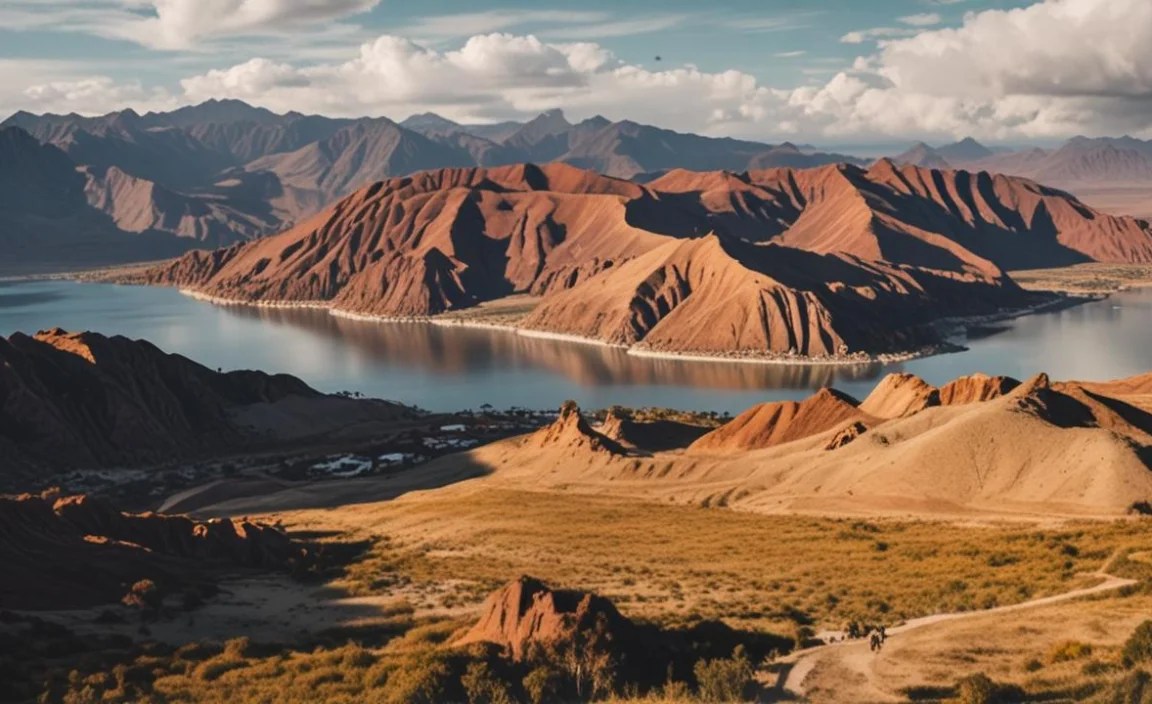
This is a critical concern for many visitors to Bolivia, particularly those arriving in La Paz or heading to the Salar de Uyuni. Altitude sickness is caused by the lower oxygen levels at high elevations.
Symptoms can include:
- Headache
- Nausea and vomiting
- Dizziness
- Fatigue
- Shortness of breath
Prevention and Management:
- Acclimatize Slowly: Spend your first day or two taking it easy. Avoid strenuous activity, alcohol, and heavy meals.
- Stay Hydrated: Drink plenty of water. Dehydration can worsen altitude sickness symptoms.
- Avoid Alcohol and Smoking: These can exacerbate symptoms.
- Eat Light Meals: Focus on carbohydrates.
- Consider Medication: Consult your doctor about prescription medications like Diamox (acetazolamide), which can help prevent or treat altitude sickness.
- Coca Leaves: In Bolivia, chewing coca leaves or drinking coca tea is a traditional and effective remedy for altitude sickness. It’s widely available and socially accepted.
When to Seek Medical Help: If your symptoms are severe or don’t improve, descend to a lower altitude and seek medical attention.
Top Destinations for First-Timers
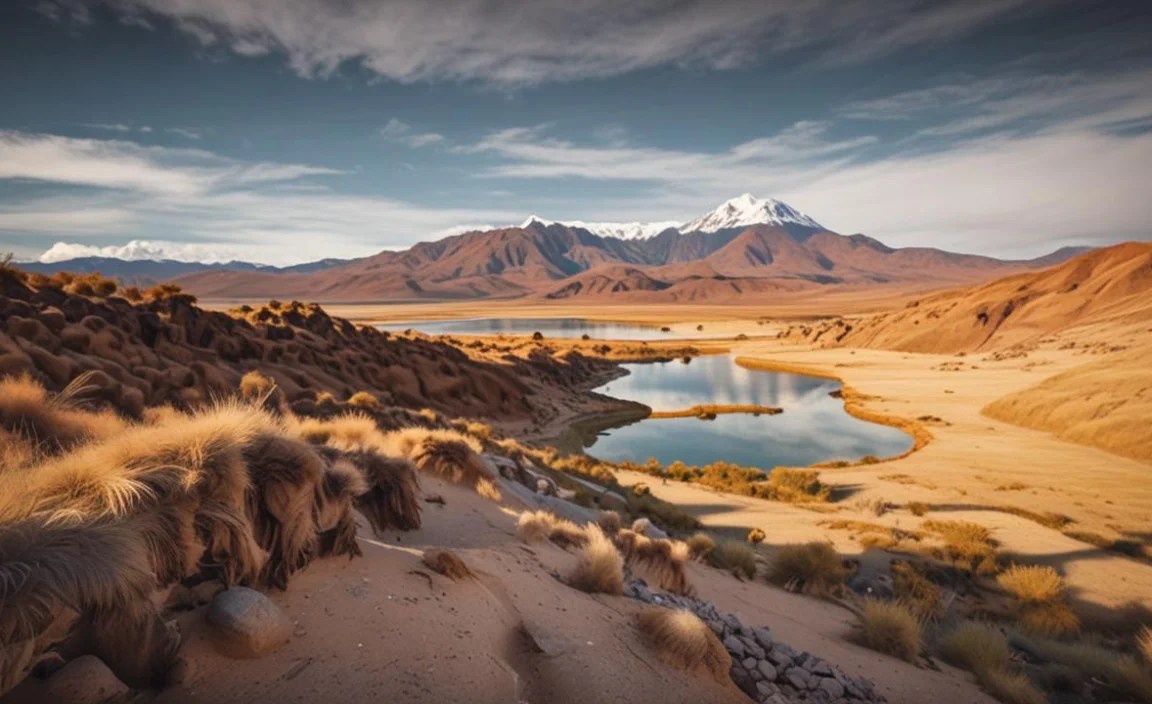
Bolivia offers a wealth of incredible places to explore. Here are some must-visit spots for your first trip:
- Salar de Uyuni: The world’s largest salt flat is an otherworldly landscape that is a photographer’s dream. Tours typically include nearby attractions like Isla Incahuasi (an island covered in giant cacti) and colorful lagoons.
- La Paz: Perched in a canyon at high altitude, La Paz is a city of contrasts. Ride the Mi Teleférico cable car system for stunning city views, explore the Witches’ Market, and visit the historic Plaza Murillo.
- Sucre: Bolivia’s constitutional capital is known as the “White City” for its beautiful colonial architecture. It’s a UNESCO World Heritage site and a more relaxed alternative to La Paz.
- Potosí: Once one of the richest cities in the world due to its silver mines, Potosí offers a glimpse into this historical (and often harsh) past with mine tours. It’s also a high-altitude city, so acclimatization is key.
- Rurrenabaque: For a taste of the Amazon, Rurrenabaque is the gateway to jungle lodges and pampas tours, where you can spot an incredible array of wildlife like capybaras, caimans, monkeys, and vibrant birds.
Experiencing Bolivian Culture and Cuisine

Bolivian culture is rich and diverse, heavily influenced by its indigenous heritage. Embrace the opportunity to interact with locals, visit markets, and immerse yourself in traditions.
Bolivian Cuisine:
Bolivian food is hearty and flavorful, often utilizing potatoes, corn, beans, quinoa, and various meats. Some popular dishes to try include:
- Salteñas: A type of baked empanada filled with juicy meat, vegetables, and a slightly sweet sauce. A breakfast and mid-morning staple.
- Silpancho: A dish from Cochabamba consisting of a thin piece of fried beef or chicken served over rice, topped with fried eggs and a beet salad.
- Pique Macho: A substantial dish of chopped beef, sausage, fries, onions, peppers, and hard-boiled eggs, often served with a spicy sauce.
- Llama Meat: A traditional protein, often grilled or stewed.
- Quinoa Soup: A nutritious and warming soup, perfect for cooler climates.
Important Note on Food Safety: While trying local delicacies is part of the travel experience, be mindful of food hygiene. Stick to well-cooked meals, peel fruits and vegetables, and be cautious with street food. Bolivia’s culinary landscape is vibrant, and enjoying it safely is key.
Safety and Health Tips for Bolivia

While Bolivia is generally safe for tourists, it’s wise to be aware and take precautions:
- Altitude: As discussed, take altitude sickness seriously.
- Petty Theft: Like any popular tourist destination, pickpocketing can occur in crowded areas, especially in La Paz and on buses. Keep valuables secure and out of sight.
- Scams: Be aware of common tourist scams, such as fake taxis or overly friendly strangers offering unsolicited help.
- Water: Drink bottled or purified water only. Avoid tap water, ice in drinks, and unpeeled fruits.
- Food Hygiene: Be cautious with street food and ensure meals are thoroughly cooked.
- Demonstrations: Political protests or demonstrations can occur. Avoid them if possible and follow local news.
- Driving: Road conditions can be poor, and driving at night is generally not recommended outside of major cities.
For official government travel advice, always check your country’s state department or foreign office. For example, the U.S. Department of State provides safety advisories and country-specific information.
Budgeting for Your Bolivian Adventure

Bolivia is one of South America’s most affordable countries, making it a fantastic destination for budget travelers. However, costs can vary depending on your travel style and destinations.
Estimated Daily Costs (per person, excluding major tours):
| Category | Budget Traveler (USD) | Mid-Range Traveler (USD) |
|---|---|---|
| Accommodation (Hostel/Guesthouse) | $8 – $15 | $20 – $40 |
| Food (Local eateries/Markets) | $8 – $15 | $15 – $30 |
| Local Transport (Buses, Taxis) | $3 – $7 | $5 – $10 |
| Activities/Entrance Fees (Average) | $10 – $20 | $20 – $40 |
| Total Daily Estimate | $29 – $57 | $60 – $120 |
Major Tour Costs:
- Salar de Uyuni 3-Day Tour: Can range from $100 to $250+ depending on the type of tour (group, private, comfort level).
- Amazon Jungle/Pampas Tour (e.g., 3-Day): Typically $100 to $200+.
Tips for Saving Money:
- Eat at local markets and “comedores” (small, simple restaurants).
- Utilize overnight buses for long distances.
- Negotiate prices where appropriate (e.g., taxis, market goods), but do so respectfully.
- Consider purchasing organized tours from reputable agencies upon arrival, as they can sometimes be cheaper than booking online in advance.
Language and Communication
The official languages of Bolivia are Spanish, Quechua, Aymara, and other indigenous languages. While many people in tourist areas speak some English, knowing a few basic Spanish phrases will greatly enhance your experience and interactions.
Essential Spanish Phrases:
- Hola – Hello
- Adiós – Goodbye
- Por favor – Please
- Gracias – Thank you