Plan an unforgettable Bolivia summer trip with this essential guide, covering stunning destinations, packing tips, and practical advice for a comfortable adventure.
Dreaming of a Bolivia adventure this summer? You’ve picked a fantastic time to explore! While the thought of planning a trip to a place as diverse as Bolivia might feel a bit overwhelming, especially for first-timers, don’t worry. We’re here to make it simple and exciting. We’ll guide you through everything you need to know to have an amazing and stress-free journey, from packing the right gear to discovering breathtaking sights. Get ready to experience the magic of Bolivia without the hassle!
Your Bolivia Summer trip Guide: Essential & Stunning

A summer trip to Bolivia offers an incredible tapestry of experiences, from the dizzying heights of the Andes to the steamy depths of the Amazon. Summer in Bolivia generally runs from December to March. This period coincides with the rainy season in most of the country, particularly in the highlands and lowlands. While rain is common, it often comes in heavy afternoon downpours, leaving mornings and evenings clear and often sunny. Traveling during this time means fewer crowds and vibrant, lush landscapes.
Understanding Bolivia’s Summer Climate
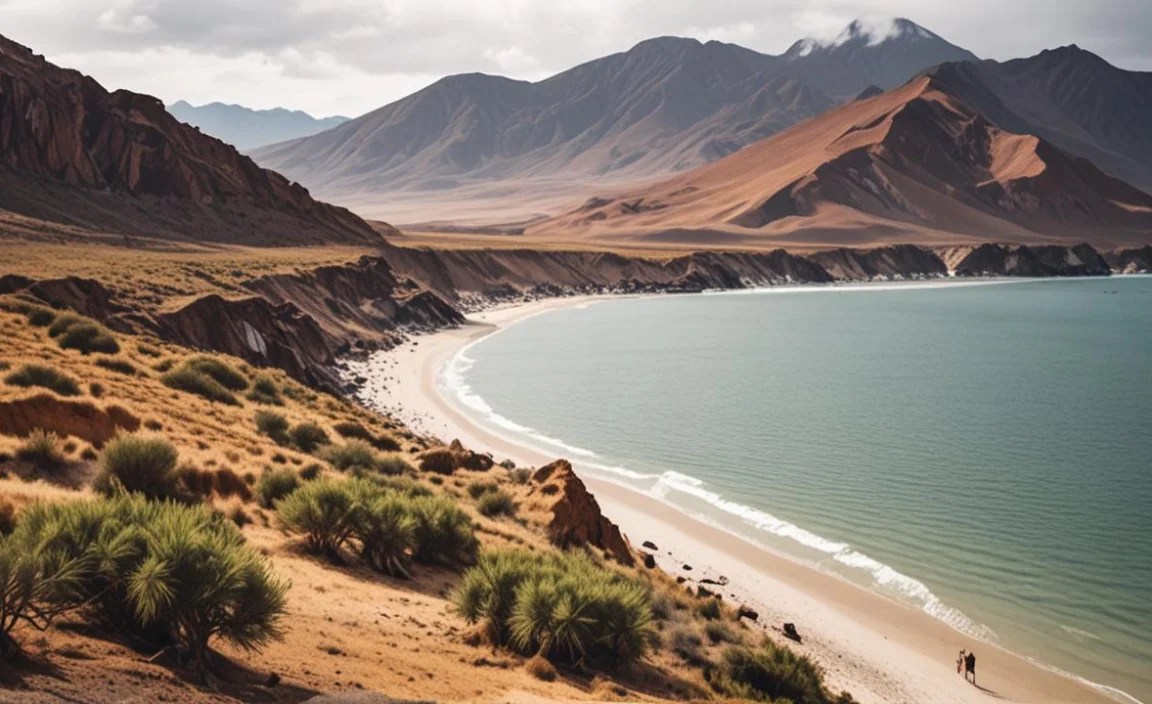
Bolivia’s diverse geography, stretching from the Altiplano (highlands) to the tropical lowlands, means its summer climate varies dramatically by region.
- Altiplano (e.g., La Paz, Uyuni): Expect mild, cool temperatures during the day (around 15-20°C or 59-68°F) with cold nights, often dropping below freezing (0-5°C or 32-41°F). Rainfall is frequent, usually in short, intense downpours, often in the afternoon. Sunshine can be brilliant when it’s not raining.
- Valleys (e.g., Sucre, Cochabamba): These regions are often slightly warmer and less extreme than the Altiplano. Summer brings more rain, making the landscapes greener and more vibrant. Temperatures are generally pleasant, ranging from 20-25°C (68-77°F).
- Lowlands (e.g., Santa Cruz, Amazon basin): This is the tropical summer. Expect high temperatures (30-35°C or 86-95°F) and high humidity. Rain is abundant, contributing to the lush rainforest.
It’s crucial to pack accordingly for these varied conditions. Layers are your best friend when traveling in Bolivia, especially during the summer months.
Why Travel to Bolivia in Summer?

Despite the rain, summer in Bolivia offers distinct advantages:
- Fewer Tourists: This is generally considered the low season for international tourism, meaning you’ll encounter fewer crowds at popular attractions and potentially better deals on accommodation and tours.
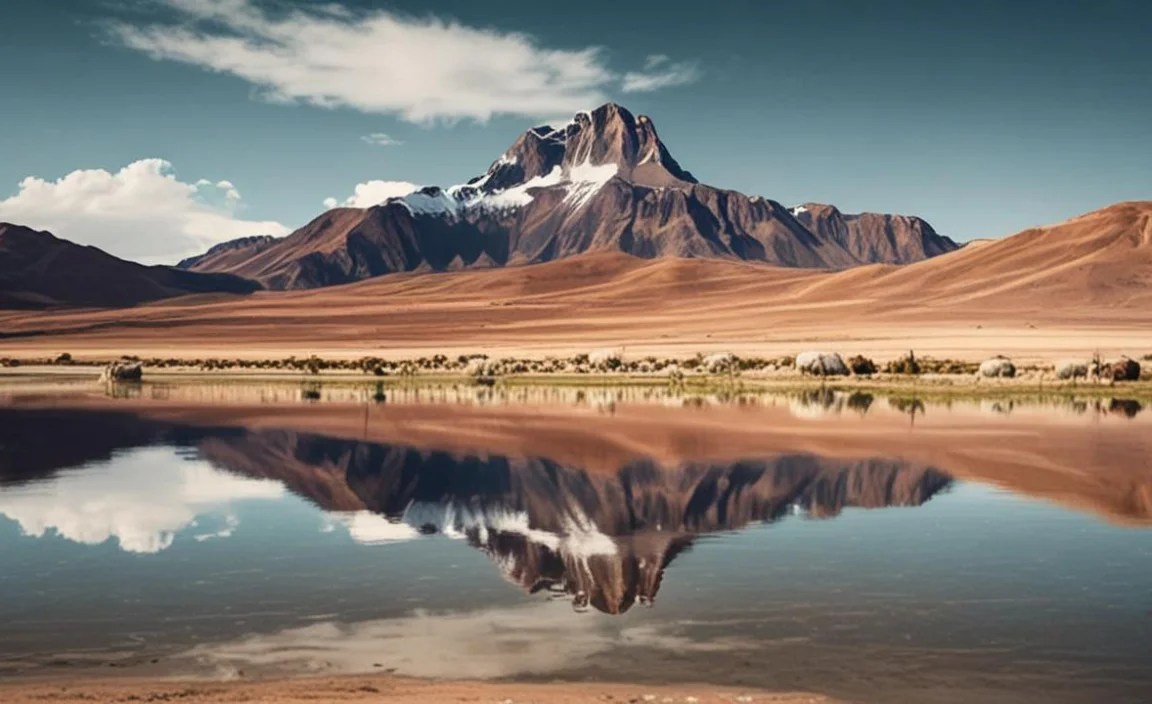
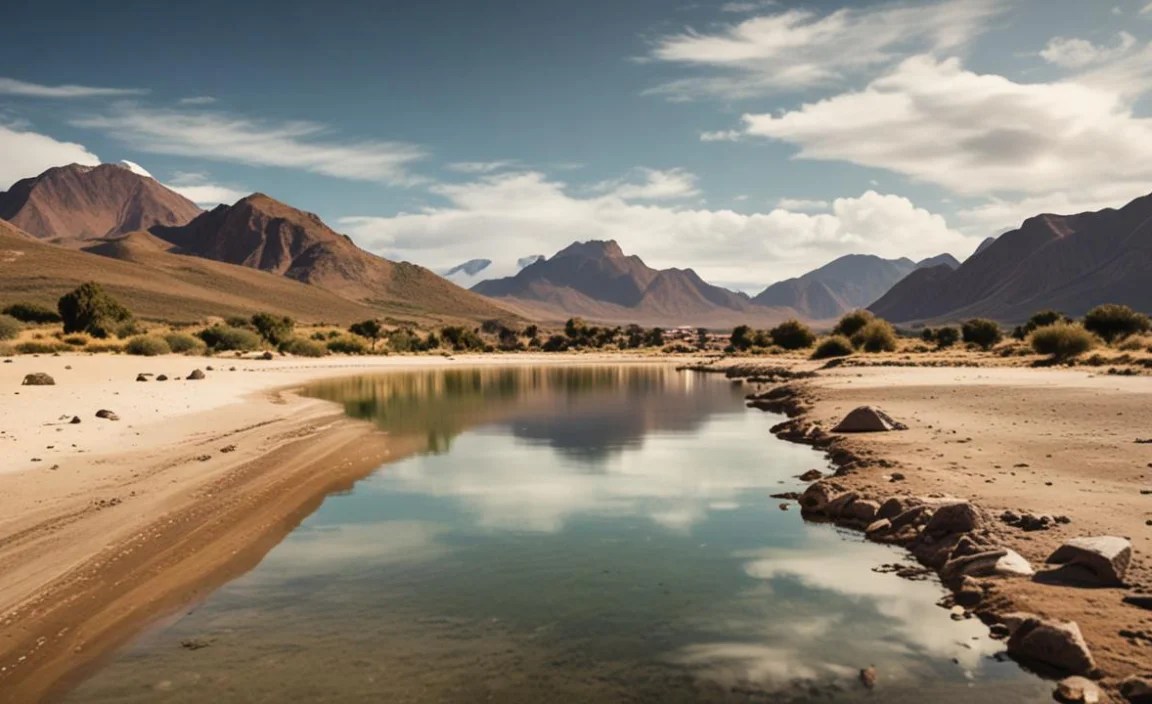
- Lush Landscapes: The rains bring life to the landscapes. The salt flats of Uyuni can reflect the sky like a giant mirror, creating magical photo opportunities. The valleys and Yungas become incredibly green and beautiful.
- Unique Experiences: The “mirror effect” at the Salar de Uyuni during the wet season is a bucket-list experience for many photographers and travelers.
Essential Packing List for Your Bolivia Summer Trip

Packing smart is key to comfort and enjoyment. Here’s a breakdown of essentials, keeping in mind Bolivia’s varied climates and potential for rain. Remember, when packing for diverse climates, versatility is key. Think about layers and items that can serve multiple purposes. If you’re managing adult or child diapers for personal comfort and hygiene during travel, discreet and absorbent options are available to ensure you feel secure and dry, no matter the activity or duration. Brands like Depend or various absorbent pull-up styles can offer peace of mind for long journeys or active days.
Clothing:
- Layers! T-shirts, long-sleeved shirts, fleece jacket or warm sweater, and a waterproof/windproof outer jacket.
- Rain Gear: A good waterproof jacket and possibly waterproof pants are essential, especially for the Altiplano and Amazon.
- Warm Bottoms: Fleece-lined pants or sturdy hiking trousers.
- Lighter Bottoms: Comfortable, quick-drying trousers for warmer days or lowland areas.
- Thermal Underwear: For the colder highlands and evenings.
- Comfortable Shoes: Sturdy, waterproof hiking boots are highly recommended for exploring.
- Camp Shoes/Sandals: For relaxing in the evenings or shorter walks.
- Socks: Plenty of warm, moisture-wicking socks.
- Hat: A wide-brimmed hat for sun protection and a warm beanie for cold nights.
- Gloves: Especially for high-altitude areas.
Health & Hygiene:
- High SPF Sunscreen: The sun is intense at high altitudes.
- Lip Balm with SPF.
- Insect Repellent: Especially for the Amazon and lower altitudes.
- Hand Sanitizer: Always useful.
- Personal First-Aid Kit: Include any personal medications, pain relievers, bandages, antiseptic wipes, and altitude sickness medication (consult your doctor).
- Travel-Sized Toiletries: Including biodegradable options where possible.
- Water Purification Tablets or Filter Bottle: For safe drinking water.
- Comfort items: Consider discreet, highly absorbent adult or child diapers from brands like TENA or Abena if you anticipate long travel days, potential for unexpected delays, or simply want an extra layer of security and comfort while exploring. They are designed for maximum absorbency and discretion, making them ideal for maintaining confidence on the go.
Gear & Accessories:
- Backpack: A comfortable daypack for daily excursions.
- Duffel Bag or Suitcase: Choose something durable and easy to manage. On tours in Uyuni, smaller duffel bags are often preferred by drivers for limited space.
- Waterproof Bags/Dry Bags: To protect electronics and essentials from rain.
- Camera and Extra Batteries/Memory Cards.
- Portable Power Bank: For charging devices on the go.
- Travel Adapter: Bolivia uses Type A, Type C, and Type F outlets.
- Headlamp or Small Flashlight: For uneven terrain or power outages.
- Sunglasses.
- Reusable Water Bottle.
- Small Notebook & Pen.
- Copies of Important Documents: Passport, visa, flight tickets, IDs.
Must-See Destinations for Your Bolivia Summer Trip

Bolivia is a land of extremes, and its summer beauty only enhances its allure. Here are some top spots to consider:
The Uyuni Salt Flats (Salar de Uyuni)

The world’s largest salt flat transforms in the rainy season (December-April). The thin layer of water creates a breathtaking mirror effect, reflecting the sky perfectly and creating surreal landscapes. Summer is arguably the most photogenic time to visit for this phenomenon.
La Paz and the Yungas Road

La Paz, the world’s highest administrative capital, is a vibrant city nestled in a canyon. The surrounding Andes offer stunning vistas. The infamous “Death Road” (Yungas Road) is a popular, albeit challenging, cycling destination. Summer rains can make the road more unpredictable but also more lush and green.
Sucre, The White City
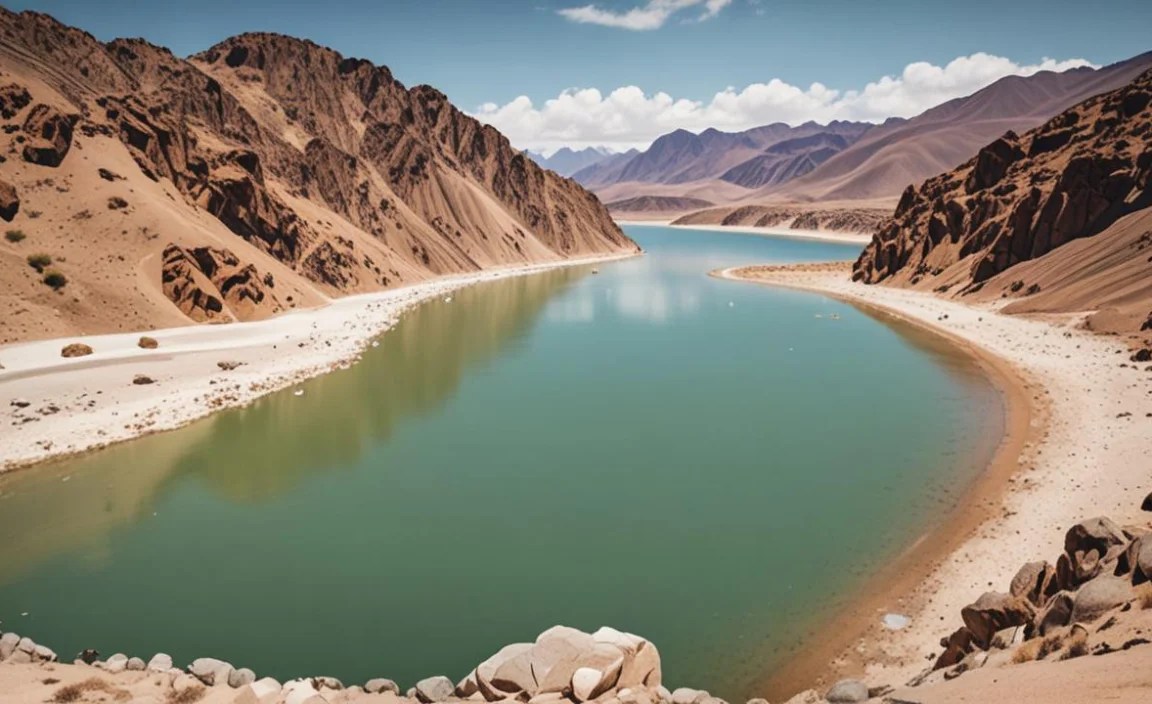
Bolivia’s constitutional capital boasts beautiful colonial architecture and a pleasant climate. It’s a UNESCO World Heritage site and a more relaxed contrast to the bustling highland cities.
Copacabana and Lake Titicaca
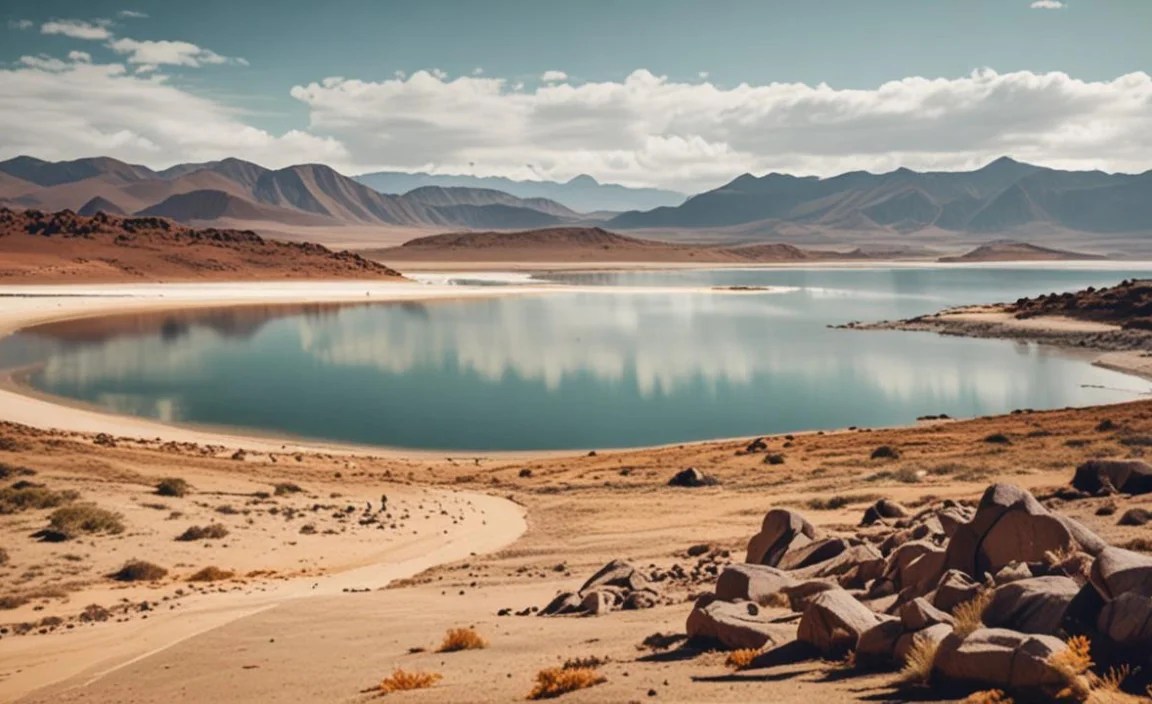
On the shores of the world’s highest navigable lake, Copacabana is a charming town. Take a boat trip to Isla del Sol (Island of the Sun) for Inca ruins and stunning lake views. The summer weather can be variable but often offers clear, sunny days interspersed with rain.
Santa Cruz de la Sierra and the Amazon Basin

For a taste of tropical Bolivia, head to Santa Cruz. From here, you can venture into the Amazon, exploring lush rainforests, diverse wildlife, and indigenous cultures. Expect heat, humidity, and plenty of rain during the summer months.
Planning Your Itinerary and Logistics
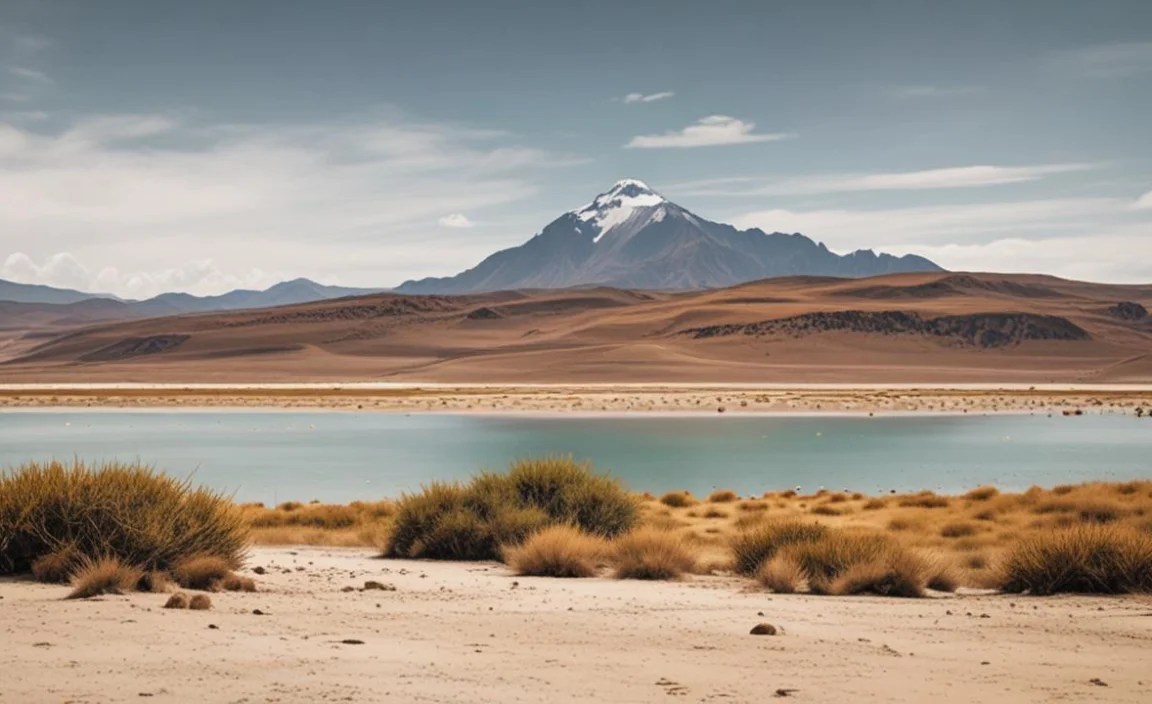
Bolivia is a large country, and travel can be slow. It’s wise to focus on a few regions rather than trying to see everything in one trip, especially during the summer when some roads can be affected by rain.
Transportation:
Buses: The most common and affordable way to travel between cities. Comfortable “servicios ejecutivos” (executive services) are available for longer distances, offering more legroom and amenities. However, road conditions can vary, and travel times can be longer, especially in the wet season.
Flights: Numerous domestic flights connect major cities like La Paz, Santa Cruz, and Sucre. Airlines like BoA (Boliviana de Aviación) and Amaszonas offer services. This is a great way to save time, but book in advance, especially if traveling during peak times (though summer is generally less busy).
Trains: Limited passenger train routes exist, primarily in the southern part of the country. It’s a scenic but slow option.
Tours: For specific destinations like Uyuni, booking a guided tour is almost essential. Tours typically include transportation, accommodation, and meals. Ensure your tour operator is reputable and experienced with summer conditions.
Altitude Sickness (Soroche):
Many of Bolivia’s most famous attractions are at high altitudes (La Paz is around 3,650m/11,975ft). Take altitude sickness seriously:
- Acclimatize slowly: Spend at least a day or two gradually adjusting to the altitude upon arrival. Avoid strenuous activity and alcohol on your first day.
- Stay hydrated: Drink plenty of water.
- Eat lightly: Avoid heavy meals.
- Coca leaves: Chewing coca leaves or drinking coca tea is a traditional remedy and can help.
- Consult your doctor: Discuss prescription medication like Acetazolamide (Diamox) with your physician before your trip.
For more information on altitude sickness, the CDC offers solid guidance.
Safety and Security:
Like any destination, be aware of your surroundings, especially in larger cities. Keep valuables secure and avoid displaying them. Petty theft can occur, so vigilance is key. Research reputable tour operators and avoid walking alone in unfamiliar areas at night.
Budget and Money Matters
Bolivia is one of South America’s most affordable countries. Your summer trip doesn’t have to break the bank!
Currency:
The Bolivian Boliviano (BOB) is the official currency. US dollars are also widely accepted, especially in tourist areas, but you’ll often get a better rate paying in Bolivianos.
Costs:
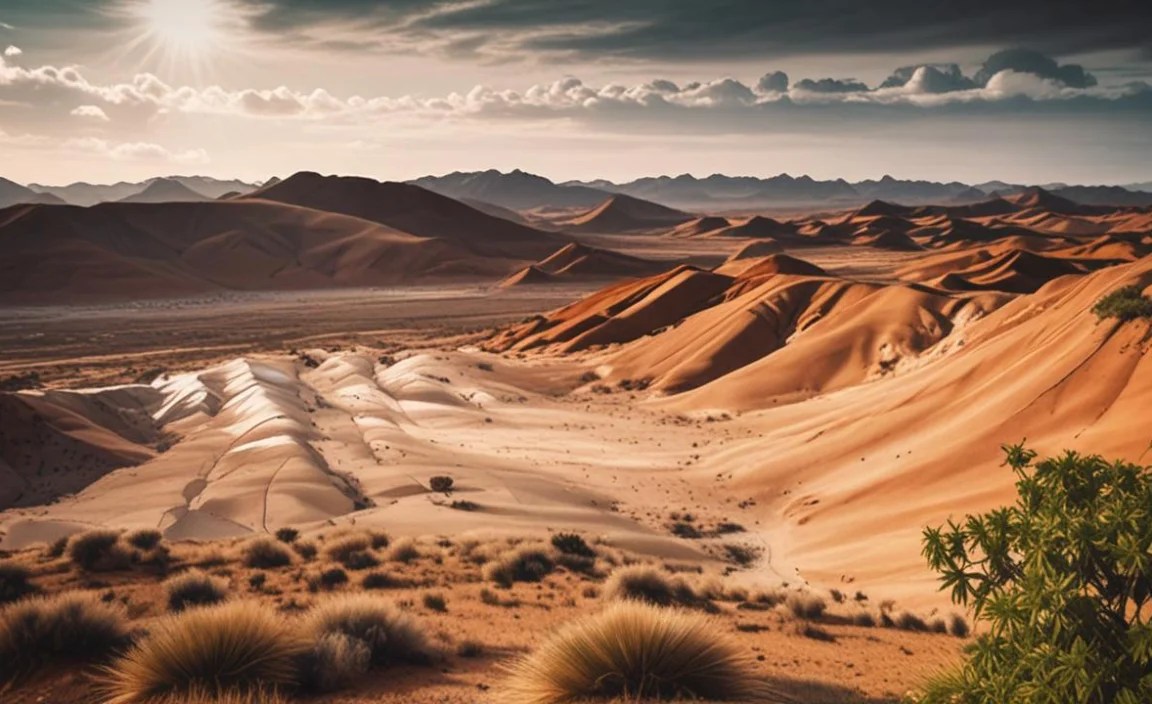
Expect to spend less than in many neighboring countries. Budget travelers can get by on $30-40 per day, while mid-range travelers might spend $60-80 per day. This generally includes accommodation, food, and local transport.
Tours are a significant expense. A 3-day/2-night Uyuni salt flat tour typically costs between $120-200 per person, depending on the tour class and inclusions.
Getting Cash:
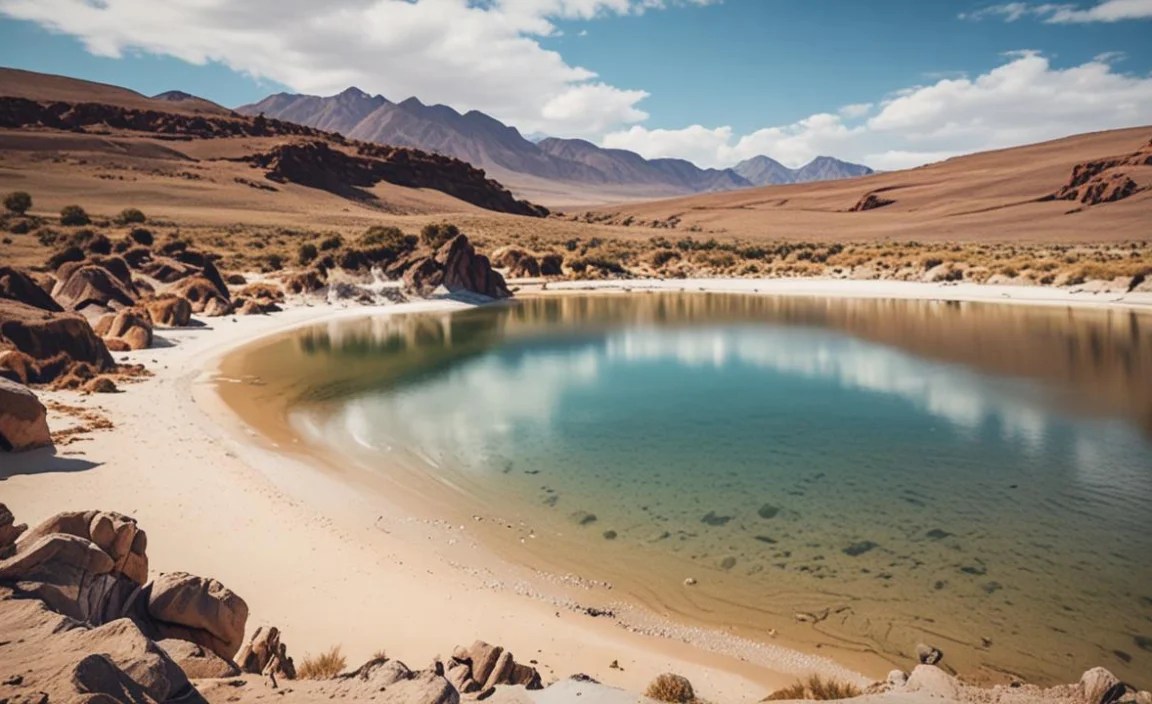
ATMs are readily available in cities and larger towns. Credit cards are accepted in larger hotels, restaurants, and tour agencies but often incur a surcharge. It’s best to carry some cash for smaller purchases, local markets, and rural areas.
Cultural Etiquette and Tips
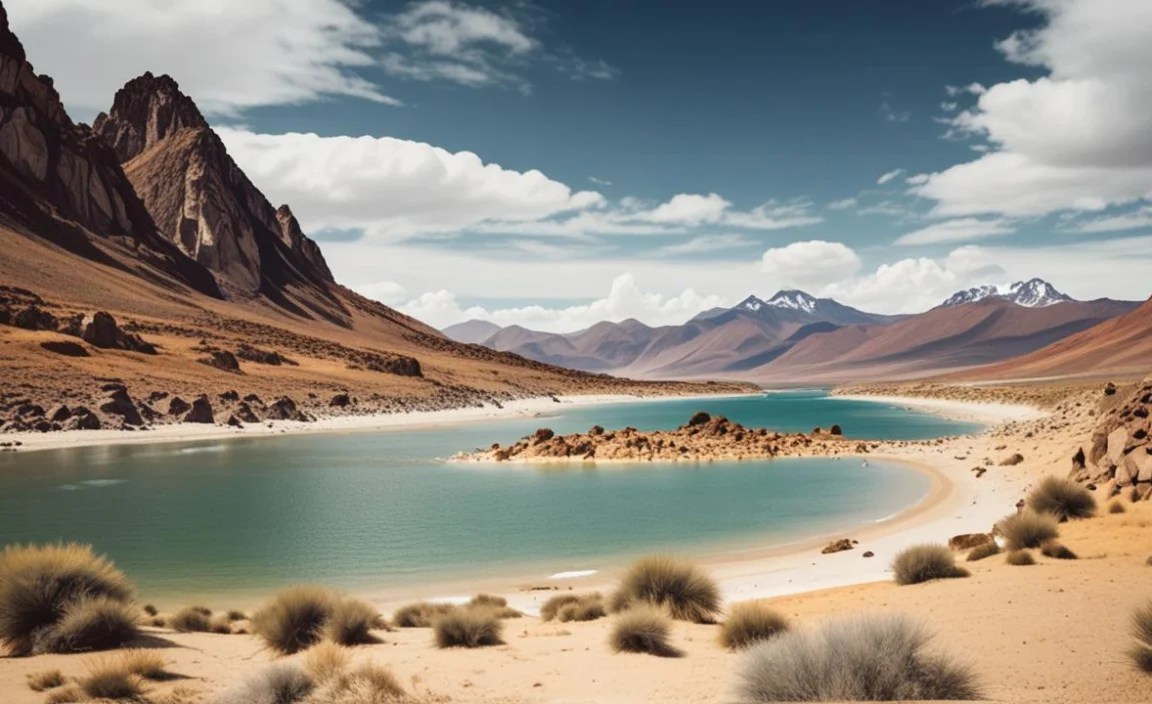
Respecting local customs will greatly enhance your interactions and experiences.
- Greetings: A handshake is common. Learn a few basic Spanish phrases – “Hola” (Hello), “Gracias” (Thank you), “Por favor” (Please), “Adiós” (Goodbye).
- Photography: Always ask permission before photographing people, especially children or at local markets.
- Bargaining: Haggling is common in markets, but do so politely and respectfully. In established shops, prices are usually fixed.
- Dress Code: While Bolivia is becoming more liberal, dressing modestly is advisable, particularly when visiting churches or rural communities. For trekking and tours, practical outdoor wear is expected.
Sample Bolivia Summer Itinerary: 10 Days
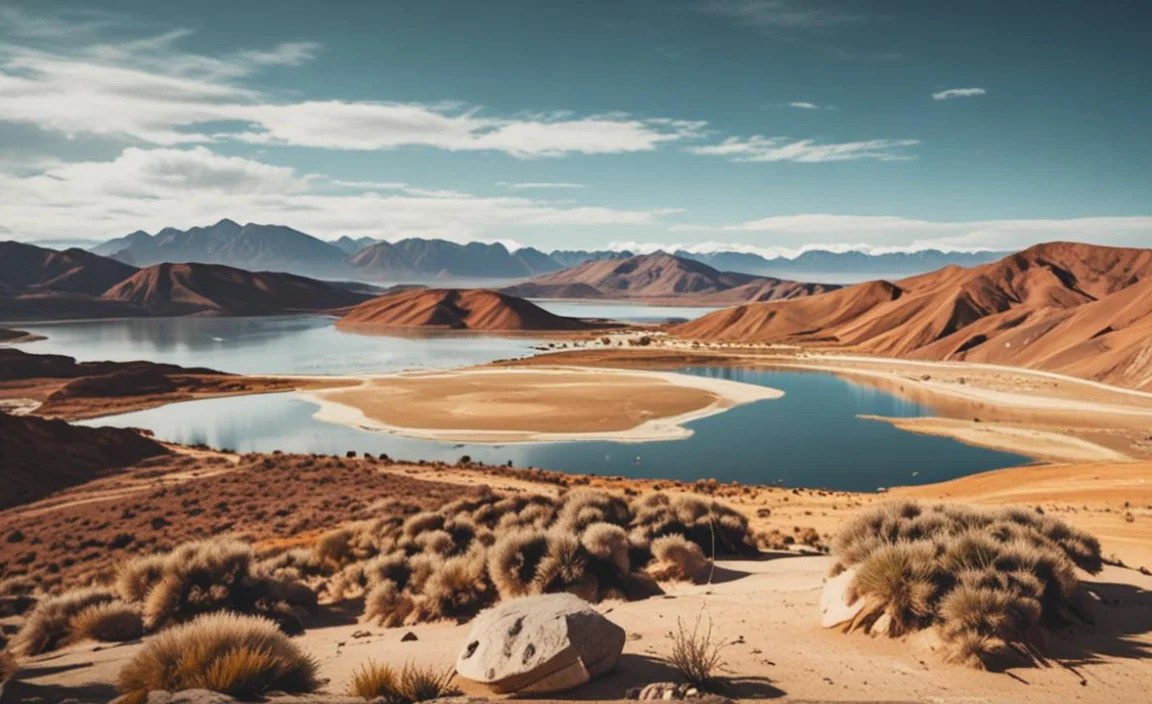
This itinerary balances iconic sights with manageable travel during the summer months. It focuses on the Altiplano and its unique offerings.
| Day | Location | Activities & Notes |
|---|---|---|
| 1 | La Paz | Arrive in El Alto (LPB), transfer to La Paz. Acclimatize. Gentle walk around your neighborhood. |
| 2 | La Paz | Explore the Witches’ Market, San Francisco Church, Jaén Street museums. Ride the Mi Teleférico (cable car system) for stunning city views. |
| 3 | La Paz | Day trip to Tiwanaku ruins or explore more of La Paz, perhaps the Valley of the Moon. |
| 4 | Uyuni | Morning flight or overnight bus to Uyuni. Settle in, explore the small town, visit the train cemetery. Prepare for your tour. |
| 5 | Salar de Uyuni Tour (Day 1) | Morning departure for 3-day tour. Visit Isla Incahuasi (if accessible), explore the salt flats, enjoy the mirror effect if conditions are right. Overnight in a salt hotel. |
| 6 | Salar de Uyuni Tour (Day 2) | Explore colorful lagoons (Laguna Colorada, Laguna Verde), geysers, hot springs, and diverse wildlife (flamingos). Overnight in a basic refuge. |
| 7 | Salar de Uyuni Tour (Day 3) | Continue exploring lagoons/landscapes. Return to Uyuni in the late afternoon. |
| 8 | Sucre | Morning bus or flight from Uyuni to Sucre (often requires changing in Oruro for bus, or flying via La Paz). Check into your accommodation. |
| 9 | Sucre | Explore Sucre’s white colonial streets, visit the ASUR Textile Museum or House of Liberty. Enjoy the city’s relaxed atmosphere. |
| 10 | Departure | Depart from Sucre (SRE) or travel to an international departure point (e.g., fly to La Paz or Santa Cruz). |
This itinerary prioritizes the Altiplano, where summer offers unique visual magic. For those who prefer warmer weather, a trip to the Amazon basin from Santa Cruz can be substituted, though be prepared for intense heat and humidity.
Alternative: Focus on the Amazon
If tropical adventures are more your style:
- Fly into Santa Cruz.
- Spend 2-3 days exploring the city and nearby attractions like the Amboro National Park.
- Take an internal flight or bus to Rurrenabaque for a 3-4 day jungle or pampas tour to see an incredible array of wildlife.
- Consider flying back to La Paz for departure.
Remember that during Bolivia’s summer, rain is a significant factor in the Amazon, leading to lush vegetation and potentially more challenging jungle treks but incredible wildlife viewing opportunities.
max-width: 150px;
}
@media screen and (max-width: 480px) {
max-width: initial;
}
;
}