Bolivia safety is achievable by being aware of common scams and taking simple precautions. Focus on secure transactions, vigilant personal belongings, and trusted transportation to enjoy a worry-free adventure.
Welcome, fellow adventurers! Planning a trip to Bolivia is exciting, and rightfully so. This South American gem offers breathtaking landscapes, vibrant cultures, and unforgettable experiences. However, like many popular destinations, it’s wise to be prepared for potential travel snags. Unfortunately, some visitors encounter scams or make common mistakes that can dampen their journey. But don’t let that deter your spirit! This guide is designed to equip you with essential Bolivia safety tips and genius scam prevention strategies. We’ll walk through easy-to-follow steps and practical advice so you can explore Bolivia with confidence and comfort. Get ready to discover how to safeguard your adventure!
Understanding Bolivia Safety: What You Need to Know

Bolivia is a country rich in culture and natural beauty, from the otherworldly Uyuni Salt Flats to the bustling markets of La Paz. Most visitors have wonderful, uneventful trips. However, being informed is your best defense against the few dishonest individuals who might try to take advantage of tourists. The primary focus for Bolivia safety is often centered around common scams and avoiding simple, avoidable mistakes that can lead to lost money or valuables. By understanding these risks, you can focus on enjoying everything Bolivia has to offer.
Common Scams in Bolivia
While not exhaustive, knowing these common tactics will boost your travel confidence. They often rely on creating a sense of urgency or confusion.
The “Broken Taxi” Scam: A taxi driver might claim their meter is broken and then charge an exorbitant fare. Sometimes, they might suggest a longer, more expensive route.
The “Fake Police” Scam: Individuals posing as police officers may try to fine you on the spot for a made-up offense, demanding cash.
The “Slighted Drink” Scam: This is a more serious scam where a drink is tampered with to incapacitate you, allowing thieves to steal your belongings. This is more common in busy nightlife areas.
The “Friendly Local” Offering Unsolicited Help: While many locals are genuinely helpful, some may offer to guide you to a shop or service, only to lead you to a place where they get a commission, inflating prices for you.
Currency Exchange Scams: Unofficial money changers might try to shortchange you or pass off counterfeit bills.
Bus Ticket Scams: Especially for long-distance travel, buying tickets from unofficial sources can lead to being sold fake tickets or being put on the wrong bus.
Common Mistakes to Avoid
Beyond outright scams, simple oversights can also lead to issues.
Not Securing Valuables: Leaving bags unattended or displaying expensive items can make you an easy target.
Drinking Tap Water: Bolivian tap water is generally not safe to drink.
Over-reliance on Public Transport at Night: While generally okay, it’s riskier when you’re tired or disoriented.
Not Learning Basic Spanish Phrases: While some people in tourist areas speak English, knowing basic phrases greatly enhances communication and safety.
Not Informing Your Bank of Travel Plans: This can lead to your cards being blocked due to suspicious activity.
Genius Scam Prevention Strategies for Bolivia

Prevention is key. By adopting a few smart habits, you can significantly reduce your risk of falling victim to scams or making costly mistakes.
1. Secure Your Valuables Like a Pro
Think of your belongings as precious cargo. Keep them close and secure, especially in crowded areas.
Use a Money Belt or Hidden Pouch: Wear this under your clothes to store your passport, extra cash, and important cards. This is a classic travel hack for a reason! Ensure it’s comfortable enough for everyday wear, especially if you are using mobility aids or need to accommodate adult diapers for extended travel days.
Day Bag Smarts: Use a backpack or messenger bag that zips securely. Keep it in front of you in crowded places like markets or on public transport. Consider anti-theft bags designed with slash-proof material.
Be Mindful of Your Phone: Your smartphone is a prime target. Avoid leaving it on restaurant tables or walking while engrossed in it.
Limit What You Carry: On any given day, only carry the cash and cards you expect to need. Leave your passport and major credit cards securely locked in your accommodation’s safe.
2. Smart Transportation Choices
Getting around Bolivia can be an adventure in itself, but choosing the right transport is vital for safety.
Official Taxis: Always try to use official, licensed taxis, especially in cities. In La Paz, look for taxis with a specific city permit number displayed. If unsure, ask your hotel or host to call one for you.
Agree on Fares Before You Travel: If a taxi doesn’t have a meter or you’re using a ride-sharing app, confirm the fare with the driver before starting your journey.
Reputable Bus Companies: For inter-city travel, book your tickets directly with reputable bus companies at the terminal or through their official websites. Avoid buying from touts. Websites like Tickets Bolivia are a popular and reliable option for booking bus tickets in advance.
“Rapiditos” and “Trufis”: These are shared minibuses that are very affordable and common. While generally safe, be aware of your surroundings and keep belongings secure. They can be confusing for beginners, so don’t hesitate to ask your driver or co-passengers for directions.
3. Cash and Currency Exchange Savvy
Money is often the focus of scams. Be smart about how you handle your cash.
Use Official Banks and Exchange Bureaus: For exchanging currency, stick to official banks or established exchange offices. Avoid street money changers.
Be Wary of Large Denominations: When receiving change, be attentive to the bills being handed to you. Counterfeit bills exist, and it’s easier to spot them if you’re paying attention to lower denominations first.
ATM Safety: Use ATMs attached to banks during daylight hours whenever possible. Cover the keypad when entering your PIN.
Carry Small Bills: Having smaller denominations of Bolivian Bolivianos (BOB) makes transactions smoother and reduces the need to break larger bills, which can sometimes attract unwanted attention.
4. Trust Your Gut – And Your Research!
Your intuition is a powerful tool. If something feels off, it probably is.
“Too Good to Be True” Offers: If someone approaches you with an unsolicited deal or a story that seems overly convenient, be skeptical.
Research Common Scams in Specific Areas: Before arriving in a new city or region, do a quick search for any local scams that are prevalent there. Websites like the U.S. Department of State’s Country Information pages for Bolivia often provide safety advisories.
Don’t Be Afraid to Say “No”: You are in control. You don’t have to accept unsolicited help or offers. A polite but firm “No, gracias” is perfectly acceptable.
5. Stay Connected and Informed
A little bit of preparation goes a long way.
Inform Your Bank: Let your bank and credit card companies know your travel dates and destinations. This prevents your cards from being flagged for suspicious activity and potentially blocked.
Emergency Contacts: Have a list of emergency numbers readily available, including your country’s embassy in Bolivia.
Travel Insurance: Always purchase comprehensive travel insurance. It can cover medical emergencies, lost luggage, and trip cancellations, providing an invaluable safety net. Consider providers that offer robust coverage for adventure activities if you plan them.
Local SIM Card: Getting a local SIM card can be cheaper for calls and data, helping you stay connected for navigation and communication without incurring high roaming charges. You can often buy these at the airport or in small shops.
Practical Tips for Comfort and Confidence on the Go

Beyond scam prevention, some practicalities can significantly enhance your comfort and safety, ensuring a smoother journey from start to finish. This is where Journey Essentials truly shines!
Packing for Preparedness
Comfortable Footwear: Essential for exploring any terrain.
Layers of Clothing: Bolivia’s climate varies greatly by altitude and region.
Sun Protection: High altitude means stronger sun. Pack sunscreen, a hat, and sunglasses.
Medications: Bring any personal medications you need, along with prescriptions. Don’t forget a basic first-aid kit.
Discreet Personal Care: For those who need them, adult or child diapers for long flights, bus journeys, or simply for added peace of mind can be a game-changer. Discreet, high-absorbency options from brands like Example Brand 1 or Example Child Diaper Brand can significantly reduce travel anxiety. Knowing you have reliable personal care items means you can focus more on the experience and less on potential discomfort or worry.
Daily Routines for Safety
Hydration: Always drink bottled or purified water. Carry a reusable water bottle and refill it with safe water.
Altitude Sickness: If traveling to high-altitude cities like La Paz, take it easy on your first day. Avoid alcohol and heavy meals. Coca leaves (tea or chews) are traditionally used to help with altitude adjustment.
Food Safety: Eat at reputable restaurants and food stalls. If food looks like it has been sitting out for a long time or isn’t cooked fresh, it’s best to avoid it.
Bolivia Safety: A Comparison of Transportation Risks

To help visualize the safety considerations, here’s a look at common transport methods in Bolivia.
| Transportation Method | Pros | Cons | Safety Tips |
|---|---|---|---|
| Official Taxis | Convenient for short distances, door-to-door service. | Can be more expensive, risk of “broken meter” scam. | Use licensed taxis, agree on fare beforehand, check meters. |
| Ride-Sharing Apps (e.g., Uber, DiDi – availability varies by city) | App-based tracking, often fixed prices, driver information. | Availability can be limited, less common in smaller towns. | Verify driver and car details match the app. |
| “Rapiditos” / “Trufis” (Minibuses) | Very affordable, frequent, good for local travel. | Can be crowded, less secure for luggage, confusing routes for beginners. | Keep valuables secure and close, observe fellow passengers, ask for directions at stops. |
| Inter-city Buses | Economical, extensive network connecting cities. | Varying safety standards, potential for scams with unofficial sellers. | Book with reputable companies, arrive early at the terminal, secure luggage. |
| Flights | Fastest way to cover long distances. | Most expensive option, limited route options in certain areas. | Book through official channels, arrive early for check-in. |
When Things Go Wrong: What to Do
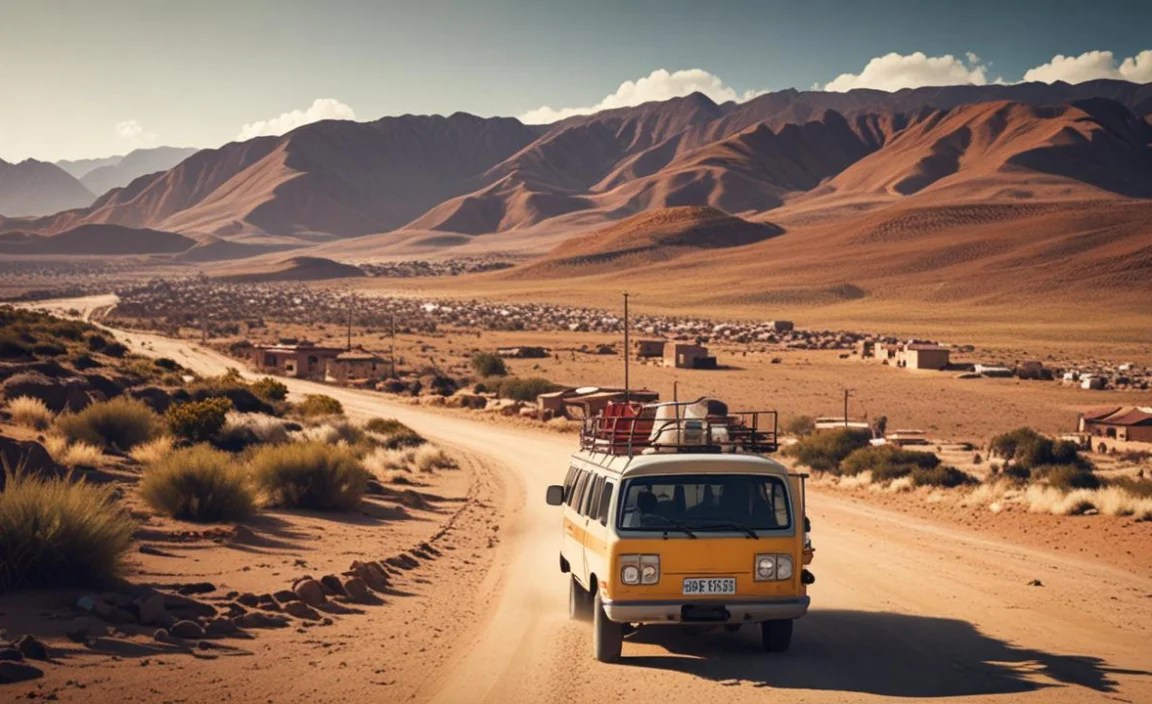
Even with the best preparation, sometimes unexpected issues arise. Knowing how to respond calmly and effectively is crucial for Bolivia safety.
If You’re a Victim of Theft:
Stay Calm: Your safety is the priority. Don’t resist if confronted by an attacker; your belongings are not worth risking your life.
Report to Police: Go to the nearest police station to file a report, especially if you need it for insurance purposes.
Contact Your Embassy/Consulate: If your passport is stolen, your embassy can assist you with emergency travel documents.
Contact Your Bank: Immediately report lost or stolen cards to prevent fraudulent use.
If You Feel Unsafe:
Remove Yourself from the Situation: Politely but firmly disengage and move to a well-lit, public area.
Seek Help: Go into a shop, restaurant, or ask a family to help you.
* Call for Assistance: If you have a local SIM, research and save emergency numbers like 911 or specific police hotlines for the area.
Frequently Asked Questions About Bolivia Safety
Is Bolivia generally safe for tourists?
Yes, Bolivia is generally safe for tourists. Millions visit each year without incident. The key is to be aware of your surroundings, take standard travel precautions to avoid petty crime, and be informed about common scams.
What is the most common scam tourists face in Bolivia?
The most common scams often involve transportation, such as unmetered taxi fares or drivers taking longer routes. Currency exchange scams and fake police “fines” are also reported.
Should I worry about drinking the water in Bolivia?
Absolutely. You should not drink tap water in Bolivia. Always opt for bottled, purified, or boiled water to avoid waterborne illnesses. This also applies to ice in drinks.
What’s the best way to carry money in Bolivia?
It’s best to use a combination of methods. Keep a small amount of cash for daily expenses in your wallet, and secure your passport, credit cards, and larger sums of money in a hidden money belt or secure pouch worn under your clothing. ATMs at reputable banks are generally safe during the day.
Do I need to speak Spanish to travel safely in Bolivia?
While it’s not strictly required, knowing basic Spanish phrases can significantly enhance your safety and experience. In tourist areas, you might find English speakers, but in smaller towns or local transport, Spanish is essential for communication. Even a few phrases can help you confirm prices or ask for directions.
Are there any safety concerns regarding food in Bolivia?
Generally, food safety is good, especially in established restaurants. However, be cautious with street food if you have a sensitive stomach. Look for vendors with high turnover and where food is cooked fresh. Avoid anything that looks like it has been sitting out for a long time.
What should I do if my passport is stolen in Bolivia?
If your passport is stolen, your first step should be to report it to the local police to get an official report. Then, contact your country’s embassy or consulate in Bolivia immediately. They will guide you through the process of obtaining an emergency travel document to return home.
Conclusion: Travel with Confidence!
By staying informed and prepared, your journey through Bolivia promises to be an enriching and unforgettable experience, free from unnecessary stress. Remember, a little bit of awareness goes a long way in navigating any travel destination safely. Prioritize securing your valuables, making smart transportation choices, and being vigilant with finances. Trust your instincts, research your destinations, and don’t hesitate to use the resources available to you, like reputable booking sites and your embassy. Embrace the adventure, soak in the incredible culture and landscapes, and know that with these Bolivia safety tips and genius scam prevention strategies, you are well-equipped for a fantastic trip. Happy travels from Journey Essentials!