Your ultimate guide to Boracay’s local markets and essential street food is here! Discover delicious and affordable Filipino flavors that will make your island trip unforgettable and truly authentic.
Welcome to Boracay! Beyond the stunning beaches and vibrant nightlife, there’s a culinary adventure waiting for you right in its local markets and along its bustling streets. For many travelers, diving into local food scenes can feel a bit daunting. Will it be safe? What should you even try? Don’t worry! This guide is your friendly roadmap to experiencing some of the most delicious and affordable eats Boracay has to offer, making your trip both tasty and stress-free. We’ll explore where to find these gems and what essential dishes you absolutely must sample. Get ready to tantalize your taste buds!
Exploring Boracay’s Market Scene: A Feast for the Senses

Boracay’s markets are more than just places to buy goods; they are vibrant hubs of local culture and delicious aromas. Visiting a local market is one of the best ways to get a true taste of the Philippines. Here, you’ll find fresh produce, local handicrafts, and, most importantly, incredible street food stalls offering authentic Filipino delights.
D’Mall: The Convenient Hub
While D’Mall is one of Boracay’s most popular and commercialized areas, it also hosts a variety of food stalls and small eateries that offer accessible local flavors. It’s a great starting point for beginners as it’s easy to navigate and offers familiar options alongside unique ones. You can find everything from fresh fruit shakes to grilled seafood and classic Filipino snacks.
D’Talipapa: The Freshest Catch
For an unparalleled seafood experience, D’Talipapa is your destination. This bustling market allows you to select your own fresh seafood – think plump prawns, lively crabs, and a variety of fish – and have it cooked to your liking at a nearby restaurant. It’s a quintessential Boracay experience that combines fresh ingredients with personalized preparation.
Other Local Haunts
Beyond the main tourist hubs, you’ll find smaller local markets scattered throughout the island’s residential areas. While these might require a bit more adventurous spirit to find and navigate, they often offer the most authentic and budget-friendly food experiences. Ask locals for recommendations for the best “palengke” (market) for a truly local flavor.
Boracay Street Food Essentials: Must-Try Delights

Street food in Boracay is an integral part of the experience. It’s affordable, delicious, and offers a quick and tasty way to sample Filipino cuisine. Here are some essential eats you shouldn’t miss:
Kinilaw: The Filipino Ceviche
Kinilaw is a refreshing dish made from raw fish marinated in vinegar, onions, ginger, and chili peppers. It’s often compared to ceviche, but the Filipino version uses a base of vinegar, giving it a distinctly tangy and zesty profile. It’s a perfect appetizer, especially on a hot day by the beach.
Isaw: Grilled Chicken Intestines
Don’t let the name put you off! Isaw is a popular Filipino street food delicacy made from grilled chicken or pork intestines. Marinated in a mixture of soy sauce, vinegar, garlic, and spices, they are grilled to perfection over charcoal, giving them a smoky and slightly chewy texture. It’s a surprisingly addictive snack!
Balut: The Adventurous Egg
Balut is a fertilized duck embryo that is boiled and eaten from the shell. It’s a challenging but rewarding experience for the adventurous eater. It is typically seasoned with salt and vinegar. While it has a strong flavor and unique texture, it’s considered a delicacy and a true test of your culinary bravery.
BBQ Skewers: Marinated Grilled Goodness
You’ll find countless stalls selling succulent BBQ skewers, typically made from pork or chicken. Marinated in a sweet and savory sauce, these are grilled to perfection, often over open charcoal. They are a staple at any Filipino gathering and a fantastic quick bite.
Kwek-Kwek and Tokneneng: Battered Fried Delights
These are hard-boiled eggs (quail eggs for Kwek-Kwek, chicken eggs for Tokneneng) that are coated in a vibrant orange batter and deep-fried. They are served with a variety of dipping sauces, from sweet to spicy vinegar. The crispy exterior and soft interior make them a delightful and colorful snack.
Puto Bumbong and Bibingka: Festive Rice Cakes
These are traditional Filipino rice cakes, often associated with the Christmas season but available in some places year-round. Puto Bumbong is a purple, steamed sticky rice cake cooked in bamboo tubes, served with butter, grated coconut, and muscovado sugar. Bibingka is a similar sweet rice cake cooked in a clay pot lined with banana leaves, often topped with salted egg and cheese.
Halo-Halo: The Ultimate Refreshment
When the heat gets intense, there’s nothing better than a refreshing Halo-Halo. This iconic Filipino dessert is a colorful mix of shaved ice, milk, sweet beans, fruits, jelly, leche flan, ube (purple yam) ice cream, and other ingredients. It’s a delightful explosion of flavors and textures in every spoonful.
Fresh Fruit Shakes
Boracay offers an abundance of fresh tropical fruits, and what better way to enjoy them than in a freshly blended shake? Mangoes, coconuts, watermelons, and more are blended with ice and sometimes a touch of condensed milk for a healthy and hydrating treat. Look for vendors using fresh, ripe fruit.
A Beginner’s Guide to Enjoying Boracay’s Local Markets and Street Food
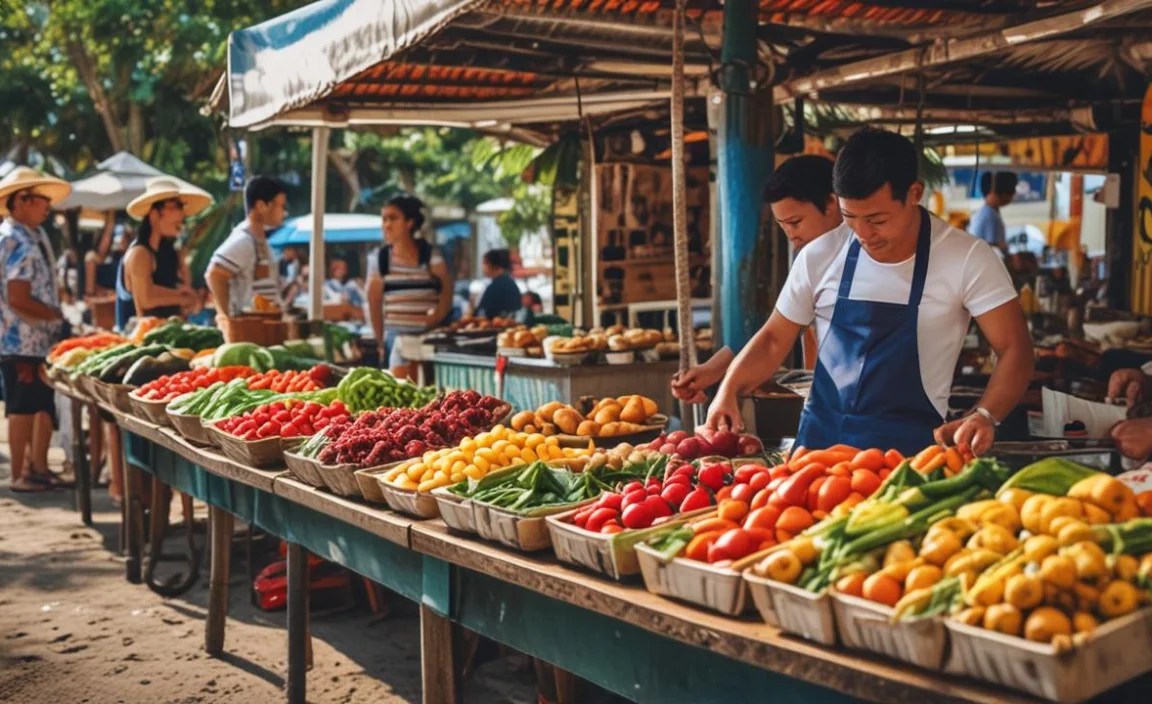
Navigating local markets and trying street food for the first time can feel intimidating, but with a few tips, it becomes an exciting adventure. For travelers, especially those with specific comfort needs or managing travel with children, prioritizing safety and cleanliness is key.
Hygiene and Safety First
Look for Busy Stalls: A steady stream of customers is usually a good sign of fresh ingredients and popular food.
Observe Food Preparation: Watch how the food is being handled. Is the vendor using tongs? Are ingredients kept clean?
Choose Cooked Food: Opt for food that is cooked fresh in front of you, especially grilled items. This minimizes the risk of foodborne illnesses.
Use Hand Sanitizer: It’s always a good idea to have hand sanitizer with you. Use it before eating, especially if you’re eating with your hands. For parents traveling with diapers for children or personal adult diaper needs, maintaining hygiene is paramount, and hand sanitizer is a great companion product.
Trust Your Gut (Literally): If something looks or smells off, it’s best to skip it. Your comfort and well-being are the priority.
Ordering Like a Local
Point and Ask: Don’t be afraid to point at what you want to order and use simple phrases like “Isa po” (One, please) or “Magkano?” (How much?).
Dipping Sauces: Most street food comes with a variety of dipping sauces. Common ones include spiced vinegar (for savory dishes), sweet chili sauce, or even ketchup. Experiment to find your favorite!
Cash is King: Most street food vendors operate on a cash-only basis. Make sure you have small bills handy.
Budget-Friendly Eating
One of the biggest draws of Boracay’s local markets and street food is the affordability. You can enjoy a truly satisfying and delicious meal for a fraction of the cost of dining in more upscale restaurants. This makes it an excellent option for budget-conscious travelers and families looking to make their travel funds stretch further.
Essential Vendors and What to Expect
When you venture into Boracay’s markets, you’ll encounter a variety of vendors. Understanding their offerings can help you make informed choices.
Seafood Vendors at D’Talipapa
Offerings: Freshly caught fish (lapu-lapu, talakitok, etc.), prawns, squid, crabs, lobsters, shellfish.
Tips: Bargain politely on prices. Inspect the seafood for freshness (clear eyes, firm flesh). Have a clear understanding of the cooking method and price before you commit.
Grill Masters
Offerings: BBQ pork, chicken, seafood skewers, isaw, pork belly.
Tips: Look for stalls with clean grills and a good selection of marinated meats. The smoky aroma is usually a good indicator of deliciousness.
Fruit and Shake Stalls
Offerings: Variety of tropical fruits (mangoes, bananas, pineapple, papaya), fresh fruit shakes, buko (young coconut) juice.
Tips: Ensure fruits are ripe and clean. Ask for your shake to be made with less sugar if you prefer.
Snack Specialists
Offerings: Kwek-kwek, tokneneng, fish balls, kikiam (processed fish cake), lumpia (spring rolls).
Tips: Observe them being cooked to ensure they are hot. Choose vendors who offer multiple dipping sauce options.
Dessert Vendors
Offerings: Halo-halo, turon (banana spring roll), ice cream, sweet sticky rice dishes.
Tips: These are perfect for a sweet ending or a midday treat. Halo-halo can be a substantial dessert, often big enough to share.
Planning Your Culinary Adventure
To make the most of your Boracay market and street food experience, a little planning goes a long way.
Best Times to Visit Markets
Morning: Many local markets (palengkes) are busiest in the early morning for fresh produce.
Evening: Street food stalls often become more active in the late afternoon and evening, especially around popular tourist areas.
What to Bring
Cash: Small denominations are best for easy transactions.
Hand Sanitizer: Essential for maintaining hygiene.
Small Bag or Reusable Pouch: The Philippines encourages reducing plastic use.
Comfortable Shoes: You’ll be doing a lot of walking.
Consider Your Travel Needs
For families traveling with young children, carrying essentials like baby wipes and diapers is crucial. Similarly, adults who require adult diapers for comfort, discretion, and confidence during long travel days or extensive excursions will find that being prepared with reliable products allows for more freedom to explore, including markets. Many high-quality adult diapers are designed for comfort and absorbency, making them ideal for active travel. Knowing you have these necessities sorted allows you to focus entirely on the sensory experience of the local food scene. Resources like National Association for Continence (NAFC) offer valuable information on bladder health and product choices for comfort and confidence during travel.
A Sample Boracay Street Food Itinerary
Here’s a possible plan to guide your tasting journey over a few days:
Day 1: Introduction to D’Mall Flavors
Lunch: Start with a refreshing fruit shake from a D’Mall stall. Try a mango or coconut shake.
Snack: Sample some Kwek-Kwek or Fish Balls from a popular vendor.
Dinner: For a more substantial meal, try some BBQ skewers or grilled seafood at one of the eateries within D’Mall.
Day 2: D’Talipapa Seafood Extravaganza
Morning/Lunch: Head to D’Talipapa. Select your fresh seafood (prawns, fish, squid). Choose a restaurant to have it grilled, steamed, or fried.
Afternoon Treat: Cool down with a classic Halo-Halo.
Day 3: Local Discoveries and Traditional Treats
Morning: If you’re up for an early start, try to find a local palengke for breakfast snacks like puto or bibingka.
Evening: Seek out an Isaw or Balut vendor for a truly local street food experience. Enjoy with a side of BBQ.
Table: Popular Boracay Street Foods & Key Characteristics
| Food Item | Description | Key Ingredients | Best Eaten With | Cost (Approx. PHP) |
| Kinilaw | Raw fish marinated in vinegar, ginger, onions, and chili. | Fish, vinegar, ginger, onion, chili | Rice, as an appetizer | 150-300 |
| Isaw | Grilled chicken or pork intestines, marinated and skewered. | Intestines, soy sauce, vinegar, garlic | Spicy vinegar, chili sauce | 20-50 per skewer |
| Balut | Fertilized duck embryo, boiled. | Duck embryo, salt, vinegar | Salt, spiced vinegar | 20-50 per egg |
| BBQ Skewers | Marinated pork or chicken skewers, grilled over charcoal. | Pork/chicken, soy sauce, sugar, garlic | Spicy vinegar, rice | 30-80 per skewer |
| Kwek-Kwek | Quail eggs coated in orange batter and deep-fried. | Quail eggs, orange batter, deep-fried | Spicy vinegar, sweet chili sauce | 10-20 per piece |
| Halo-Halo | Shaved ice, milk, sweet beans, fruits, leche flan, ube ice cream, etc. | Ice, milk, assorted sweets | As a dessert | 100-250 |
| Fruit Shakes**| Blended fresh tropical fruits with ice. | Mango, coconut, watermelon, etc., ice | As a refreshing drink | 80-150 |
Note: Prices are approximate and can vary based on vendor and season.*
FAQs about Boracay Local Markets & Street Food
Where is the best place to find authentic street food in Boracay?
While D’Mall has accessible options, for a more authentic experience, explore the areas around D’Talipapa, or ask locals for recommendations for smaller, less touristy markets and food stalls. The main stretches of White Beach also have many vendors in the evenings.
Is Boracay street food safe to eat?
Generally, yes. The key is to choose busy stalls with high turnover, observe food preparation and hygiene practices, and opt for freshly cooked items. If you have a sensitive stomach, start with simpler options like fruit shakes or grilled items.
What is the most famous street food in Boracay?
Halo-Halo is arguably the most famous Filipino dessert and a must-try in Boracay. For savory items, BBQ skewers and Isaw are very popular and iconic street food finds.
How much money should I budget for street food?
Street food is very affordable. You can have several snacks and a light meal for around 300-500 PHP per person. A full seafood meal at D’Talipapa cooked to your liking might cost 600-1000 PHP depending on what you choose and how many people you are feeding.
Can I find vegetarian options in Boracay’s local markets?
Vegetarian options can be limited, but you can often find fruit shakes, some vegetable-based snacks (like certain types of lumpias if they don’t contain meat), and rice. Some stalls might offer grilled corn. It’s always best to ask.
What should I do if I have dietary restrictions or allergies?
Communicate your needs clearly. While language can sometimes be a barrier, pointing to ingredients or using translation apps can help. For severe allergies, it’s safer to stick to simpler, individually prepared items or dine at restaurants with clear ingredient labeling.
What’s the best way to try a variety of street foods without overeating?
Go with a group and share! This allows you to sample more items. Alternatively, order smaller portions and space out your tasting over different times of the day or across multiple visits.
Conclusion
Embarking on a culinary journey through Boracay’s local markets and street food scene is an essential part of experiencing the island’s true spirit. From the vibrant chaos of D’Talipapa to the tantalizing aromas wafting from street-side grills, there’s a world of authentic flavors waiting to be discovered. By following these tips on hygiene, popular dishes, and local customs, you can confidently dive in and savor every bite. Remember, travel is about immersing yourself in the culture, and what better way to do that than through its delicious food? So, pack your sense of adventure, enjoy the fresh air, and let your taste buds lead the way to an unforgettable tropical feast. Safe travels and happy eating!