Botswana accessible travel guide: Explore the Okavango Delta and beyond with confidence! This guide offers essential tips for wheelchair users, travelers with mobility challenges, and anyone seeking comfortable, hassle-free adventures in Botswana. Discover accessible accommodations, reliable transport options, and practical advice for a memorable safari experience.
Botswana, a gem in Southern Africa, promises unforgettable wildlife encounters and stunning landscapes. Planning a trip there, especially with accessibility needs, might seem a bit daunting. But worry not! With the right information, your Botswana adventure can be as comfortable and exciting as you dream it to be. Many travelers face challenges in finding clear, reliable information on accessibility for destinations far from home. This guide is designed to bridge that gap, offering practical, real-world advice to make your journey smoother. We’ll walk you through essential tips, from choosing the right accommodation to navigating the incredible national parks. Get ready to experience the magic of Botswana with ease!
Botswana Accessible Travel Guide: Essential Tips for a Seamless Safari

Welcome to your ultimate guide for exploring the wonders of Botswana with confidence and comfort! As Michael C. Herrera from Journey Essentials, I know how important it is to have practical, reliable information when planning your travels, ensuring every trip is a joy, not a chore. Botswana, with its vast wilderness and incredible wildlife, offers an experience like no other. This guide is designed to help you navigate the nuances of accessible travel in this breathtaking country, ensuring your safari is memorable for all the right reasons.
We’ll cover everything from finding suitable accommodations and transportation to packing essentials and navigating the unique safari experience. Whether you’re using a wheelchair, have mobility challenges, or simply want to ensure a comfortable journey, these tips are crafted for you. Get ready to discover how to make your Botswana adventure accessible and extraordinary!
Understanding Accessibility in Botswana
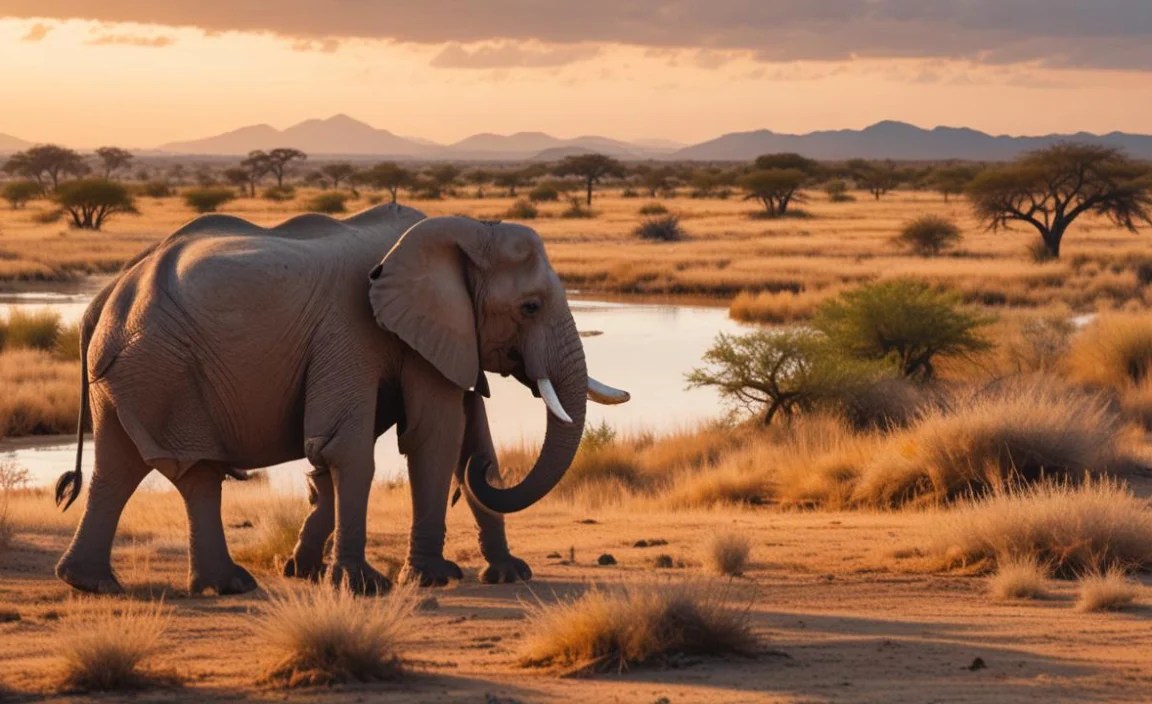
Botswana is renowned for its pristine natural beauty and commitment to conservation, particularly through its low-impact tourism model. This approach often means that infrastructure, while comfortable, can be less overtly modernized than in some other destinations. When planning an accessible trip to Botswana, it’s essential to have realistic expectations and to conduct thorough research about specific lodges, camps, and tour operators.
The concept of accessibility is still evolving in many parts of Africa, and while progress is being made, not all establishments are equipped to cater to every specific need. The good news is that many safari lodges, especially those catering to an international clientele, are increasingly investing in accessible facilities. Communication is your most powerful tool: contact your chosen providers directly, ask detailed questions, and be clear about your requirements.
Choosing Accessible Accommodation
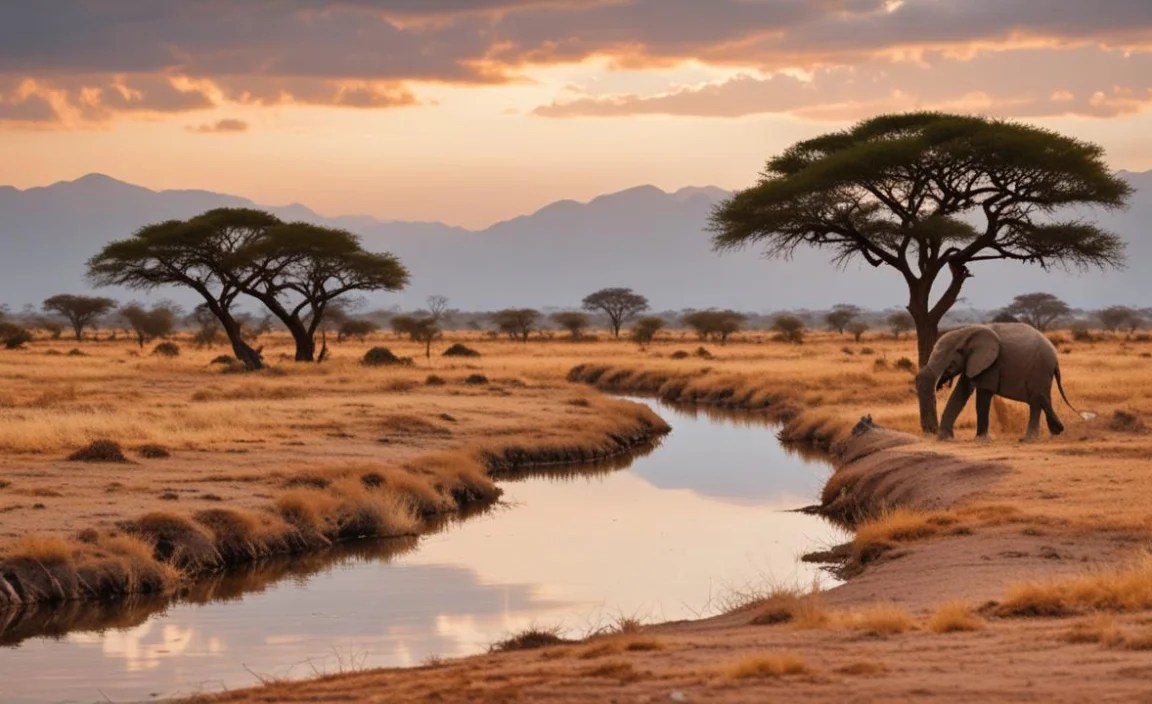
Your accommodation is your base, so finding the right accessible lodging is paramount. The type of lodge or camp you choose will significantly impact your experience.
Types of Lodges and Accessibility Considerations:
- Luxury Safari Lodges: Many high-end lodges are your best bet for accessibility. They often feature modern constructions, dedicated accessible rooms, ramps, roll-in showers, and trained staff ready to assist. These lodges are usually located in private concessions, offering a more intimate safari experience.
- Mobile Safaris: These are tented camps that move locations. Accessibility can be challenging here, as tents are often set up on sandy ground, and pathways might be uneven. Some operators may be able to adapt, but it requires extensive pre-planning and clear communication.
- Community Camps: These camps are often more basic and may have fewer accessibility features. However, their management is sometimes more flexible and willing to make adjustments if informed well in advance.
Key Questions to Ask Potential Accommodations:
When you contact a lodge or hotel, don’t hesitate to ask specific questions:
- Do you have accessible rooms? What specific features do they include (e.g., roll-in shower, grab bars, extra space)?
- Are there ramps or is the terrain level between the room, dining areas, and common spaces?
- Are game drive vehicles accessible (e.g., do they have lifts or can they accommodate a wheelchair)?
- Can your staff provide assistance with specific tasks if needed?
- Are there accessible paths to viewing decks or other facilities?
Remember, knowing the exact measurements of doorways, bathroom layouts, and ramp gradients can be helpful if you have very specific needs. Resources like Access Travel can offer general advice on what to look for when assessing accommodation accessibility, though they may not have specific Botswana listings.
Accessible Transportation in Botswana

Getting around Botswana, especially to and within national parks, requires careful planning. The primary modes of transport for wildlife viewing are safari vehicles, and for longer distances, potentially light aircraft or private vehicles.
Safari Vehicles: The Game Drive Experience
Standard safari vehicles are typically open top or closed 4x4s. For wheelchair users or those with significant mobility issues, a specially adapted vehicle is essential. These are not always standard and must be requested in advance from tour operators or lodges.
- Adapted 4x4s: Some operators have vehicles with hydraulic lifts or ramps to assist with boarding. The interior may be configured to safely accommodate wheelchairs.
- Wheelchair Space: Ensure the vehicle has enough secure space for your wheelchair if you plan to remain in it during the drive.
- Assistance: Confirm if the guide is trained to assist with boarding and disembarking.
Inter-Camp and Inter-Town Travel:
Moving between locations can be done via several methods, each with its own accessibility considerations:
- Chartered Vehicles: Many tour operators can arrange private, accessible vehicles for transfers between airports, lodges, and towns. This offers the most flexibility.
- Light Aircraft: Botswana’s safari circuit often relies on small aircraft for transfers between remote lodges. While the aircraft themselves have very tight cabins, ground handlers at airfields are usually prepared to assist passengers with mobility issues, often by carrying them onto the plane. Clear communication with the charter company and your lodge is vital.
- Public Transport: This is generally not a viable or accessible option for tourists, especially those with accessibility needs, due to limited infrastructure and accessibility.
It’s advisable to work with a reputable tour operator specializing in accessible travel. They can handle the complex logistics of booking accessible vehicles and liaising with lodges.
Essential Packing for Accessible Travel in Botswana
Packing smart is key to comfort and convenience, especially when managing specific needs.
Clothing:
- Lightweight, Breathable Fabrics: Cotton and linen are excellent for the heat.
- Neutral Colors: Khaki, beige, olive green, and brown are best for game drives to blend in with the environment. Avoid bright colors.
- Layers: Evenings and early mornings can be surprisingly cool, especially during winter (May-August). Pack a fleece or light jacket.
- Comfortable Footwear: Easy-to-wear shoes are essential, even if you are not walking long distances.
- Sun Protection: A wide-brimmed hat, sunglasses, and high-SPF sunscreen are non-negotiable.
Health and Personal Care:
This is where careful planning ensures stress-free travel. For adults and children who use diapers or other incontinence products, ensuring you have an adequate supply is crucial, as these may be difficult to find locally, especially specific brands.
- Incontinence Products: Pack more than you think you’ll need. Consider options like adult diapers, booster pads, or specialized clothing for reliable protection during long days out or travel. Brands specializing in discreet and comfortable options for travel, such as those found from reputable online retailers, can be a lifesaver.
- Medications: Carry all prescription medications in their original packaging, along with a doctor’s note. Keep them in your carry-on luggage.
- First-Aid Kit: A well-stocked kit, including any personal essentials, is always a good idea.
- Hand Sanitizer and Wipes: Essential for hygiene, especially in remote areas.
Mobility Aids and Accessories:
- Lightweight Wheelchair or Mobility Scooter: If you use one, ensure it is suitable for sandy and uneven terrain. Consider a lighter, more robust model if possible.
- Repair Kit: For wheelchairs or mobility devices, a small repair kit can prevent minor issues from becoming major problems.
- Comfort Cushion: Especially important for long game drives or vehicle transfers.
Other Essentials:
- Camera and Binoculars: To capture memories and enhance wildlife viewing.
- Power Bank: For keeping devices charged, as power sources might be intermittent.
- Adapter: Botswana uses Type D and Type G electrical plugs.
Navigating National Parks and Game Drives
Botswana’s national parks, such as Chobe and Moremi, are the heart of the safari experience. Here’s how to make game drives accessible and enjoyable.
Pre-Booking is Key:
Always inform your lodge or tour operator well in advance that you require an accessible vehicle for game drives. This allows them to make the necessary arrangements.
During the Game Drive:
- Comfort: Ensure your seating or wheelchair position is secure. Inform your guide of any comfort needs.
- Hydration: Drink plenty of water. Guides usually provide water, but having your own is wise.
- Photography: Position yourself for the best views. If you have specific mobility challenges that affect your ability to hold a camera steady, consider a beanbag or tripod adaptable for vehicle use.
- Wildlife Etiquette: Maintain a safe distance from animals. Follow the guide’s instructions implicitly.
Accessibility Within Parks:
Restroom facilities within national parks can be rudimentary and often not accessible. Plan accordingly by using facilities at a lodge before departing and consider carrying a portable commode chair or absorbent products if needed.
Tips for Managing Personal Care Needs
For travelers who use adult diapers or require other personal care assistance, proactive planning is essential to ensure comfort and dignity throughout the trip.
- Adequate Supply: As mentioned, pack a generous supply of diapers, pads, and any related items (like disposable bags for discreet disposal). Factor in potential delays or unexpected changes to your itinerary. Travel-sized packs or discreetly portioned supplies can be helpful.
- Disposal: Be prepared for disposal challenges. While lodges can usually assist with this, it’s good to have sealed plastic bags for temporary storage if needed between opportunities for proper disposal.
- Skin Care: Travel can sometimes exacerbate skin sensitivities. Consider bringing barrier creams or specialized skin-care products to maintain skin integrity, especially if you are in and out of vehicles and exposed to different climates.
- Communication: If you require assistance with personal care, discuss this discreetly with your tour operator or lodge beforehand. Some operators may be able to arrange for trained caregivers, though this is a specialized service and requires significant lead time and cost.
Exploring Beyond Game Drives
Botswana offers more than just road-based safaris. The Okavango Delta and the Zambezi River region provide unique experiences, and efforts are often made to make these accessible.
Okavango Delta – Mokoro and Boat Safaris:
A mokoro is a traditional dugout canoe, propelled by a poler. While usually a very low-slung experience, some operators might be able to use wider, more stable boats for guided excursions if pre-arranged. Boat safaris on wider channels, like those in Chobe National Park, are often more accessible, with larger vessels that may have ramp access or a flatter deck. Always confirm the specific boat and boarding procedures.
Walking Safaris:
These are generally only suitable for those with good mobility, as they involve walking in wild environments. However, some lodges might offer very short, guided nature walks on accessible pathways near the lodge itself. Inquire directly about what is feasible.
Chobe Riverfront and Sunset Cruises:
The Chobe Riverfront is exceptionally known for its elephant herds. River cruises here are often conducted on larger boats that can be more accessible than mokoros, offering a fantastic vantage point for wildlife viewing from the water. Confirm boarding procedures.
Responsible and Accessible Tourism
Botswana is a pioneer in sustainable tourism. Traveling responsibly means respecting the environment and local communities.
- Support Local: Where possible, purchase crafts from local artisans.
- Minimize Impact: Stay on designated paths and follow wildlife viewing guidelines rigorously.
- Respect Wildlife: Never feed animals or leave any litter behind.
- Conserve Resources: Water and electricity can be precious resources in remote areas. Be mindful of your usage.
By traveling responsibly, you contribute to the preservation of Botswana’s incredible natural heritage for future generations.
When to Visit Botswana
The best time to visit Botswana depends on what you wish to see and experience, and how it aligns with accessibility planning.
Dry Season (May to October):
- Pros: Cooler temperatures, clear skies, vegetation thins out making wildlife spotting easier. Animals congregate around permanent water sources. Ideal for traditional safari activities.
- Cons: Can be busy, roads are sandy and can be challenging for some mobility devices. Mornings and evenings get quite cold.
Wet Season (November to April):
- Pros: Lush landscapes, abundant birdlife, migratory birds arrive, baby animals are born. Generally lower prices and fewer crowds.
- Cons: Hot and humid, heat can be intense. Heavy rains can make some areas impassable, affecting road access and potentially limiting certain activities. Vegetation is dense, making spotting animals harder.
For accessible travel, the dry season often presents fewer logistical challenges due to more stable weather and road conditions, though the sandy terrain remains a consistent factor to consider.
Sample Itinerary Considerations (Hypothetical & Adaptable)
Here’s a glimpse of how an accessible Botswana trip could be structured, focusing on key accessible hubs:
| Day | Location | Activity | Accessibility Notes |
|---|---|---|---|
| 1-2 | Victoria Falls (Zimbabwe/Zambia borders) | Explore the Falls (accessible paths available on Zim side), Devil’s Pool (Zambia, requires very good mobility), sunset cruise on Zambezi | Zimbabwe side of falls has accessible pathways with ramps. Lodges in Victoria Falls town are well-equipped. Zambezi cruises often use accessible boats. |
| 3-4 | Kasane (Chobe National Park) | Chobe River boat cruise |
Frequently Asked Questions About Accessible Travel in Botswana
Here are some common questions travelers have about exploring Botswana with accessibility needs:
Q1: Are safari lodges in Botswana generally accessible?
While accessibility is improving, it varies greatly. Some newer or recently renovated lodges are designed with accessibility in mind, featuring ramps, accessible bathrooms, and wider doorways. Older, more rustic camps might have limitations due to their natural setting and traditional construction. It’s crucial to research specific lodges and communicate your needs directly to them well in advance of booking.
Q2: What are the best modes of transport for accessible travel in Botswana?
For accessible travel, especially for reaching game drives, specially adapted safari vehicles are the most practical option. These vehicles often have ramps or lifts and secure spaces for wheelchairs. For longer distances between locations, chartered accessible vehicles or light aircraft with careful planning can be used. Public transport is generally not accessible.
Q3: Can I bring my own mobility aids or medical supplies?
Yes, you absolutely can. It’s advisable to bring your own specialized mobility aids (like lightweight wheelchairs or walkers) as rental options might be limited or unavailable. Similarly, bring an adequate supply of any necessary medical items, including adult or child diapers, medication, and personal care items. Ensure these are packed according to airline regulations.
Q4: What about accessible restrooms and facilities outside of lodges?
Facilities can be very limited outside of major towns and well-equipped lodges. Public restrooms in national parks or rest stops might not be accessible. Planning is key: use accessible facilities at your accommodation before embarking on excursions, carry portable aids if needed, and use restrooms when you find accessible ones.
Q5: How should I prepare for the terrain and weather in Botswana?
Botswana’s terrain can be sandy and uneven, especially in national parks. Choose mobility aids that can navigate these conditions. For clothing, pack light, breathable fabrics for the heat, but also layers for cooler mornings and evenings, especially during winter months (May-August). Sun protection is vital year-round.
Q6: What is the best time of year for accessible travel in Botswana?
The dry season (May to October) is generally preferred for safaris as wildlife congregates around water sources, and the weather is cooler and less humid. Roads can still be sandy, but water levels in the Okavango Delta are higher, which can be beneficial for boat-based activities if accessible. The wet season (November to April) brings lush vegetation and newborn animals but can also mean higher temperatures and more challenging travel conditions due to rain.