Summary: Discover Botswana’s unique neighborhoods! This guide offers a beginner-friendly overview of key areas, helping you find the perfect spot for safaris, cultural experiences, or urban exploration. Get ready for an unforgettable adventure in Southern Africa.
Botswana. The mere mention conjures images of endless plains, magnificent wildlife, and vast, untouched landscapes. But beyond the celebrated national parks and reserves lies a tapestry of communities, each with its own character and charm. For the first-time visitor, understanding these different “neighborhoods”—whether it’s an urban hub like Gaborone, a gateway town to the Okavango Delta, or a village nestled near a wildlife corridor—is key to unlocking a richer, more authentic Botswana experience.
Navigating this can feel overwhelming, but with a little insider knowledge, you can make informed choices that align with your travel dreams. This guide is your friendly roadmap, designed to demystify Botswana’s diverse locales and help you discover your perfect base. Get ready to explore the heart of this beautiful nation, from vibrant city life to the serene tranquility of areas bordering its world-renowned wildlife.
Why Understanding Botswana’s Neighborhoods Matters

When you think of Botswana, wildlife safaris likely come to mind first. And rightly so! Places like the Okavango Delta, Chobe National Park, and the Central Kalahari Game Reserve are world-class destinations that draw millions. However, Botswana is more than just its wildlife hotspots. It’s a nation with diverse towns, villages, and cultural centers, each offering a distinct perspective.
Choosing where to stay, even for a short trip, significantly impacts your overall experience. Are you looking for bustling markets and city amenities? Easy access to game drives? A quiet village to immerse yourself in local culture? Understanding the nuances of different areas will help you tailor your trip, saving you precious travel time and ensuring you’re positioned for the experiences you crave. Think of it as picking the right neighborhood in your own city – it defines your daily rhythm and the opportunities at your doorstep.
Gaborone: The Capital City Experience
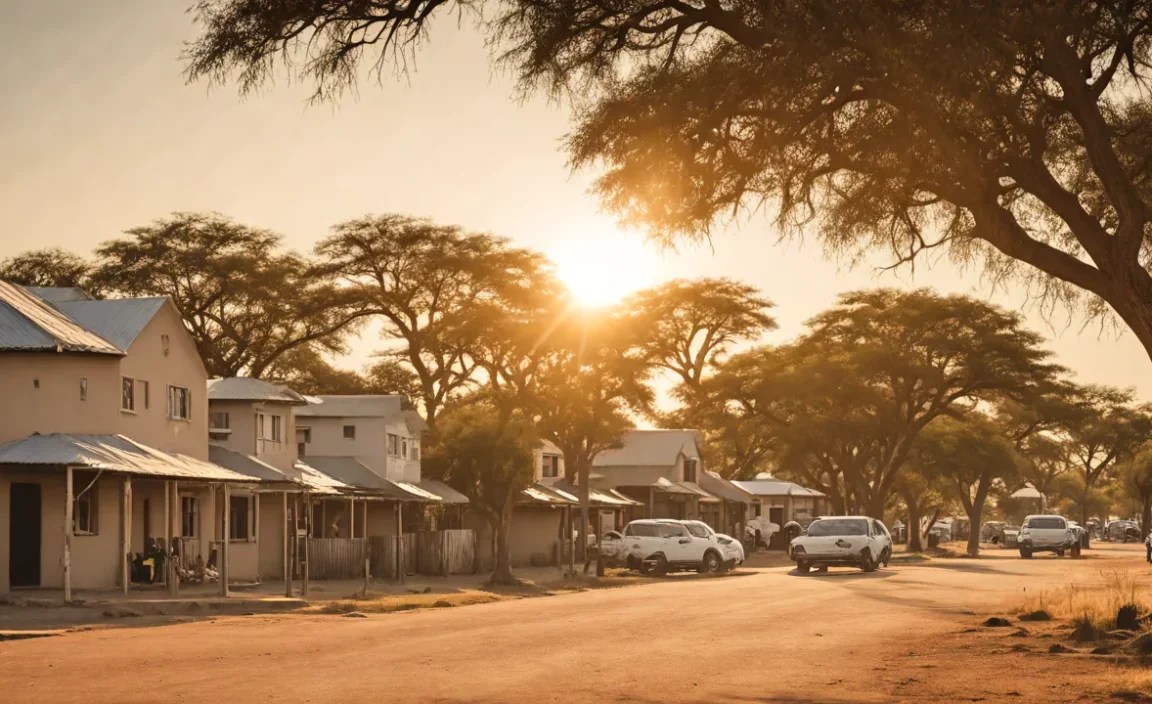
Gaborone, often affectionately called “Gabs,” is Botswana’s vibrant capital and largest urban center. It’s the beating heart of the nation, a modern city that beautifully balances administrative functions with a growing cultural and economic scene. For travelers, Gaborone offers a taste of contemporary Botswana, a stark contrast to the wilderness experiences many come for, but an essential part of understanding the country.
What to Expect in Gaborone
Gaborone is a well-planned city with a grid system, making it relatively easy to navigate. You’ll find modern infrastructure, international-standard hotels, diverse dining options, and shopping malls. It’s the administrative and commercial hub, so expect a lively atmosphere, especially during weekdays.
Key Gaborone Neighborhoods and Areas of Interest
Central Business District (CBD): This is the modern core, teeming with offices, banks, and government buildings. It’s also where you’ll find larger hotels and conference facilities.
Broadhurst: A large residential and commercial area, Broadhurst offers a glimpse into everyday Gaborone life. It has numerous smaller businesses, local eateries, and is a good place to experience a more local vibe.
The Village: An older, more established area, The Village has a more relaxed feel. It’s home to some of Gaborone’s original residences, charming cafes, and the iconic Three Chiefs’ statues.
Phakalane & Riverwalk Area: These are more upscale residential and commercial developments, featuring modern housing complexes, shopping centers, and entertainment venues. Riverwalk Shopping Centre is a popular spot for both locals and visitors.
Getting Around Gaborone
Taxis are readily available and a convenient way to get around the city. For more flexibility, you can rent a car, though traffic can be heavier during peak hours. Many hotels can assist with transportation arrangements.
Comfort & Convenience for Travelers
For travelers who might require specific personal care items, Gaborone’s larger pharmacies and supermarkets in areas like the CBD and Riverwalk offer a good selection. You can typically find essentials, and larger stores might carry a wider range of products. For those planning longer road trips or needing discreet supplies, Gaborone’s established stores are a reliable source before heading into more remote areas.
Maun: Gateway to the Okavango Delta

Maun is the undisputed adventure capital of Botswana and the primary gateway to the mesmerizing Okavango Delta, a UNESCO World Heritage Site. This bustling town on the Thamalakane River isn’t just a transit point; it’s a vibrant frontier town with a unique character shaped by its proximity to one of the world’s most magnificent inland deltas.
The Maun Vibe
Maun is dynamic and busy, filled with safari operators, lodges, safari vehicle hire companies, and a constant flow of travelers preparing for their delta adventures. You’ll see a mix of modern amenities and more traditional elements, reflecting its role as a hub connecting the wilderness to the outside world. It’s dusty, it’s lively, and it’s the starting point for dreams of mokoro rides and elephant sightings.
Navigating Maun
The town is centered around a main road and a few key intersections. You’ll find the airport, essential services, and most safari company offices. While it’s spread out, essential services are concentrated.
Essential Services and Amenities
Airport (Maun International Airport – MUB): This is your entry and exit point for flights into and out of the Delta and other safari areas.
Safari Lodges & Camps: While many are located in the Delta itself, Maun has numerous offices and booking centers for these operations.
Supplies & Gear: Maun has supermarkets and outfitters where you can purchase last-minute supplies, from snacks to basic camping gear.
Medical Facilities: There are clinics and a hospital in Maun, equipped to handle common travel ailments.
Practical Considerations for Travelers
For travelers who need to manage personal care needs, Maun’s larger shops and pharmacies are important stops. You might find a selection of incontinence products, but variety can be limited compared to Gaborone. It’s often advisable to pack a sufficient supply of adult or child diapers for your safari duration, as they are unlikely to be readily available in remote lodges or camps. Ensure you pack them in a way that is easy to access and keeps them dry, using waterproof bags if necessary to protect them from humidity or unexpected spills.
Kasane: Chobe’s Riverside Charm
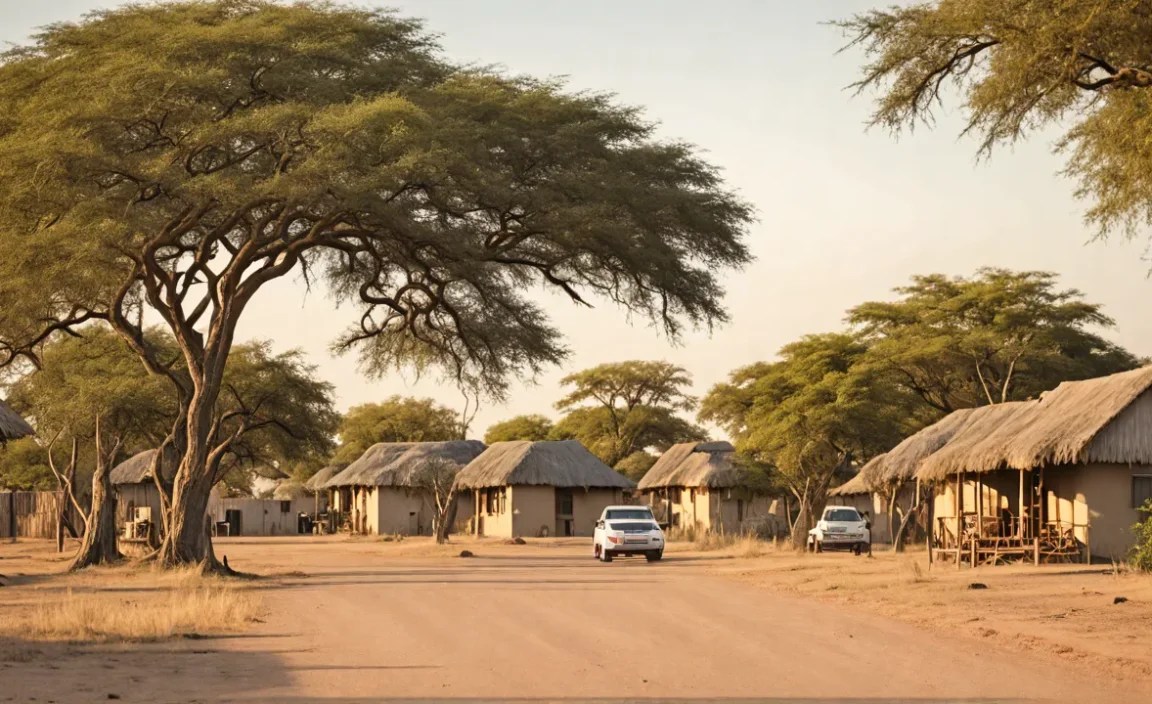
Kasane is the gateway to Chobe National Park, renowned for its massive elephant herds and spectacular riverfront. Located at the northeastern tip of Botswana, where the borders of Botswana, Namibia, Zimbabwe, and Zambia converge, Kasane offers a unique blend of wildlife proximity and a relaxed, riverside ambiance.
What Makes Kasane Special
Life in Kasane revolves around the Chobe River and the abundant wildlife that calls the park home. The town itself is relatively small and spread out, with a pace of life that’s much slower than Gaborone. You’ll find lodges and campsites nestled along the river, offering stunning views and easy access to the park’s main attractions.
Key Aspects of Kasane
Proximity to Chobe National Park: The park’s riverfront area and Sedudu Gate are just minutes away, making early morning game drives incredibly convenient.
Chobe River Frontage: Many accommodations and activities are centered around the river, offering opportunities for boat safaris, which are a highlight for many visitors.
Border Crossing Point: Kasane is a gateway for travelers moving between Botswana, Namibia (especially via the Impalila Island ferry), Zimbabwe (Victoria Falls is a short drive away), and Zambia.
Activities and Attractions
Chobe River Boat Safaris: Arguably the signature activity, offering unparalleled wildlife viewing from the water.
Game Drives: Explore the Chobe Riverfront section of the park, famous for its elephant populations.
Fishing: The Chobe River is also known for its sport fishing.
Day Trips to Victoria Falls: A popular excursion for many staying in Kasane.
Packing and Preparation in Kasane
For travelers with specific needs, similar to Maun, Kasane has essential shops and pharmacies. However, the selection for specialized items like adult or child diapers may be limited due to its smaller size and focus on tourism. It is highly recommended to pack ample supplies from a larger city before arriving in Kasane, ensuring you have what you need for a comfortable and worry-free safari experience. Consider discreet, travel-friendly packaging to manage these items within your luggage.
Francistown: Botswana’s Second City and Industrial Hub

Francistown is Botswana’s second-largest city and a significant hub in the north. Historically a gold-mining town, it has evolved into an important commercial, industrial, and transport center. While not a primary safari destination itself, Francistown serves as a crucial stopover for travelers heading to or from the Makgadikgadi Pans, the Okavango Delta, or other northern destinations.
The Character of Francistown
Francistown has a more industrial and commercial feel than Gaborone. It’s a busy city with a strong local population, offering a different perspective on Botswana’s urban life. You’ll find a range of amenities, including hotels, restaurants, shops, and transport services.
Key Features of Francistown
Transport Hub: It’s a major railway and road junction, making it an excellent place to access different parts of the country.
Commercial Activity: The city is a center for trade and services for the surrounding region.
Access to Northern Destinations: It’s a convenient staging point for trips to Sua Pan, the gateway to the vast Makgadikgadi salt pans.
Services for Travelers
Francistown offers more extensive shopping and service facilities than the smaller safari towns. Larger supermarkets and pharmacies can likely stock a broader range of personal care items. If you need to replenish supplies of adult or child diapers, Francistown is a more reliable option than Maun or Kasane for finding a wider selection.
Exploring Bush Villages and Remote Areas
Beyond the towns and cities lie Botswana’s numerous villages and remote settlements. These are places where traditional life often continues alongside modern influences, offering a profoundly authentic cultural experience. Staying in or near these areas requires a different approach to travel planning.
What to Expect in Villages
Cultural Immersion: Villages offer direct interaction with local communities, their customs, and daily life.
Simplicity: Amenities are generally basic. Expect guest houses or community-run lodges rather than luxury hotels.
Peace and Quiet: The pace of life is slow, offering a true escape from the hustle and bustle.
Wildlife Encounters: Many villages are located on the fringes of wildlife areas, meaning you might encounter animals closer than you’d expect.
Examples of Village Experiences
Kalahari Villages: Communities like D’kar and D’Okapuka offer insights into San Bushmen culture and traditions.
Okavango Fringe Villages: Settlements near the Delta provide a glimpse into life sustained by the river.
Practicalities for Remote Stays
When visiting villages or very remote areas, self-sufficiency is key. Pack extra supplies of everything you might need, including any specific comfort items. Pharmacies or shops will be non-existent or very limited. This is where meticulous packing for personal care becomes paramount. Ensuring you have enough adult diapers or child diapers, securely packed and protected from the elements, will guarantee your comfort and peace of mind without relying on unreliable access. For extended trips, consider using discreet, high-absorbency products for fewer changes.
Understanding Local Transport and Logistics
Navigating Botswana effectively between these different “neighborhoods” requires an understanding of the local transport options.
Air Travel: For longer distances, especially to the Okavango Delta and remote lodges, light aircraft flights are common. This is the most efficient but also the most expensive option.
Road Travel:
Rental Vehicles: 4×4 vehicles are highly recommended for most areas outside of major towns due to road conditions. Renting a reliable vehicle is crucial for freedom and accessing more remote spots. Ensure your rental agreement covers the areas you plan to visit.
Taxis: Widely available in cities and larger towns like Gaborone, Maun, and Francistown. They are a good option for local travel within these areas.
Public Transport: Buses connect major towns, but schedules can be unpredictable, and journeys can be long and less comfortable. This is generally not the preferred option for tourists seeking efficiency.
Table: Botswana Neighborhoods at a Glance
| Neighborhood Type | Primary Role | Key Features | Best For | Comfort Considerations |
| Gaborone | Capital City, Urban Hub | Modern amenities, government, culture, shopping | City exploration, international arrivals, business | Good access to pharmacies; stock up on specialized items. |
| Maun | Delta Gateway, Adventure Hub | Safari operations, river town, bustling | Okavango Delta access, pre/post-safari stays | Limited specialized supplies; pack sufficient diapers for safari. |
| Kasane | Park Gateway, Riverside Town | Chobe National Park access, river activities | Chobe safaris, Victoria Falls proximity | Limited specialized supplies; pack sufficient diapers for safari. |
| Francistown | Second City, Industrial Hub | Transport links, commercial services | Layover, access to Makgadikgadi Pans, northern regions | Better selection of pharmacies; good for restocking. |
| Bush Villages | Cultural Immersion, Remote | Traditional life, natural beauty, tranquility | Authentic cultural experiences, off-the-beaten-path travel | No reliable access to supplies; essential to pack all personal care items. |
Essential Packing Tips for Any Botswana Neighborhood
Regardless of where you choose to stay, some packing essentials will enhance your comfort and preparedness.
For Wildlife Areas (Maun, Kasane, Remote Camps)
Lightweight, neutral-colored clothing: Avoid bright colors.
Sun protection: Hats, sunscreen, sunglasses.
Insect repellent: Crucial, especially in delta regions.
Binoculars: For wildlife viewing.
Camera and extra batteries/memory cards.
Comfortable walking shoes and sandals.
For Urban Areas (Gaborone, Francistown)
Smarter casual wear: For dining out or visiting cultural sites.
Comfortable footwear: For exploring the city.
A light jacket or sweater: Evenings can sometimes be cooler.
For All Travelers: Comfort and Reliability on the Go
For travelers managing incontinence, whether it’s for children or adults needing extra security on long journeys or safaris, preparedness is paramount.
Pack sufficient supplies: Calculate your needs generously, adding a buffer day or two.
Discreet packaging: Use resealable bags or pouches to keep diapers clean and protected from moisture. Packing them in your carry-on or easy-to-access luggage is wise.
High-absorbency products: Consider overnight or maximum-absorbency diapers for extended game drives or long travel days to minimize the need for changes. For example, products designed for overnight use offer extended protection.
Wipes and disposal bags: Essential for hygiene, especially when facilities are not readily available.
The Botswana Living website offers a wealth of information on customs and traditions, which can be incredibly useful when interacting with communities in various neighborhoods. Understanding local etiquette can enrich your cultural experiences.
Frequently Asked Questions (FAQ)
Q1: What is the best neighborhood in Botswana for first-time safari-goers?
A1: For a first-time safari, Maun is often recommended as it’s the primary gateway to the Okavango Delta, offering numerous tour operators and lodges. Kasane is also excellent, providing easy access to Chobe National Park.
Q2: Are there safe and reliable places to buy essential personal care items in Botswana’s towns?
A2: Yes, larger towns like Gaborone and Francistown have well-stocked supermarkets and pharmacies where you can find essential personal care items. Selection may be limited in smaller towns like Maun and Kasane.
Q3: How do I get between Botswana’s different neighborhoods?
A3: For long distances, light aircraft are common for safari areas. Road travel between major towns is possible by rental car (4×4 recommended) or public bus. Taxis are good for local travel within towns.
Q4: What should I pack for a stay in a remote village in Botswana?
A4: Pack essentials like basic toiletries, medications, insect repellent, sun protection, and sufficient personal care items (e.g., adult diapers) as access to shops will be minimal or non-existent.
Q5: How accessible are medical facilities in different parts of Botswana?
A5: Major towns like Gaborone, Maun, and Francistown have hospitals and clinics. Remote areas and villages have limited or no medical facilities. It’s advisable to have travel insurance and carry a basic first-aid kit.
Q6: Is it easy to find adult diapers in Botswana?
A6: You can find adult diapers in larger pharmacies and supermarkets in cities like Gaborone and Francistown. Availability can be significantly more limited in smaller towns such as Maun or Kasane, and virtually non-existent in remote villages.